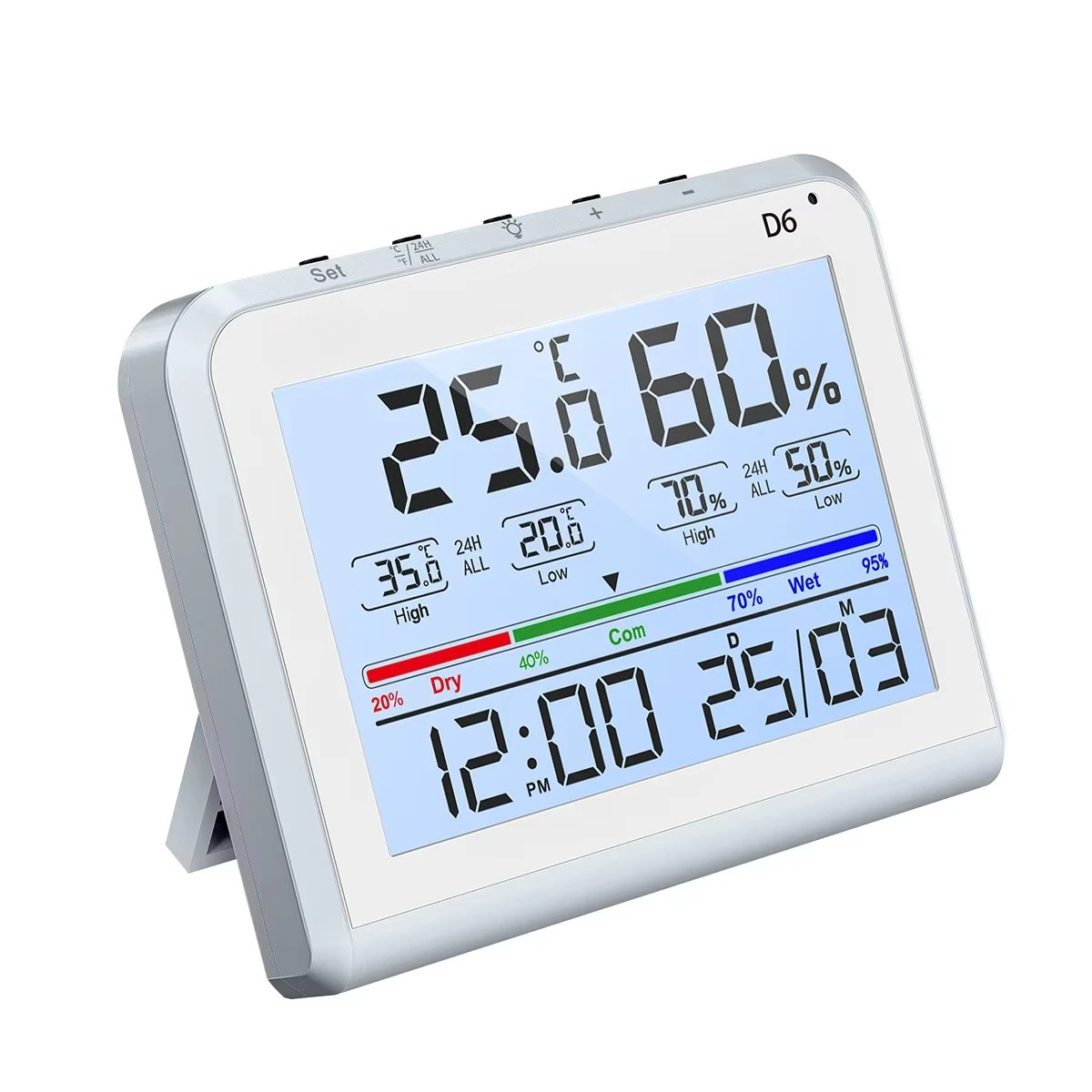
Basement hygrometer: how to choose and where to install.
A basement or cellar is a space where a stable microclimate is key to preserving supplies, tools, or wine. Excessive humidity leads to mold, mildew, and corrosion, while overly dry air can damage wooden structures or products. That is why a hygrometer for the basement becomes a necessity, not a luxury. This compact device allows you to constantly monitor humidity levels and respond to deviations in time. In this article, we will tell you how to choose the right device and where best to install it, based on expert recommendations.
The market offers a multitude of models — from simple analog to modern digital ones with smartphone connectivity. How not to get lost in this variety and find the optimal option? According to the recommendation of the ComfortShop editorial team, you should start by defining the main criteria: measurement accuracy, sensor type, and operating conditions specific to your basement. Let's look at the key aspects of selection and installation.
Article Contents
Why Humidity Control in the Basement is Necessary
High humidity is the main enemy of any underground space. If the moisture level exceeds 70-75%, an ideal environment for the development of microorganisms is created. This destroys walls, spoils wooden shelves and metal fasteners, and also negatively affects food products, which quickly become moldy.
On the other hand, excessive dryness (below 40%) is also harmful — it causes wood to crack and root vegetables to dry out. A moisture hygrometer allows you to maintain readings in the optimal range of 50-65%. This is especially important for wine cellars, where the climate affects the aging of the beverage, and for storing vegetables, which require a stable environment.
Systematic monitoring using a quality device helps save on repairs and prevent property damage. Therefore, choosing a hygrometer is an investment in the longevity of your basement.
Types of Hygrometers: Which is Best for the Basement
Modern hygrometers are divided into three main categories: mechanical (hair), digital (electronic), and psychrometric. Each type has its own features that should be considered when deciding how to choose a hygrometer for a specific room.
Mechanical models operate on the principle of changing the length of a synthetic fiber or metal spring under the influence of moisture. They are autonomous, do not require batteries, and are inexpensive. However, their accuracy often falls short of electronic counterparts, especially during sharp temperature fluctuations typical of basements.
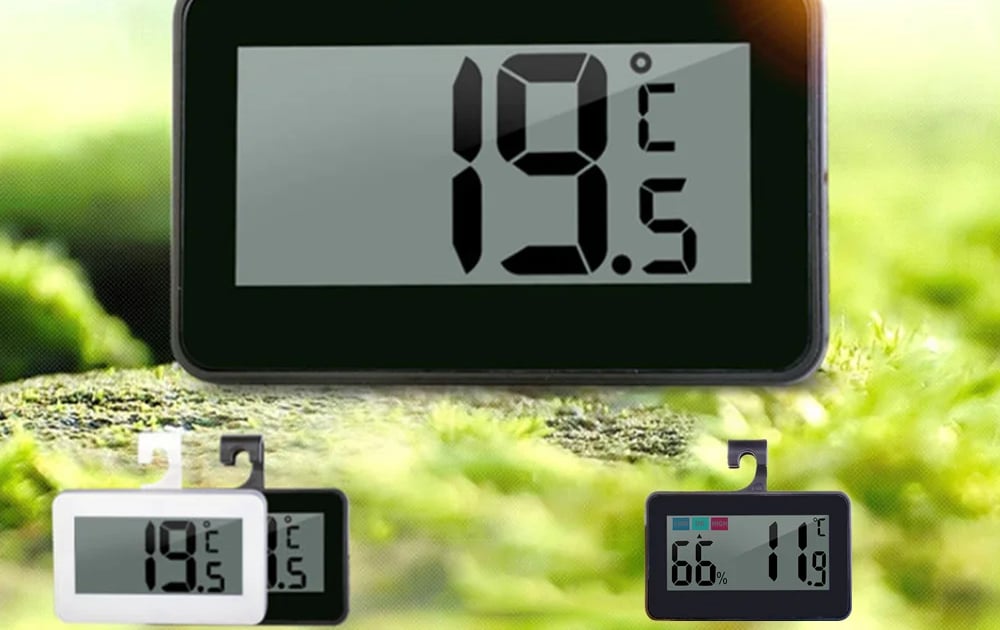
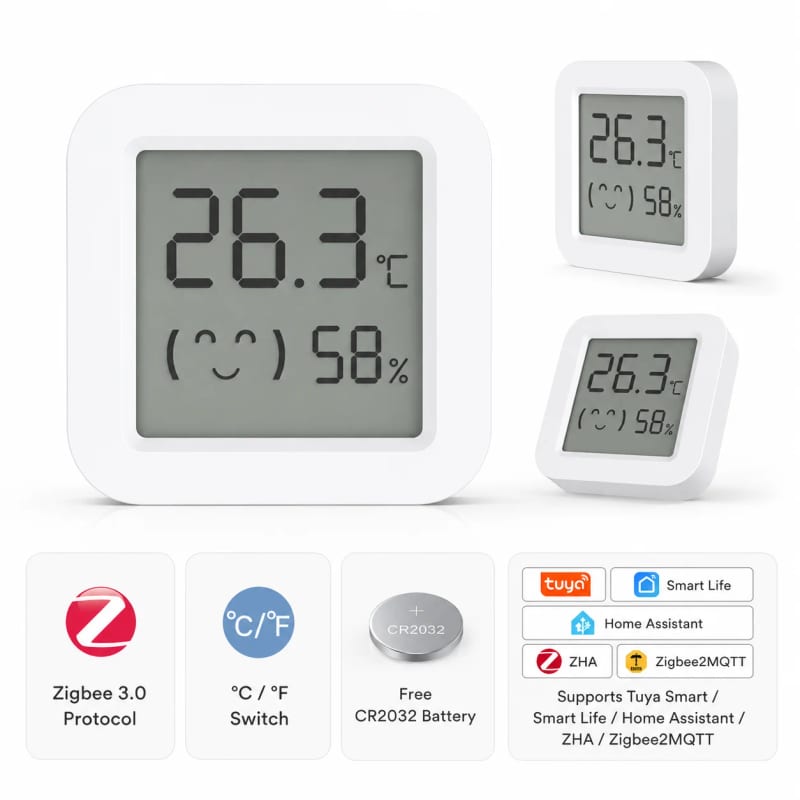
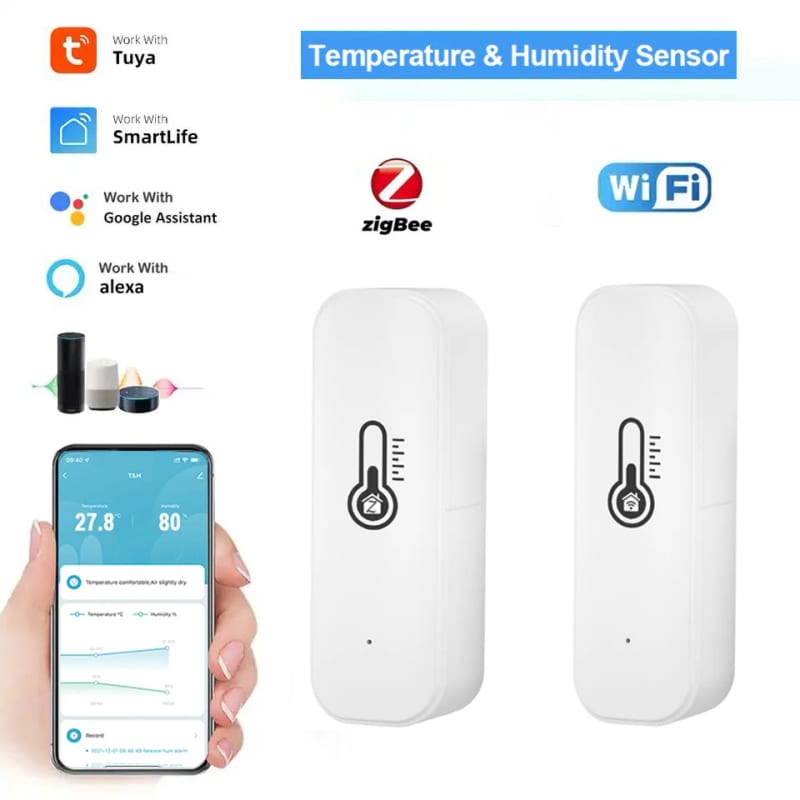
Digital devices are the most popular choice among cellar owners. They use capacitive or resistive sensors that provide high accuracy (±3-5%). Many models additionally show temperature, and some have a function for recording minimum and maximum values. As ComfortShop reviewers note, for constant monitoring, it is worth choosing a digital hygrometer with a remote sensor — this allows you to place the sensor in the most problematic area while leaving the display in an accessible location.