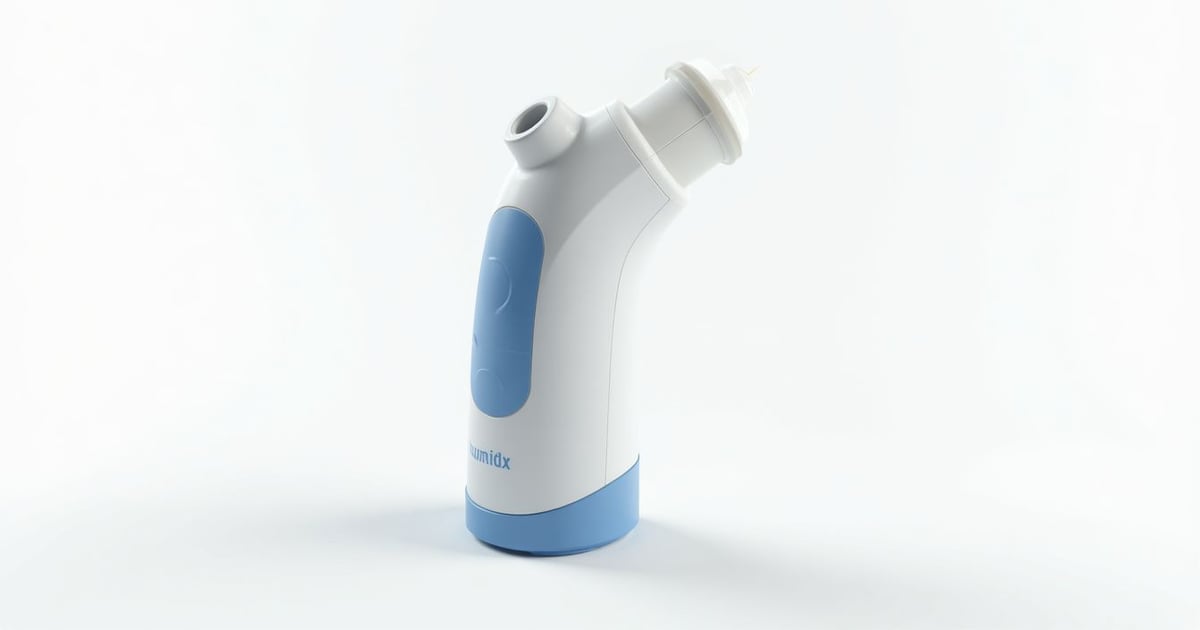
An inhaler, or nebulizer, has long ceased to be purely hospital equipment — today it is an indispensable helper in every family's home medicine cabinet. It provides relief for colds, bronchitis, allergic cough, and even chronic respiratory diseases. The main advantage of a nebulizer is that it turns medication into a fine mist that penetrates deep into the bronchi and lungs. According to the recommendation of the ComfortShop editorial team, a properly selected device can replace a whole arsenal of syrups and tablets, speeding up recovery without harming the stomach or liver.
? Table of Contents
- How a Nebulizer Works and Why It Is More Effective Than Other Methods
- Compressor Nebulizer: Overview and Key Features
- Inhaler Nebulizer for Children: How to Choose Safety and Comfort
- Nebulizer for Adults: What to Look For When Choosing
- How to Properly Use a Nebulizer for Cough Treatment
- How to Buy an Inhaler for Home: Tips and Selection Criteria
- Conclusion:
How a Nebulizer Works and Why It Is More Effective Than Other Methods
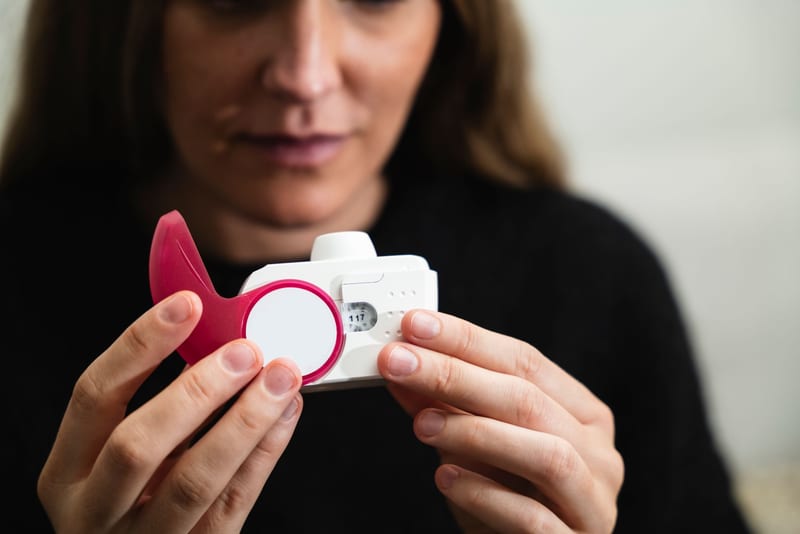
The operating principle of a nebulizer is simple but ingenious: a compressor or ultrasound breaks down liquid medication into microparticles ranging from 0.5 to 10 microns in diameter. This particle size allows them to settle not in the larynx, but directly in the bronchi and alveoli. This means the active substance reaches the exact site of inflammation, bypassing the digestive tract.
Unlike steam inhalations, a nebulizer does not heat the medication, so it can be used even with an elevated body temperature. It does not burn the mucous membrane and is suitable for treating infants, the elderly, and patients with bronchial asthma. Furthermore, modern models operate almost silently, which is especially important for nighttime procedures.
Another significant advantage is the ability to use various types of medications: mucolytics, bronchodilators, hormonal drugs, antibiotics, and even mineral water. This is why an inhaler for cough treatment becomes a universal remedy for the whole family.
Compressor Nebulizer: Overview and Key Features
The most common type of device is the compressor nebulizer. Its main advantage is the ability to work with any medication, including oil-based solutions and suspensions. The airflow is created by a powerful compressor that delivers compressed air into the medication chamber, turning it into an aerosol.
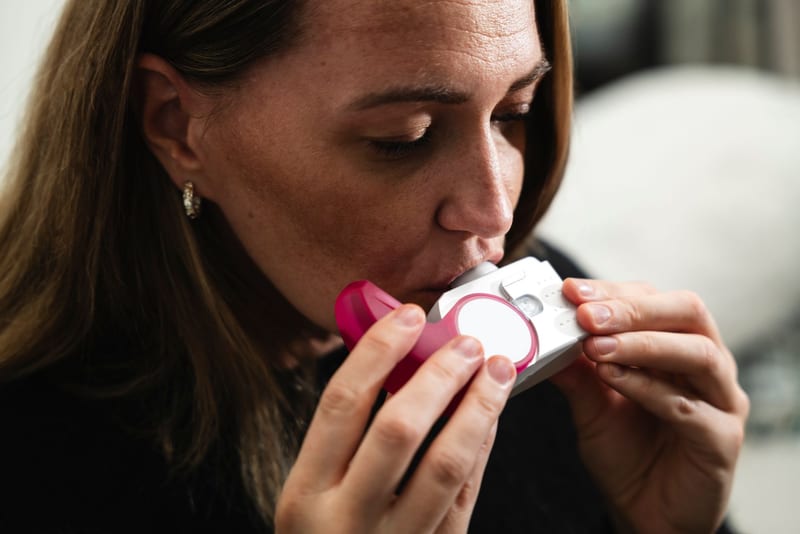
A compressor nebulizer overview typically includes parameters such as output (from 4 to 10 L/min), particle size (adjustable or fixed), and the presence of an interrupt valve. Modern models are equipped with a "virtual valve" system that minimizes medication loss during exhalation.
The downside of compressor models is their relatively high noise level (40-60 dB) and weight. However, this is not critical for home use, as the procedure lasts only 5-15 minutes. If you plan to buy an inhaler for home, a compressor option will offer the best price-to-quality ratio.

Ultrasonic Nebulizer — Silence and Compactness.
Ultrasonic models operate using vibrations from a piezoelectric element that breaks the liquid into fine particles. They are almost silent, lightweight, and portable, making them ideal for travel. However, there is a significant limitation: ultrasound destroys the structure of some medications — hormones, antibiotics, and mucolytics — so these devices are only suitable for saline solution, mineral water, and herbal decoctions.
Inhaler Nebulizer for Children: How to Choose Safety and Comfort
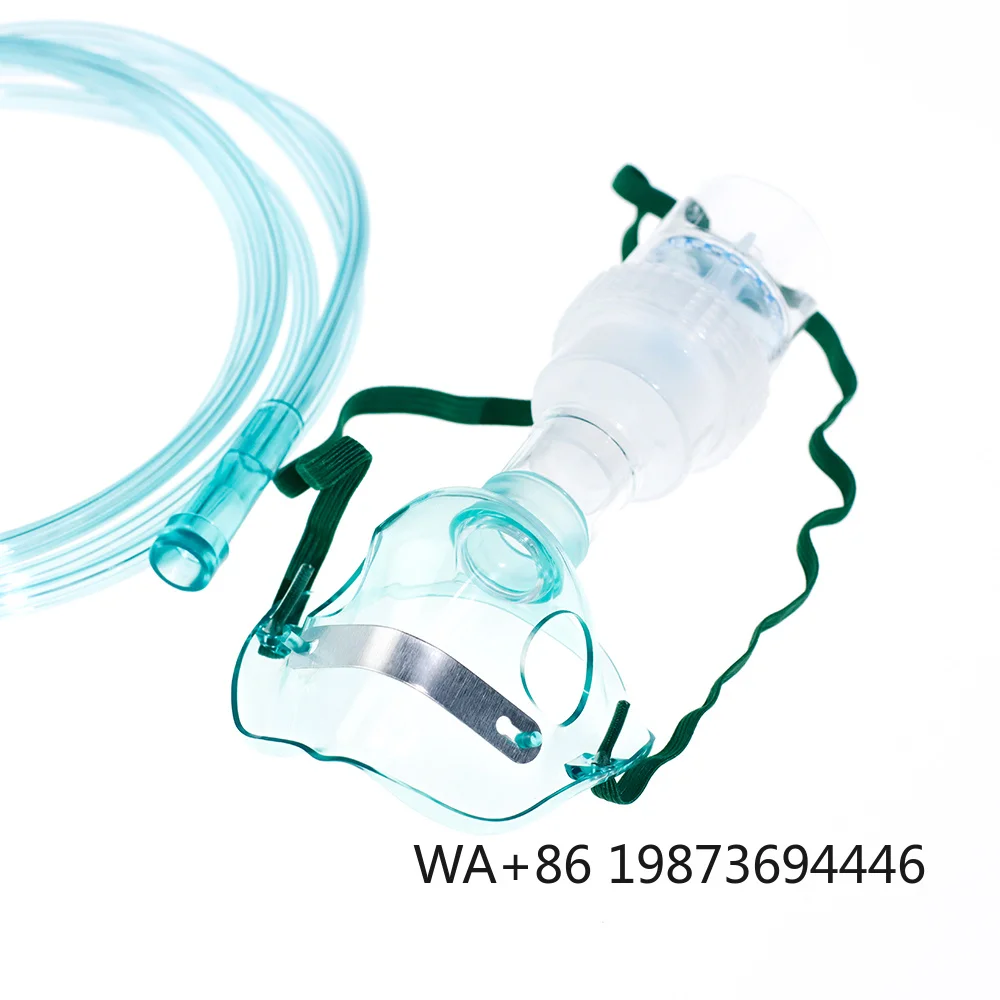
A children's nebulizer is not just a scaled-down version of an adult one. For little ones, additional accessories are important: a mask made of soft, hypoallergenic material that fits snugly on the face, and a "night mode" system for performing the procedure during sleep. An inhaler nebulizer for children should have an adjustable particle flow to ensure the medication reaches the lower respiratory tract.
ComfortShop specialists advise paying attention to models with bright designs in the shape of animals or cars — this helps reduce a child's fear of the procedure. It is also important that the device has overheating protection and automatic shut-off. For children under 3 years old, a mask is mandatory, while for older children, a mouthpiece or nozzle is suitable.
The key parameter is particle size. For treating the upper respiratory tract, particles of 5-10 microns are needed; for the bronchi, 2-5 microns; for the alveoli, 0.5-2 microns. Most children's models have a mode switch that allows you to adapt the inhalation to the specific illness.
Nebulizer for Adults: What to Look For When Choosing
An adult nebulizer is a device for regular or intensive use. If you are choosing a nebulizer for adults, first pay attention to the medication reservoir volume (from 5 to 12 ml) and the compressor output. For treating chronic conditions such as asthma or COPD, it is better to choose models with high dispersion and adjustable flow.
An important factor is the presence of an inhalation/exhalation valve. Some models have a "breath without loss" system, where the aerosol is delivered only during inhalation. This saves medication and increases the procedure's effectiveness. Also, consider the tube length — the longer it is, the more convenient it is to perform the inhalation sitting or lying down.
For adults, the noise level is also important — if you plan to use the device at night or at work, choose ultrasonic or mesh models. They are more expensive but operate almost silently and have smaller dimensions. You can buy an inhaler for home as either a compressor or ultrasonic type — the choice depends on your needs.
How to Properly Use a Nebulizer for Cough Treatment
An inhaler for cough treatment is the most effective way to deliver medication directly to the bronchi. However, it is important to follow the rules: do not use oil-based solutions in compressor models without special manufacturer approval, do not add more medication to the reservoir than recommended, and be sure to wash the mask and chamber after each procedure.
For a wet cough, mucolytics (lazolvan, ambroxol) are most often used; for a dry cough, bronchodilators (berodual, ventolin). Saline solution or still mineral water can be used to moisturize the mucous membrane and thin phlegm. The procedure is carried out 1.5-2 hours after a meal, and you should breathe calmly, without forcing it.
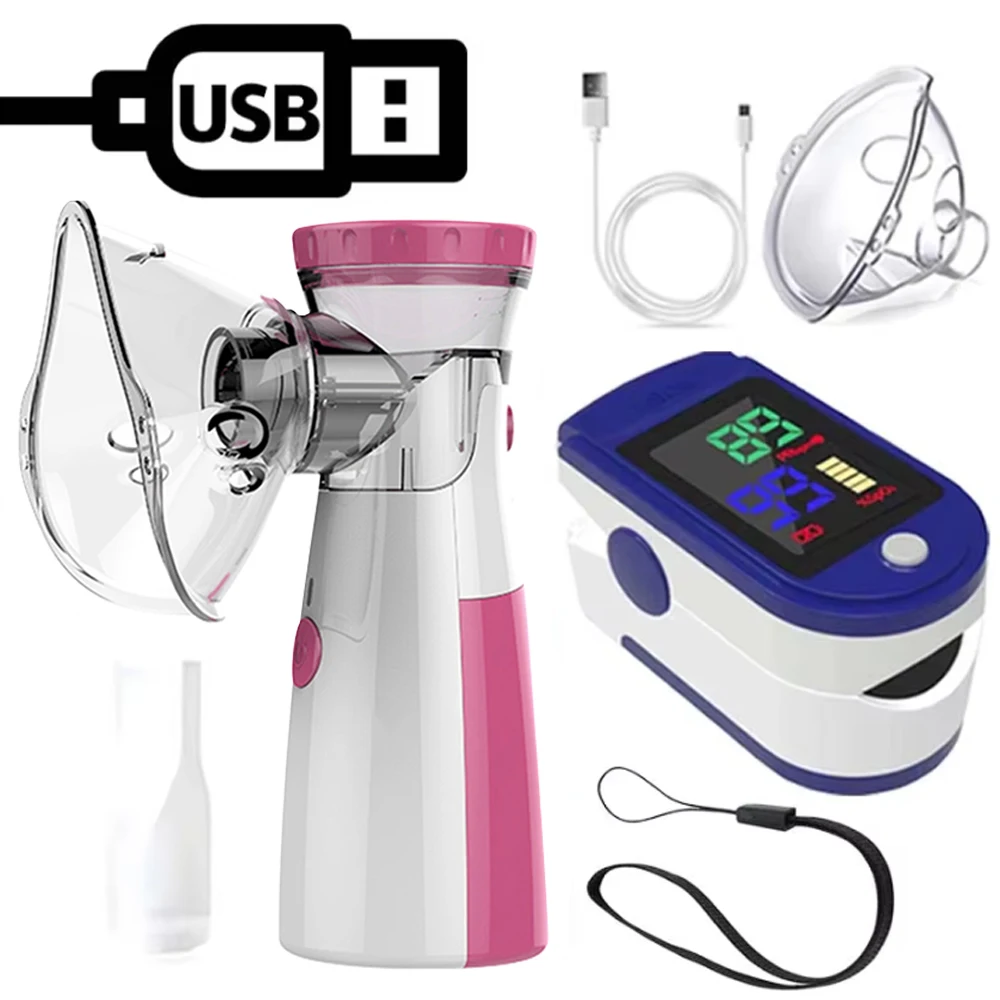
The duration of inhalation is usually 7-15 minutes or until the liquid in the chamber runs out. After the procedure, it is not recommended to go out into cold air for 30-60 minutes. Regular use of a nebulizer as prescribed by a doctor significantly speeds up recovery and reduces the risk of complications.
How to Buy an Inhaler for Home: Tips and Selection Criteria
When you decide to buy an inhaler for home, first determine who will be using it. If there are children and adults in the family, choose a universal model with a set of masks of different sizes. Pay attention to the presence of filters — they protect the compressor from dust and extend the device's lifespan.
A nebulizer for children and adults should have a quality certificate and a warranty of at least 1-2 years. It is also important that spare parts (masks, tubes, chambers) are readily available. As ComfortShop reviewers note, it is better to choose models from well-known brands — Omron, B.Well, Little Doctor — which have official service centers in Ukraine.
Don't chase the cheapest options — cheap models often have low-quality plastic, break quickly, and do not produce the required particle size. The optimal budget for a quality compressor nebulizer is from 1500 to 3000 hryvnias. Ultrasonic and mesh models cost more, but they are quieter and more convenient for travel.
Conclusion:
An inhaler nebulizer is a universal device that every family should have, especially if there are children or people with chronic respiratory diseases. It allows for quick and safe delivery of medication to the site of inflammation, minimizing side effects. When choosing a nebulizer for children and adults, pay attention to the type of spray, the set of accessories, and the noise level. If you are looking for a reliable device at a reasonable price, we recommend browsing the ComfortShop catalog — it features certified models with a warranty and delivery throughout Ukraine.
Frequently Asked Questions
How is a compressor nebulizer different from an ultrasonic one for children?
A compressor nebulizer disperses medication using compressed air and is suitable for all types of medications, including hormones and antibiotics, whereas an ultrasonic one can destroy some active ingredients due to heating.
Can one inhaler be used for the whole family — both adults and children?
Yes, most nebulizers come with universal attachments (masks for children and adults, a mouthpiece), so one compressor device is suitable for treating coughs in all family members.
Which inhaler is better to buy for home to treat cough and runny nose?
For home use, it is best to choose a compressor nebulizer, for example, models like "Zdorov" — they are reliable, have an adjustable particle flow, and allow the use of both saline solutions and cough medications.
Is it necessary to buy an expensive nebulizer for effective treatment?
Not necessarily — a quality compressor inhaler in the mid-price range with a set of masks for children and adults provides the necessary effectiveness for treating bronchitis, asthma, and common coughs.