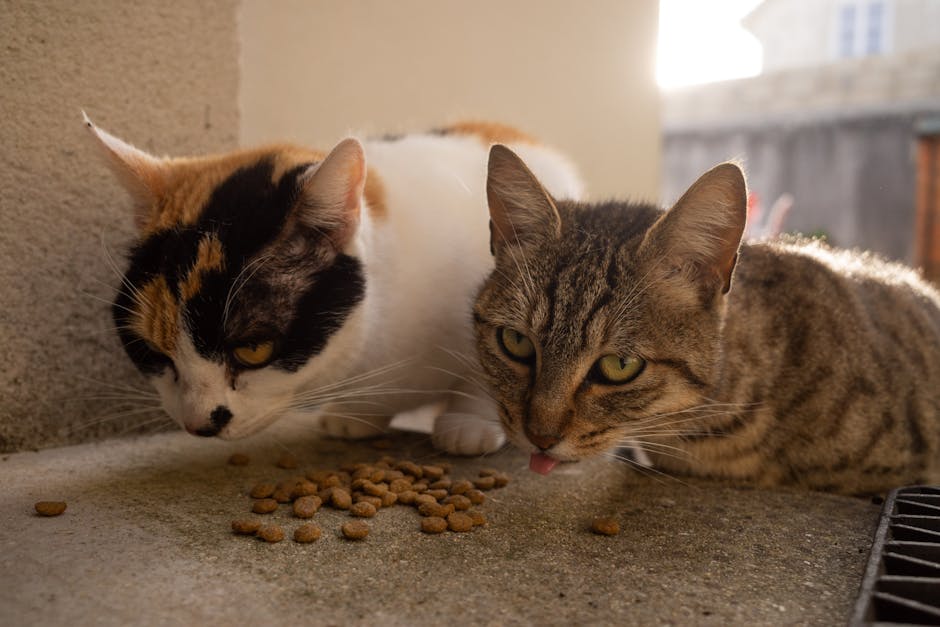
Sensitive digestion in cats is a common problem faced by many owners. Its signs can include persistent stomach upsets, vomiting, diarrhea, flatulence, or even an unpleasant odor from the body and coat. Often, the root of the problem is an improperly selected diet that does not meet the specific needs of your pet's digestive system. Choosing a specialized food for a cat with sensitive digestion is not a marketing gimmick, but a necessity that helps restore health and comfort to your pet. Let's figure out what to look for to make the right choice and avoid common mistakes.
? Table of Contents
Recognizing the Problem: Signs of Sensitive Digestion in Cats

Before rushing to the store for dietary cat food, it's important to make sure the problem is indeed sensitivity and not an acute illness. If symptoms are severe or accompanied by lethargy, refusal of water – this is a reason to immediately consult a veterinarian. However, if the problems are chronic and periodic, you are likely dealing with sensitivity.

The main signs include: frequent loose stools or, conversely, constipation; bloating and gas; periodic vomiting after eating; poor coat quality – it becomes dull and prone to matting. The cat may lose weight or, conversely, be overweight due to metabolic disorders. Often, such animals look healthy but are constantly bothered by stomach discomfort.
It is important to keep an observation diary: record which food causes symptoms, their frequency, and nature. This information will be valuable both for the veterinarian and for your own analysis of food suitability.
Step 1: Analyzing Ingredients – What to Avoid
The first and most important step in choosing cat food for stomach problems is carefully studying the label. The ingredient list is not just a list, but instructions for your pet's body. Unfortunately, many prepared diets, even premium ones, contain components that can be difficult to digest.

Main enemies of sensitive digestion:

Avoid foods with vague general names like "meat products," "cereals," "animal by-products." Look for specifics: "dehydrated chicken," "rice," "salmon oil." Be suspicious of large amounts of corn, wheat, soy, and other gluten-containing grains – they are often allergens and hard to digest.
Artificial additives – dyes, flavors, and preservatives (BHA, BHT, ethoxyquin) – are things that ideally should not be in food for a sensitive digestive system. They create an additional burden on the liver and can cause irritation. Also be cautious with a high content of low-quality vegetable oils.
Step 2: Looking for the Right Ingredients and Special Formulas
After you have eliminated unsuitable options, focus on finding beneficial components. Quality food for a cat with sensitive digestion should contain an easily digestible source of protein. The best options: lamb, turkey, rabbit, venison, or hydrolyzed protein (broken down into amino acids that rarely cause reactions).
Carbohydrates should also be light. The ideal choice is rice, oatmeal, or potatoes. Many specialized foods contain prebiotics (e.g., inulin from chicory) and probiotics that support healthy intestinal microflora. A useful addition is omega-3 and omega-6 fatty acids (from fish oil), which reduce inflammatory processes in the gut and improve the condition of the skin and coat.
Hypoallergenic cat food is often based precisely on the principle of hydrolyzed protein or the use of a single, rare protein source (e.g., duck, ostrich) to which the animal could not have developed an allergy yet. This is an option for cases where standard "sensitive" formulas do not work.
Step 3: Proper Transition and Evaluation of Results
Even the best food can cause harm if introduced abruptly. A cat's digestive system needs time to adapt. The transition to a new food for a sensitive digestive system should take 7-10 days. Start by mixing 25% of the new food with 75% of the old one, then over several days balance the proportions, and finally switch completely to the new diet.
Common mistakes when changing food:
The most common mistake is rushing. Do not give the new food "as a test" in large portions from the first day. Another mistake is feeding dry food together with natural food or treats from the table. During adaptation and dieting, this is unacceptable as it complicates identifying the cause of the problem and burdens digestion.
Observe the cat's condition after the full transition. Positive signs will be: formed, regular stools; reduction or disappearance of gas; increased activity; improved appetite and coat quality. If no improvement occurs within 3-4 weeks, it is worth discussing other possible diagnoses with your veterinarian or trying a food with a different main protein source.
Dry, Wet, or Prescription: Which Format to Choose?
Cat foods for stomach problems are available in different formats, each with its advantages. Dry food is convenient to use, helps mechanically clean teeth, and often contains a full spectrum of necessary nutrients. However, for cats that drink little, it may be less desirable.
Wet foods (pâté, stew) have higher moisture content, which promotes better hydration and is generally easier to digest. They can be an excellent option for cats with particularly sensitive stomachs or those recovering from illness. Specialists often recommend combining both types, adhering to the daily calorie intake.
Prescription dietary cat foods are prescribed exclusively by a veterinarian for serious diagnoses (kidney failure, pancreatitis, etc.). Do not choose them on your own "for prevention," as their composition differs significantly from regular specialized diets and can harm a healthy animal.
Conclusion:
Choosing the right food for a cat with sensitive digestion is a systematic effort that begins with analyzing symptoms and carefully studying the ingredient list. The key to success is easily digestible proteins, the absence of potential allergens and artificial additives, the presence of prebiotics, and a proper, gradual transition to the new diet. Avoid rushing and do not experiment with different brands every week. Give your cat's digestive system time to adapt, and the result will be its well-being, energy, and a shiny coat.