Cat owners know well that scratched furniture, wallpaper, and doors are not a verdict, but a signal that their pet needs a proper scratching post. This accessory is not just a toy, but an essential item for the health and comfort of your beloved pet. Cats' claws grow constantly, and they need to file them down, shed the old keratinized layer, and mark their territory. As ComfortShop reviewers note, choosing the right scratching post can permanently solve the problem of damaged interiors and save the owner's nerves. In this article, we will break down which scratching post to choose for your cat, where to place it, and what to look for when buying.
? Article Contents
Why a Cat Needs a Scratching Post: Physiology and Instincts
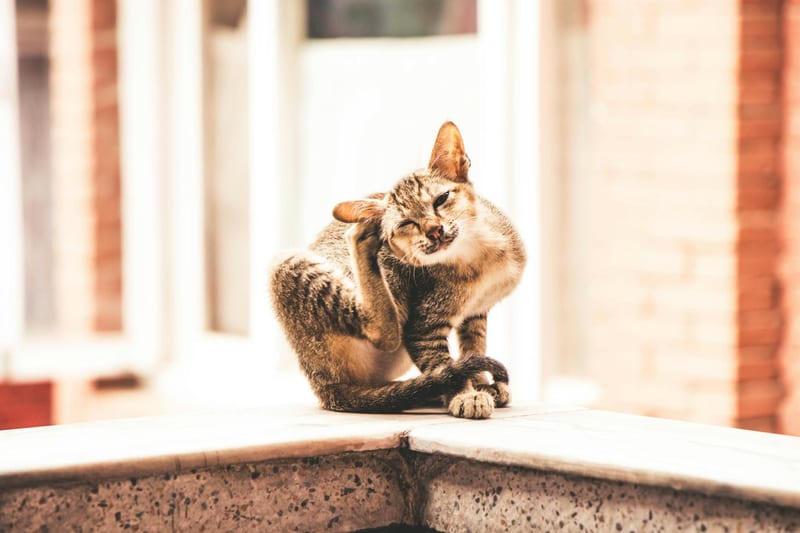
Before choosing a model, it's worth understanding why a cat scratches its claws at all. This is not a bad habit, but an innate instinct ingrained by nature. Firstly, in this way, the cat removes the dead layer from its claws, helping them renew and stay sharp. Secondly, it's an excellent way to stretch the muscles of the paws and back after sleep or a long rest.
Thirdly, cats have scent glands on their paw pads. When an animal scratches a surface, it leaves its scent on it, marking its territory. If a cat doesn't have a legal place for this, it will choose the sofa or carpet. Therefore, a scratching post for a cat is not a luxury, but a necessity that satisfies its natural needs. Ignoring this fact leads to stress in the animal and damage to property.
Which Scratching Post to Choose: Main Types and Materials
The modern pet product market offers a huge variety of options, and it's very easy to get confused. To understand which scratching post to choose, you need to assess your pet's habits. The most popular types include flat mats, wall panels, corner structures, posts, and entire play complexes. Each has its advantages.
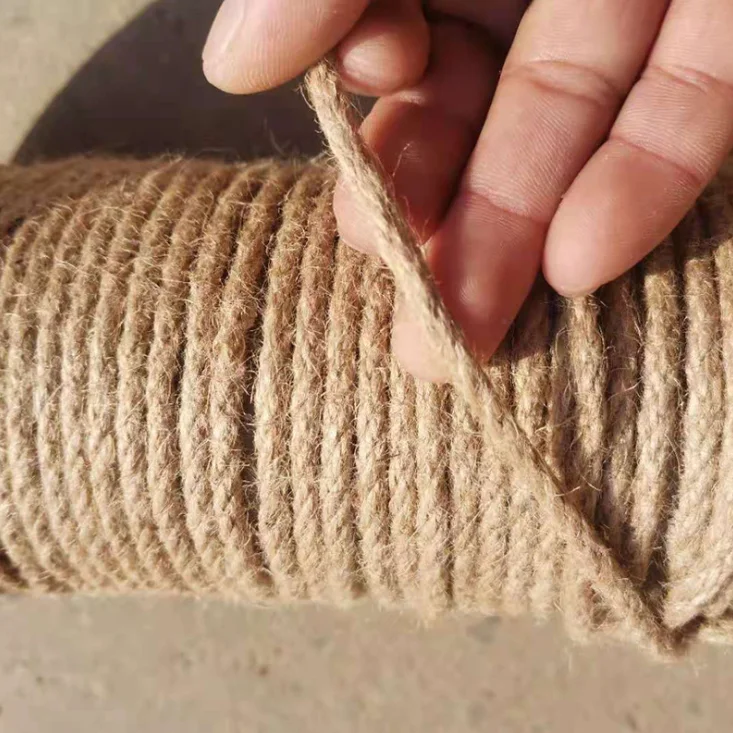
The covering material is a key factor. Sisal (a natural fiber from agave leaves) and jute are considered the best. They have optimal hardness, file claws well, and do not generate static electricity. Carpet covering is also popular, but it is less durable. Cardboard scratching posts are a budget-friendly option that cats love, but they wear out quickly and create a lot of small debris.
Post, Complex, or Mat: Which Will Your Cat Choose.
For active cats that like to scratch while standing on their hind legs, tall posts (from 60 cm) are ideal. If your pet prefers scratching horizontal surfaces (carpet, bed), choose a flat mat or a scratching post bed. For those who scratch wallpaper in corners, a corner structure is indispensable. ComfortShop experts advise looking at multifunctional complexes that combine a house, a bed, and several posts — this is the best scratching post for active and curious animals.
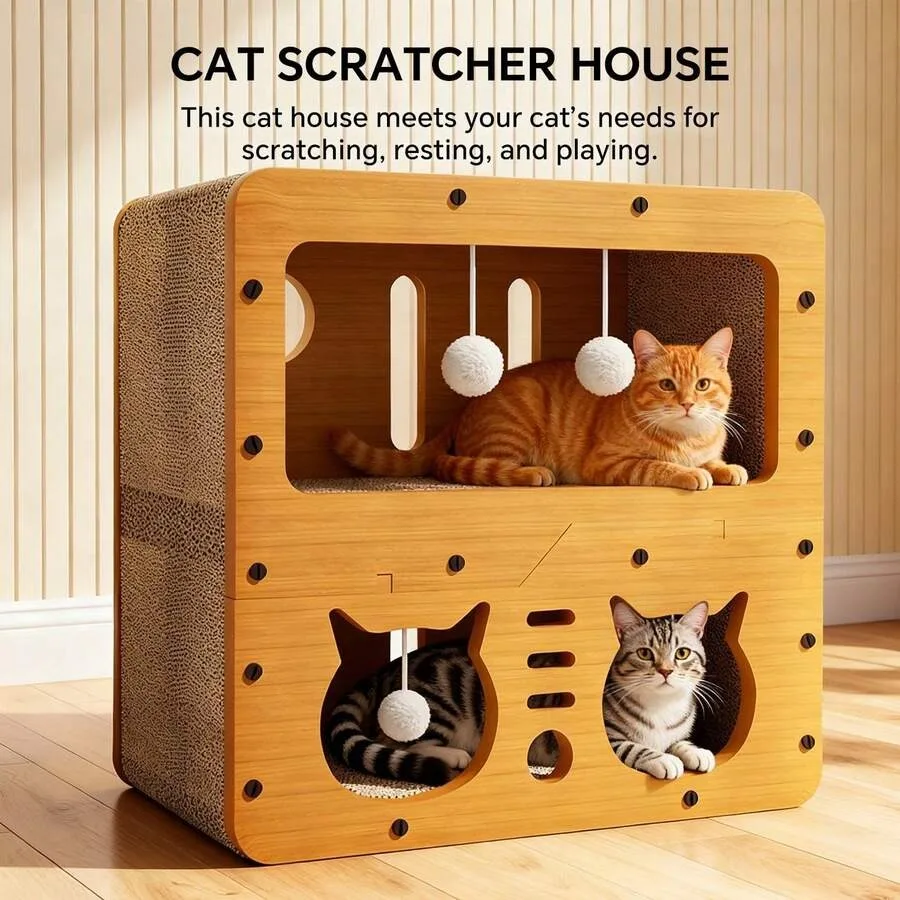
Where to Place a Scratching Post: Secrets of the Right Location
Even the highest quality and most expensive scratching post for a cat can remain unused if placed in the wrong spot. Cats are territorial animals, and they are used to sharpening their claws in certain areas. The first rule is to place the accessory where the cat has already tried to scratch. If it scratches the sofa, put the post next to it. Over time, you can gradually move it to a more convenient place for you.
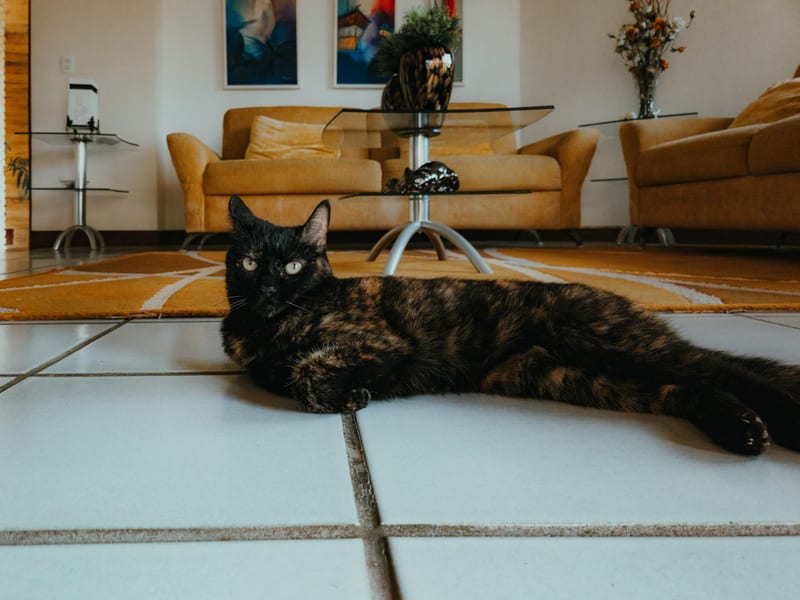
The second important rule is that the scratching post should be in a visible place, not in a dark corner. Cats like to watch what's happening in the room, so they often scratch in walkways or near a window. The ideal location is near the cat's resting place or along its daily routes. Do not place it near the food bowl or litter box — these areas are associated with other needs.
How to Train a Cat to a New Scratching Spot.
If you've changed the location or bought a new model, help your pet get used to it. Play with it near the scratching post using a wand toy. Sprinkle it with dried catnip or cat valerian (a special spray). When the cat starts scratching the right place, be sure to praise it. Never yell at or punish the animal if it makes a mistake — this will cause stress.
What to Look for When Buying: Feature Overview
Before finally deciding which scratching post to choose, pay attention to its stability. The structure should not wobble or fall over when the cat leans on it. An unstable scratching post will scare the animal, and it will never approach it again. Choose models with a wide base or those that attach to a wall or floor.
The height of the post should be such that the cat can fully stretch out while standing on its hind legs. For large breeds (Maine Coon, British Shorthair), models at least 80-90 cm high are needed. For small cats, posts of 40-50 cm will suffice. Also, check the quality of the wrapping — it should not have sharp threads or an unpleasant odor. A scratching post for cats, according to reviews from experienced owners, often recommends models made from natural materials without toxic glue.
DIY vs. Store-Bought Scratching Post: Pros and Cons
Some owners prefer to make scratching posts themselves from available materials: wrapping a table leg or a board with rope. This option is viable if you need a temporary solution. However, a homemade structure is rarely stable or durable enough. Additionally, it's hard to find high-quality natural rope without chemical impregnation.
Store-bought models, especially from trusted manufacturers, undergo quality control. They are designed for active use, have a stable base, and an attractive design. Manufacturers consider animal ergonomics: the angle of inclination, surface texture, and safety. If you want a truly reliable accessory that will last for years, it's better to look at ready-made solutions.
Conclusion:
Choosing a scratching post is an investment in the peace of your home and the health of your pet. The best scratching post is one that considers the cat's individual habits, is made from natural materials, and is installed in the right place. Don't skimp on quality and stability, as this determines whether the cat will use it. To be guaranteed a quality product that your pet will love, we recommend buying a scratching post for your cat from a trusted place that offers certified pet products for cats from leading brands.
Frequently Asked Questions
Which scratching post is better for a cat — vertical or horizontal?
The choice depends on your pet's habits: if the cat likes to sharpen its claws while stretching on its hind legs, choose a vertical model; if it scratches the carpet or floor, choose a horizontal or inclined one.
Where should I place a scratching post so the cat uses it?
Place the scratching post near the cat's favorite resting spot or next to furniture it has already claimed — it should be an area where the animal spends the most time.
What is the best material for a cat scratching post?
The most practical and popular material is sisal — it is strong, files claws well, attracts cats with its texture, and is more durable than regular cardboard.
Is it worth buying a scratching post with a bed or house?
Yes, combined models (e.g., a scratching post with a bed or play complex) save space and satisfy several of the cat's needs at once — claw sharpening, sleeping, and playing — making them the best choice for active animals.