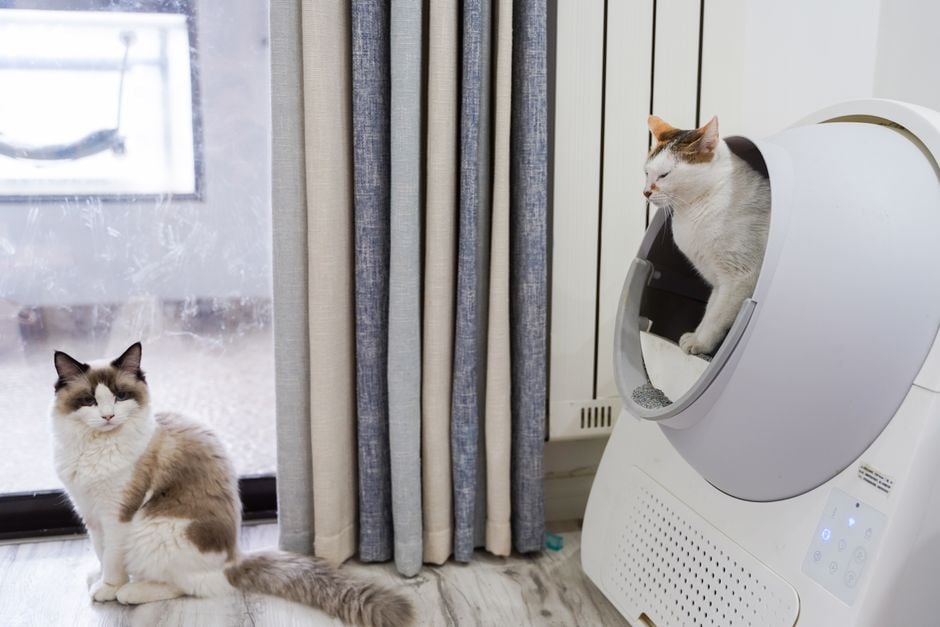
Choosing a cat litter box is not just a formality, but one of the key decisions that determines the comfort and cleanliness of your home. Owners often hesitate between two main types of construction: an open tray and a closed house. Each option has its own features that affect your pet's behavior and ease of cleaning. In this article, we will analyze all the nuances in detail so you can decide which litter box is best for a cat in your specific situation. According to the recommendation of the ComfortShop editorial team, before purchasing, you should weigh not only aesthetics but also the animal's instincts.
Article Contents
Psychology and Instincts: Why Shape Matters
Before choosing between a closed or open model, it's important to understand a cat's basic needs. In the wild, felines are accustomed to controlling the space around them during delicate matters to notice danger in time. An open cat toilet provides an ideal 360-degree view, which is why many animals feel more confident and calm in it.
On the other hand, the instinct for concealment is also strong. In nature, cats bury their waste to hide their scent from larger predators. A closed litter box mimics a safe den where no one will disturb them. However, if the pet is timid, a confined space can cause stress, as the escape route is limited by a door. That is why choosing a litter box for a cat should be based on observing your pet's temperament.
Closed Litter Box for a Cat: Pros and Cons
Closed models in the shape of a house are extremely popular among owners who value aesthetics and want to minimize the spread of odor. Let's look at the key advantages and disadvantages highlighted by ComfortShop specialists during customer consultations.
Advantages of a closed litter box.
- Odor control: Thanks to the walls and special carbon filters in the roof, unpleasant aromas are reliably contained inside the box, which is especially important for small apartments.
- Floor cleanliness: The cat does not scatter litter outside the tray while digging, as it is contained by the walls and roof.
- Privacy: Shy cats who don't like to use the toilet in front of guests feel maximally protected in the house.
Disadvantages of a closed litter box.
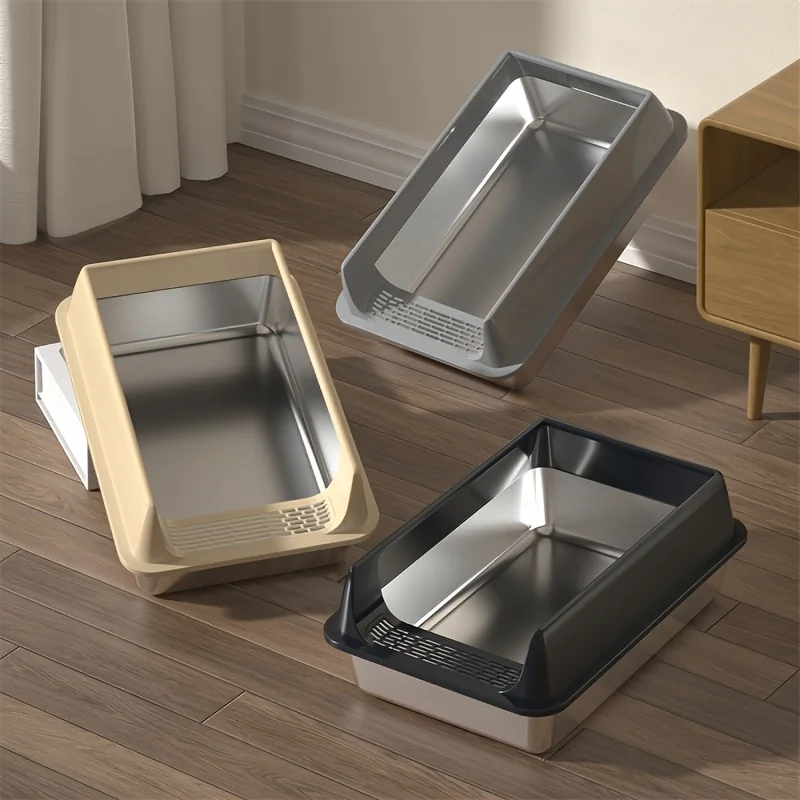
- Cleaning difficulties: To wash the tray, you have to completely disassemble it, removing the top lid, which takes more time compared to an open tray.
- Size: The internal space is often smaller than the external dimensions, which is critical for large breeds like the Maine Coon, which need room to turn around.
- Ventilation: If the tray is not cleaned in time, a greenhouse effect with a high concentration of ammonia builds up inside, which can discourage the cat from entering.
When weighing the closed litter box for a cat pros and cons, it's worth remembering the possibility of the animal refusing it. If the cat sees the house for the first time, you shouldn't immediately close the door — let it get used to the new item gradually.
Open Cat Toilet: Simplicity and Accessibility
The classic rectangular tray without a roof is a time-tested universal solution. Most breeders and shelters use open constructions. This is the most natural option for the animal, which does not restrict its movements or create a feeling of being trapped.
Among the main advantages is ease of washing. You don't need to disassemble a complex structure; simply rinse the tray under running water. Also, an open tray provides excellent air circulation, which promotes quick drying of the litter and reduces the risk of bacterial growth. However, there is a downside: the smell spreads through the room instantly, and an active cat can scatter granules a meter around. As ComfortShop reviewers note, models with high sides or special rubber mats are great for solving this problem.
Types of Constructions and Materials: Market Overview
A modern cat toilet review is not limited to just shape. Manufacturers offer many hybrid solutions that combine the advantages of both types. Let's look at the most popular categories available today in pet stores.
First, there are trays with high sides and a removable rim. They remain open, but the height of the walls prevents litter from being scattered. Second, there are semi-closed models with a high back wall — an ideal compromise for cats that like to mark territory while standing. Third, it's worth mentioning the material of manufacture. Cheap plastic quickly absorbs odors and after a few months itself becomes a source of stench, so high-quality polypropylene is a priority choice for durability.
Which Litter Box is Best for a Cat: Practical Tips
There is no definitive answer to the question cat toilet closed or open, as the choice depends on specific circumstances. If you have a kitten, you should always start with an open tray with a low entrance, as the baby needs to be able to jump in easily. With age, once habits are formed, you can try offering a closed house.
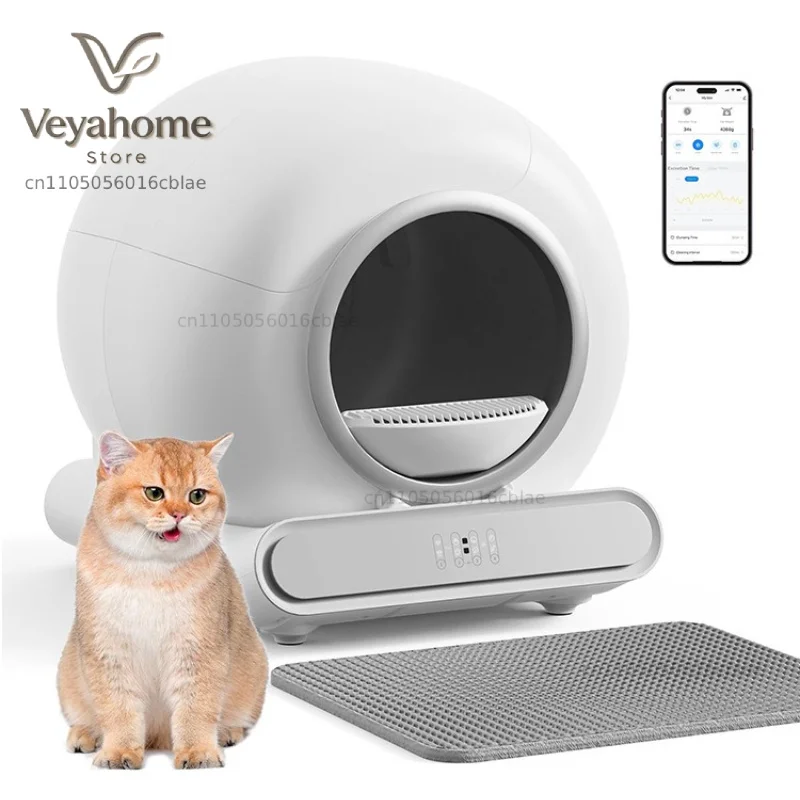
For families with multiple cats, the "N+1" rule (number of trays = number of cats + 1) is law. In such cases, different types are often combined: one open and one closed, giving the animals the right to choose. If a cat starts going past the tray, it's the first sign that it feels uncomfortable. Perhaps the closed space has become too cramped for it, or conversely, the open tray doesn't provide enough privacy in a noisy home.
Conclusion:
In summary, the choice between a closed and an open tray is a balance between your comfort and the animal's psychological peace. If your priority is perfect floor cleanliness and odor blocking, and the cat shows no signs of anxiety, a closed house will be an excellent solution. If the pet is timid or you value simplicity of daily care, an open tray with high sides will be unrivaled. ComfortShop specialists advise always considering the individual habits of the cat, because the best tray is the one the animal uses without fail.
Frequently Asked Questions
Which litter box is better for a cat — closed or open?
The choice depends on the cat's personality: a closed tray provides more privacy and contains odors, but some cats may be afraid of confined spaces, while an open cat toilet is easier to access and more familiar to most animals.
What are the pros and cons of a closed litter box for a cat?
Pros: less litter scatter, better odor isolation, aesthetic appearance. Cons: higher price, more difficult to clean, some cats refuse to use it due to cramped space or odor buildup inside.
Is an open cat toilet suitable if there are other animals in the apartment?
An open tray provides quick access and visibility, reducing the risk of ambushes by other animals, but it does not protect the cat during the process, so for timid pets, a closed model is better.
How to make the right choice of a litter box for a cat during a review at a pet store?
Pay attention to the size (the tray should be 1.5 times longer than the cat), the height of the sides (high for active cats), and the presence of a filter in closed models, and also consider your pet's space preferences.