Greenhouse weather station: what is important.
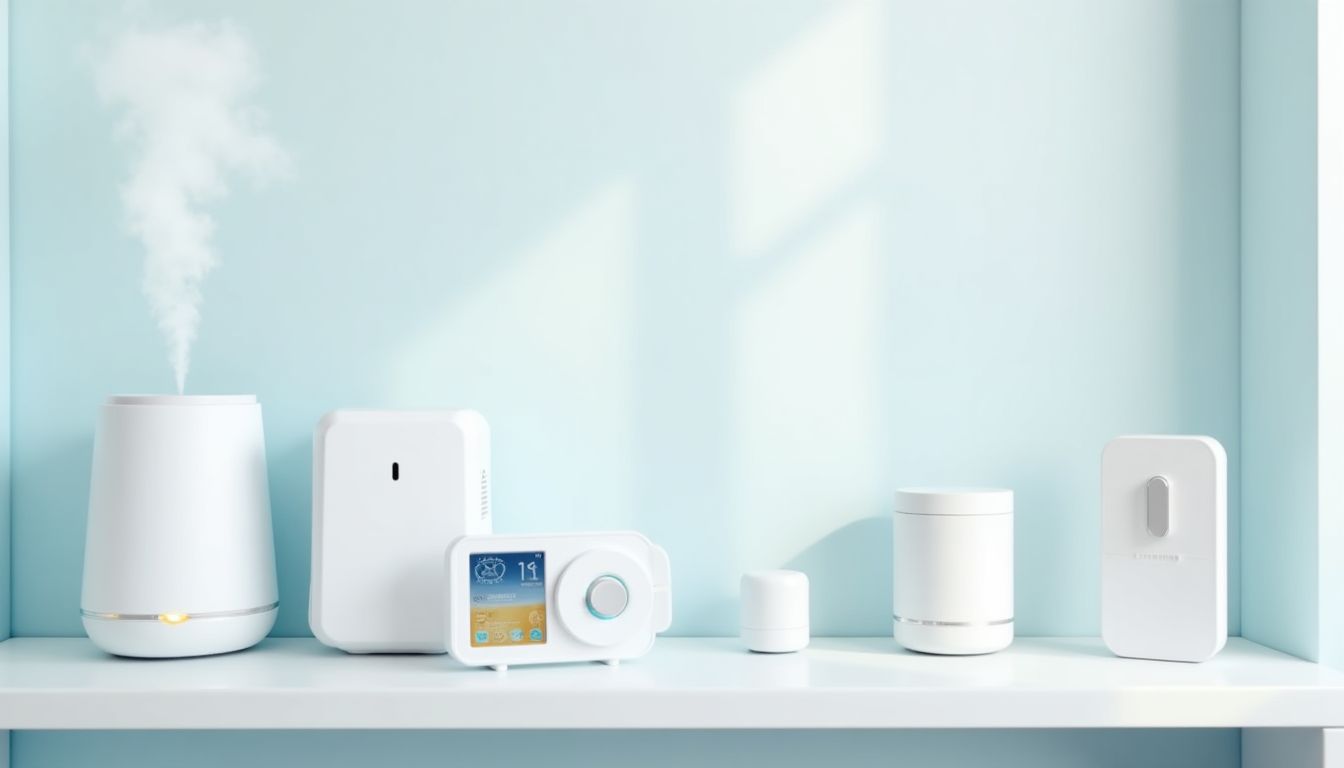
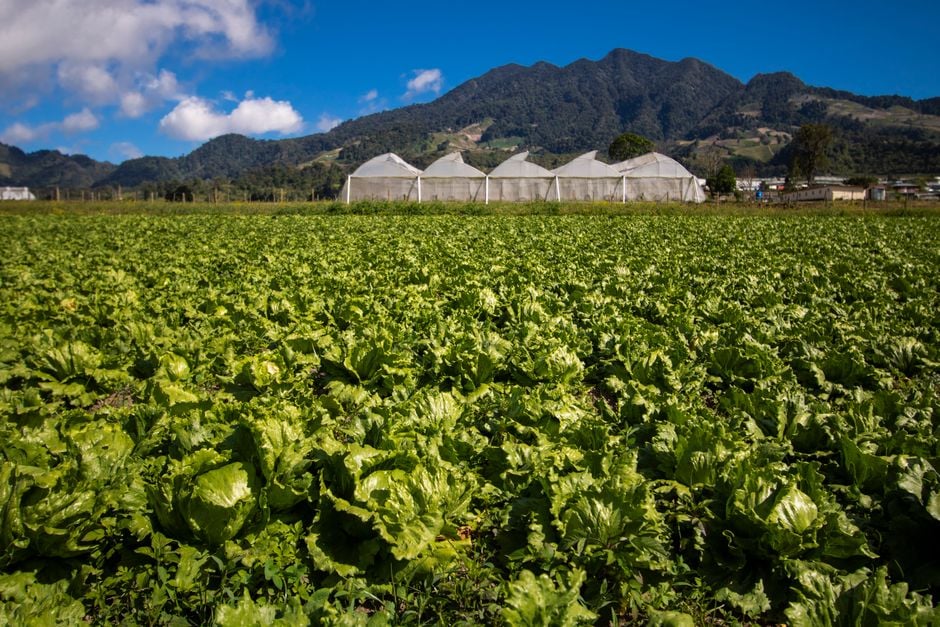
Modern greenhouse farming is increasingly moving away from purely manual control, making way for smart technologies. To obtain a stable harvest, it is no longer enough to simply water plants on time — precise monitoring of temperature, humidity, lighting, and CO₂ levels is required. This is where a weather station for the greenhouse comes to the rescue, capable of turning an ordinary greenhouse into a high-tech agricultural complex. According to the recommendation of the ComfortShop editorial team, choosing such a device correctly allows not only to automate care but also to significantly reduce electricity and water costs.
Article Contents
- Why is greenhouse climate control needed
- Main sensors for the greenhouse: what should be in the set
- Weather station overview: wired or wireless systems
- Greenhouse automation: from monitoring to control
- How to choose a weather station: key criteria
- Greenhouse climate equipment: additional devices for an ideal microclimate
- Conclusion:
Why is greenhouse climate control needed

Greenhouse climate control is not a luxury, but a necessity for anyone who wants to get a harvest all year round, regardless of the weather outside. Sharp temperature fluctuations, excessive humidity, or, conversely, drying out of the soil can destroy even the hardiest crops. An automated system allows maintaining an ideal microclimate in real time, reacting to changes faster than a human.
Proper climate control includes managing ventilation, heating, and humidification. For example, on a hot day, temperature sensors signal to open vents or turn on the exhaust fan. At night, when the temperature drops, the system activates heating, preventing the root system from overcooling. This approach reduces the risk of plant diseases and increases their productivity.
Main sensors for the greenhouse: what should be in the set
Any quality weather station for a greenhouse comes with a set of sensors that provide complete monitoring. The basic list includes sensors for air temperature and humidity, soil moisture, light intensity, and wind speed. Each of these elements performs a critical function.
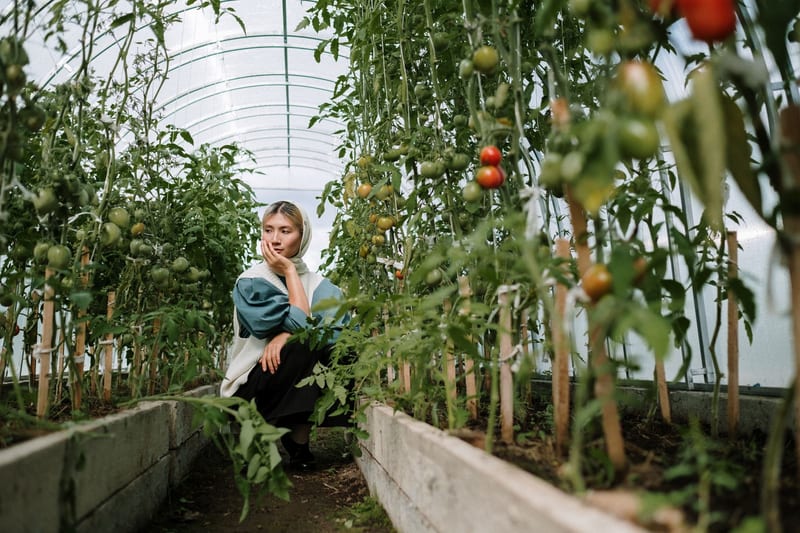
Special attention should be paid to the soil moisture sensor — it prevents both overwatering and drying out. The light sensor helps automatically turn on phytolamps in cloudy weather, and the wind sensor protects the structure from damage during storms. ComfortShop experts advise choosing models with wireless sensors, as this simplifies installation and allows placing sensors in the most remote corners of the greenhouse.
Weather station overview: wired or wireless systems
The market offers two main types of devices: wired and wireless. Wired weather stations are characterized by signal stability and do not require battery replacement, but their installation requires laying cables, which is not always convenient in an already equipped greenhouse. Wireless models, on the contrary, are easy to install and can transmit data over a distance of up to 100 meters.
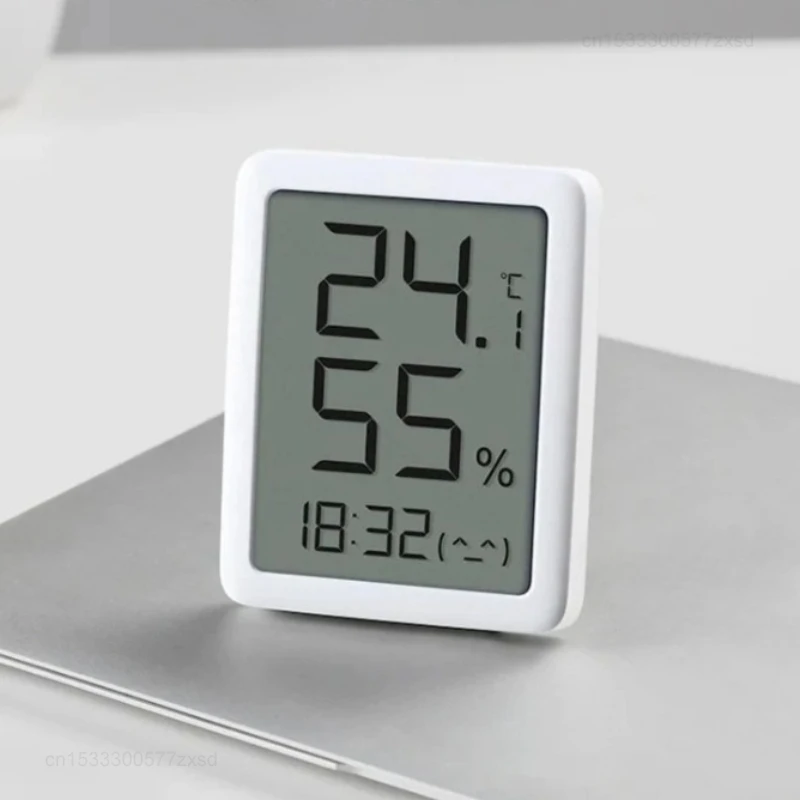
When reviewing a weather station, pay attention to the signal transmission range and data update frequency. For large greenhouses, it is better to choose models with repeaters that amplify the signal. Also important is the presence of moisture protection for external sensors — this extends their service life in conditions of high humidity.
Greenhouse automation: from monitoring to control
True greenhouse automation begins where the weather station not only collects data but also independently controls actuators. Modern controllers can turn on irrigation, open vents, regulate heating intensity, and even control the fogging system.
The most advanced models integrate with smartphones via Wi-Fi or GSM modules, allowing the farmer to control processes remotely. This is especially convenient when the greenhouse is located outside the city or at a dacha — you can check the climate status and adjust settings directly from your workplace. Some systems even send notifications in case of emergencies, such as a power outage.
How to choose a weather station: key criteria
Choosing a weather station should start with determining the area of the greenhouse and the types of crops you are growing. For a small greenhouse up to 20 sq.m., a basic model with 3-4 sensors is sufficient, while for industrial scales, a multi-channel system with expansion capability will be needed.
Pay attention to the following parameters:
- Number of supported control zones — for a greenhouse of complex shape, this is critical.
- Type of sensor power supply — solar panels save time on replacing elements.
- Availability of a data archive — allows analyzing the dynamics of changes over a week or month.
- Compatibility with additional equipment, such as humidifiers or heaters.
As ComfortShop reviewers note, the optimal solution for most farms is a weather station with the ability to connect up to 8 sensors and the presence of a GSM module. This provides a balance between price and functionality.