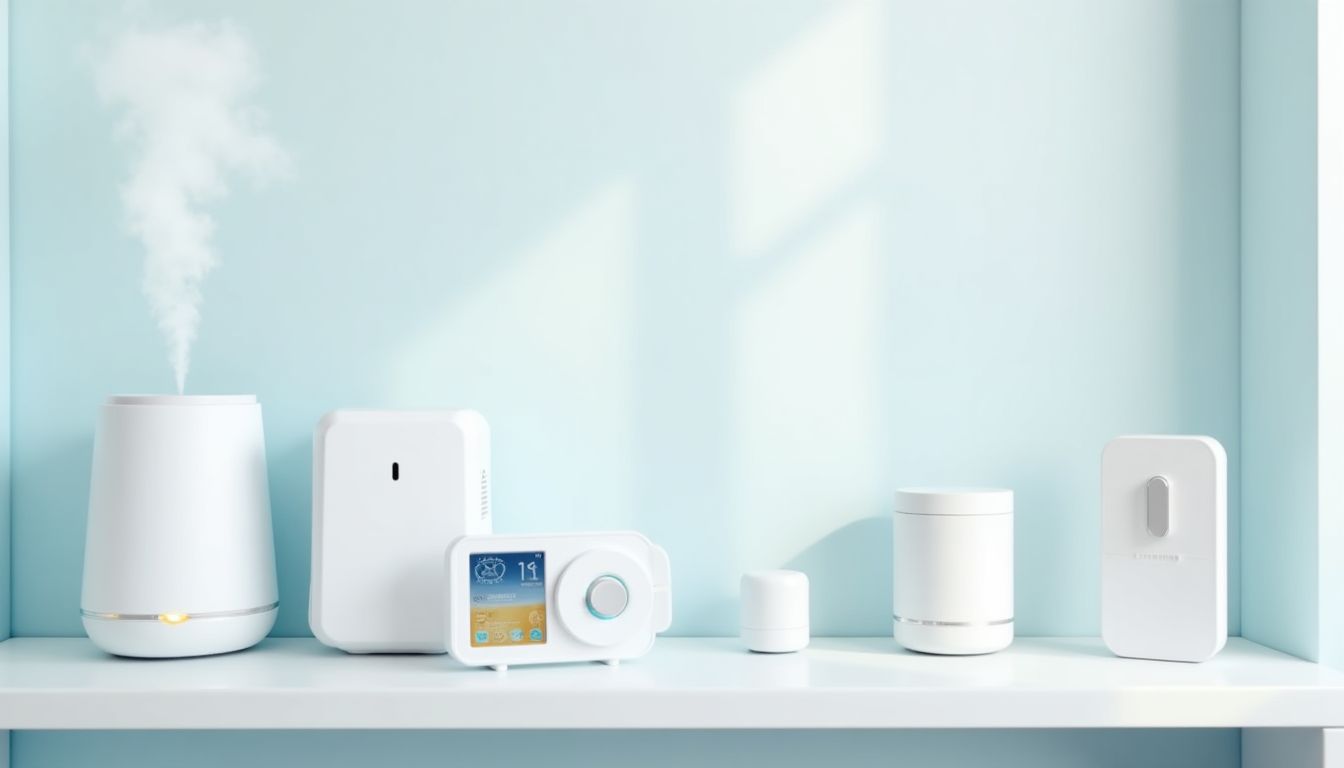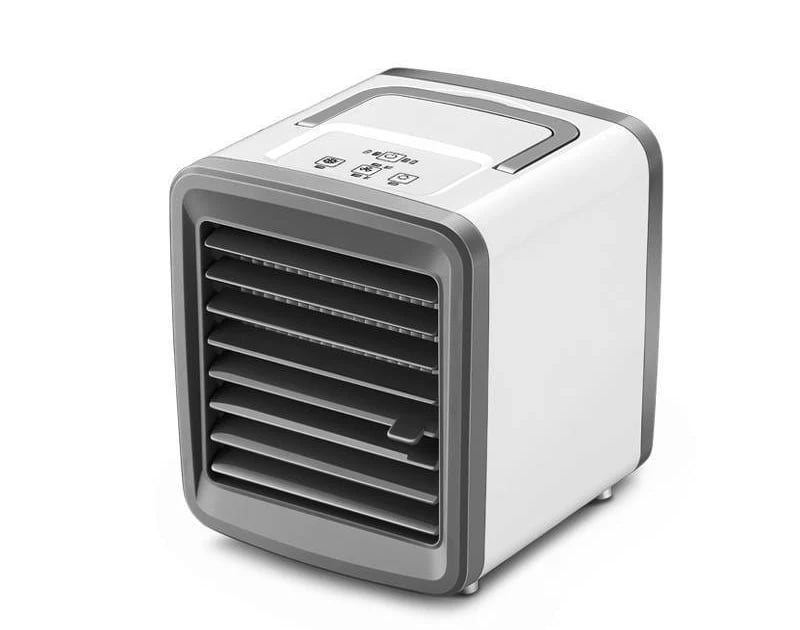
The modern climate control equipment market increasingly offers multifunctional solutions, and one of the most interesting hybrids is the 2-in-1 air purifier with heating. This device combines filtration of dust, allergens, and microparticles with a fast room heating function. For residents of city apartments, where space is limited and the air during the heating season becomes too dry and dusty, such a combination looks particularly attractive. However, can one device perform two fundamentally different tasks equally well? After analyzing open sources, the ComfortShop editorial team highlights the key advantages and hidden nuances that should be considered before buying a heater with air purification for your own home.
Article Contents
Operating principle of hybrid devices
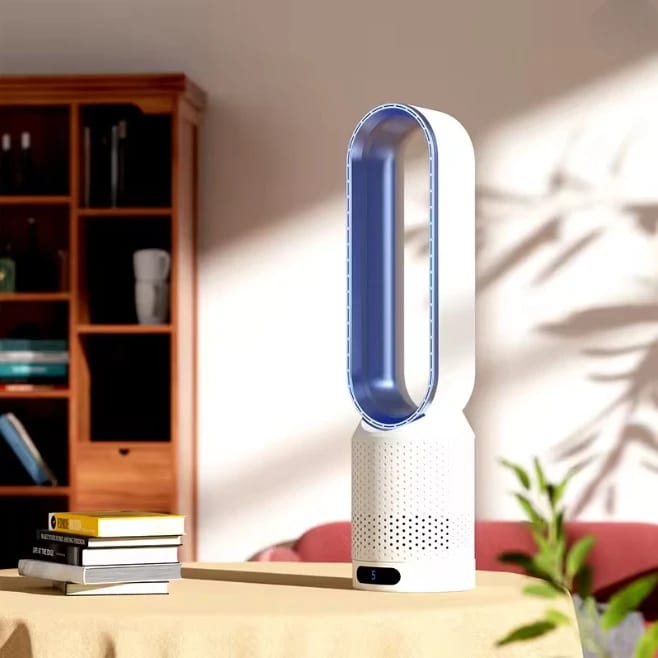
The main feature of 2-in-1 climate control equipment is the presence of two independent but structurally combined systems. Air from the room is drawn in through the rear or side grille, passes through a filter system — usually a combination of pre-filter, HEPA, and carbon elements — and is then supplied to the heating unit already purified.
The heating element in such models is most often ceramic, since it quickly reaches operating temperature and does not burn oxygen. After contact with the heater, warm air is evenly distributed throughout the room using a built-in fan. It is important to understand that in this cycle, both functions depend on a single airflow: the heating intensity directly affects the filtration speed, and vice versa.
Manufacturers often equip such devices with additional air quality sensors and thermostats. This allows the automation to independently regulate power based on current readings, making the use of an air purifier with heating as energy-efficient as possible.
Key advantages of the 2-in-1 format
The main argument in favor of choosing this is significant space savings. Instead of two separate bulky appliances, the user gets one compact unit that can easily fit even in a small bedroom or children's room. This format also eliminates the need to find two separate outlets and worry about cord crossings.
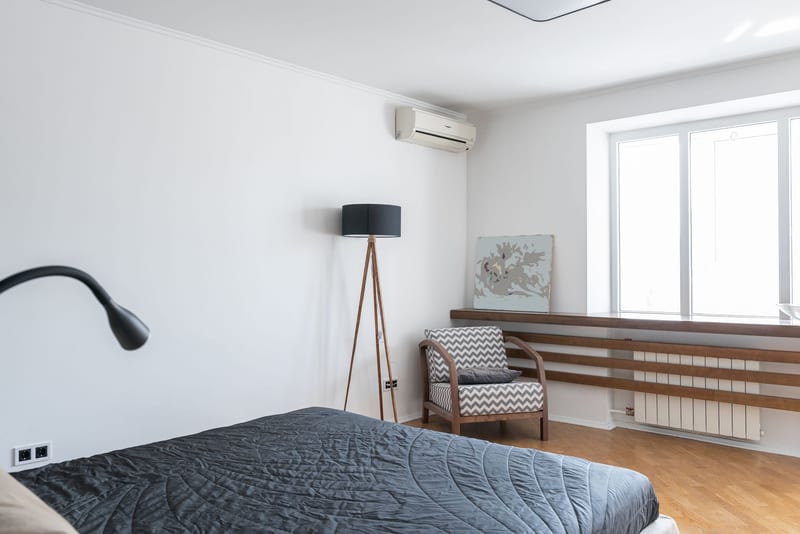
The second significant advantage is the synergy of processes. In winter, when windows are closed, the concentration of dust and carbon dioxide increases, and central heating radiators dry out the air. A switched-on 2-in-1 air purifier with heating simultaneously neutralizes these problems: it traps allergens and produces gentle warmth without the effect of a burnt-out coil.
Based on the analysis of specifications, ComfortShop recommends paying attention to models that provide separate mode switching. This allows using only purification during the off-season without spending electricity on heating, and in winter — combining both functions.
What to pay attention to before purchasing
Before buying a heater with air purification, it is worth critically evaluating the technical parameters. The most important one is the coverage area. Purification performance is measured in cubic meters per hour (CADR), and for effective operation, the device must pass the entire volume of air in the room at least 2-3 times per hour. If the room area exceeds what the manufacturer claims, filtration will be nominal.

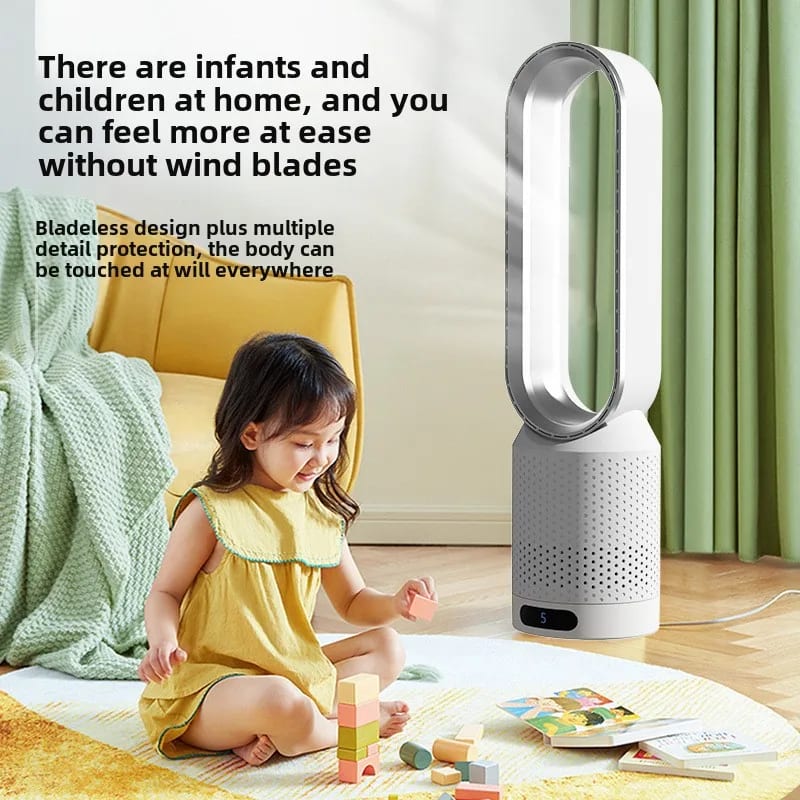
The second critical point is the type of filters and the cost of their replacement. Most air purifiers with heating use multi-layer systems where the HEPA filter lifespan ranges from 6 to 12 months. According to the ComfortShop editorial team's recommendation, before purchasing, it is worth checking the availability of replacement cartridges in open sale, since unique filters for less common brands can cost almost half as much as a new device.
Also consider the noise level. Since the fan operates constantly in the design, the hum may be noticeable in night mode. A comfortable indicator for a bedroom is considered to be up to 30-35 dB at minimum speed.
Review analysis: what users say
Studying reviews of air purifiers with heating on various platforms, several persistent trends can be noticed. Owners of compact studio apartments almost unanimously note the convenience of the format: the device addresses two pressing issues at once — cold from the window and dust from central ventilation. Models with an auto-rotation function, which improves heat circulation, are rated especially positively.
At the same time, reviews of air purification devices with heating often mention remarks regarding heating power. Hybrid models are rarely capable of serving as the primary heat source in severe frosts — they are more of an additional comfort heater for the off-season or spot heating. Users from private homes sometimes complain that they expected greater heat output, not taking into account that part of the fan's energy is spent on pushing air through dense filters.
Another common comment concerns maintenance. If the pre-filter is not cleaned at least once every two weeks, heating performance noticeably drops because the airflow weakens. This confirms the thesis that a hybrid requires a bit more attention than two separate devices.
Comparison with separate devices
To understand whether it is worth overpaying for 2-in-1 climate control equipment, it is enough to compare it with a set of two separate budget devices. A separate ceramic heater usually has higher thermal output for the same money, while a standalone purifier has a larger filtration area and a quieter night mode. However, their total cost is often higher, and the space occupied is larger.
The hybrid wins where aesthetics and minimalism matter. Instead of two plastic bodies of different designs, you get one stylish device that organically fits into the interior. In addition, a single control unit and one remote control simplify daily use.
From an energy consumption standpoint, the difference is insignificant. Both approaches consume approximately the same number of kilowatts, since the main consumer is the heating element, while the fan and control board consume a minimum. Therefore, the choice comes down more to the usage scenario than to pure savings.
Selection and operation recommendations
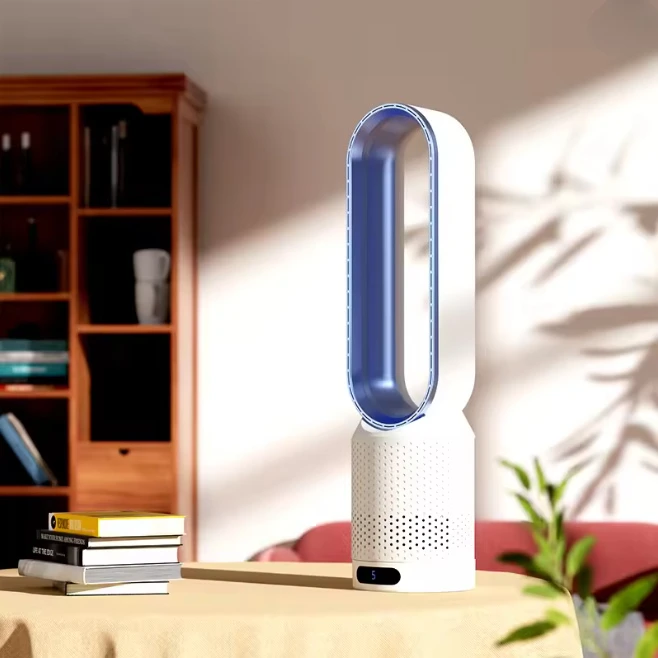
If you have finally decided that you need exactly a 2-in-1 air purifier with heating, approach the selection with clear criteria. First, determine the priority: if the main goal is clean air, look for a model with an extended set of filters (including HEPA class H13 and a carbon layer) and a high CADR rating. If heating is more important, look at the maximum power in watts and the presence of a thermostat.
Practical tips for long-term device service.
Second, consider the maintenance specifics. Dust deposits on the heating element not only reduce efficiency but can also cause an unpleasant odor. Once a month, blow out the radiator grille with compressed air or a vacuum cleaner with a narrow nozzle. And never ignore the filter replacement indicator — a clogged HEPA element forces the motor to work at its limits, which accelerates its wear.
Conclusion:
The 2-in-1 air purifier with heating is a well-considered solution for those who value compactness, functionality, and do not want to clutter their space with multiple appliances. It is ideal for supplementary heating and maintaining air cleanliness in city apartments, especially in children's rooms and bedrooms. However, you should not expect the power of a full-fledged heat gun or the performance of a premium professional purifier from it. According to the ComfortShop editorial team's recommendation, before buying a heater with air purification, carefully match the room area with the model's specifications and ensure the availability of replacement filters — this will guarantee that your 2-in-1 climate control equipment will serve for a long time and without complaints.
Frequently Asked Questions
How does a 2-in-1 air purifier with heating differ from a regular heater?
The main difference is the presence of a filtration system that traps dust, allergens, and fine particles, whereas a regular heater simply warms the air without purifying it.
Is a heater with air purification effective in winter for a 20 sq. m room?
Yes, most 2-in-1 climate control equipment models are designed for areas of 15–30 sq. m and can maintain a comfortable temperature, but for severe frosts it is better to choose models with a power of 1500 W or more.
How often do filters need to be changed in an air purifier with heating?
Typically, a HEPA filter lasts 6–12 months, and a carbon filter lasts 3–6 months, depending on the intensity of use and the level of air pollution in the room.
Is it safe to leave an air purification device with heating on overnight?
Yes, modern models have automatic shut-off on overheating, tilt sensors, and a night mode, so they can be safely used during sleep.