Home Weather Station: A Complete Guide for Beginners
Introduction
Imagine waking up in the morning, looking out the window — clouds or sun? But instead of guessing or checking the general weather forecast online, you simply glance at a display in your home. And you know not only the temperature, but also the humidity level, wind speed, chance of precipitation, and even the UV index. That is exactly how a home weather station works.
Today, when climate change and weather anomalies have become commonplace, having a personal source of accurate weather data at hand is no longer a luxury but a necessity. Home models have become compact, affordable, and easy to use.
What is a Home Weather Station
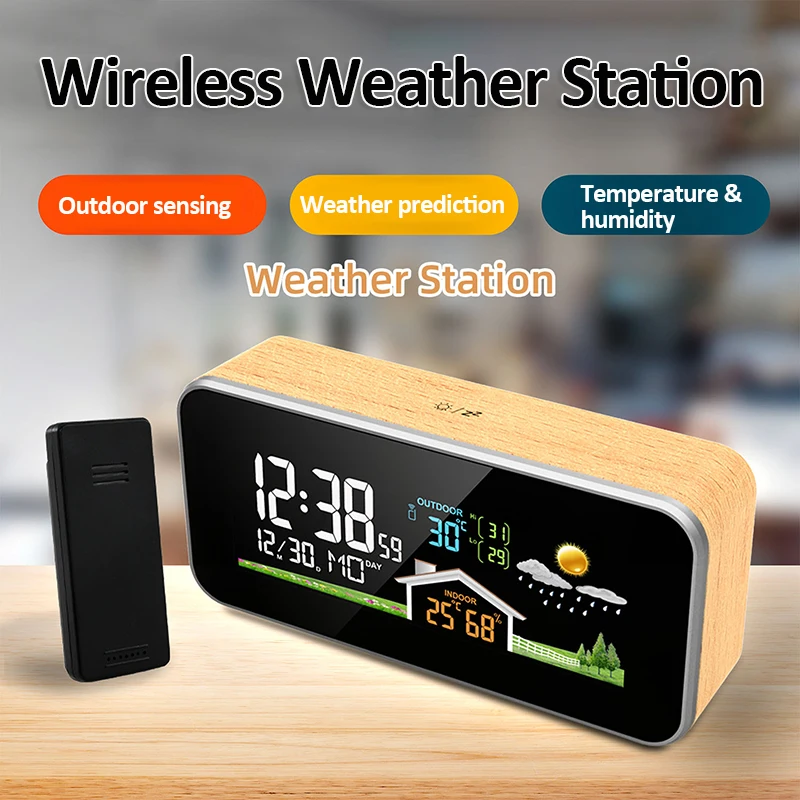
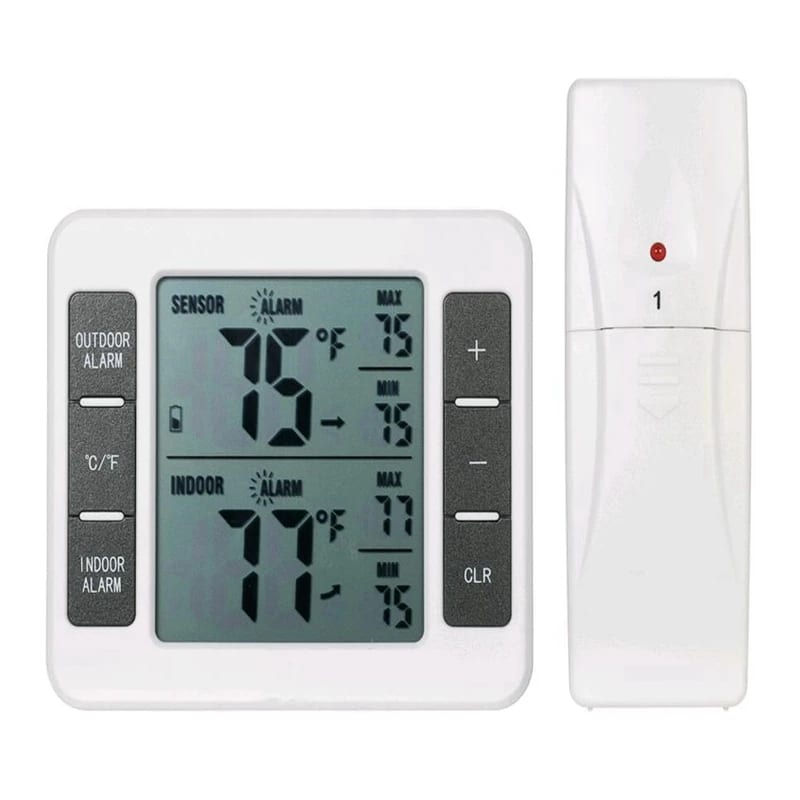
A home weather station is a compact device that allows you to monitor weather conditions at your location in real time. It collects data using sensors placed inside and outside the home and displays the information on a screen or in a smartphone app.
What does a home weather station measure?
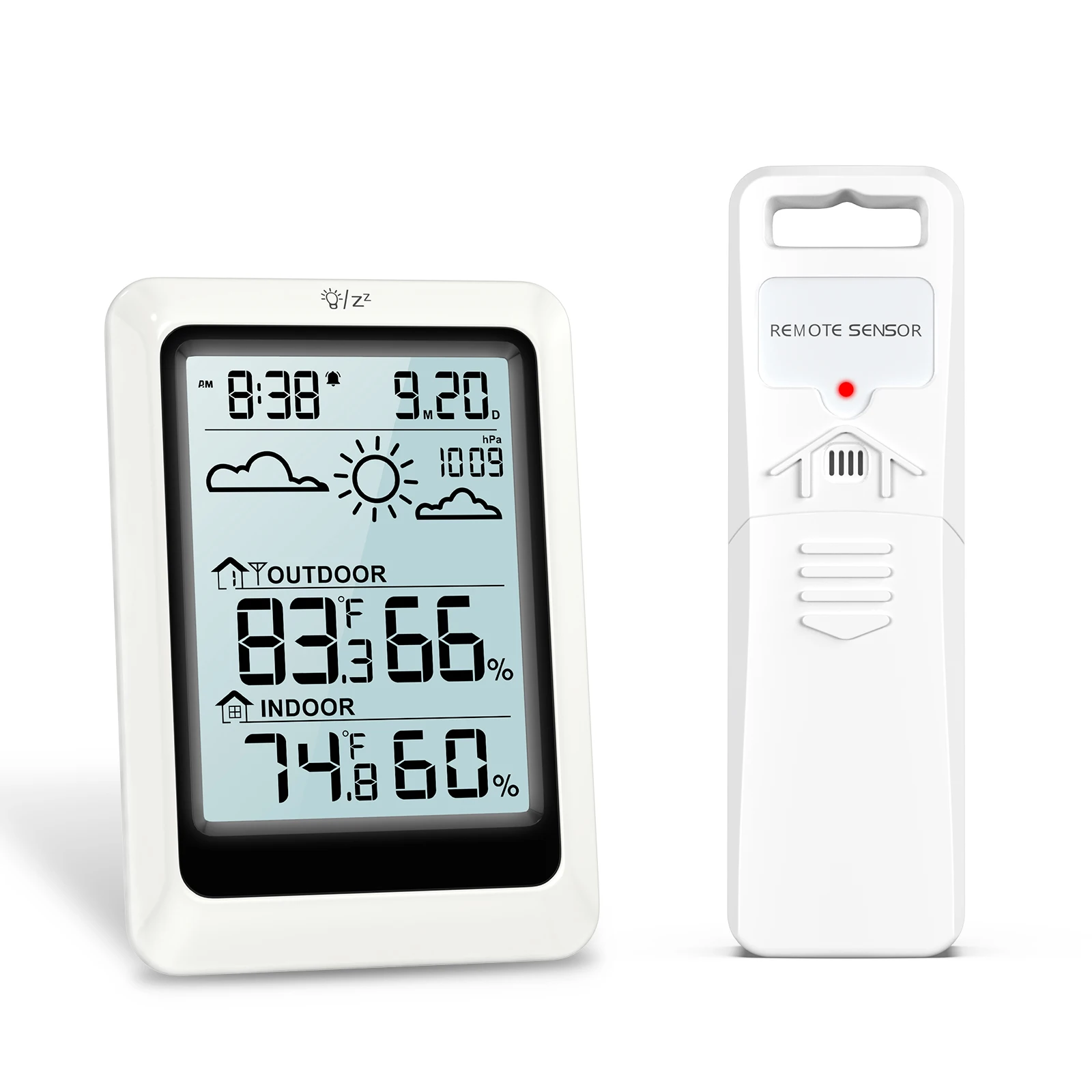
Home weather stations typically measure:
- Temperature (outdoor and indoor)
- Humidity
- Atmospheric pressure
- Wind speed and direction
- Precipitation amount
- Sometimes: UV index, dew point, CO2 level
The cost of such devices varies — from budget models priced at 1000–1500 UAH to "smart" weather stations with Wi-Fi for 5000+ UAH.

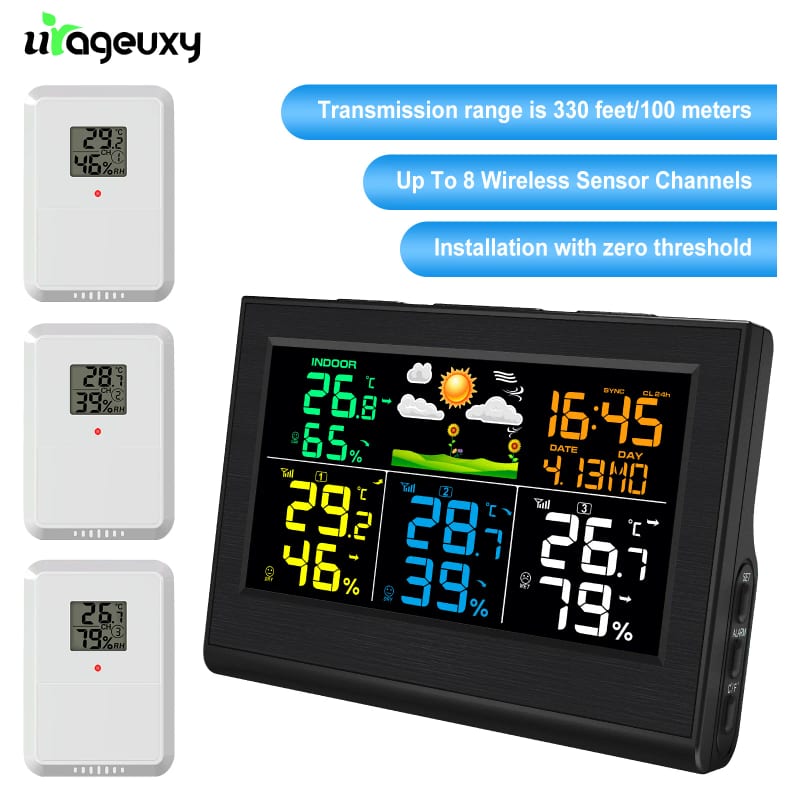
Why You Need a Home Weather Station
Forecasts in apps are often approximate and do not account for the specifics of your location. A home weather station solves this problem by providing an accurate picture of the real weather in your immediate environment.
Practical examples of use:
- Gardening and farming — precise humidity levels and potential frosts help plan watering or plant protection correctly
- Tourism and outdoor activities — for cyclists, anglers, or those planning trips outside the city
- Home energy efficiency — control of heating, air conditioning, avoiding unnecessary expenses
- Allergies and health — some models display dust, CO2, or UV levels
Additionally, weather stations often become part of a "smart home" — for example, automatically turning on a humidifier when humidity drops.