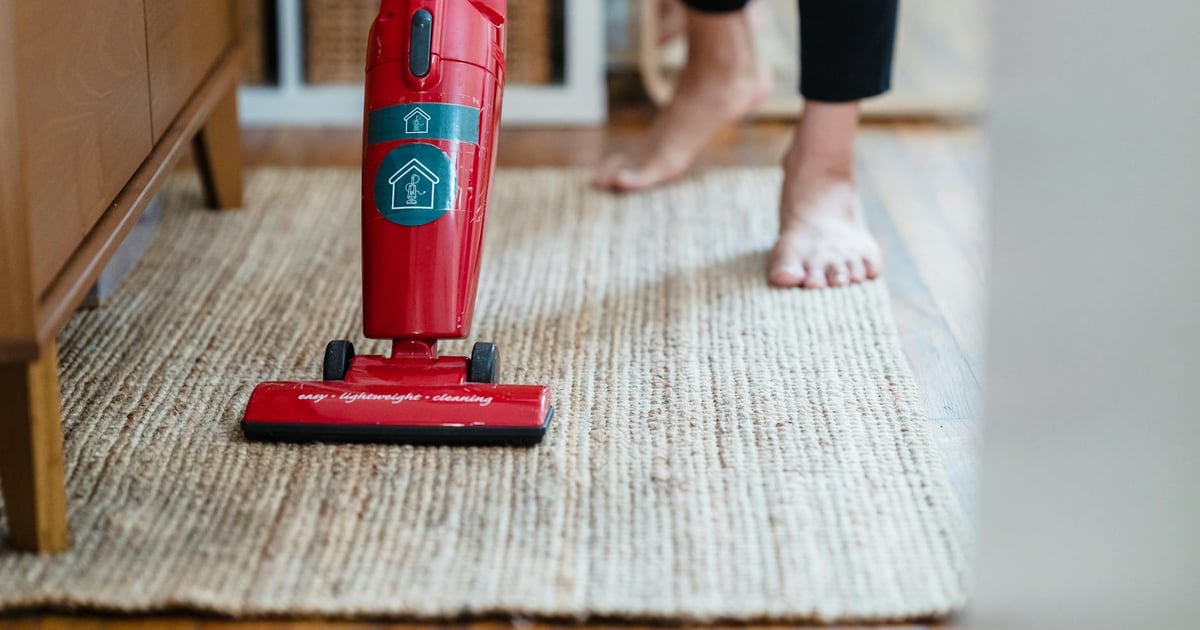
Pet owners know that fur, feathers, and sand are constant companions of a cozy home. A regular vacuum cleaner often can't handle such a load: fur gets tangled on the brush, filters clog within a few weeks, and fine dust from litter remains in the air. Choosing a specialized device becomes key to maintaining cleanliness and a healthy indoor climate. An effective vacuum cleaner for pets should not just suck up debris, but systematically combat its sources, protecting both the appliance and the health of the entire family.
? Table of Contents
Key Features of a Vacuum Cleaner for Pets
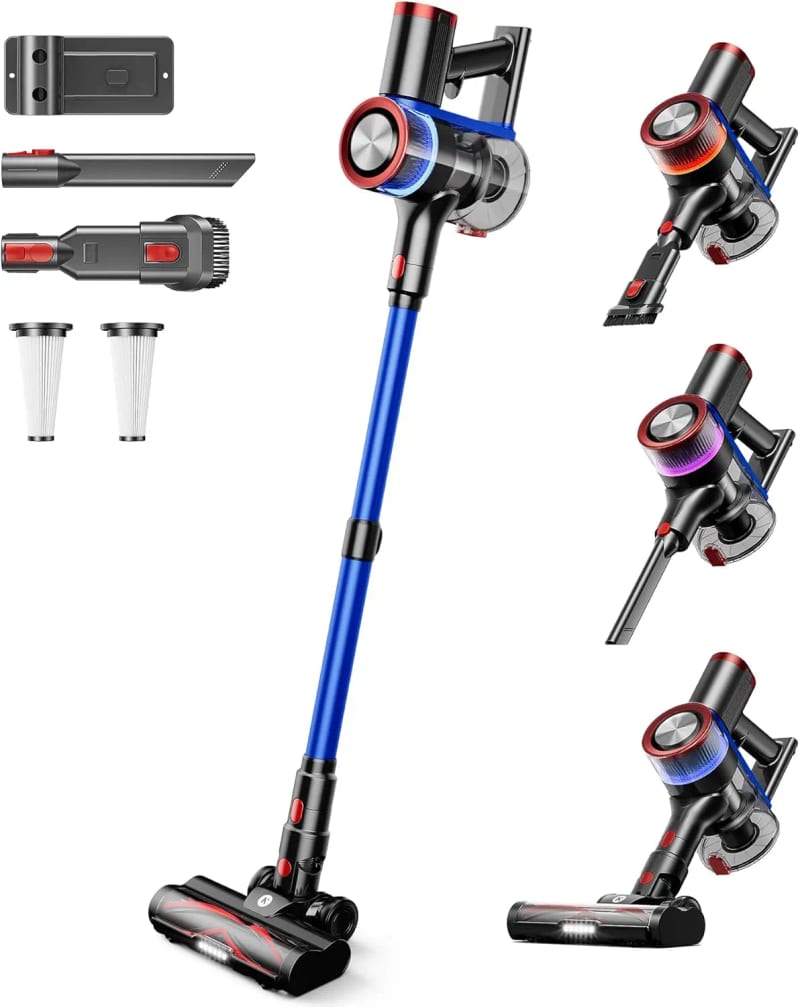
Before looking at brands or design, it's worth understanding the technical parameters that determine effectiveness. Suction power (air watts) and system airtightness are the main factors. For fur and sand, a stable airflow is needed that doesn't weaken even when the container is full.
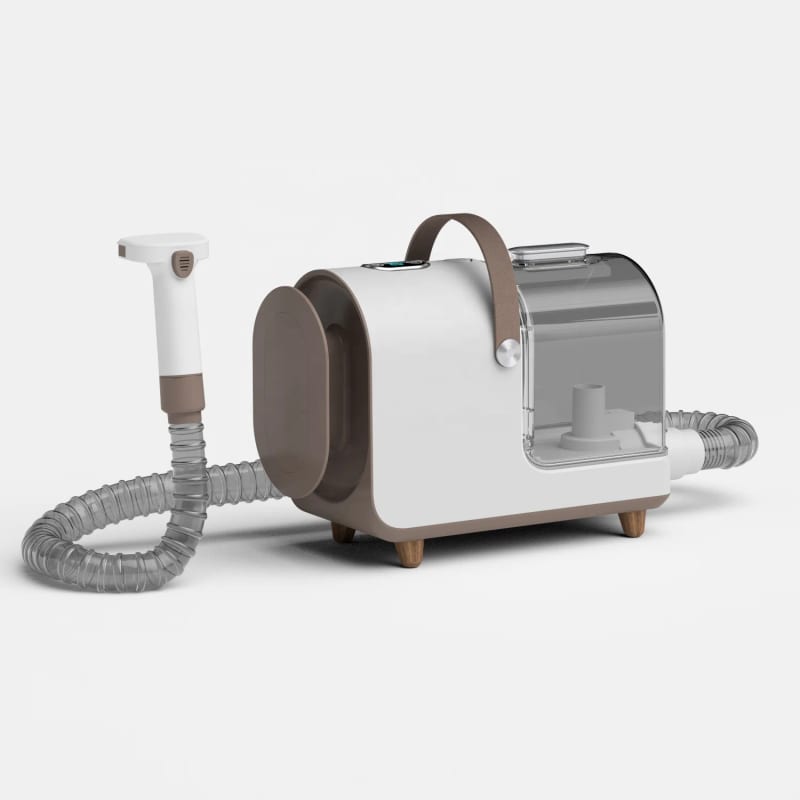
The type of filtration is the most important aspect for allergy sufferers. The system must retain the smallest particles.
Vacuum cleaners with HEPA filters of class H13 or H14 trap up to 99.95% of allergens, preventing them from being released back into the room. Also, pay attention to the presence of a water filter, which binds dust and fur in water, preventing them from scattering.
Types of Vacuum Cleaners and Their Features
Several main types of devices are available on the market, each with its own advantages for specific conditions. Stick vacuum cleaners are lightweight and maneuverable, ideal for quick daily cleaning of carpets and fur from surfaces. However, their dust capacity is often small.
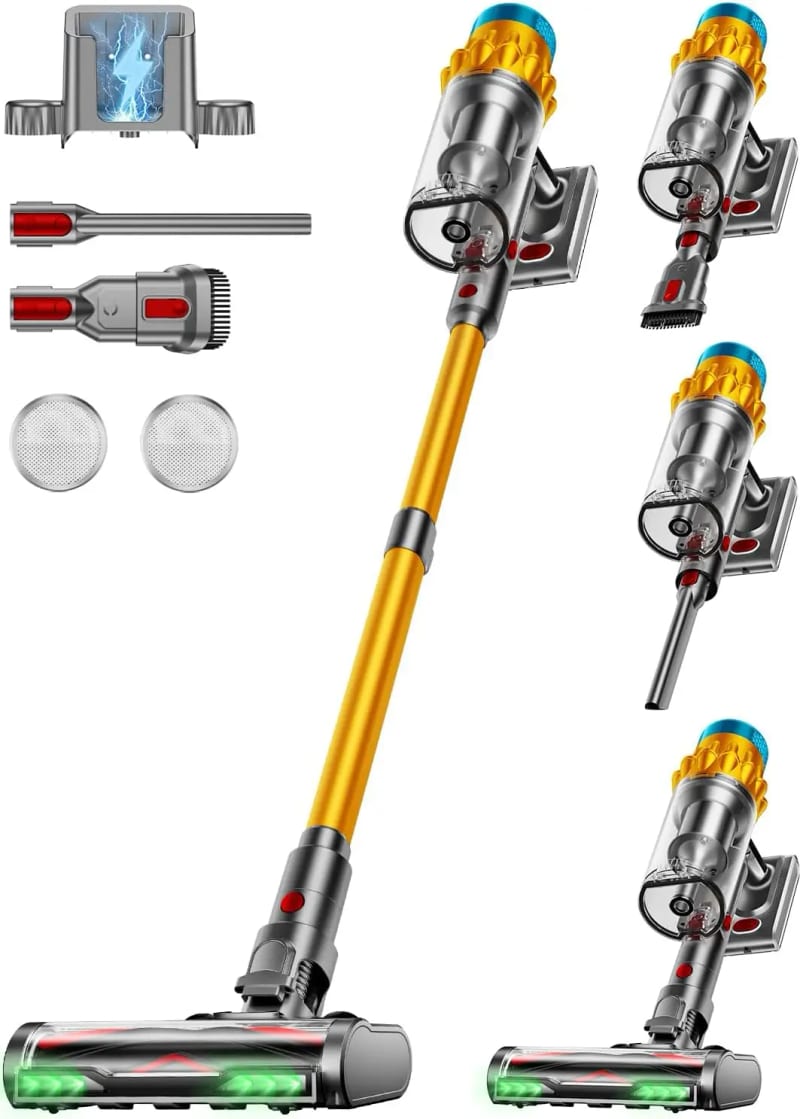
Classic vacuum cleaners with a bag or container (cyclones) offer powerful suction and a large volume for collecting debris. They are versatile for all surfaces but can be bulky.
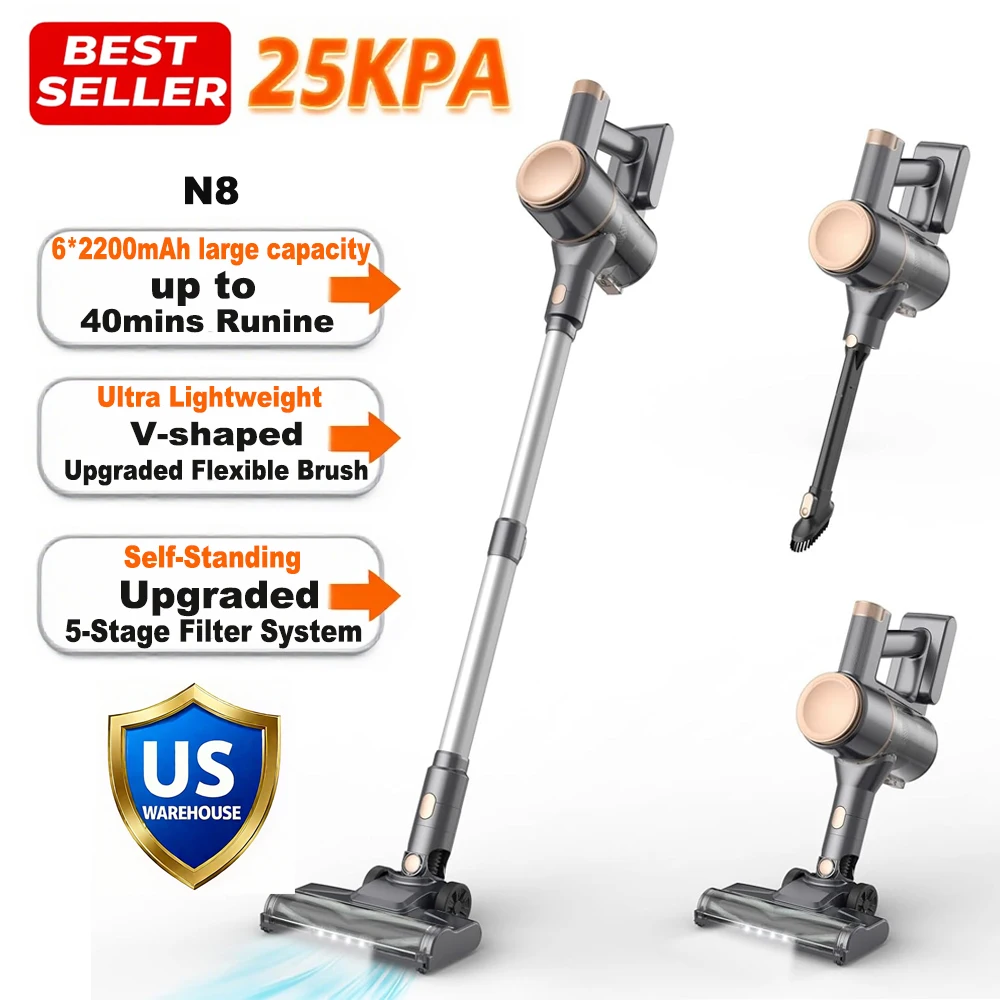
Robot vacuum cleaners with a mopping function become an excellent addition for maintaining cleanliness between deep cleanings. For a comprehensive solution, consider models with a steam cleaning function, which effectively disinfect surfaces.
Which type of vacuum cleaner to choose for pets?
If you have a large animal with thick fur and carpeted floors, prioritize powerful models with a container and HEPA filter. For an apartment with mostly hard floors and a small animal, a powerful stick vacuum or even a robot vacuum with a pet hair brush might suffice.
Set of Brushes and Attachments: What to Look For
The basic set is often insufficient. A turbo brush or electric brush is essential. Its mechanism, which rotates using airflow, effectively combs out fur from carpets and upholstered furniture without tangling.
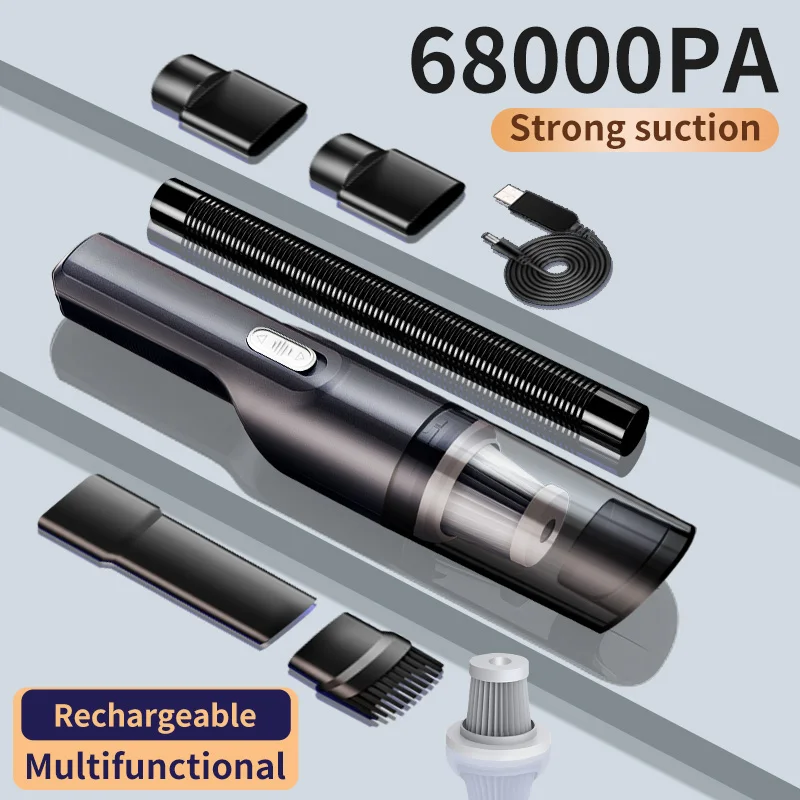
You will also need specialized attachments: for furniture (with long bristles or a crevice tool), for stairs, and for cleaning car seats. A practical option is adjustable suction power on the handle or hose itself, which prevents damage to delicate fabrics.
Make sure the attachments are made of high-quality plastic that won't scratch surfaces, and that their connection to the hose is secure. Some manufacturers offer special antibacterial coatings on attachments.
Common Mistakes When Choosing and Their Consequences
The first and most common mistake is skimping on filtration. Regular fabric bags or basic filters allow fine dust and allergens back into the air, worsening allergy symptoms in both people and animals.
The second mistake is ignoring ease of maintenance. If the container is difficult to wash and the filters cannot be cleaned, the device will quickly lose efficiency and become a source of unpleasant odors. Choose models with easily removable and washable components.
The third mistake is focusing only on maximum power (watts), which is often indicated on the body. This is the motor's power consumption, not suction efficiency. Look at the parameter air watts (AW) — it objectively reflects suction power.
Step-by-Step Plan for Choosing the Ideal Vacuum Cleaner
To approach the purchase systematically, follow an algorithm. First, assess your conditions: the type of flooring in your home (number of carpets), the breed and number of animals, and the presence of allergy sufferers.
Step 1: Determine your budget and device type (stick, canister, robot). Step 2: Eliminate models without the mandatory minimum — a HEPA H13/H14 filter and a turbo brush included. Step 3: Compare useful parameters: power in air watts (AW), container volume, hose and cord length, noise level.
Step 4: Read reviews, paying attention specifically to the experience of pet owners. Step 5: Ensure the availability and cost of consumables (filters, bags) for the chosen model. This will save you time and money in the future.
Conclusion:
An effective vacuum cleaner for pets is an investment in a clean, allergen-free environment. Its selection is based on a powerful suction system, high-quality HEPA filtration, and the availability of specialized brushes for fur. Avoid the main mistake of focusing on overall power while ignoring the filter type and ease of use. A properly chosen device will significantly simplify home care and preserve the health of all its inhabitants, both two-legged and four-legged.