With frequent power outages, Ukrainians are increasingly thinking not only about backup power for gadgets but also about indoor air quality. When windows are tightly closed and ventilation is not working, the concentration of dust, allergens, and carbon dioxide rises rapidly. Can an air purifier during a blackout become a lifesaving solution, or is it just another marketing myth? Following the recommendation of the ComfortShop editorial team, it is worth understanding the technical nuances of how such devices operate without access to the grid.
? Table of Contents
Does a regular air purifier work without electricity?
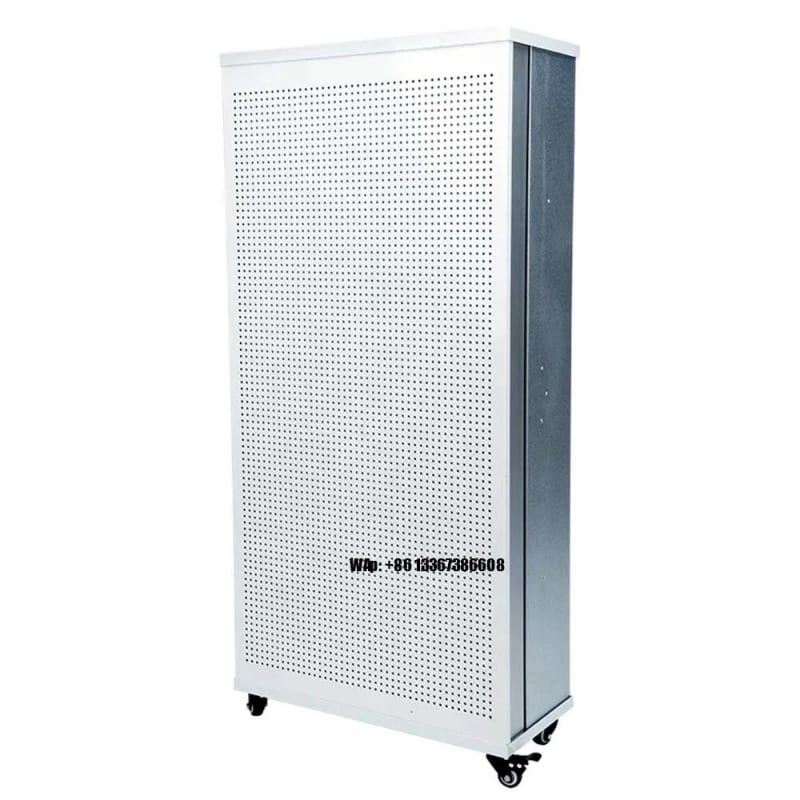
The vast majority of household air purifiers are powered exclusively from a 220V electrical grid. They are equipped with a fan that pushes air through a filter system, and without voltage, this process stops. Thus, a regular device turns into just a plastic case with no function.
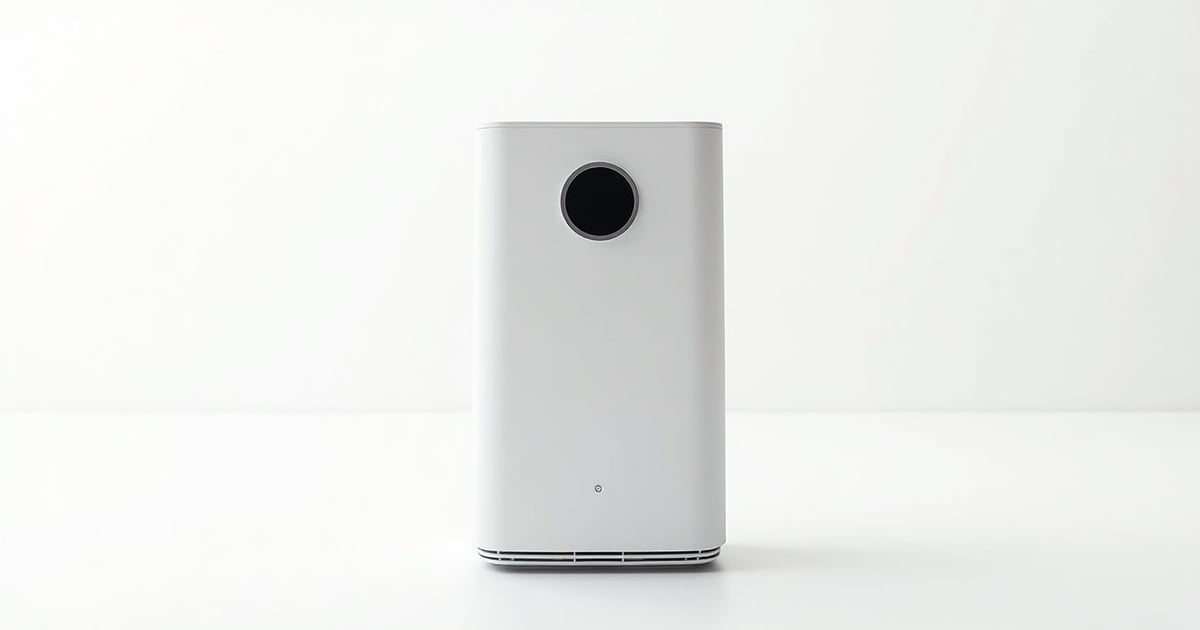
However, there is a category of devices that can operate autonomously. These are models with a built-in battery or those that support power from a USB Power Bank. That is why, when choosing an air purifier for a home without electricity, you should pay attention to the availability of a backup power source.
Autonomous air purifier: what options are available?
The market offers several types of devices capable of operating during a blackout. The first is portable, low-power models powered by a built-in lithium-ion battery. They last for 4-8 hours of operation depending on the fan speed.
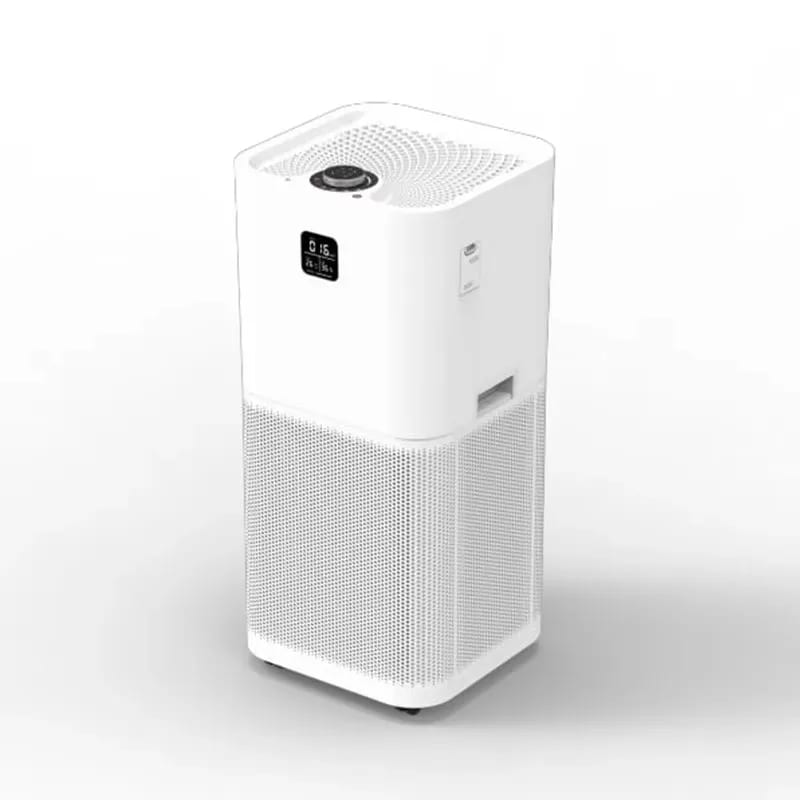
The second option is hybrid stations or devices with the ability to connect an external battery. Some manufacturers, whose products can be found in the klimat-tehnika air purifier range, offer models with a Type-C connector for power from a power bank. The third, rarest option, is mechanical purifiers without a fan, which work on the principle of natural convection, but their efficiency is significantly lower.
What to look for when choosing a model for autonomous operation
ComfortShop experts advise checking three key parameters before purchasing. First, the type of filtration: HEPA filters are best suited for autonomous operation, as they effectively trap dust and allergens even at low fan speeds. Second, the noise level: during sleep, the device should operate quietly, not exceeding 25-30 dB.
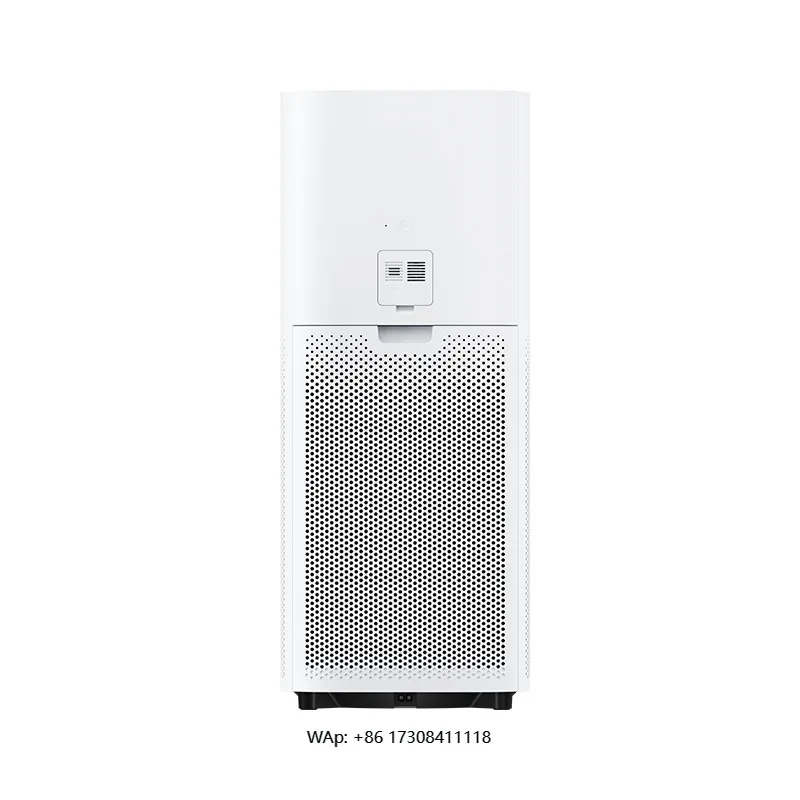
Third, the battery capacity. If you plan to use an autonomous air purifier throughout the night, choose a model with a battery of at least 5000 mAh. It is also important to understand that at maximum speed, the operating time is halved, so it is better to have a capacity reserve.
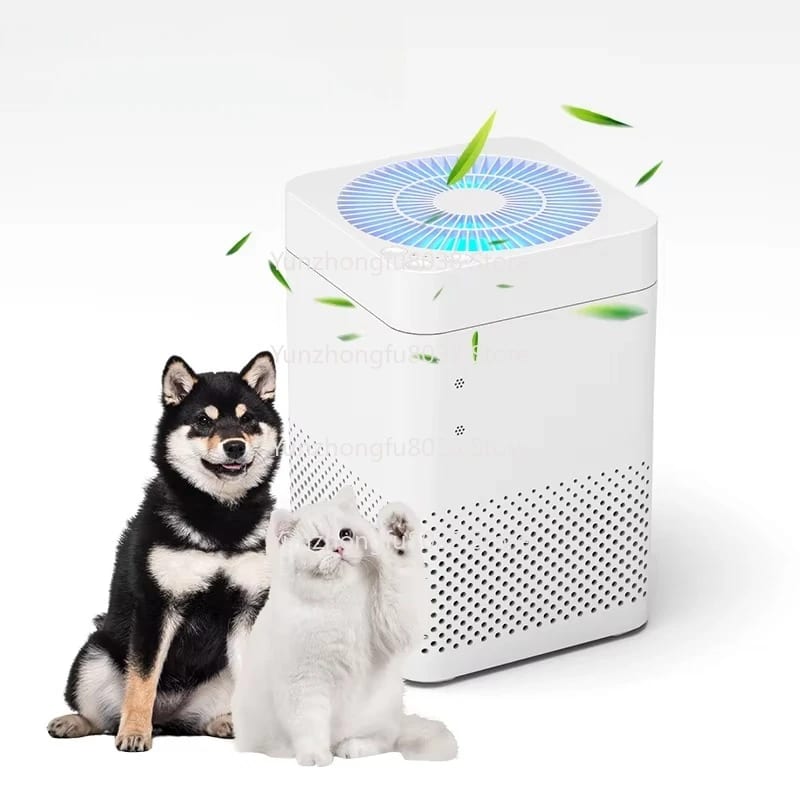
How to ensure the operation of a regular purifier during power outages.
If you already have a stationary device without a battery, do not write it off. The simplest solution is to purchase an uninterruptible power supply (UPS) or a portable power station. The power consumption of most purifiers does not exceed 30-50 W, so even a small 300 W UPS can ensure the device operates for 4-6 hours.
An alternative option is to use a 12V/220V car inverter together with a battery. However, such a system requires correct calculation of battery capacity and additional safety measures. For temporary use, this is a perfectly acceptable way to provide the necessary power to an air filter for a blackout.
Advantages of using a purifier during outages
During a blackout, we often open windows for ventilation, which leads to the penetration of street dust, smog, or pollen. An autonomous purifier allows you to keep windows closed, retaining heat in winter and coolness in summer. Additionally, it reduces the risk of allergic reactions and makes breathing easier.
Using an air purifier during a blackout is especially important in rooms where candles or gas burners are operating. Combustion products, particularly carbon monoxide (CO) and soot, settle in the air, and a high-quality HEPA filter with a carbon layer helps reduce their concentration. This significantly increases safety in enclosed spaces.
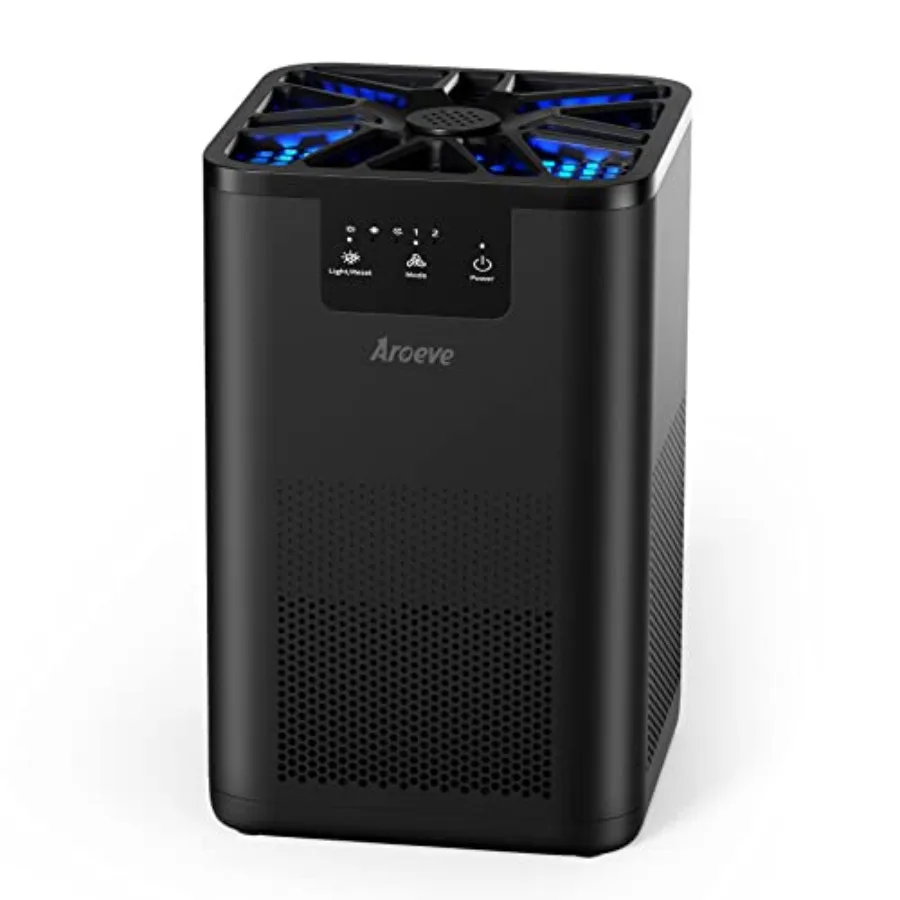
Disadvantages and limitations of autonomous models
The main drawback is limited performance. Portable purifiers with a battery are typically designed for areas up to 15-20 square meters. Their power may be insufficient for a large room or studio. It is also worth considering that at maximum speed, the operating time decreases sharply.
The second disadvantage is cost. Models with a high-quality battery and HEPA filter cost 30-50% more than regular analogs. Furthermore, battery capacity decreases over time, and after 2-3 years, replacing the battery or the device itself may be necessary. However, for many users, these compromises are acceptable for the sake of clean air.
Conclusion:
An air purifier during a blackout is not a luxury but a practical tool for maintaining health in conditions of unstable power supply. If you often suffer from allergies or have children at home, it is worth investing in an autonomous model or providing backup power for an existing device. ComfortShop experts recommend choosing models with a HEPA filter and a battery capacity of at least 5000 mAh for nighttime use. Remember, quality air is the foundation of your comfort and health, even in the most difficult times.
Frequently Asked Questions
Does an air purifier work during a blackout without electricity?
Yes, but only autonomous models with a battery or those that operate from a power bank will be able to function during a power outage.
Which air purifier should I choose for a home without electricity?
Choose portable devices with a built-in battery, for example, models from klimat-tehnika, which provide air filtration for up to 6-8 hours without recharging.
Can I use an air filter for a blackout in a closed room?
Yes, it is even recommended, as during a blackout, the level of dust and CO₂ increases due to candles and generators, and the purifier helps maintain clean air.
How to charge an autonomous air purifier if there is no electricity?
Charge it in advance from an outlet, and during a blackout, use a power bank, solar panel, or car adapter.