Recently, more and more Ukrainians are thinking about the air quality in their homes. Among the variety of climate control equipment, devices that combine mechanical cleaning and ionization functions hold a special place. Is it really worth overpaying for the presence of an anion generator, or is it just a marketing ploy? Let's try to figure this out based on real user experience. Following the recommendation of the ComfortShop editorial team, we have gathered the opinions of owners of such devices and analyzed how they work in typical apartment conditions.
? Table of Contents
How an air purifier with an ionizer works: technical minimum
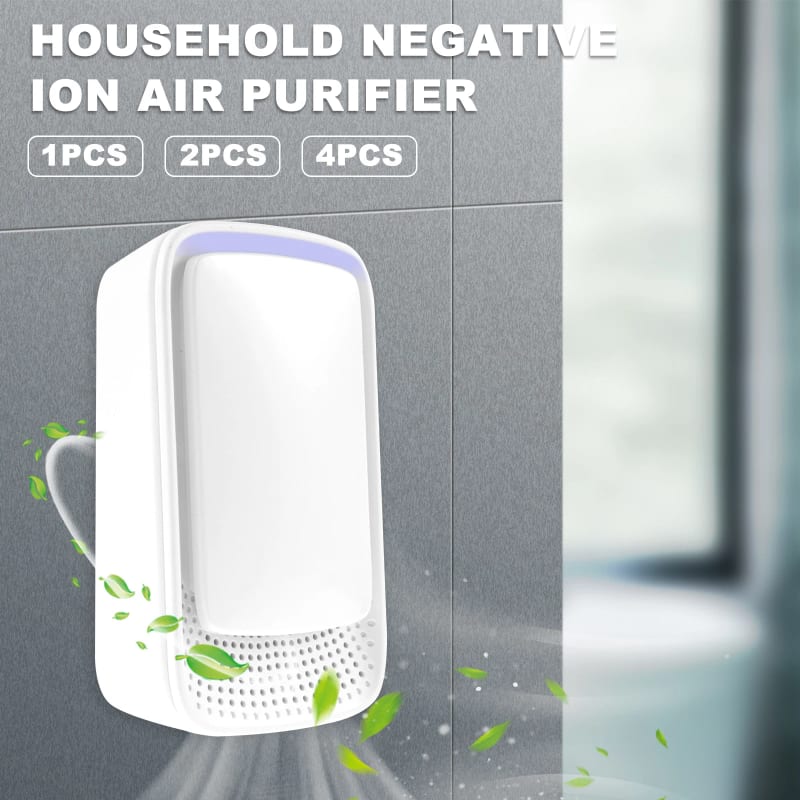
Any modern air purifier with an ionizer performs two tasks: it traps mechanical particles (dust, fur, pollen) using filters and saturates the air with negatively charged ions. According to manufacturers, ionization is meant to neutralize positively charged particles, making the air feel "fresh," like after a thunderstorm.
In practice, as reviews show, the effectiveness of such a tandem depends on the power of the ion generator and the quality of filtration. Cheap models often have a weak ionizer that does not produce a noticeable result, while in the premium segment, this function truly changes the microclimate. For example, the experience of using an air purifier with an ionizer shows that in rooms up to 25 square meters, the effect is noticeable within 20 minutes of operation.
Does ionization replace ventilation?
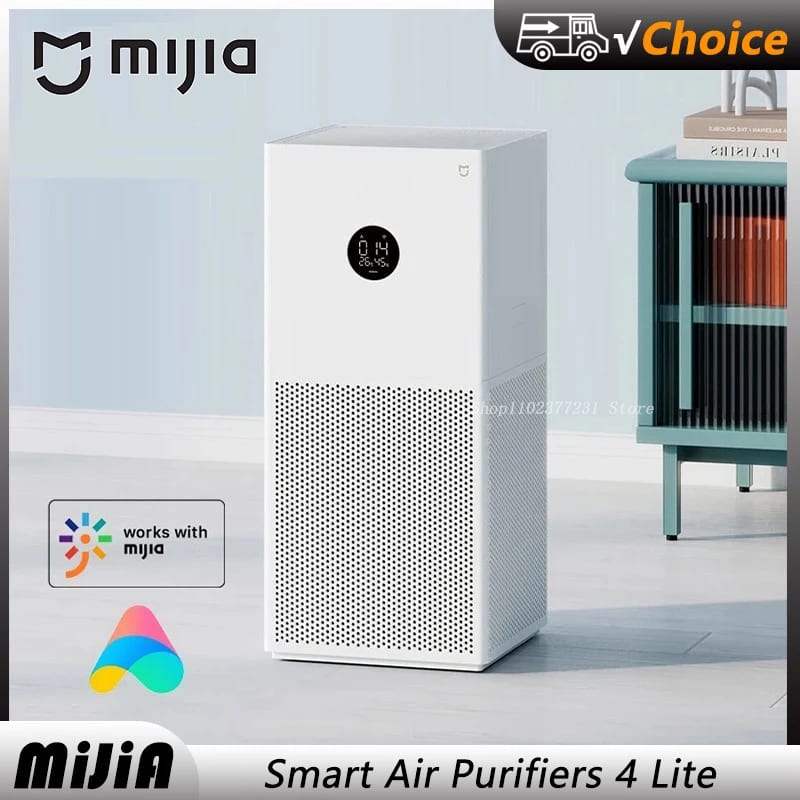
It is important to understand: no device enriches the air with oxygen. Ionization only freshens the air mass but does not solve the problem of O2 deficiency. Therefore, despite the positive reviews of klimat tehnika air purifiers, ventilation remains mandatory. Experienced users advise turning on ionization only for 15-20 minutes after ventilating to "lock in" the freshness effect.
Real reviews: what owners say about cleaning and health
Analyzing reviews of air purifiers with ionizers, two key groups of users can be identified. The first group is allergy sufferers and asthmatics. They note that the device actually reduces the number of attacks, especially during the flowering season. The second group is people who complain about dry skin and a "heavy" head in the morning. For them, the ionization effect turned out to be a real lifesaver.
Many compare the feeling after the device operates to being near the sea or in a pine forest. However, there are also skeptics who did not notice a difference. As a real review of an air ionizer shows, the result strongly depends on the initial state of the air. In a dusty room with old furniture, the effect will be much more noticeable than in a new building with good ventilation.
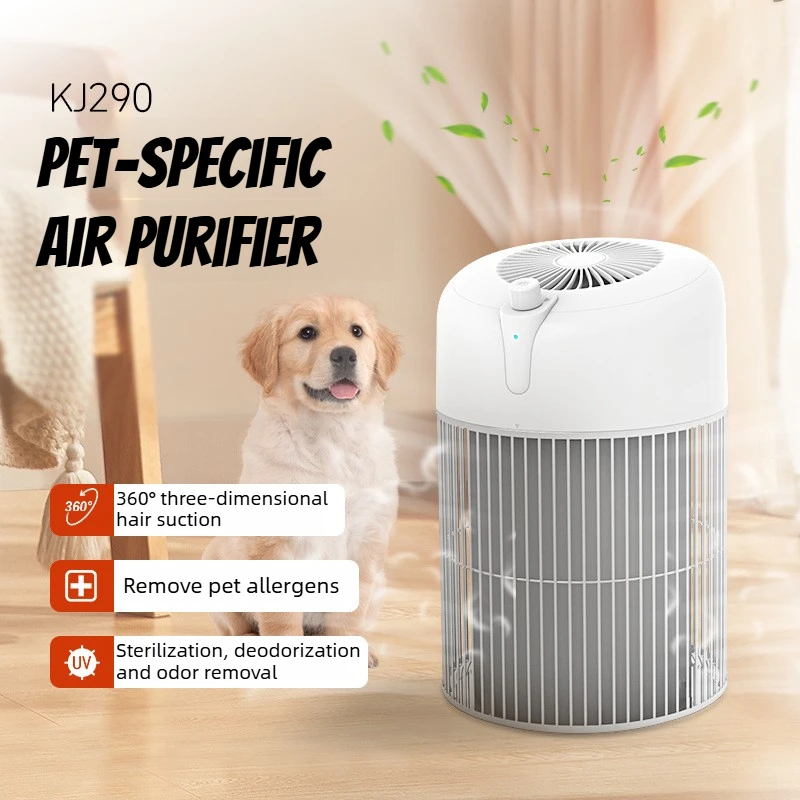
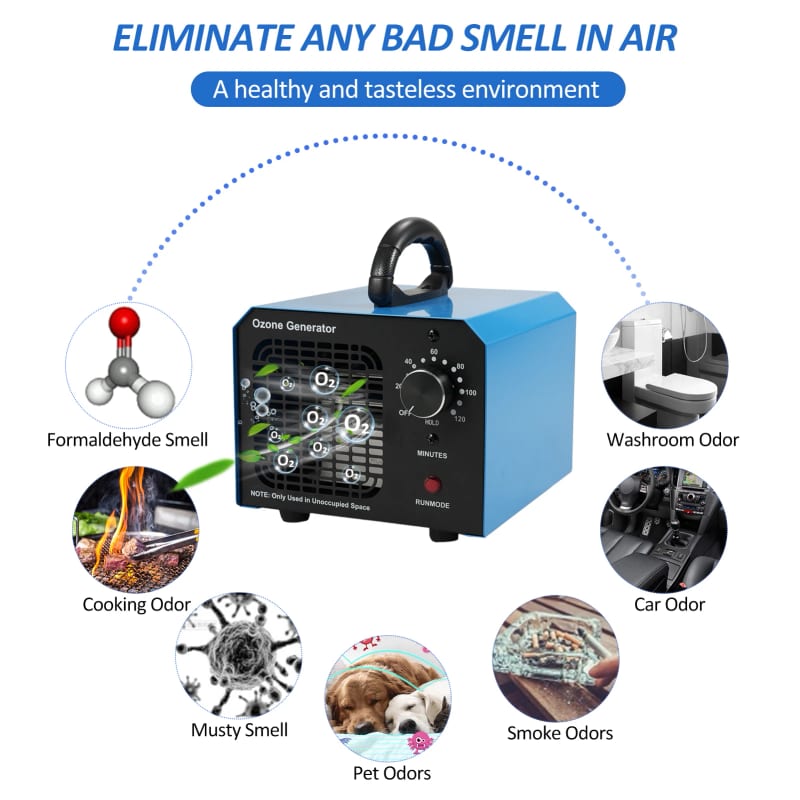
Side effects: what manufacturers keep silent about.
Some users complain about headaches after prolonged use of the ionizer. This is related to the formation of ozone, a byproduct of the ionizer's operation. In high-quality models recommended by ComfortShop, the ozone level is controlled and does not exceed the norm, but in cheap Chinese analogs, this parameter can be dangerous. Therefore, an air purifier for home with ionization must be certified.
Operating experience: filters, noise, and maintenance
Real experience shows that the main expense is not the device itself, but the replacement filters. For example, a HEPA filter needs replacement every 6-12 months, and its cost can reach a third of the price of the purifier itself. The carbon filter, which is responsible for eliminating odors, lasts a little longer but also requires regular replacement.
Regarding noise, most modern models have a night mode that is practically inaudible. During the day at maximum speed, the device can create a background noise of 40-50 dB, comparable to a quiet conversation. For the bedroom, it is better to choose models with a noise level of up to 25 dB in night mode.
Air purifier with ionizer vs. regular: which to choose
If you live in the center of a metropolis or near a busy highway, an air purifier with an ionizer would be a more justified choice. It not only traps dust but also helps combat static electricity that accumulates on synthetic clothing and furniture. Reviews confirm that after ionization, dust settles much more slowly.
For small rooms, it is worth paying attention to compact models with combined filters. They are cheaper to maintain and take up little space. At the same time, for spacious living rooms, it is better to choose powerful devices with a separate ionization unit that can be turned on independently of the fan.
Selection tips: what to look for before buying
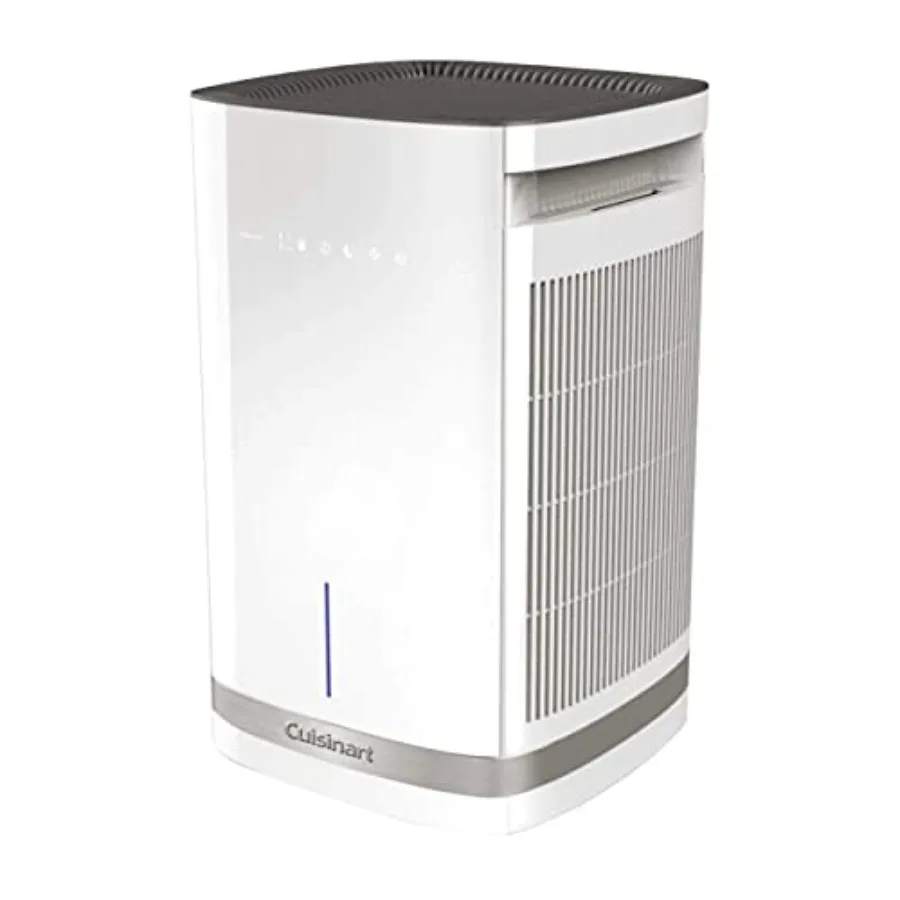
ComfortShop specialists advise paying attention to three key parameters before purchasing. First, the device's performance: it must match the room area. Second, the presence of an ionization intensity regulator — this will allow you to adjust the operation to specific needs. Third, the filter type: HEPA is mandatory for allergy sufferers, and carbon for smokers.
Do not chase the cheapest models. As practice shows, reviews of cheap devices often reveal problems with the casing's airtightness, causing untreated air to bypass the filter. It is better to choose a trusted brand with service centers in Ukraine.
Conclusion:
An air purifier with an ionizer is indeed a useful device that can significantly improve the quality of life, especially for people with allergies or those living in environmentally unfavorable areas. Real experience confirms that the effect of ionization is noticeable, but it is not a panacea and does not replace regular ventilation. Choose certified models with adjustable ionization intensity and high-quality filters — only then will you get clean and fresh air without harming your health.
Frequently Asked Questions
Does an air purifier with an ionizer really help with allergies?
Yes, with regular use and timely filter replacement, it effectively removes pollen, dust, and pet dander, which significantly reduces allergy symptoms.
Is an air ionizer harmful to humans?
Modern household models with certification (for example, from the Klimat Tehnika brand) emit ozone within safe limits, so with proper use, they do not harm health.
How often should the ionizer in an air purifier be cleaned?
The ionizer plates or needles should be cleaned with a damp cloth every 2-4 weeks; otherwise, cleaning efficiency drops and a sticky coating appears on the surface.
Can an air purifier with ionization be used in a child's room?
Yes, but choose models with an ionization shut-off function or a low ozone level to ensure maximum safety for the child's respiratory system.