Creating a healthy microclimate in your home is not just a matter of comfort, but also a guarantee of strong health and well-being. When temperature and humidity in a living space go beyond the norm, we quickly feel drowsiness, heaviness in the head, or dry skin. Based on an analysis of open sources, the ComfortShop editorial team notes that maintaining optimal indicators helps prevent the growth of mold, viruses, and dust mites. Let's take a detailed look at what the current state standards are and how to achieve an ideal atmosphere in every room.
Article Contents
- Why it is important to adhere to microclimate standards
- Temperature standards in an apartment for different rooms
- Optimal air humidity in an apartment: standards and reality
- Seasonal fluctuations: how to maintain balance all year round
- Technical solutions for an ideal microclimate
- Simple ways to correct without technology
- Conclusion:
Why it is important to adhere to microclimate standards
The human body is extremely sensitive to changes in the environment. If temperature standards in an apartment are violated, the thermoregulation system is forced to work overtime: in the cold, blood vessels constrict, and in the heat, they dilate, which puts extra strain on the heart. Children and the elderly, whose immune systems are more vulnerable, react especially acutely to this.
The level of moisture is an equally critical factor. Air that is too dry dries out the mucous membranes of the nasopharynx, depriving the body of its natural defense against bacteria. Conversely, high humidity creates an ideal environment for mold, whose spores can trigger chronic allergies and asthma.
According to the recommendation of the ComfortShop editorial team, the balance of air temperature and its moisture saturation should be controlled comprehensively, since these parameters are closely interconnected by physical laws.
Temperature standards in an apartment for different rooms
State building codes of Ukraine (DBN) clearly regulate what the comfortable room temperature should be depending on its purpose. The basic guideline for residential premises is considered to be a range from +18°C to +22°C. However, a universal value is not suitable for all zones, so it is worth differentiating the approach.
Recommended indicators for living areas:
- Living room: +20–22°C. This is a space for active activity, so it should be invigorating but not hot.
- Bedroom: +16–18°C. Coolness promotes the production of melatonin, which makes sleep deeper and more restful.
- Children's room: +20–23°C. Infants need more warmth due to imperfect thermoregulation.
- Kitchen: +18–20°C. There are additional heat sources here (stove, oven), so excessive heating is unnecessary.
- Bathroom: +24–26°C. A higher temperature is needed to avoid hypothermia after water procedures.
Deviations from these temperature standards in an apartment by 2–3 degrees in winter already noticeably affect performance. If the air is heated above +25°C, mental activity drops sharply, and a feeling of fatigue appears.
Optimal air humidity in an apartment: standards and reality
When measuring the apartment microclimate standards, humidity norms are often ignored, although they determine the ease of breathing. According to sanitary rules, the humidity standards for an apartment are 40–60%. This is the so-called "health zone" in which mucous membranes function normally, and wooden furniture and parquet neither dry out nor swell.
In winter, during active centralized heating, the indicator often drops to a critical 20–25%. This is drier than in the Sahara Desert. Having analyzed open sources, the ComfortShop editorial team notes that prolonged exposure to such an environment leads to "dry eye" syndrome and premature skin aging.
How humidity level is related to temperature:
The warmer the air, the more moisture it can hold. Therefore, when the temperature rises to +25°C, the relative humidity should be closer to the lower limit (40%) to avoid a feeling of stuffy "steaminess." In a cool bedroom (+18°C), humidity can be higher (55–60%), which will create a feeling of freshness.
Seasonal fluctuations: how to maintain balance all year round
The concept of optimal air humidity in an apartment is not constant — it changes depending on the season. In summer, natural ventilation works better, but air conditioners often dry out the space. In winter, windows are closed, and radiators operate at full capacity, burning off the remaining oxygen and moisture.
In the off-season, when the heating is not yet turned on and it is damp outside, the opposite problem arises — dampness. In such cases, the temperature and humidity in a living space require forced regulation using climate control equipment.
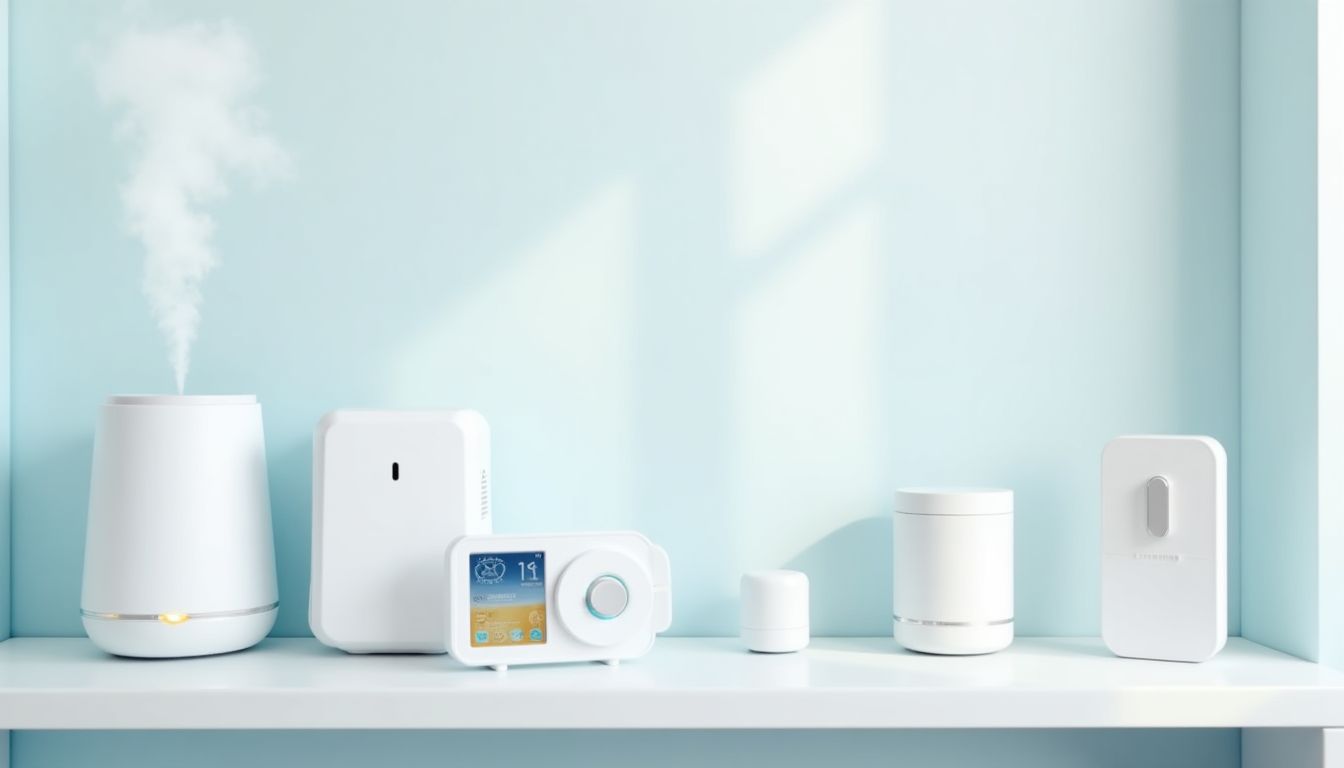
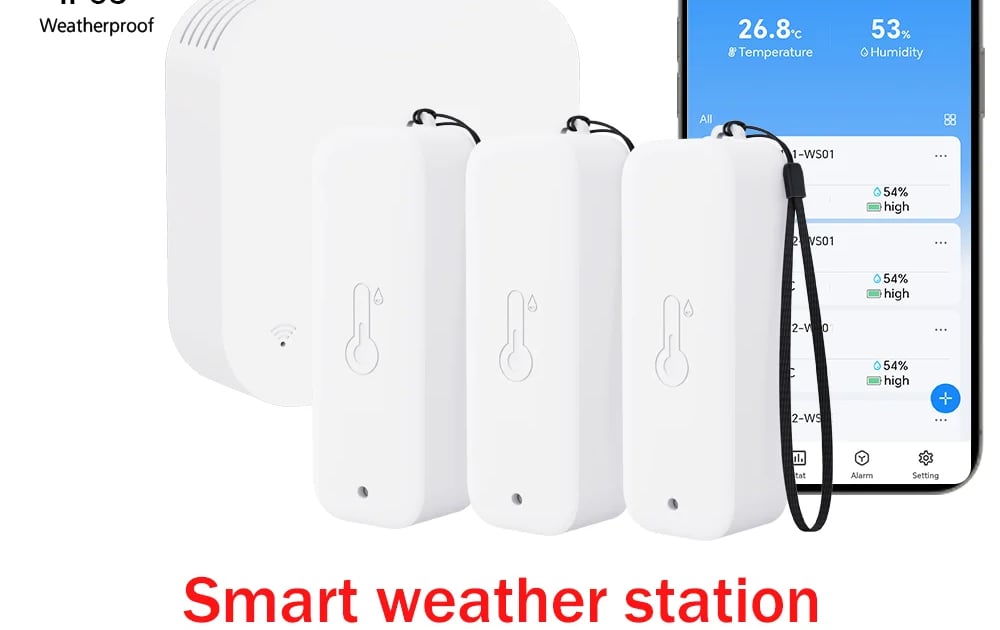
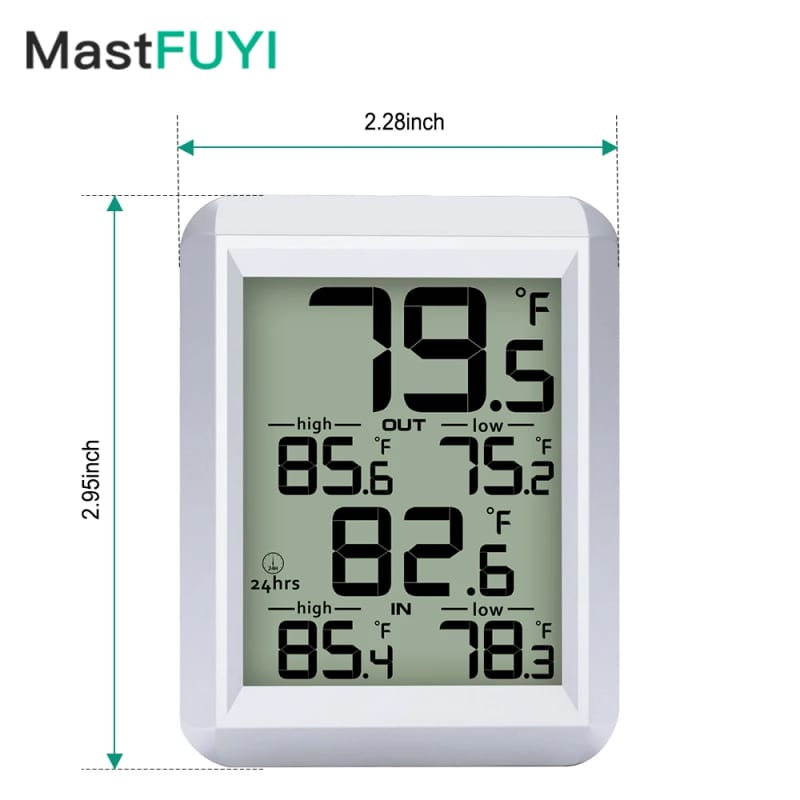
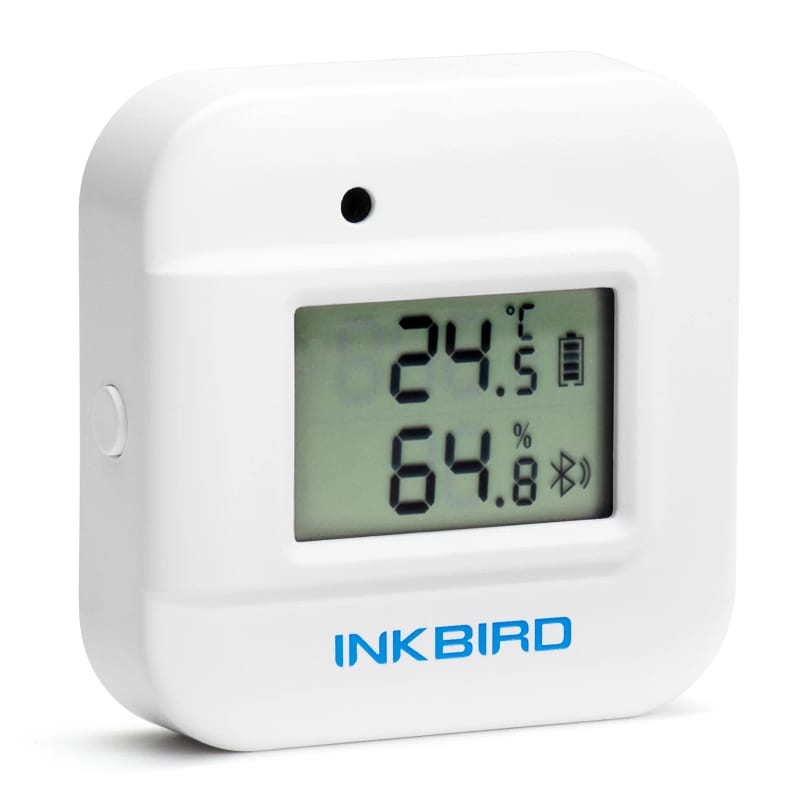
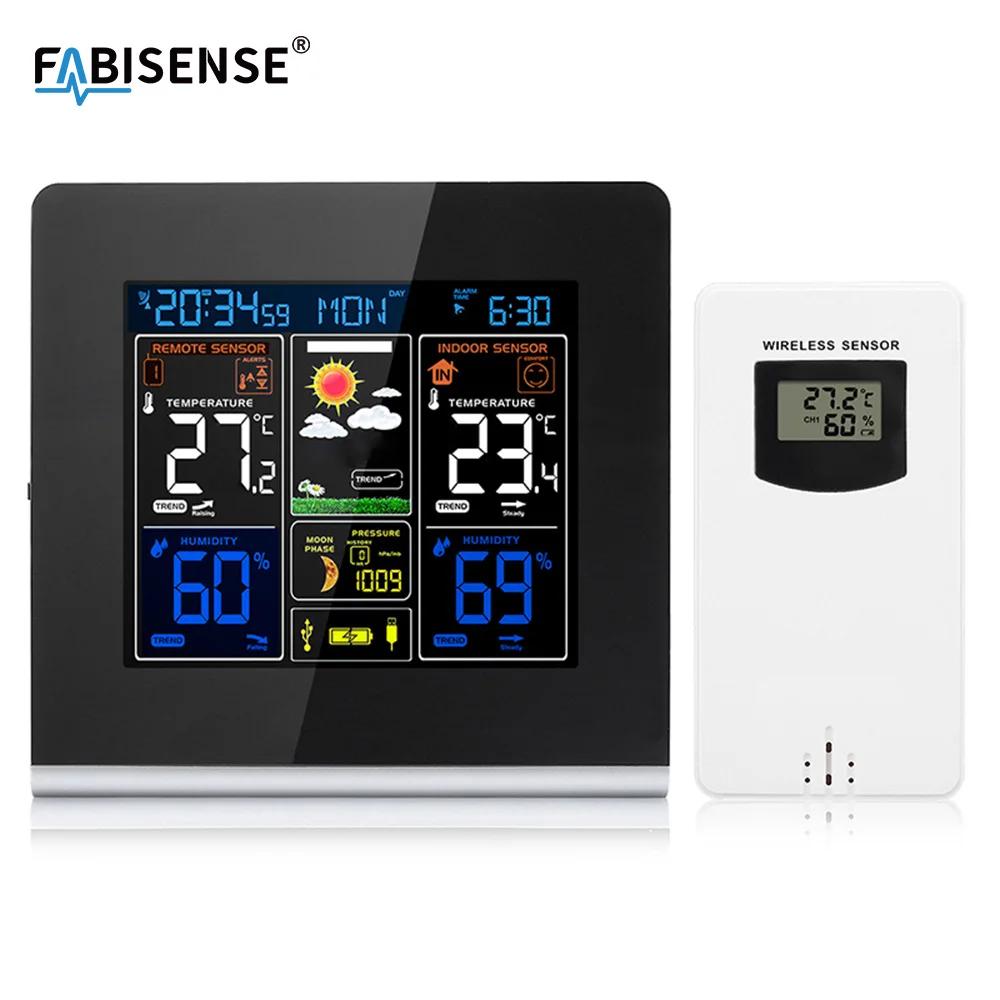
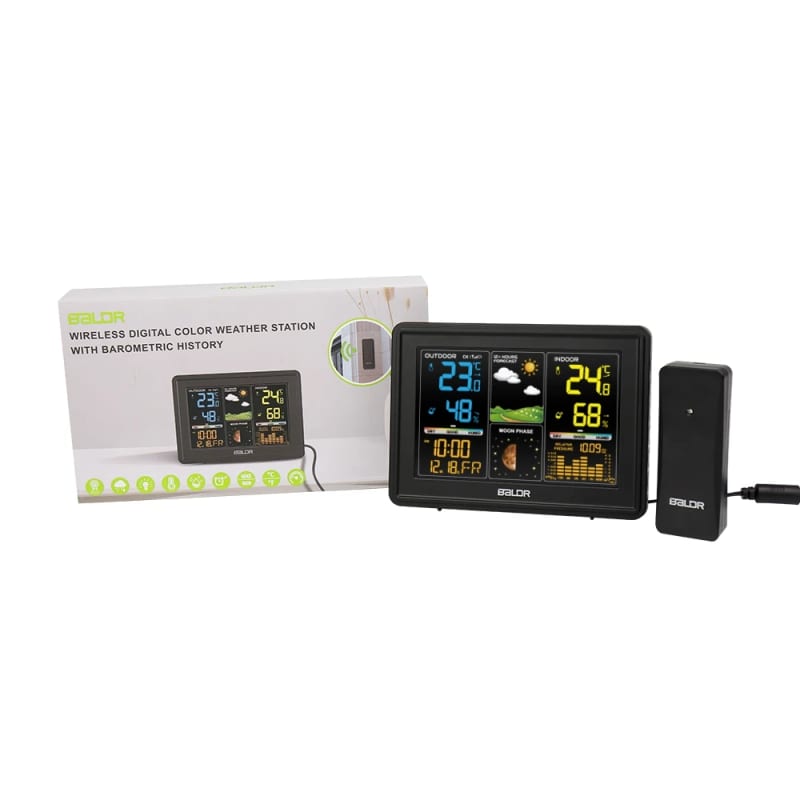
For monitoring, subjective feelings are not enough. It is worth purchasing a household weather station or hygrometer — a compact device that will accurately show the current state of the air. This will help take timely measures: turn on a humidifier or, conversely, a dehumidifier.
Technical solutions for an ideal microclimate
Achieving reference parameters through ventilation alone is not always possible, especially in megacities with polluted air. To comprehensively solve the problem, specialized devices are used that can automatically bring the apartment microclimate standards to perfection.
The simplest helper is an ultrasonic humidifier, which converts water into cold steam. It quickly raises humidity to the required 50%, but requires monitoring to avoid turning the room into the tropics. A more advanced option is air washers, which not only humidify but also purify the air from dust and pet hair.
If the room is constantly damp (for example, on the ground floor or in a bathroom without a window), an air dehumidifier will be needed. This device removes excess moisture, preventing the formation of mold on walls. To maintain the correct temperature in the off-season, oil heaters or convectors with a precise thermostat that do not burn oxygen are ideal.
Simple ways to correct without technology
If you don't have climate control equipment yet, you can adjust the comfortable room temperature and humidity using improvised means. This is especially relevant at night, when you want quiet and natural freshness.
To lower the temperature in summer, use reflective film on windows or dense blinds. In winter, if the radiators are "blasting" too much, you can cover them with a special foil screen or simply a damp towel — this will simultaneously cool the radiator slightly and increase humidity.
To increase humidity without a humidifier, place containers of water around the apartment near heat sources. Houseplants with large leaves (ficus, monstera) also act as natural regulators: they evaporate moisture and absorb carbon dioxide. Don't forget about regular wet cleaning — it directly affects the humidity standards for an apartment, temporarily raising the indicator by 5–10%.
Conclusion:
Adhering to the standards for temperature (+18–22°C) and humidity (40–60%) is a basic investment in your own health and the longevity of your renovation. According to the recommendation of the ComfortShop editorial team, modern climate control equipment with an automatic control function, which eliminates the need to constantly monitor the hygrometer, best helps maintain these indicators. Create an island of clean and fresh air at home, and your well-being will certainly improve.
Frequently Asked Questions
What is the optimal air humidity in an apartment in winter?
In winter, when the heating is on, the optimal air humidity in an apartment is 30–45%, but the range of 40–60% is considered comfortable for most people.
What temperature is considered comfortable for a bedroom and a children's room?
For a bedroom and a children's room, the comfortable room temperature is 18–20°C, since cool air promotes better sleep and well-being.
How to measure humidity and temperature in a living space?
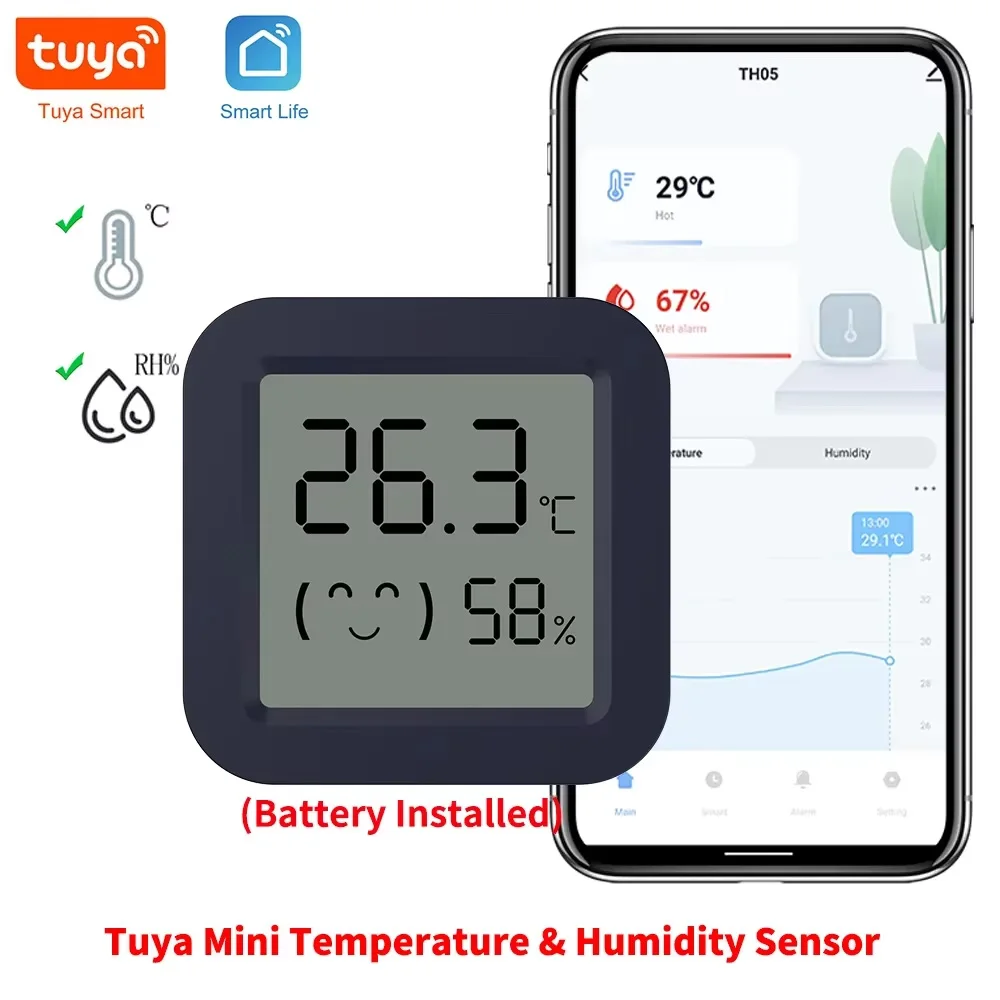
To accurately measure the apartment microclimate, use a hygrometer for humidity and a regular room thermometer, or purchase a combined device — a weather station.
What to do if the humidity standards for an apartment are exceeded or too low?
If the humidity in the apartment is below the norm, use an air humidifier or regularly ventilate the room, and if it is higher, use a dehumidifier or turn on the exhaust fan in the kitchen and bathroom more often.