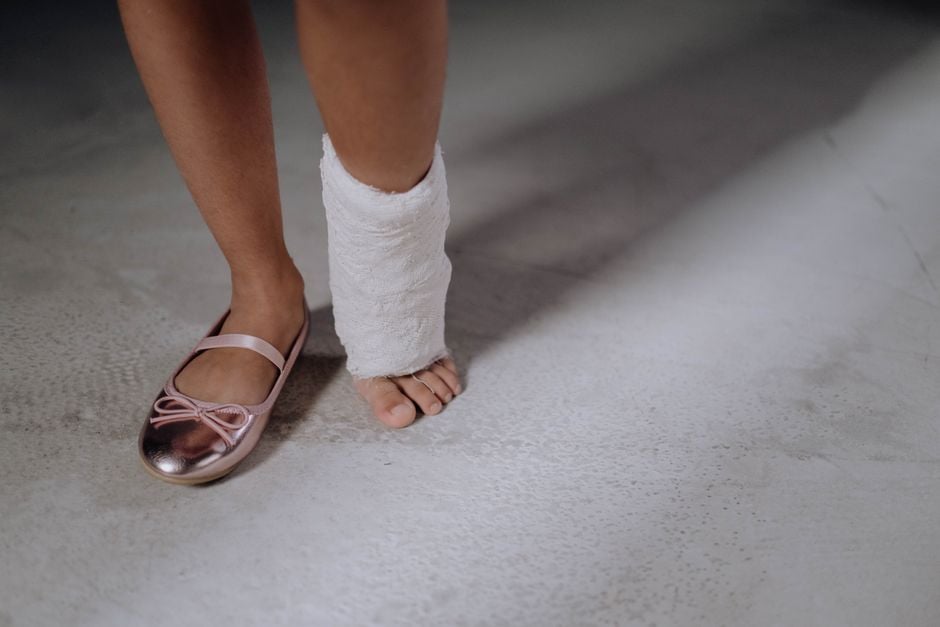
Pain in the feet, leg fatigue at the end of the day, or discomfort while walking are sensations familiar to many. Often, the cause of these symptoms is an incorrect foot position, which can be corrected with special products. Orthopedic insoles are not just a shoe accessory, but an important tool for maintaining the health of the musculoskeletal system. According to the recommendation of the ComfortShop editorial team, choosing the right insoles can not only relieve pain but also prevent the development of more serious problems with the joints and spine. Let's figure out when they are truly necessary and how to choose the right model.
? Table of Contents
When to Consider Buying Orthopedic Insoles
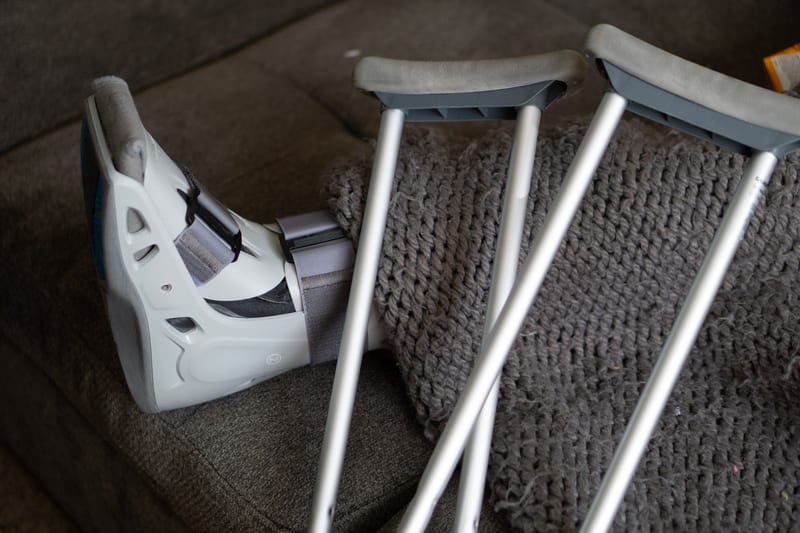
Orthopedic insoles are recommended not only for diagnosed conditions but also at the first signs of discomfort. The main signal is a feeling of heaviness and pain in the feet after prolonged standing or walking. If shoes wear out unevenly (for example, the sole wears down on the inside), this also indicates an incorrect foot position.
Common indications include longitudinal and transverse flat feet, hallux valgus deformity, heel spurs, and leg length discrepancy. It is important to understand that insoles serve not only a therapeutic but also a preventive function. They help distribute the load on the foot evenly, reducing strain on the ankle and knee joints.
For people who lead an active lifestyle, run a lot, or work on their feet, such products should be considered an essential piece of equipment. They reduce the risk of soft tissue micro-injuries and prevent premature wear of the joints.
Main Types of Orthopedic Insoles and Their Purpose
The modern market offers several types of insoles that differ in material, rigidity, and design. The simplest are gel and silicone insoles, which provide cushioning and relieve fatigue. They are suitable for prevention and minor discomfort but cannot correct serious deformities.

Frame (rigid) insoles are made of plastic or carbon fiber. They have a pronounced arch support and a rigid frame that holds the foot in the correct position. This type is recommended for pronounced flat feet and chronic pain. Soft insoles made of polyurethane foam or EVA foam are well-suited for everyday wear and sports, as they conform to the anatomical shape of the foot.
ComfortShop specialists advise paying attention to combined models that combine a rigid frame with a soft covering. They provide reliable fixation and comfort during prolonged wear. For children, semi-rigid options are usually chosen, which do not restrict mobility but support the foot arch during growth.
How to Choose Insoles for Daily Wear
Choosing orthopedic insoles starts with determining the type of shoe in which they will be used. For classic shoes and boots, thin models that do not reduce internal space are suitable. For sneakers or everyday shoes, you can choose more voluminous options with enhanced cushioning.
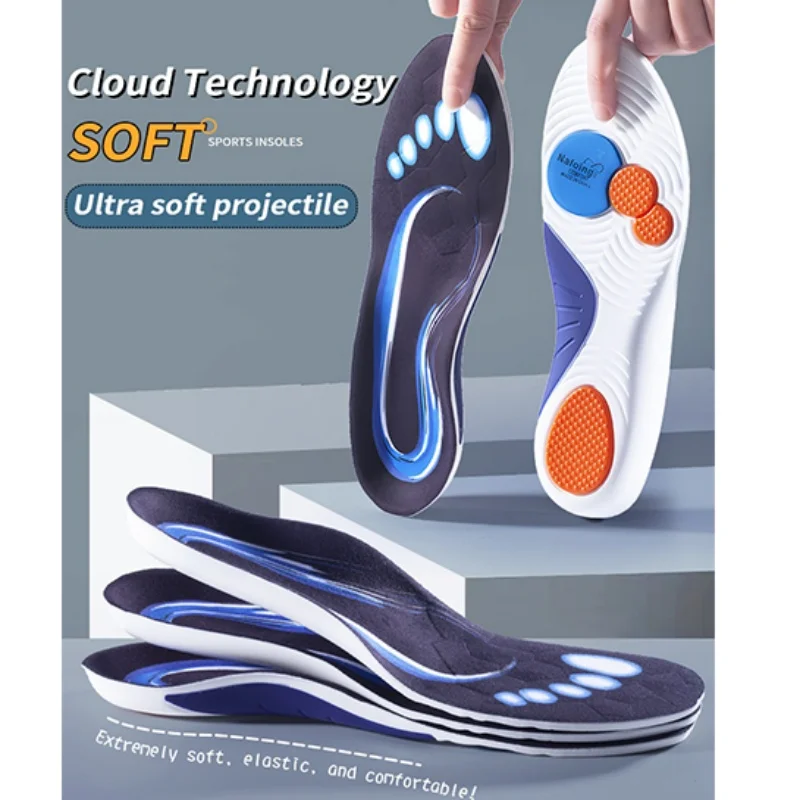
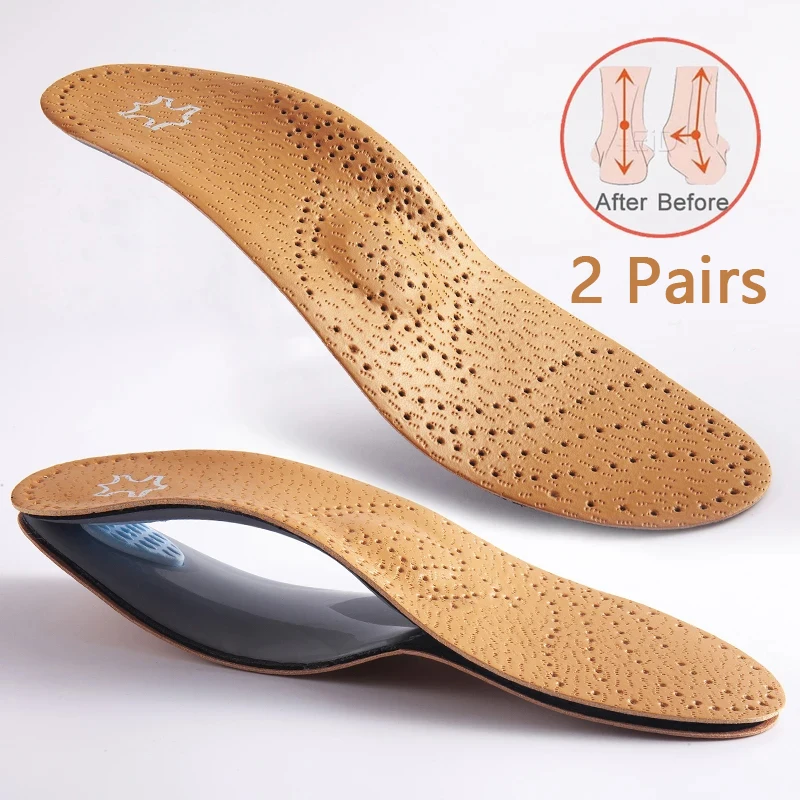
An important criterion is the material of manufacture. Natural leather and cotton provide air exchange and prevent foot sweating. Synthetic materials, such as EVA or polyurethane, are more durable and springy but may be less hypoallergenic. Pay attention to the presence of antibacterial impregnation — it extends the product's lifespan.

Do not forget about individual characteristics: if you have a high arch, choose models with a pronounced arch support. For flat feet, on the contrary, support for the entire arch is needed, not just the heel. The ideal option is to try on insoles in the store to assess whether they press in the widest part of the foot.
Orthopedic Insoles for Foot Pain: What to Look For
If you are already experiencing pain in the heel or arch of the foot, choosing insoles becomes critical. For heel spurs, models with a soft cushion in the heel area that absorbs impacts while walking are recommended. This design reduces tension on the plantar fascia and decreases inflammation.
For pain in the forefoot (metatarsalgia), you should choose insoles with a transverse pad (metatarsal pad). It lifts the transverse arch, relieving excessive pressure on the metatarsal heads. Therapeutic insoles for arthritis or arthrosis should be as soft as possible to avoid injuring the inflamed joints.
ComfortShop reviewers emphasize that for severe pain, you should consult an orthopedist. The doctor can perform plantography or computer diagnostics of the foot to accurately determine the areas of excessive load. Based on this data, a product is selected or custom-made that best matches the patient's anatomy.
Can Insoles Be Used for Prevention
Many people mistakenly believe that orthopedic insoles are only needed by the sick. In fact, preventive use helps prevent the development of deformities, especially in childhood. In children, the foot forms until the age of 12-14, and proper arch support can correct minor deviations without surgical intervention.
For adults, preventive insoles are recommended for prolonged standing work, pregnancy, excess weight, or active sports. They prevent muscle fatigue and reduce the risk of developing varicose veins. Even if you have no obvious problems, using anatomical insoles in everyday shoes improves walking biomechanics.
It is important to choose models with a low degree of correction — so-called "semi-orthopedic" products. They have a soft arch support and do not cause discomfort during the adaptation period. It is better to start wearing them for 2-3 hours a day, gradually increasing the time. If pain or burning occurs, it is a sign that the model is chosen incorrectly or a doctor's consultation is needed.
How to Care for Orthopedic Insoles
To ensure the product lasts a long time and does not lose its properties, it needs proper care. Most models cannot be washed in a washing machine or soaked in water. It is enough to wipe them with a damp cloth and dry them at room temperature away from radiators.
The lifespan of orthopedic insoles depends on the material and intensity of use. On average, quality products wear out in 6-12 months. Signs of wear: loss of elasticity, appearance of cracks, flattening of the arch support. If you notice that the insoles no longer support the foot as before, they should be replaced.
To prevent unpleasant odors, use special sprays or air out the insoles after each use. Some models have a removable top layer that can be washed separately. This significantly extends their service life and preserves hygienic properties.
Conclusion:
Orthopedic insoles are an effective means for preventing and treating many foot problems. They help with pain, flat feet, heel spurs, and simply relieve fatigue after a hard day. The main thing is to correctly determine the type of product needed and consider the features of your shoes and lifestyle. According to the recommendation of the ComfortShop editorial team, the best result comes from a combination of high-quality insoles and timely consultation with an orthopedist. Do not neglect the health of your feet — choose proven models and enjoy comfort every day.
Frequently Asked Questions
Do orthopedic insoles help with heel pain?
Yes, special insoles with a heel cushion effectively reduce the load on the heel and relieve pain from plantar fasciitis or heel spurs.
How to choose orthopedic insoles if I don't know my diagnosis?
It is better to first consult with an orthopedist or podiatrist who will diagnose your foot and recommend a specific type of insole — preventive or therapeutic.
Can orthopedic insoles be worn in regular shoes without modification?
Most thin orthopedic insoles are suitable for everyday shoes, but for sneakers or boots with a high instep, you should choose models with an adjustable arch height.
Which insoles are better for foot health — rigid or soft?
The choice depends on the problem: rigid insoles made of carbon or plastic better fix the foot for flat feet, while soft ones made of gel or foam are suitable for relieving fatigue and absorbing shock during running.