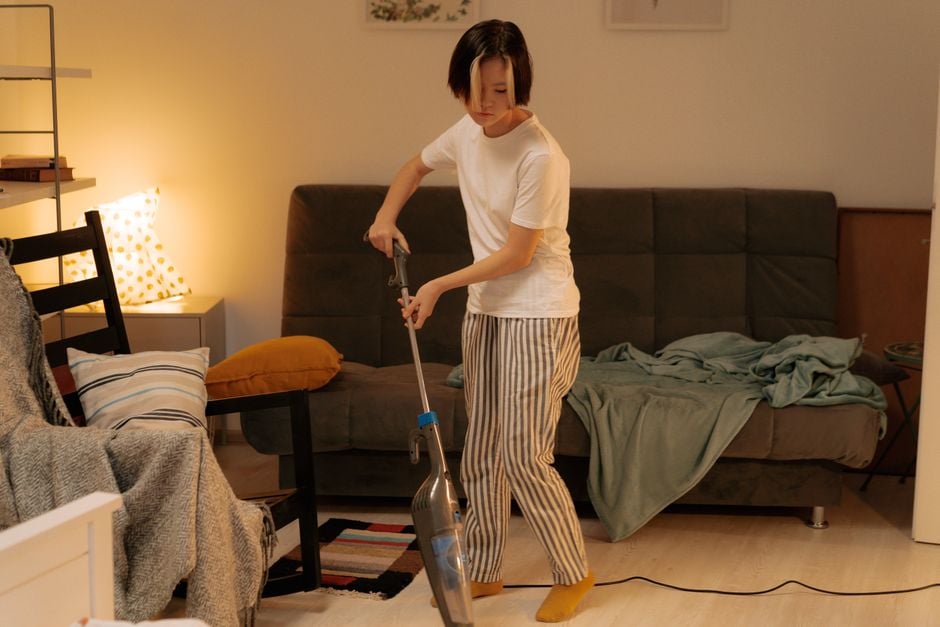
Cleaning the house has never been a favorite activity for most people, but modern technology constantly offers ways to make this process simpler and more efficient. One such device that sparks a lot of debate and questions is the steam cleaner. It promises not just to remove dirt, but also to disinfect surfaces without using chemicals, which is especially relevant for families with children and allergy sufferers. Before spending money, it's worth figuring out whether this unit can truly replace the usual mop, cloth, and household chemicals. Based on the recommendation of the ComfortShop editorial team, we have prepared a detailed analysis to help you weigh all the pros and cons.
? Table of Contents
How a steam cleaner works and where it is used
The operating principle of a steam cleaner is quite simple: water in a special tank is heated to a high temperature (usually 120-160°C) and is supplied as dry steam under pressure. It is the high temperature that effectively softens dirt, grease, and limescale, and also destroys up to 99.9% of bacteria, dust mites, and mold. This makes the device indispensable for deep cleaning.
A steam cleaner can be used on a variety of surfaces that are resistant to high temperatures. It is most often used for washing ceramic tiles, plumbing fixtures, glass surfaces, mirrors, and kitchen hoods. Some models have special attachments that allow you to treat upholstered furniture, mattresses, and even clothing, refreshing them without washing.
Main advantages of using a steam cleaner
The main advantage of a steam cleaner is the eco-friendliness of cleaning. You no longer need to buy dozens of different products for washing floors, stoves, or bathrooms. Ordinary water under steam pressure handles most dirt as well as, and often better than, harsh chemicals. This is safe for children and pets.
Additionally, a steam cleaner for the home provides powerful disinfection. In conditions where the issue of cleanliness is particularly acute, the ability to treat surfaces with steam without extra expense is a strong argument. The device also significantly simplifies the removal of old grease in the kitchen and limescale in the bathroom, which are difficult to handle manually.
Is it worth buying a steam cleaner for daily cleaning?
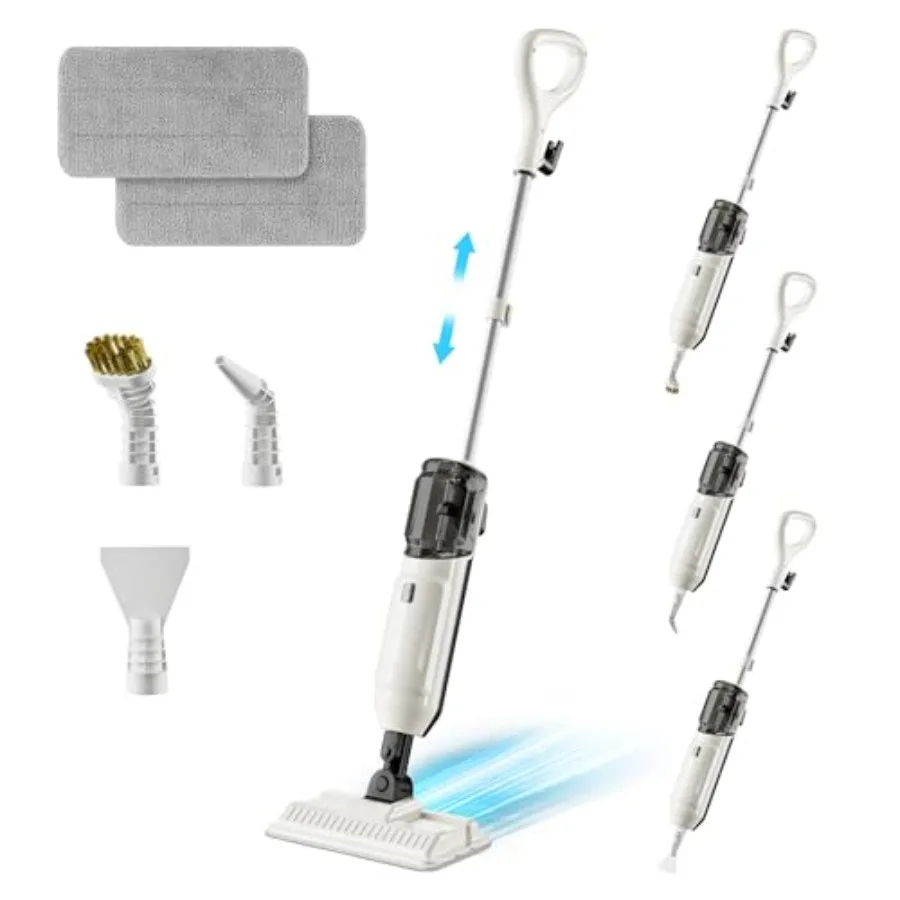
For maintaining daily cleanliness, a steam cleaner might seem too bulky, as it needs to be heated up and filled with water. However, for deep cleaning or tackling stubborn stains, it becomes a real lifesaver. If you are willing to spend a little more time on preparation but get a perfectly clean and sanitized surface, this is your choice.
Disadvantages and limitations: what to pay attention to
Despite the obvious advantages, a steam cleaner also has its weak points. First and foremost is its sensitivity to materials. It absolutely cannot be used on untreated wood, laminate, waxed surfaces, and some types of plastic. High temperature and moisture can irreparably damage the coating, leaving streaks or swelling.

The second important point is the cost of a quality device. Cheap models often have a small tank volume, weak steam pressure, and non-durable materials. They heat up slowly and cool down quickly, making cleaning ineffective. As noted by ComfortShop reviewers, when choosing a steam cleaner, it is better to opt for the mid-price segment, where the balance of price and quality is optimal.
Steam cleaner pros and cons: a brief summary.
- Pros: eco-friendliness, disinfection, effectiveness against grease and limescale, savings on household chemicals.
- Cons: limitations on surface types, time needed for heating, high cost of quality models, risk of burns if used carelessly.
How to choose the ideal steam cleaner for your home
Choosing a steam cleaner depends on your needs. For a small apartment, a compact handheld model, convenient for cleaning the stove, microwave, and plumbing, will suffice. If you plan to wash floors over a large area, you should pay attention to a floor steam cleaner with a large water tank and a telescopic handle.
Pay attention to the following characteristics: power (from 1500 W), tank volume (from 0.5 L for handheld and from 1 L for floor models), the presence of an anti-scale protection system, and the set of attachments. The more attachments included, the wider the range of tasks your new helper can perform. Reviewing a steam cleaner before purchase is a mandatory step to ensure build quality and ease of use.
Steam cleaner vs traditional cleaning: which is more effective
Comparing a steam cleaner to a regular mop and cloth, it is important to understand the difference in approach. Traditional cleaning often just spreads dirt around, while steam penetrates deep into pores and cracks, pushing dirt particles out. This is especially noticeable on floor tiles or kitchen backsplashes, where dirt accumulates in the grout over time.
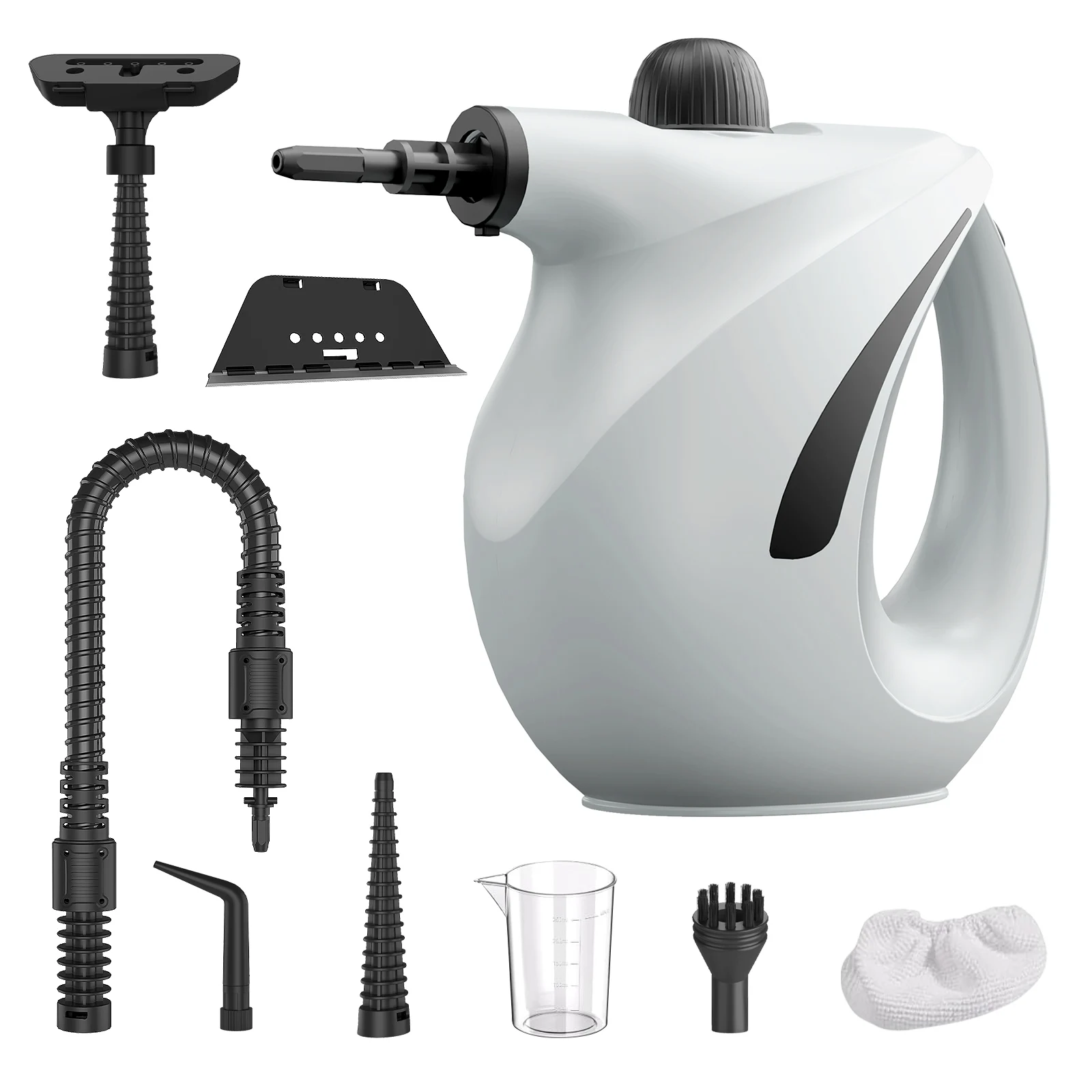
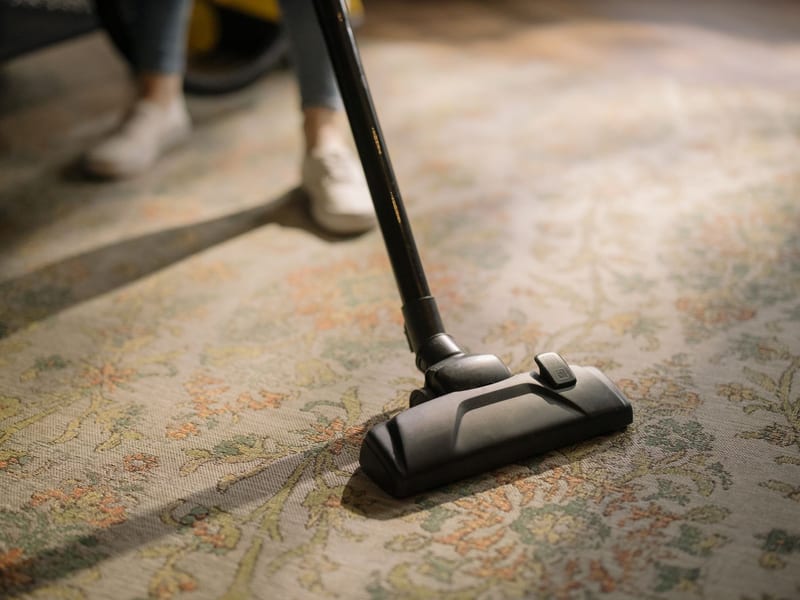
However, a steam cleaner is not a vacuum cleaner. It does not collect debris, dust, or pet hair. Therefore, before steam treatment, the surface must be vacuumed or swept. Thus, a steam cleaner for cleaning is an excellent addition to a vacuum cleaner, but not a full replacement. For comprehensive cleaning, you will still need both devices.
Conclusion:
So, whether it is worth buying a steam cleaner depends entirely on your priorities. If you value eco-friendliness, safety, and dream of a perfectly clean kitchen and bathroom without chemical stains, this is an excellent investment. It is indispensable for allergy sufferers, parents of young children, and pet owners, as it provides deep disinfection. ComfortShop experts recommend considering a steam cleaner as a powerful tool for deep cleaning, rather than for daily quick tidying up. If you are ready for small compromises regarding preparation time, this device will become your reliable ally in the fight for cleanliness.
Frequently Asked Questions
Does a steam cleaner for the home replace a regular vacuum cleaner?
No, a steam cleaner does not replace a vacuum cleaner because it does not suck up debris and dust. It is designed for disinfection and removing grease and dirt using steam after preliminary cleaning.
What surfaces can be cleaned with a steam cleaner without risk of damage?
A steam cleaner is safe for tiles, laminate, linoleum, glass surfaces, microwaves, and hard furniture. However, it is not suitable for untreated wood, waxed coatings, or delicate fabrics.
Is it worth buying a steam cleaner if there are pets in the house?
Yes, this is an excellent solution: hot steam effectively destroys bacteria, allergens, and traces of pet activity, and also helps remove stubborn stains from floors and upholstered furniture.
What is the main disadvantage of a steam cleaner for cleaning?
The main drawback is the need to constantly change attachments and wait for the water to heat up, as well as the inability to collect dry debris — the surface must be swept or vacuumed before steam treatment.