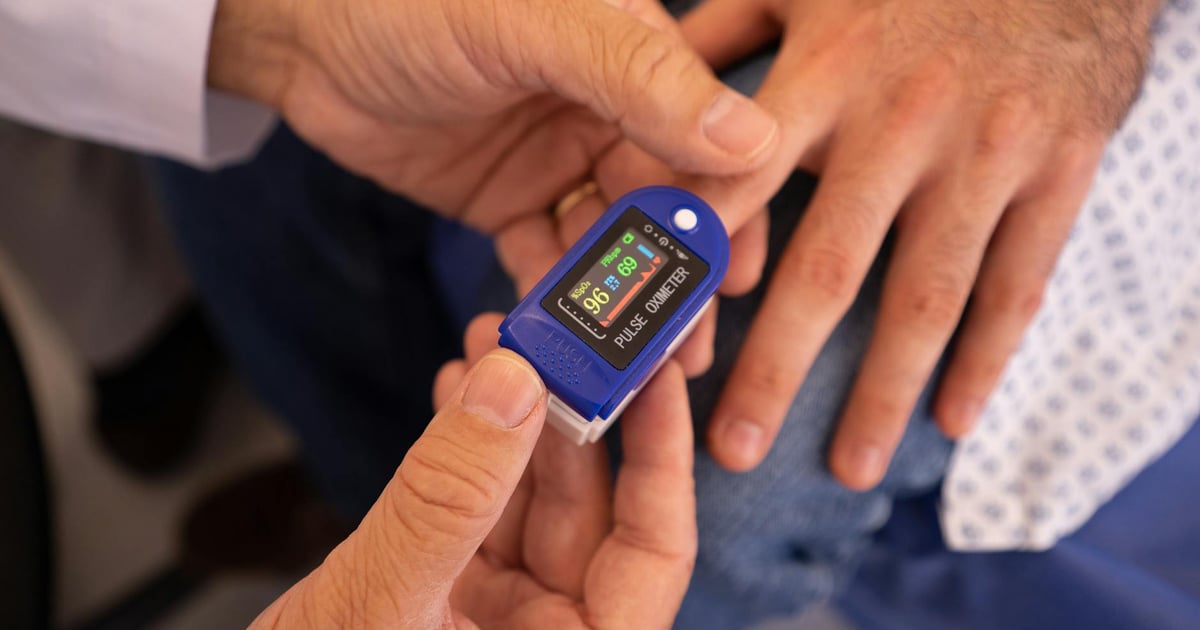
In the modern world, health care is taking on new forms: more and more people want to have devices at home for quick monitoring of vital signs. One such indispensable assistant has become the pulse oximeter — a compact device that determines the level of blood oxygen saturation and pulse rate in seconds. However, is it truly necessary in every home medicine cabinet, or is it just a nod to fashion? On the recommendation of the ComfortShop editorial team, it is worth understanding in which situations a pulse oximeter for home use becomes critically important, and when its use is merely an additional tool for self-monitoring.
? Table of Contents
What is a pulse oximeter and how does it work
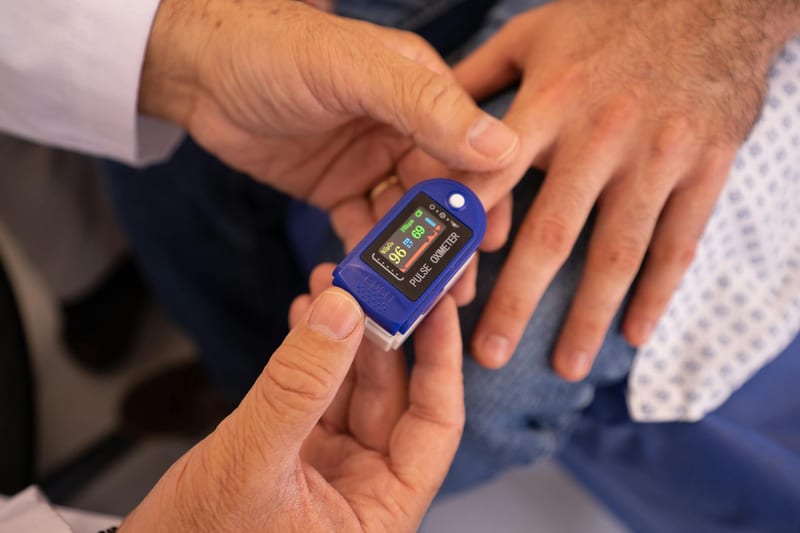
A pulse oximeter is a non-invasive medical device that attaches to a finger or toe (in the case of infants) and uses light waves to determine the percentage of oxyhemoglobin in arterial blood. The procedure is completely painless and takes no more than 30 seconds, making it ideal for home use.
The operating principle is based on the difference in light absorption between oxygenated and deoxygenated blood. A special sensor analyzes this data and displays two key indicators on the screen: saturation (SpO₂) as a percentage and pulse (beats per minute). These numbers allow for a quick assessment of whether the body is receiving enough oxygen.
It is important to understand that a pulse oximeter does not treat or diagnose — it only signals a potential problem. However, in a critical situation, this signal can save a life, as a drop in saturation often occurs without obvious symptoms.
Normal oxygen saturation: when to sound the alarm
For a healthy adult, the normal oxygen saturation level ranges from 95% to 99%. A reading of 94% is considered borderline and requires observation, while anything below 90% is a critical condition requiring immediate medical attention. ComfortShop specialists emphasize: do not wait for shortness of breath or dizziness — a drop in saturation can be asymptomatic, especially with certain diseases.
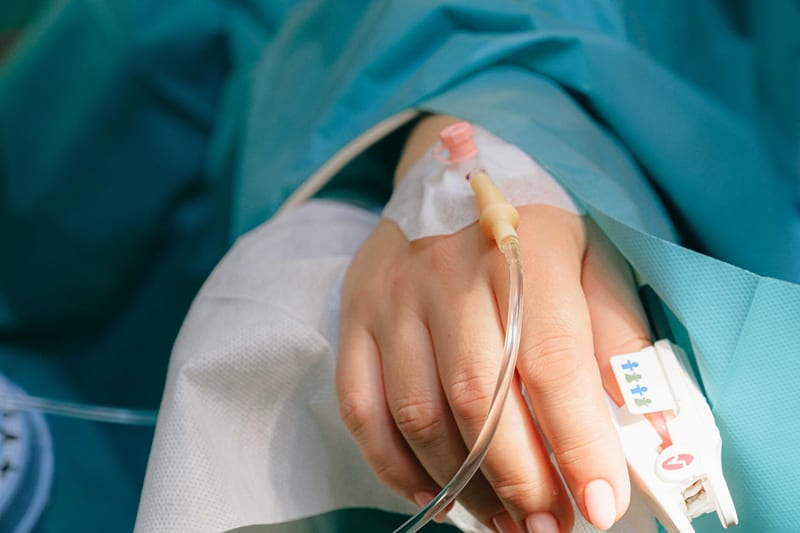
It is worth considering that measurement accuracy is affected by external factors: bright lighting, nail polish, cold hands, or overly thick skin. To obtain a reliable result, it is recommended to take measurements in a calm state, with warm hands and nail polish removed.
If you notice that your saturation level consistently stays at 94% or lower, this is a reason to consult a doctor even in the absence of other symptoms. In this case, the pulse oximeter acts as an early indicator of hidden hypoxia.
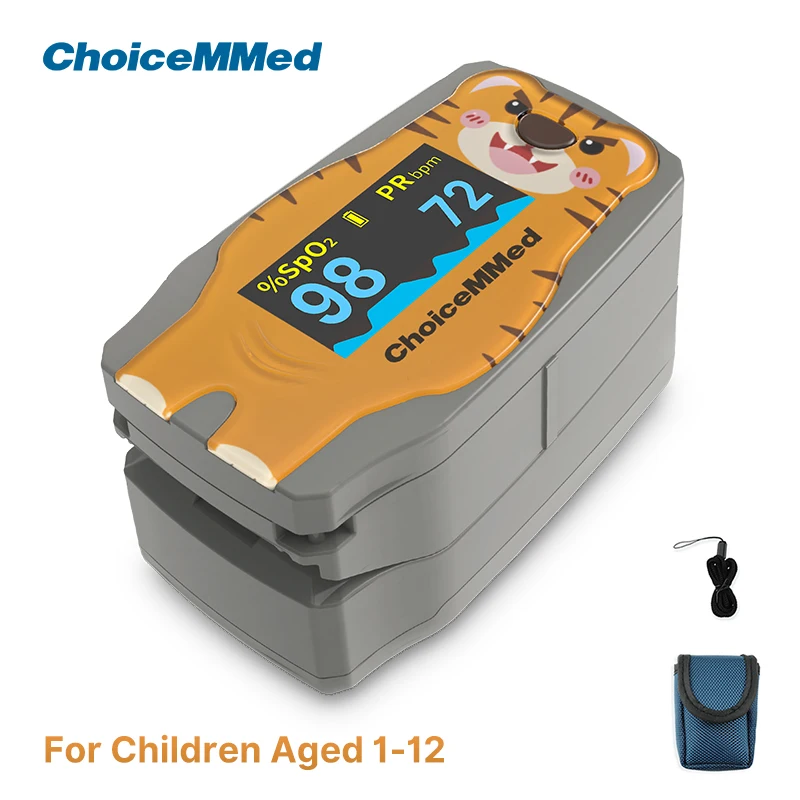
Pulse oximeter for covid: is it really necessary
The COVID-19 pandemic was the driving force that made the pulse oximeter massively popular. One of the insidious features of the coronavirus infection is the so-called "silent hypoxia" — a condition where the blood oxygen level drops, but the patient does not feel suffocation. This is why doctors worldwide recommended having a pulse oximeter at home for daily monitoring.

In COVID-19, monitoring blood oxygen allows for timely detection of deterioration and a decision on hospitalization. If saturation drops below 93% even with slight physical exertion, this is a direct indication to call an ambulance.
However, it is worth remembering: a pulse oximeter for covid is not a panacea, but only a monitoring tool. It does not replace treatment, but helps to notice danger in time. After recovering from the illness, the device will also be useful for monitoring the restoration of respiratory function.
Who else should have a pulse oximeter at home?
Chronic diseases: monitoring blood oxygen as a way of life
People with chronic respiratory or cardiovascular diseases need a pulse oximeter constantly. Chronic obstructive pulmonary disease (COPD), bronchial asthma, heart failure, anemia — these are conditions where saturation levels can decrease gradually, without sharp jumps.
Regular measurement of pulse and saturation allows patients and their doctors to assess treatment effectiveness, adjust medication dosages in time, or determine the need for oxygen therapy. For such people, a home medical device becomes not a luxury, but a necessity.
Additionally, athletes and people engaged in high-altitude tourism also use a pulse oximeter to monitor the body's adaptation to low-oxygen conditions. This helps avoid altitude sickness and its complications.
Home medical device for the whole family: is it worth buying
Does a healthy person without chronic diseases need a pulse oximeter? There is no clear answer, but there are several arguments "for". Firstly, it is prevention: periodic monitoring allows you to notice deviations at early stages. Secondly, the device will come in handy for any respiratory illness, even a common cold with a high fever.
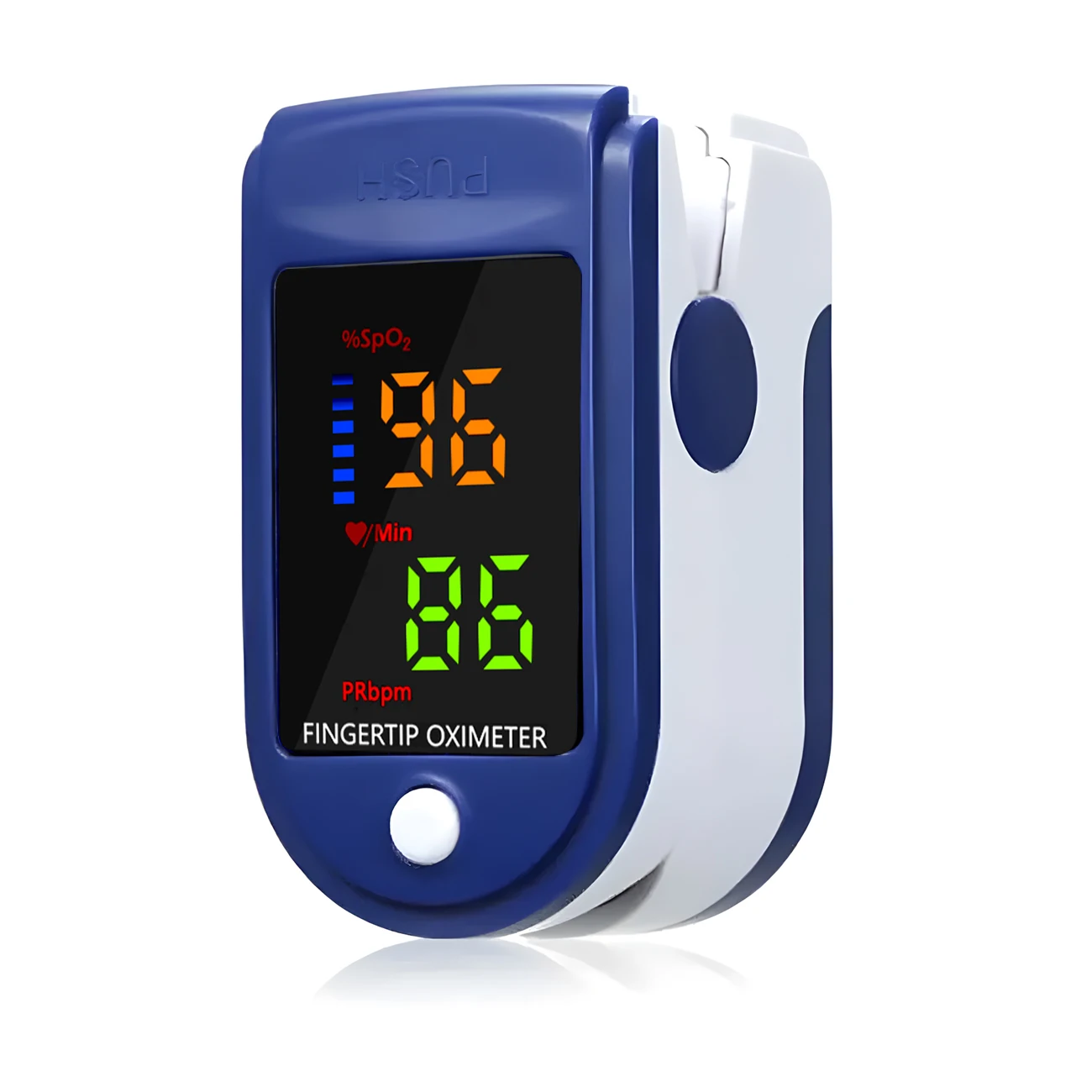
A pulse oximeter is especially useful for elderly people, who often do not notice worsening breathing due to age-related changes. Monitoring blood oxygen in this age group can prevent severe complications of pneumonia.
As ComfortShop reviewers note, modern pulse oximeter models are compact, have a bright display, and run on regular batteries, making them convenient for storage in a home medicine cabinet. The cost of the device is affordable, and the potential benefit is invaluable.
Conclusion:
A pulse oximeter is not just a fashionable accessory, but an effective tool for monitoring one of the most important health indicators. It becomes critically necessary for COVID-19, chronic lung and heart diseases, and for elderly people. For a healthy person, the device serves a preventive function, allowing timely detection of hidden hypoxia. ComfortShop specialists recommend having a pulse oximeter in every family, especially if there are people at risk, as timely measurement of pulse and saturation can save a life.
Frequently Asked Questions
What level of saturation is considered normal for an adult?
The normal oxygen saturation level for a healthy adult ranges from 95% to 99%. A reading below 94% is considered an alarming signal and requires a doctor's consultation.
Is it mandatory to buy a pulse oximeter if COVID-19 is suspected?
Yes, a pulse oximeter for covid is very useful because the disease can cause "silent hypoxia" — when oxygen levels drop without obvious shortness of breath. Regular measurement of pulse and saturation helps to detect dangerous drops in indicators in time.
Can a regular fitness bracelet be used instead of a pulse oximeter to monitor blood oxygen?
No, fitness bracelets are not medical devices and often have errors when measuring saturation. For accurate home monitoring of blood oxygen, a certified pulse oximeter for home use is needed.
How often should I measure saturation if I feel healthy?
If you do not have chronic lung or heart diseases, it is enough to take measurements once a day or when cold symptoms appear. A pulse oximeter becomes an indispensable home medical device during illness or when the body is under increased stress.