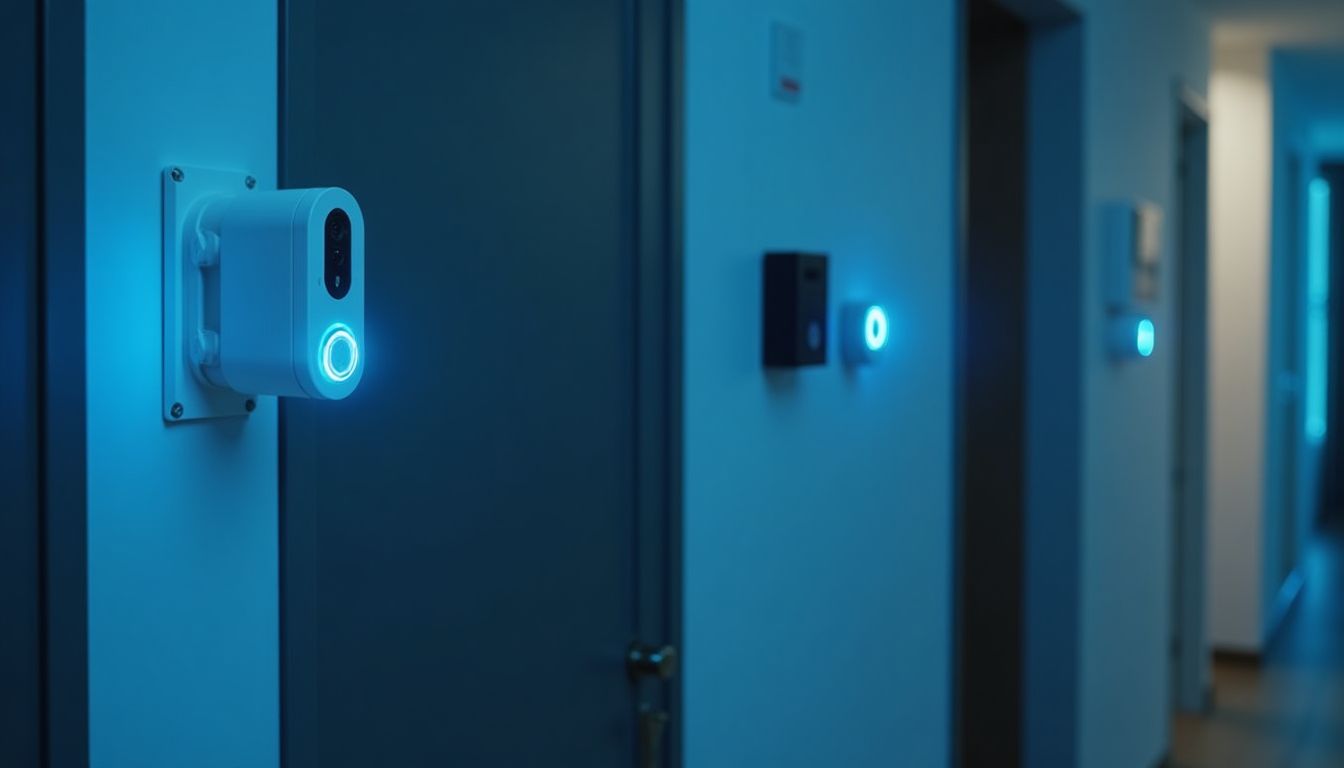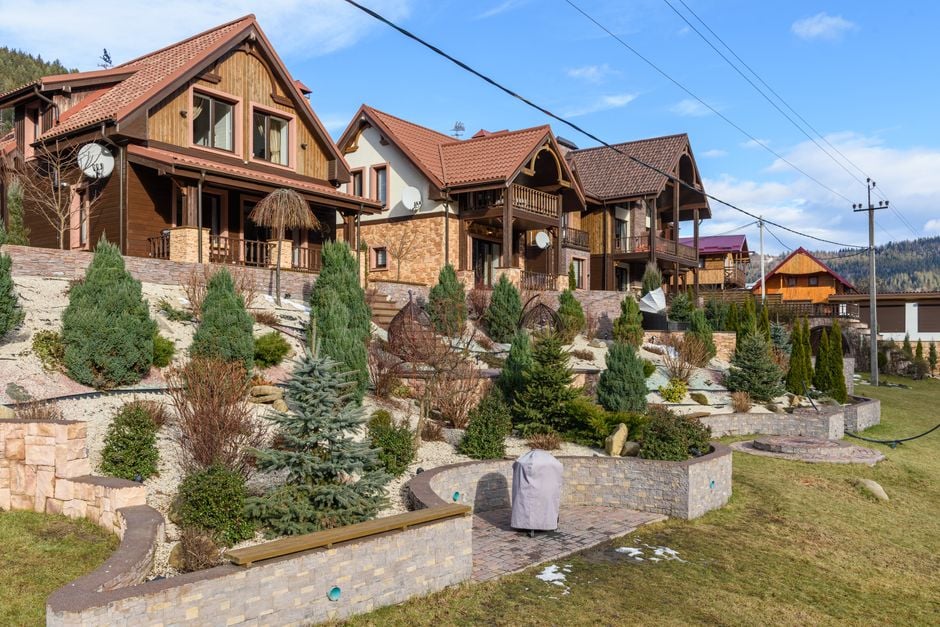
Choosing a security system for your dacha often turns into a real quest: you want reliable protection without spending a fortune. Among the variety of options, devices that work via mobile communication hold a special place. On the recommendation of the ComfortShop editorial team, it's worth taking a closer look at solutions that have already proven their effectiveness in practice, because real experience using an alarm system is often much more telling than any technical specifications.
Article Contents
Why Choose a GSM Alarm: First Impressions
The first thing almost all dacha owners note is the lack of need to run wires. Installation takes just a few hours, and you immediately gain control over your home. Many admit that they were initially skeptical of such devices, considering them toys, but after the first sensor activation, their opinion changed drastically.
Owner reviews indicate that even basic models can effectively scare off intruders. The loud siren and instant notification to your phone create a powerful psychological barrier. At the same time, the cost of such protection is quite affordable, especially compared to centralized monitoring services that require a monthly subscription fee.
ComfortShop experts advise paying attention to models with support for two-way voice communication. This allows you not only to receive an alarm signal but also to listen to what is happening in the house, or even talk to uninvited guests through the built-in microphone and speaker.
Real Experience Using an Alarm System: Pros and Cons
In practice, the main advantage turns out to be mobility. You can be anywhere in the world with cellular coverage and still control the situation at your dacha. The system sends SMS messages about events: door opening, glass breaking, smoke detection, or movement in the yard.
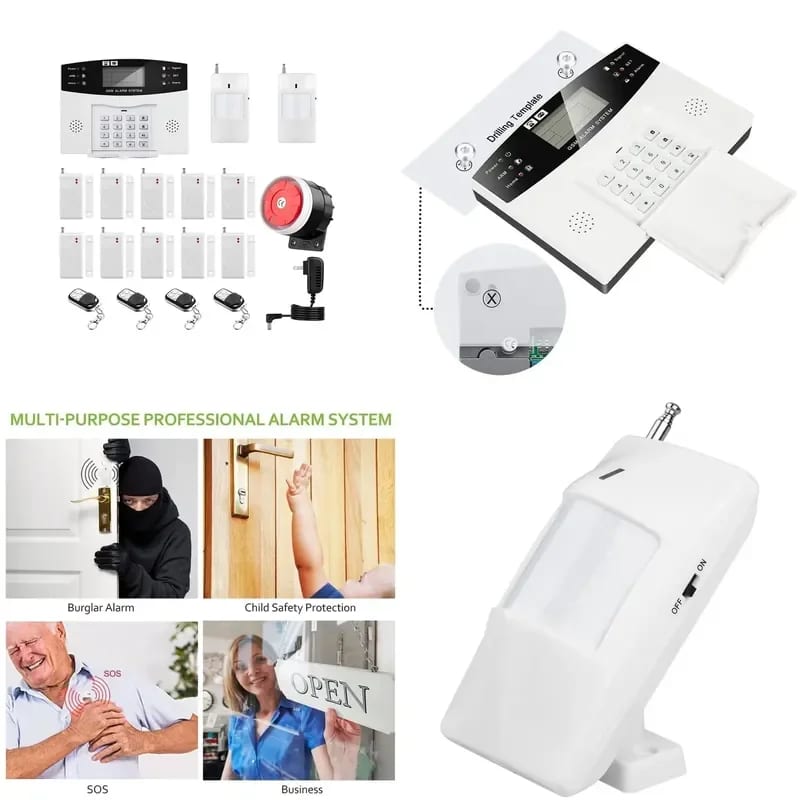
However, as real experience using an alarm system shows, there are nuances. For example, in remote areas where the cellular signal is unstable, there may be delays in receiving notifications. Some users complain about false alarms caused by pets or strong wind swaying tree branches in front of the motion sensor.
Solutions to these problems exist. First, it's worth choosing sensors with adjustable sensitivity. Second, you can use an external antenna to boost the signal. Third, modern models allow you to configure "ignore zones" for pets.
Can you make dacha security yourself?
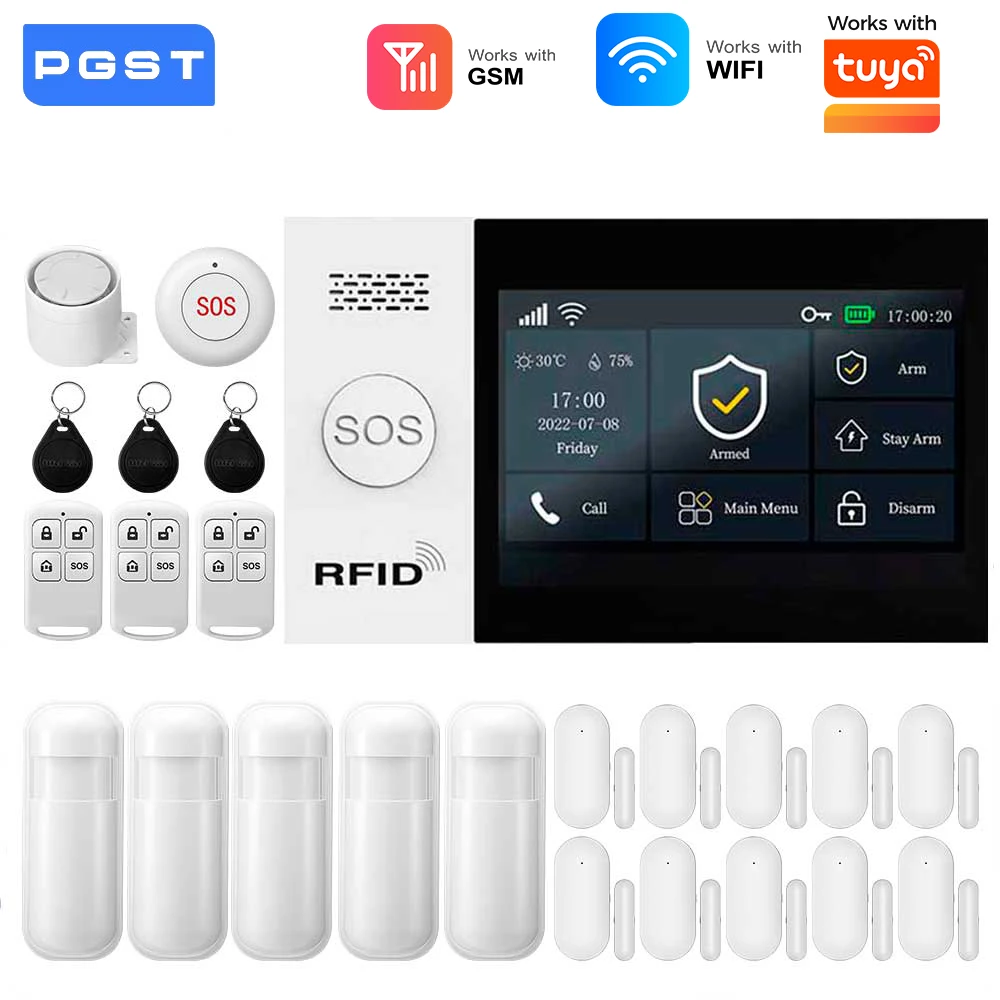
Many people wonder if it's realistic to assemble such a system yourself. The answer: yes, but with certain caveats. You can purchase a controller, sensors, and a siren separately, then configure everything via a web interface. This saves money but requires basic knowledge of electronics and programming.
For those who don't want to delve into technical details, ready-made kits are available. They already have pre-configured operating scenarios, and their installation comes down to mounting the sensors and connecting the power. As ComfortShop reviewers note, ready-made solutions are the optimal choice for those who value their time.
GSM Alarm System Review for Home: What to Look For
The market offers dozens of models, and making the right choice without preparation is difficult. To avoid mistakes, it's worth paying attention to several key parameters. First of all, the number of security zones: the more sensors you plan to connect, the more zones the central unit should support.
The second important point is autonomy. If the power often goes out at the dacha, choose a model with a built-in battery. It should ensure the system operates for at least 6-10 hours. Some users install additional external batteries to increase the autonomous operation time.
The third criterion is the notification type. It's best if the system supports not only SMS but also calls to multiple numbers. Also desirable is the presence of a mobile app through which you can manage the security, view event history, and change settings.
Dacha Security DIY: Step-by-Step Instructions
Installing a GSM alarm is a task that even a beginner can handle. The first step is choosing a location for the central unit. It should be hidden from prying eyes but still be in an area with reliable cellular signal reception. The unit is often placed in a closet or behind a false panel.
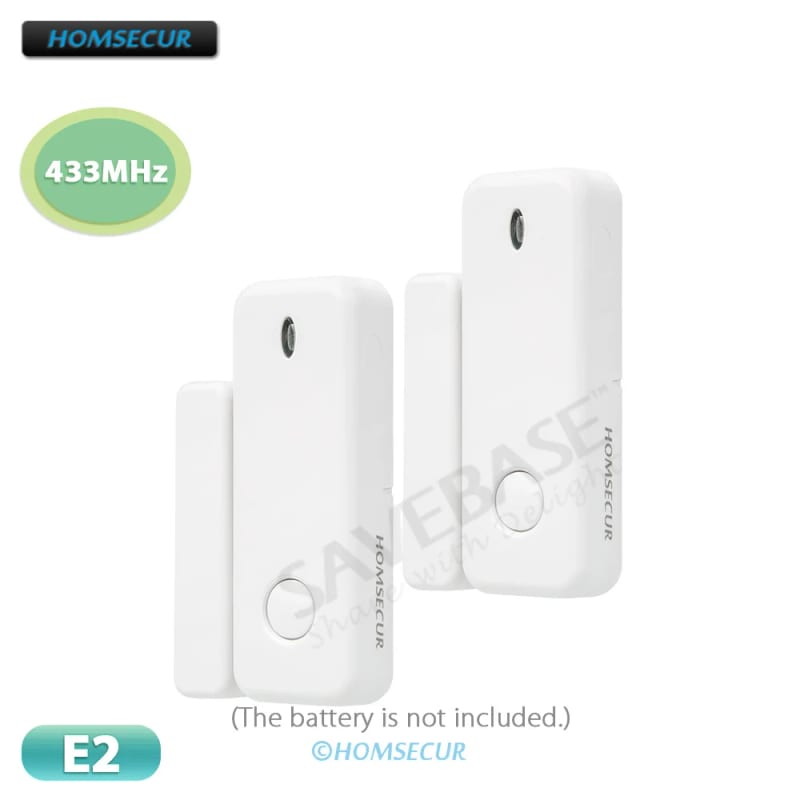
The second step is positioning the sensors. A motion sensor is best installed in a corner of the room at a height of 2-2.5 meters, pointing it at doors or windows. Magnetic sensors for doors and windows are attached to the frame and the sash. A smoke detector should be placed on the ceiling, and a gas leak detector near gas equipment.
The third step is configuration. Insert the SIM card, turn on the power, and register the phone numbers that will receive notifications. After that, test each sensor to ensure it works. Here are a few tips for successful setup:

- Use a SIM card with mobile internet services and PIN code request disabled.
- Configure the entry/exit delay so the system doesn't trigger when you enter the house.
- Check the signal level in different places at the dacha using the indicator on the central unit.
Best GSM Alarm for Dacha: How to Choose
Determining which model is the best can only be done after analyzing your specific needs. For a small dacha house you visit once a week, a budget kit with 2-3 sensors will suffice. For a large estate with several buildings, a more powerful system supporting dozens of sensors and external sirens will be needed.
It is also important to consider climatic conditions. Dacha houses are often unheated in winter, so all system components must operate at sub-zero temperatures. Many manufacturers specify an operating range from -10°C to +40°C, but for harsh winters, it's better to choose models rated for -20°C or even -30°C.
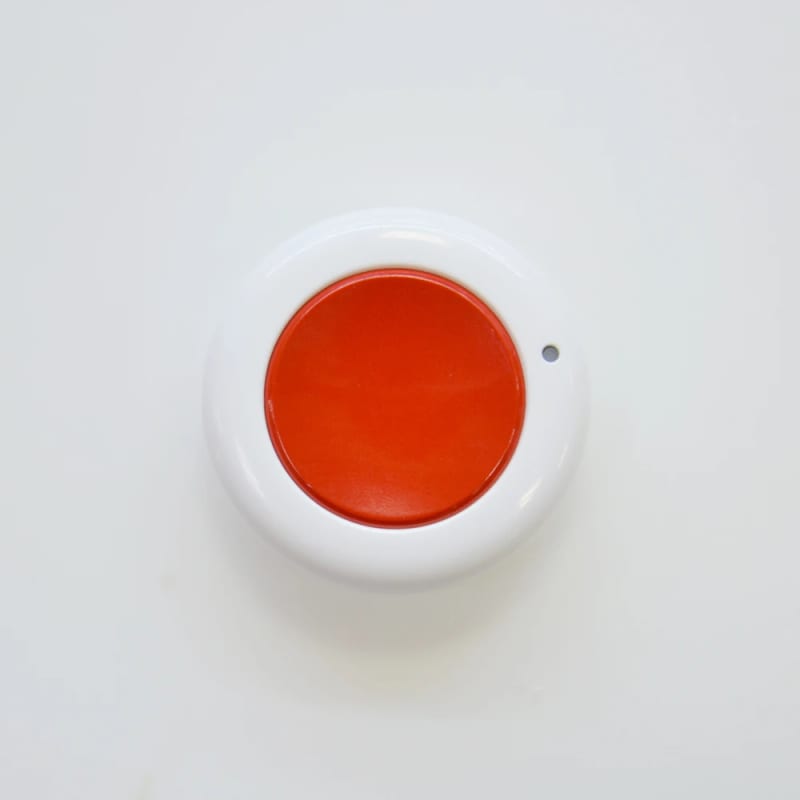
Reviews from real users indicate that models with a "panic button" on the key fob are most often chosen. This allows you to call for help urgently, even if you are outside. Also useful is the ability to connect video cameras that activate during an alarm and send photos to your phone.
Conclusion:
Real experience using a GSM alarm for a dacha proves that it is an effective, affordable, and easy-to-install way to protect property. It allows you to monitor the situation remotely, respond quickly to threats, and significantly reduces the risk of theft. If you are looking for the optimal balance between price and functionality, pay attention to modern models with mobile app support and autonomous power supply — it's an investment in your peace of mind and security.
Frequently Asked Questions
Does a GSM alarm for a dacha really work without an internet connection?
Yes, most models use cellular communication (2G/3G/4G) and do not require Wi-Fi or wired internet, making them ideal for dacha plots.
What is the real experience of using an alarm system in winter at an unheated dacha?
According to reviews, at sub-zero temperatures it is important to choose models with a wide operating range (down to -20°C or -30°C) and use high-quality batteries that do not lose capacity in the cold.
Can you make dacha security with a GSM module yourself, and is it cheaper?
Yes, you can assemble a system from a separate controller, motion sensors, and a GSM modem, which often turns out cheaper than a ready-made kit, but requires programming and soldering skills.
Which is the best GSM alarm for a dacha in terms of price and reliability?
According to real reviews, the leaders are models with a call function to multiple numbers, support for glass break sensors, and autonomous power supply of up to 12 hours, for example, Ajax or Falcon Eye.