In the modern world, property security begins with high-quality video surveillance, and the key selection criterion is often the night vision of an IP camera. A test conducted in real conditions shows that the specifications stated by manufacturers do not always match reality. We decided to check how different models handle shooting in complete darkness, twilight, and under artificial lighting. On the recommendation of the ComfortShop editorial team, we selected the most popular devices in the mid-price segment for comparison to find out whether it is worth paying extra for additional features.
Article Contents
Night Shooting Test Conditions
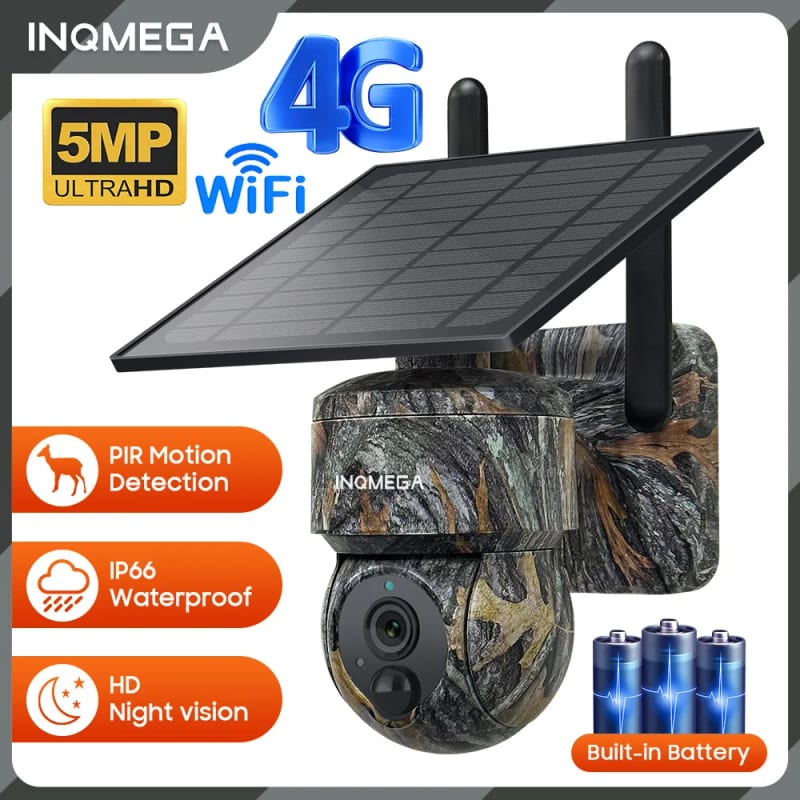
To obtain objective results, we conducted a night vision camera review in three different scenarios: complete darkness with no light sources, a room with dim light from a street lamp, and using built-in IR illumination. All devices were set to factory defaults to evaluate out-of-the-box performance. The testing lasted from 10:00 PM to 3:00 AM to capture peak loads on the sensor and image processing algorithms.
We paid attention not only to image sharpness but also to color reproduction, noise levels, and adaptation speed when lighting conditions changed. An important factor was the presence of Starlight or ColorVu technology, which promises color images even in minimal lighting. The results were unexpected even for experienced users.
How IR illumination works in different models.
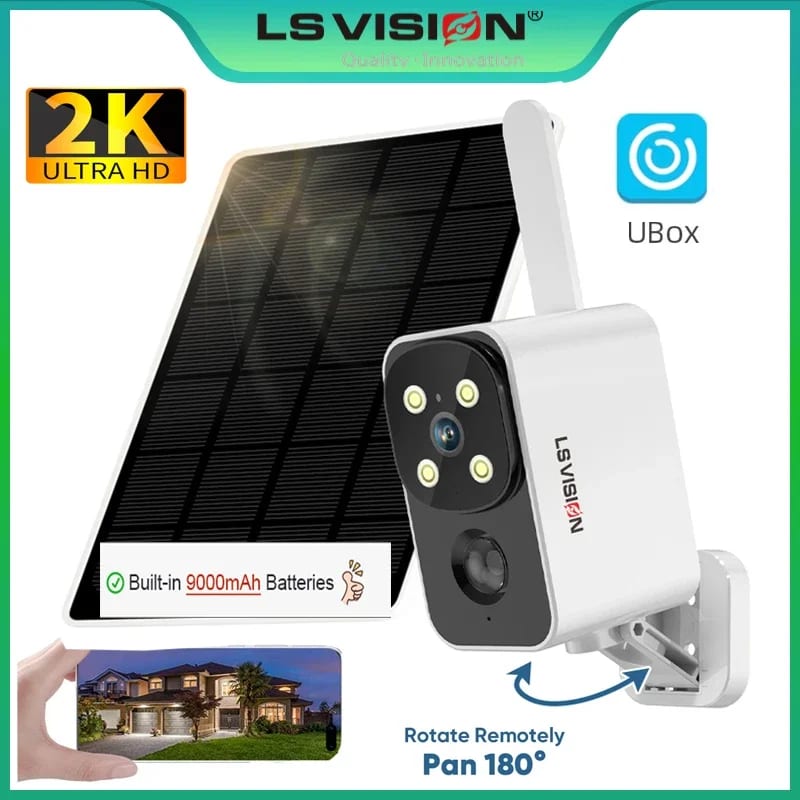
The first stage of the test showed that most budget cameras with IR LEDs provide acceptable black-and-white images at distances up to 10 meters. However, when approaching 15-20 meters, significant overexposure and loss of detail occur. More expensive models with a dual IR filter demonstrated better contrast and sharpness even at the edge of the stated range.
Detail and Clarity in Complete Darkness
A real test of IP camera night vision in complete darkness revealed a significant difference between CMOS sensors of different generations. Models based on Sony Starvis sensors showed the best sensitivity, allowing facial recognition at distances up to 8 meters even without additional illumination. Competitors with cheaper sensors lost detail at 4-5 meters, turning the image into a blurry silhouette.
The performance of noise reduction algorithms (3D DNR) deserves special mention. In models using software for noise suppression, the image appeared more "soapy" but less grainy. This can be critical for analytics systems that require clear object contours. ComfortShop experts advise paying attention to this parameter if motion detection functionality is planned.

Color night vision: reality or marketing.
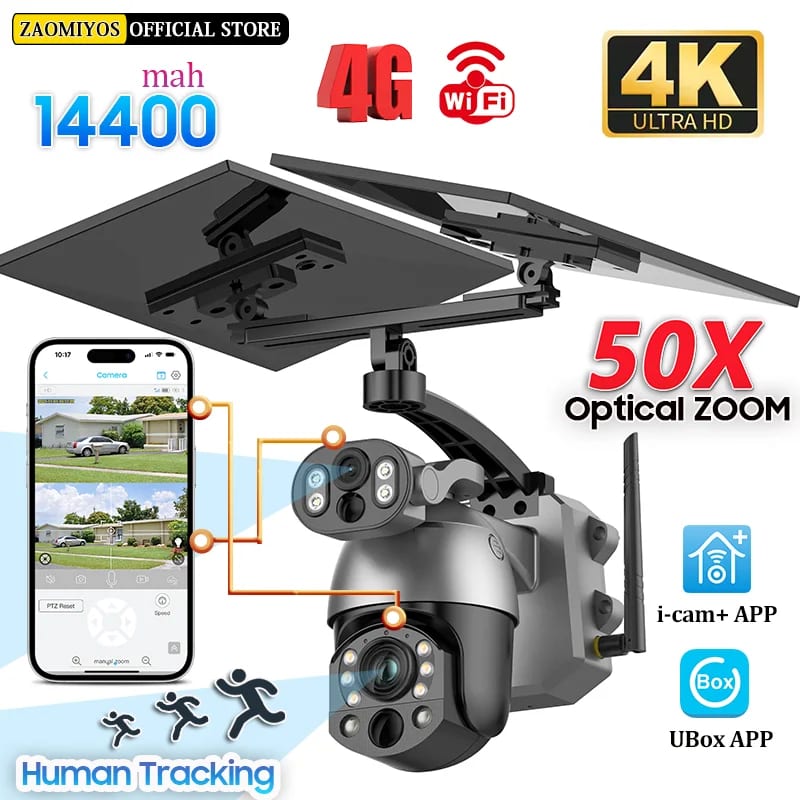
Color night shooting technology does work, but with an important caveat — it requires at least minimal external lighting (0.001-0.01 lux). In our tests, cameras with ColorVu functionality showed bright color images near lights, but switched to black-and-white mode in deep shadow. Thus, it is not a panacea, but a useful option for specific conditions.
Performance in Twilight and Under Artificial Lighting
A separate testing block was dedicated to camera performance in twilight, when natural light gradually fades. It is during this transitional period that problems with autofocus and white balance most often occur. The best test samples switched modes smoothly, without jerks, keeping the color gamut as natural as possible. Other models "went blind" for a few seconds, losing important frames.
Under artificial lighting (incandescent and LED lamps), we evaluated the absence of flicker. An IP security camera with a frame rate of 25 fps and a properly configured shutter should not show stripes in the video. Unfortunately, some budget models could not correctly process light from cheap LED lamps, creating a strobe effect.
- Recommendation: choose models with WDR (Wide Dynamic Range) support for scenes with contrasting lighting.
- Important: the presence of the Smart IR function helps avoid overexposure of objects that are too close to the camera.
Impact of Resolution on Night Video Quality
A common mistake is to assume that an 8 MP (4K) camera always sees better at night than a 2 MP (Full HD) one. Our night camera shooting test debunked this myth. In complete darkness, a 4K sensor with a large number of pixels requires more light, so in low-light conditions, the image can be even worse than that of a less demanding sensor. The optimal choice for night surveillance remains cameras with a resolution of 2-5 MP and a large physical aperture (F1.2-F1.6).
ComfortShop reviewers recommend not chasing megapixels but paying attention to the pixel size of the sensor (the larger, the better the light sensitivity). For example, a 2 MP camera with a 3.75 µm pixel often provides a more detailed and cleaner image at night than an 8 MP model with a 1.45 µm pixel.
Practical Tips for Selection and Installation
After conducting the IP camera night vision test, we compiled several practical recommendations. First, do not neglect proper placement: IR illumination works better when the camera is directed along a wall or fence, rather than into empty space. Second, for outdoor cameras, be sure to use sealed housings with heating to prevent glass fogging at night.
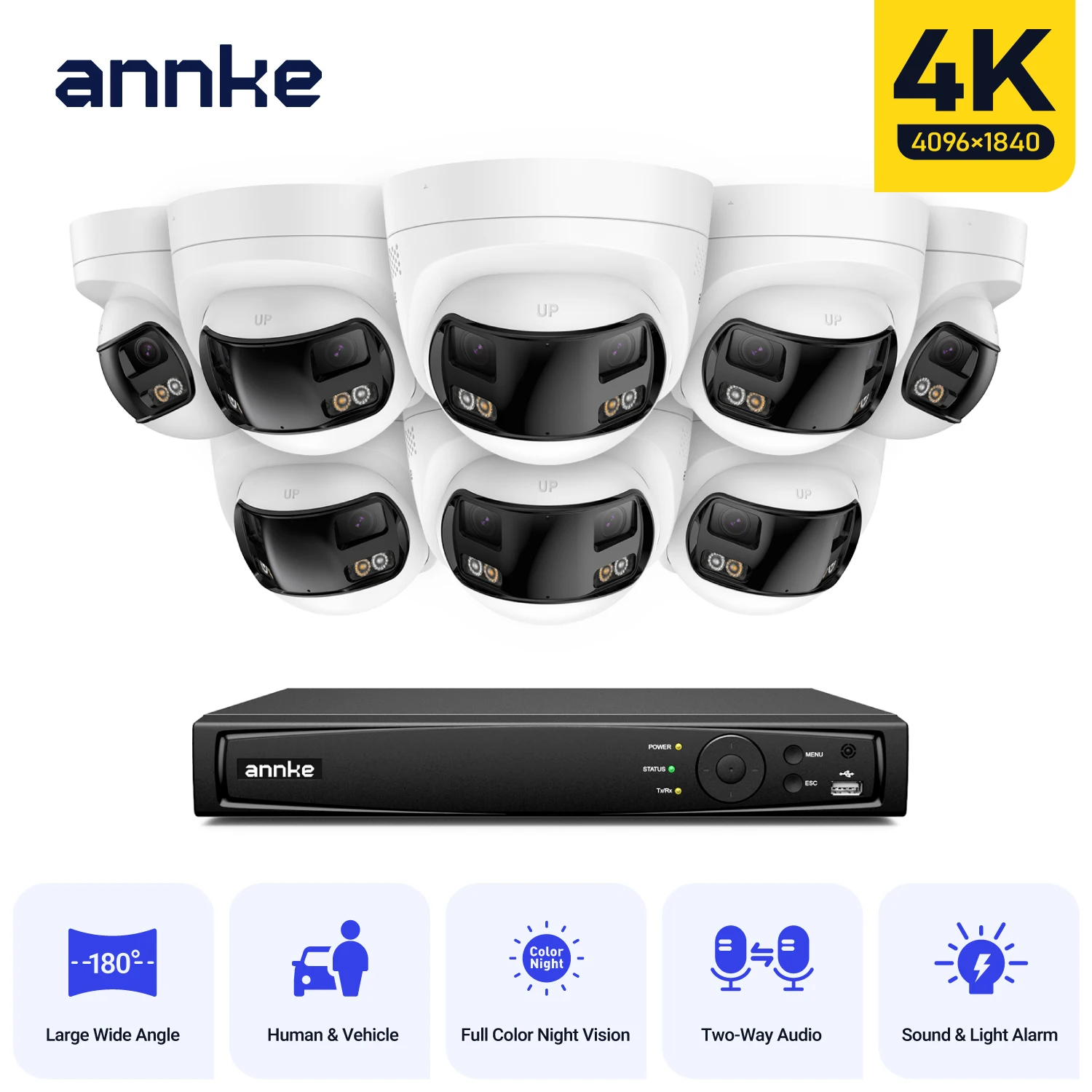
If you are looking for a reliable solution for your home, pay attention to models with PoE (Power over Ethernet) support. This simplifies installation and ensures stable power, which is critical for IR illumination operation. It is also worth checking the field of view: wide-angle lenses (2.8 mm) provide more coverage but reduce the IR illumination range.
Conclusion:
The real test showed that night vision quality depends on a combination of factors: sensor type, lens aperture, IR illumination power, and software processing. The best results were demonstrated by models with Sony Starvis sensors and fast optics, capable of providing detailed images at distances up to 15-20 meters. For most home tasks, a 2-5 MP camera with Smart IR function is sufficient, while for commercial facilities, options with color night mode should be considered. ComfortShop experts recommend reviewing real tests and video samples before purchasing, as the IP camera night vision rating does not always reflect the actual picture in specific operating conditions.
Frequently Asked Questions
Do all IP cameras shoot equally well at night?
No, night shooting quality depends on the sensor type, lens aperture, and the presence of IR illumination — budget models often produce blurry images at distances over 10 meters.
How to distinguish a real night vision test from an advertising one?
Look for videos with real darkness conditions (without additional lighting) and comparisons of several models under the same conditions — this will provide an objective assessment.
Is a regular IP camera sufficient for nighttime security?
For basic home surveillance — yes, but for critical security, it is better to choose models with a Starlight sensor or color night mode, which clearly capture faces and license plates.
Which IP camera night vision rating is the most accurate?
Independent reviews on YouTube and specialized forums, where real tests with measurements of IR illumination range and noise levels are published, are considered the most objective.