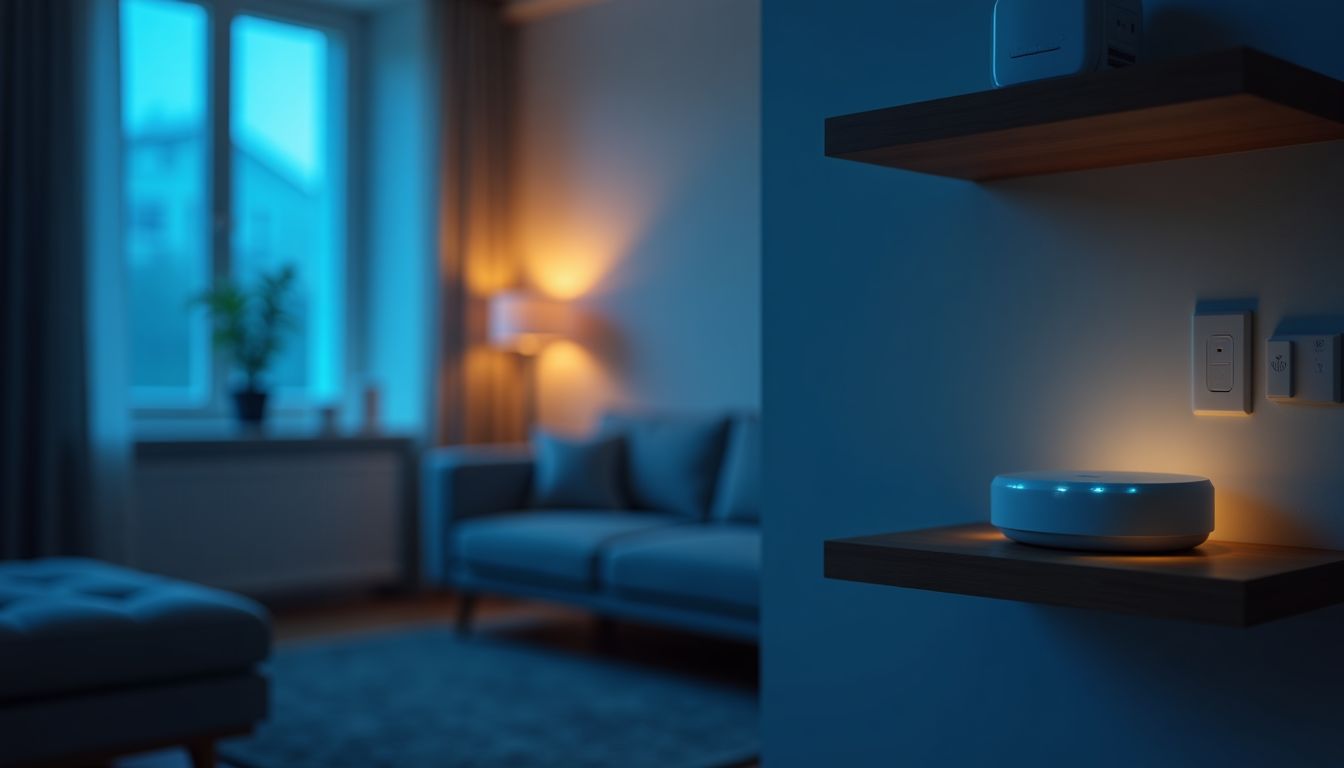
Modern technologies are transforming our homes into intelligent spaces that not only increase comfort but also save money. One of the most pressing issues for every homeowner is the constant rise in utility tariffs. Electricity, heating, and water make up a significant portion of monthly expenses. Fortunately, the "smart home" concept offers not just automation, but a whole range of intelligent solutions for efficient resource management. This article will explain how to properly set up a smart home system to achieve real savings, avoid common mistakes, and make your home truly energy-efficient.
? Table of Contents
Consumption Analysis: Where to Start Saving

The first step to reducing bills should not be blindly buying gadgets, but a clear understanding of where your money is going. Without this, any investment may prove futile. A smart home begins with monitoring.

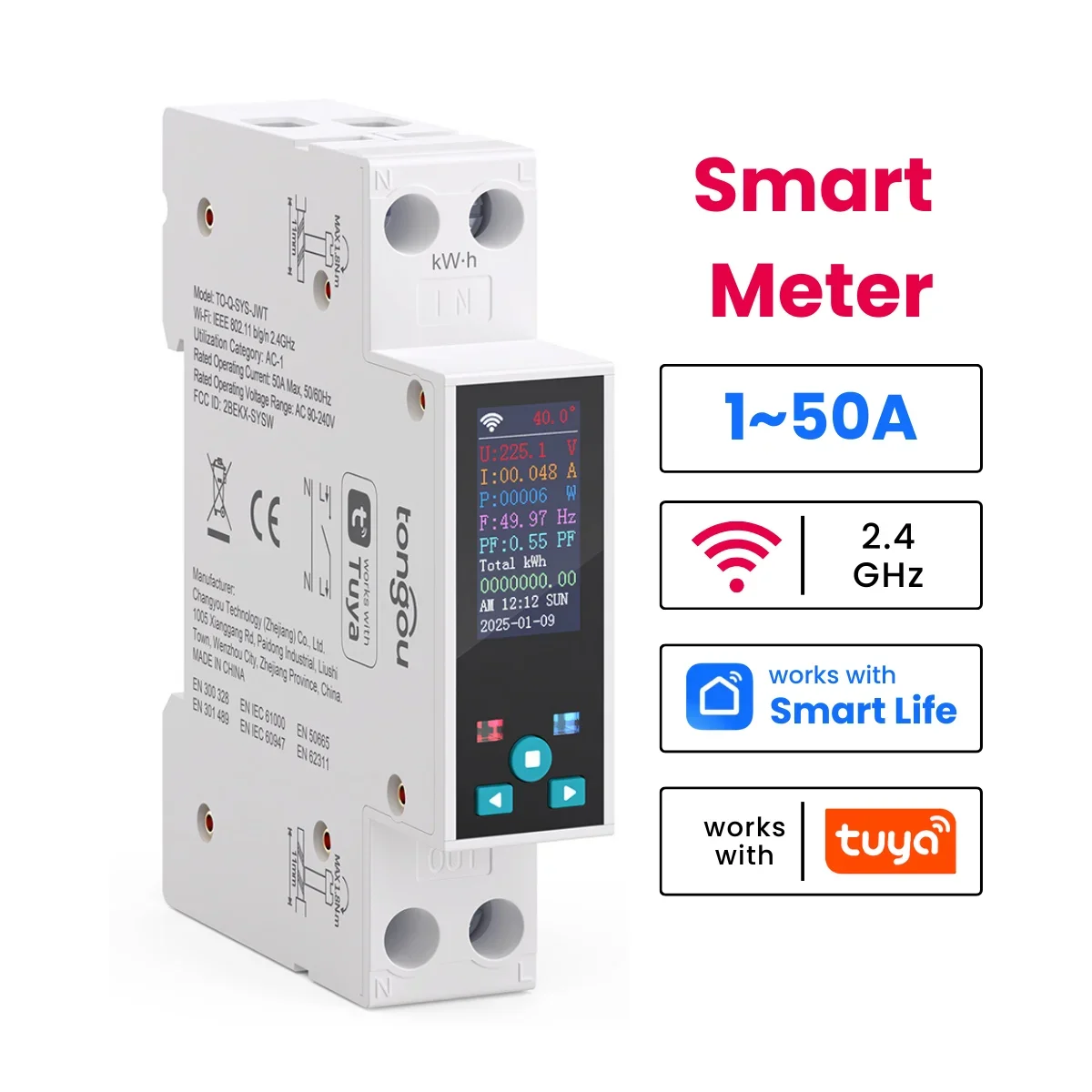
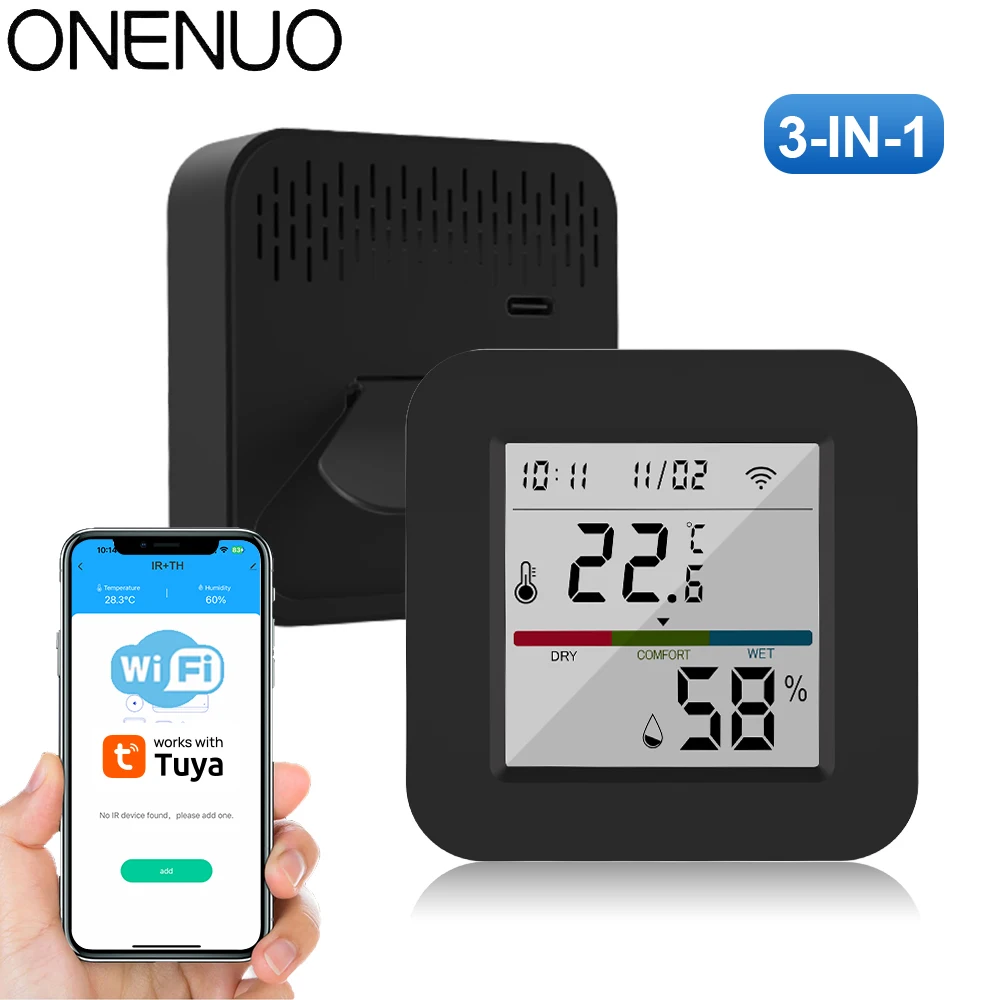
Modern systems offer smart plugs with energy monitoring functions and even whole-apartment controllers. Install such devices on the most "energy-hungry" appliances: water heater, air conditioner, electric stove, washing machine. Within a week, you will receive detailed statistics in a smartphone app: how many kilowatt-hours each device consumes, at what time, and at what cost.
This data will allow you to identify unexpected expenses, such as an old TV left in standby mode or excessively long water heater cycles. Only after such an analysis can you move on to planning specific savings measures, because you will know exactly which appliances to focus on first.
Intelligent Lighting Management
Lighting is a classic area where automation provides quick and noticeable results. The main goal is to prevent situations where lights are on in empty rooms or outdoors during daylight hours.
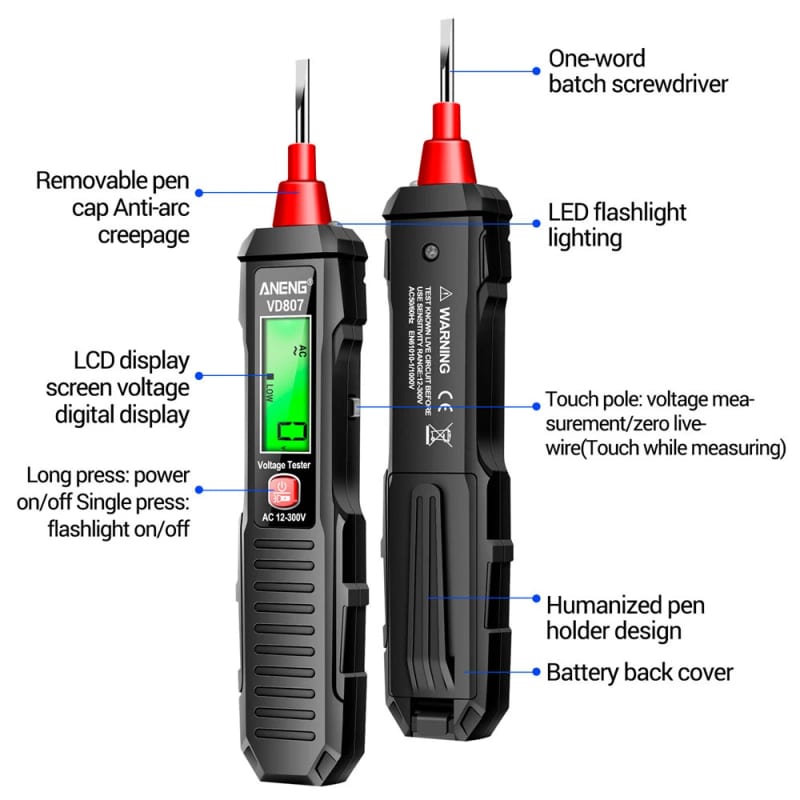
The main rule: light should be where it is needed, and when it is needed.
For this, motion and presence sensors are used, which turn on the light only when a person is detected and automatically turn it off after a set time once the room is empty. This is ideal for hallways, bathrooms, dressing rooms, and areas where people often forget to turn off the light. For outdoor lighting, light sensors are essential — they activate LED lights only after dusk.
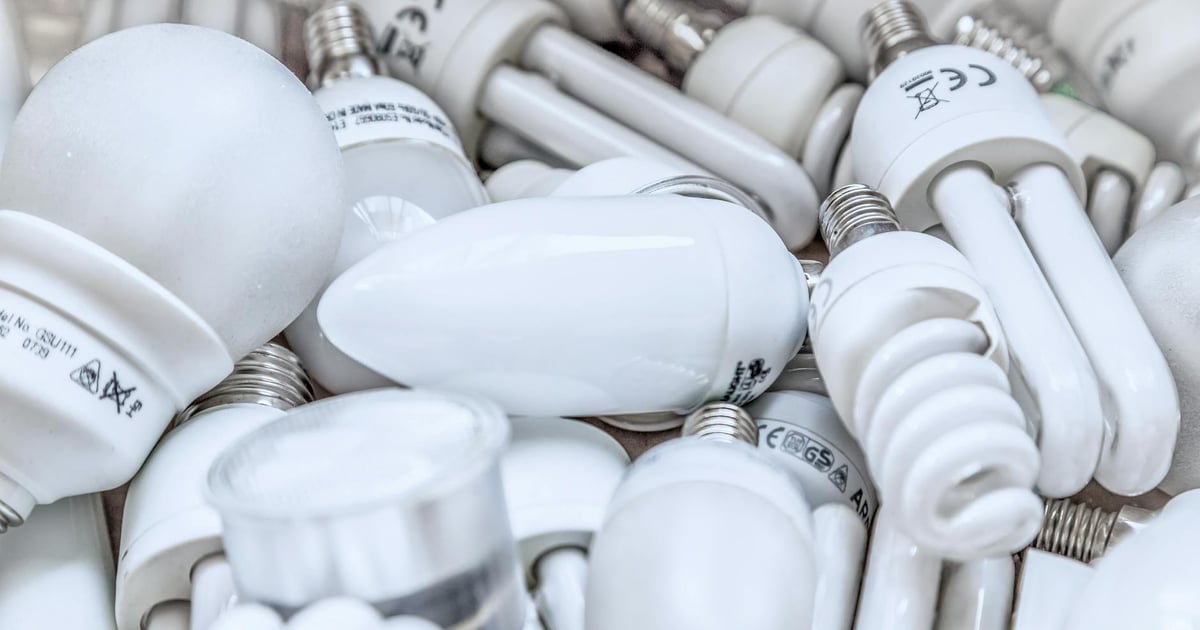
The second level of savings is the use of smart bulbs and dimmers. You can set up automatic dimming of lights in the evening to create coziness and reduce consumption, or program scenarios where, when you leave home, all lamps are guaranteed to turn off with one button in the app. Replacing conventional incandescent bulbs with LEDs combined with smart management provides savings of up to 80% on lighting.
Climate Control and Heating: The Biggest Savings Potential
Heating and air conditioning are the largest energy expense items in a home. Here, smart technologies fully reveal their potential. The foundation of the system is programmable thermostats for radiators or smart climate controllers for boilers and air conditioners.
A typical mistake is constantly maintaining the same temperature day and night, as well as when no one is home. A smart thermostat solves this issue. You set a schedule: for example, lowering the temperature by 3-5 degrees while you are away at work and during sleep. The system will automatically warm the house by the time you return or wake up. Such a simple mode can reduce heating costs by up to 30%.
To increase efficiency, the system is supplemented with open window sensors. If you are airing out a room, the thermostat will automatically pause the boiler to avoid heating the outdoors. Integration with a weather station allows the system to take into account outside temperature and solar activity, adjusting equipment operation to minimize costs.
Water Savings and Managing Large Household Appliances
Water and electricity consumed by washing machines and dishwashers can also be optimized. Smart systems allow you to control these processes remotely and on a schedule.
The key to savings is starting at the most advantageous time.
Many electricity suppliers have night tariffs that are significantly lower than daytime rates. Use a smart plug or the built-in functions of appliances to schedule washing cycles to start after 11:00 PM. This also applies to water heater operation: it can heat a full tank of water at night at a cheap rate, and only maintain the temperature during the day. For water savings, "smart" faucets with motion sensors that supply water only when hands are under them are effective, as well as leak sensors that will alert you to an emergency and shut off the valve, preventing large losses.
It is important not just to automate, but to optimize. For example, do not run a half-empty dishwasher. Use smart laundry scales (in some modern washing machine models) or simply accumulate enough items for a full load to make each cycle as efficient as possible.
Common Mistakes and How to Avoid Them
On the path to an energy-efficient smart home, many people make similar mistakes that negate all efforts. Here are the most common ones.
The first mistake is buying disparate devices from different manufacturers that do not integrate into a single system. As a result, you have to control each device through a separate app, making it difficult to create complex energy-saving scenarios (e.g., "Leaving Home," which simultaneously adjusts the temperature, turns off lights, and all unnecessary appliances). Solution: choose technology that supports common standards like Matter, or devices from one brand with a single hub.
The second mistake is excessive automation without considering habits. For example, overly aggressive motion sensor settings that turn off the light while you are reading a book in an armchair. This causes frustration and leads to abandoning the system. Solution: configure the turn-off delay time individually for each room, starting with conservative values.
The third mistake is ignoring basic energy efficiency. A smart home cannot save energy if you have old drafty windows, lack wall insulation, or use incandescent bulbs. First, take care of thermal insulation, window replacement, and lighting, and then supplement this with smart systems for maximum results.
Conclusion:
A smart home is a powerful tool for reducing utility costs, working through analysis, automation, and optimization. Savings are achieved not by magic, but by logical management of energy, water, and heat according to the real needs and schedules of the residents. Start with monitoring, gradually implement solutions for lighting, climate, and large appliances, carefully avoiding common mistakes with integration and settings. With the right approach, investments in smart technologies will pay off within a few seasons thanks to significantly reduced bills.