Handheld vacuum cleaner for car and home: what to choose.
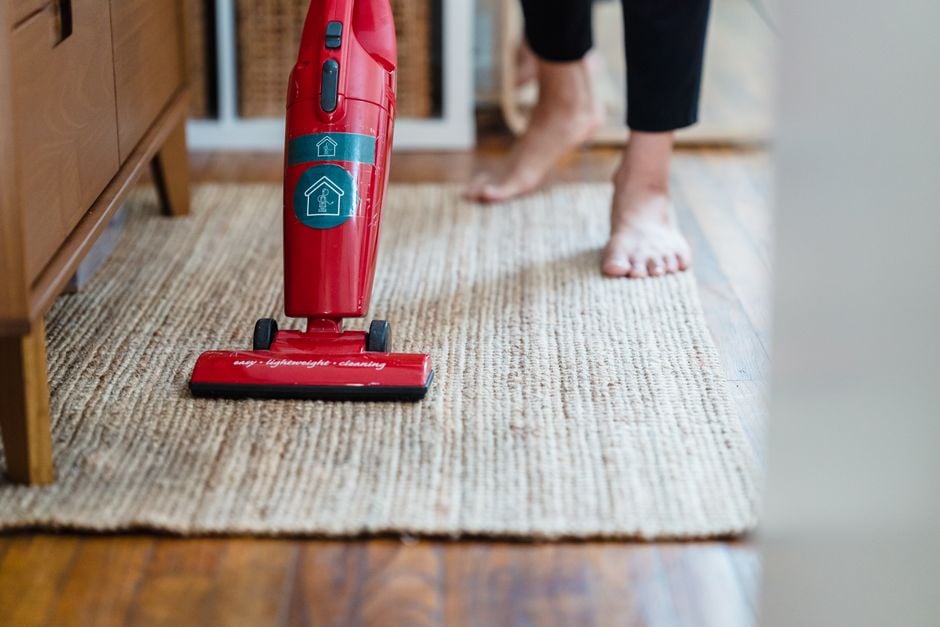
A handheld vacuum cleaner for car and home is a compact device that saves the day in situations where using a large unit is impractical or cumbersome. It is equally convenient for cleaning crumbs in a car interior, removing dust from a keyboard, cleaning upholstered furniture, or tackling local dirt in the kitchen. Choosing such a device requires attention to several key parameters, as they determine whether the purchase will truly become a helper or just take up space in a closet. According to the recommendation of the ComfortShop editorial team, it is worth considering models that offer an optimal balance of power, autonomy, and ease of use.
Table of Contents
Suction Power and Power Type
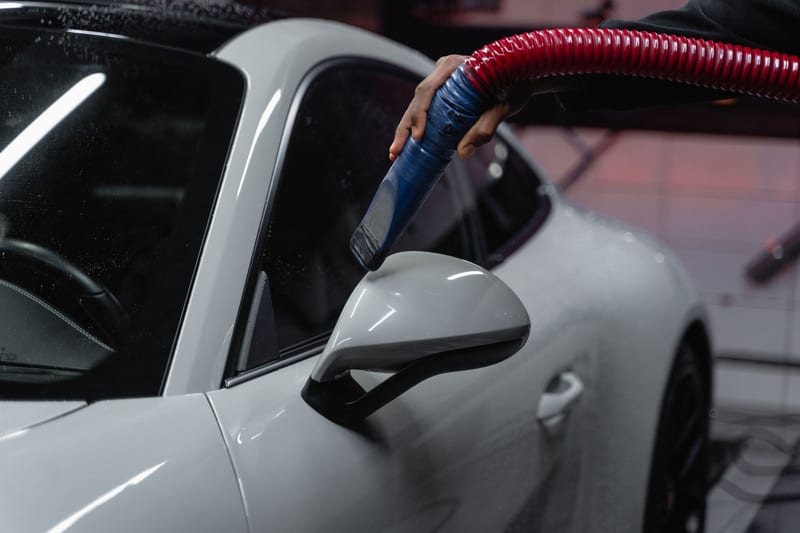
The first thing to pay attention to is the suction power, measured in air watts (AW) or pascals (Pa). For household tasks like picking up small debris, pet hair, or sand from mats, a rating of 4000 to 8000 Pa is sufficient. If you plan to use a handheld vacuum cleaner for car and home intensively, for example, for cleaning car seats, it is worth choosing models with a power of over 10000 Pa.
The power type determines the device's mobility. Cordless models are the most popular choice because they are not tied to an outlet and allow you to clean in the garage, on the balcony, or simply in a room without extra wires. The average runtime of such vacuum cleaners is 15-30 minutes, which is quite enough for quick cleaning. Models with Li-Ion batteries charge faster and hold capacity longer compared to Ni-MH.
Corded options that work from a cigarette lighter or a regular outlet have no time limits but are less convenient. For a car, such a vacuum cleaner can be ideal if you don't forget to plug it in, but at home, it will be less practical due to the need to drag an extension cord.
Accessories and Attachments
The versatility of a handheld vacuum cleaner largely depends on the set of attachments. A basic set usually includes a crevice tool for narrow spaces (gaps between seats, keyboard, furniture corners) and a soft bristle brush for delicate surfaces. Some manufacturers add a turbo brush that effectively removes pet hair from fabrics or an extension hose for accessing hard-to-reach areas.
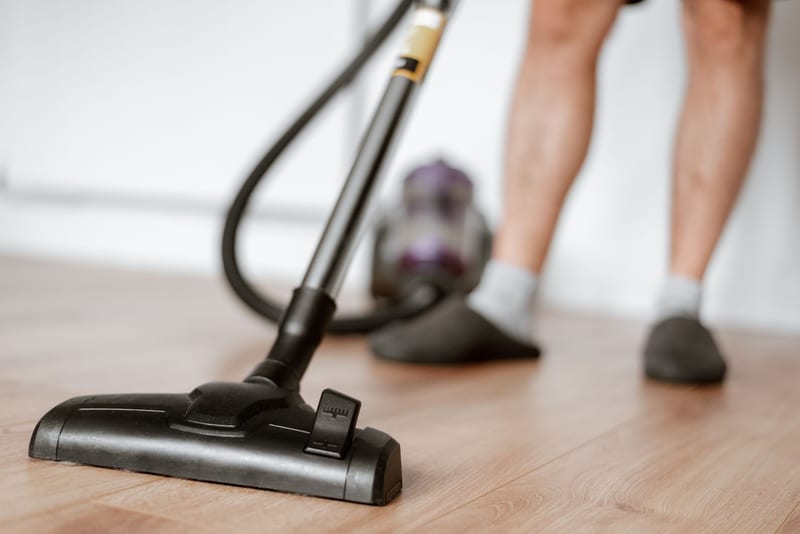
ComfortShop experts advise paying attention to models where attachments attach directly to the body or are stored in a compact case. This prevents the loss of small accessories and makes storage more convenient. For a car, an attachment with an extended nozzle is especially useful, allowing you to reach debris under the pedals or deep into door pockets.
If you plan to use the vacuum cleaner at home, make sure the set includes a soft brush for dust on bookshelves or blinds. The presence of a HEPA filter is also a big plus, as it traps fine dust particles and allergens, which is especially important for people with allergies.
Container Capacity and Filtration System
Handheld vacuum cleaners have small dust containers — from 100 to 500 ml. For spot cleaning in a car, this is quite sufficient, but at home, especially if you have pets, the capacity can be critical. Models with a container smaller than 200 ml will need to be emptied after every second use, which is a bit inconvenient.
The filtration system is something you shouldn't skimp on. The best results are shown by vacuum cleaners with cyclonic filtration, which separates dust from the air without loss of power. An additional fine filter (HEPA or its equivalents) ensures clean air output, which is important if you are cleaning in the enclosed space of a car.
Some models are equipped with washable filters that can be rinsed with water. This is convenient from a maintenance standpoint — just rinse them under the tap once a month. However, remember that paper filters require regular replacement, so it's worth checking the availability of consumables in advance.
Ergonomics and Weight
Since a handheld vacuum cleaner for car and home is often held in one hand for an extended period, its weight and body shape are crucial. The ideal weight is up to 1-1.5 kg. Heavier models can cause hand fatigue after just 5-7 minutes of cleaning. Pay attention to the location of the power button — it should be under your thumb or easy to press with your grip.
The body shape also affects convenience: models with an extended nozzle allow you to reach distant places without additional attachments, while compact "rectangles" fit comfortably in the trunk or on a shelf. Some vacuum cleaners have a removable battery, allowing you to swap it for a spare one during long cleaning sessions.
Don't forget about the noise level. For a car, this is not so critical, but at home, especially if you are cleaning at night or when a child is sleeping, a quiet model will be a big advantage. Most modern handheld vacuum cleaners operate at 70-80 dB, comparable to a loud conversation.
How to Choose the Ideal Option for Your Needs
Choosing the best handheld vacuum cleaner depends on your priorities. If you plan to use it mainly in the car, choose a model with a power of at least 8000 Pa, a runtime of 20 minutes, and a convenient crevice tool. For home use, quiet operation, the presence of a HEPA filter, and the ability to work without recharging for at least 25-30 minutes are more important.