Choosing a backpack for a multi-day hike is a fundamental decision that directly affects your comfort, spinal health, and overall enjoyment of the adventure. Unlike urban models, a hiking backpack for the mountains must withstand significant loads, be resistant to weather conditions, and ensure proper weight distribution over many hours of walking. In this article, we will thoroughly examine the key parameters to pay attention to so that your trip is as pleasant and safe as possible.
Article Contents
Volume and Capacity: The Foundation of the Right Choice

The first thing to start your search with is determining the required liter capacity. For weekend hikes, models with a volume of 40–55 liters are usually sufficient, while a full-fledged backpack for a multi-day hike requires 60 to 80 liters or more. If you are planning autonomous routes with a large supply of food, fuel, and cold-weather gear, it is worth looking at models of 90+ liters.
It is important to understand that a backpack that is too large tempts you to take extra items, while one that is too small forces you to attach gear externally, which disrupts balance. According to the recommendation of the ComfortShop editorial team, the optimal starting point for a beginner on long trips is the 65–75 liter range. This volume allows you to fit a tent, sleeping bag, sleeping pad, clothing, and provisions for 5–7 days without critical overloading.
In addition to the total liter capacity, pay attention to the presence of separate pockets, a bottom entrance, and side mesh pockets. This significantly simplifies organizing your gear and accessing it while moving, which is especially valuable when you need to quickly grab a raincoat or a water bottle.
Suspension System and Back Adjustment
The best hiking backpacks differ from budget counterparts precisely in the quality of the suspension system. It consists of a frame (rigid or semi-rigid), shoulder straps, a sternum strap, and, most importantly, a hip belt. It is the hips that should bear up to 70–80% of the weight to relieve the spine and shoulders.

Before choosing a backpack for a hike, be sure to try it on with a load. The back panel should fit snugly but not press. Many modern models have an adjustable back length system (Adjustable Back Length), which allows you to perfectly fit the backpack to your height. This is critically important, as an incorrectly fitted back panel leads to chafing, lower back pain, and rapid fatigue.
Also, pay attention to back ventilation. Mesh panels or air channels between the back and the backpack significantly increase comfort in hot weather or during intense climbs, preventing excessive sweating.
Materials and Moisture Protection
A hiking backpack for the mountains constantly comes into contact with rocks, branches, the ground, and precipitation, so the fabric must be as wear-resistant as possible. The most common materials are Cordura nylon, Robic, or high-quality polyester with varying weave densities (from 210D to 1000D). The higher the density, the stronger the fabric, but also the heavier the product.

After analyzing open sources, the ComfortShop editorial team notes that for most hikers, the optimal balance of strength and weight is fabrics with a density of 400–600D on the main panels. The bottom of the backpack is often made from a denser material or additionally reinforced, as this area suffers the most from friction against the ground.
Water resistance deserves special mention. Most backpacks have a water-repellent coating (DWR), but this is not full protection against a downpour. Therefore, a rain cover, which is often included, is an essential accessory. For additional protection of your sleeping bag and clothing, use dry bags inside the main compartments.
Weight and Ergonomics: Balancing Reliability and Lightness
The weight of the backpack itself is an important factor, especially if you strive for lightweight hiking. Light models (1.5–2.2 kg) provide greater freedom of movement but often have a less rigid suspension and are designed for loads up to 15–18 kg. Heavier backpacks (2.5–3.5 kg) have a more powerful frame and can comfortably carry 25–30 kg of gear.
A review of quality trekking backpack models shows that modern manufacturers are trying to reduce weight through the use of lightweight aluminum stays, thinner but stronger fabrics, and thoughtful design. However, you shouldn't chase minimal weight at the expense of functionality unless you adhere to a strict ultralight philosophy.
Ergonomics also includes the convenience of accessing your gear. Models with front loading (like a suitcase) or side zippers allow you to quickly find the item you need without unpacking the entire contents. This is especially relevant during rain or in the cold, when every minute is precious.
Additional Features and Accessories
A modern backpack for camping and long hikes is often equipped with a number of useful details that enhance usability. These include:
- Attachments for trekking poles or an ice axe — allows you to free your hands on difficult sections.
- Hydration bladder compatibility — a special compartment and an opening for the tube so you can drink water on the go.
- Removable top lid — can be converted into a waist pack for radial excursions.
- Compression straps — for reducing volume and stabilizing the load.
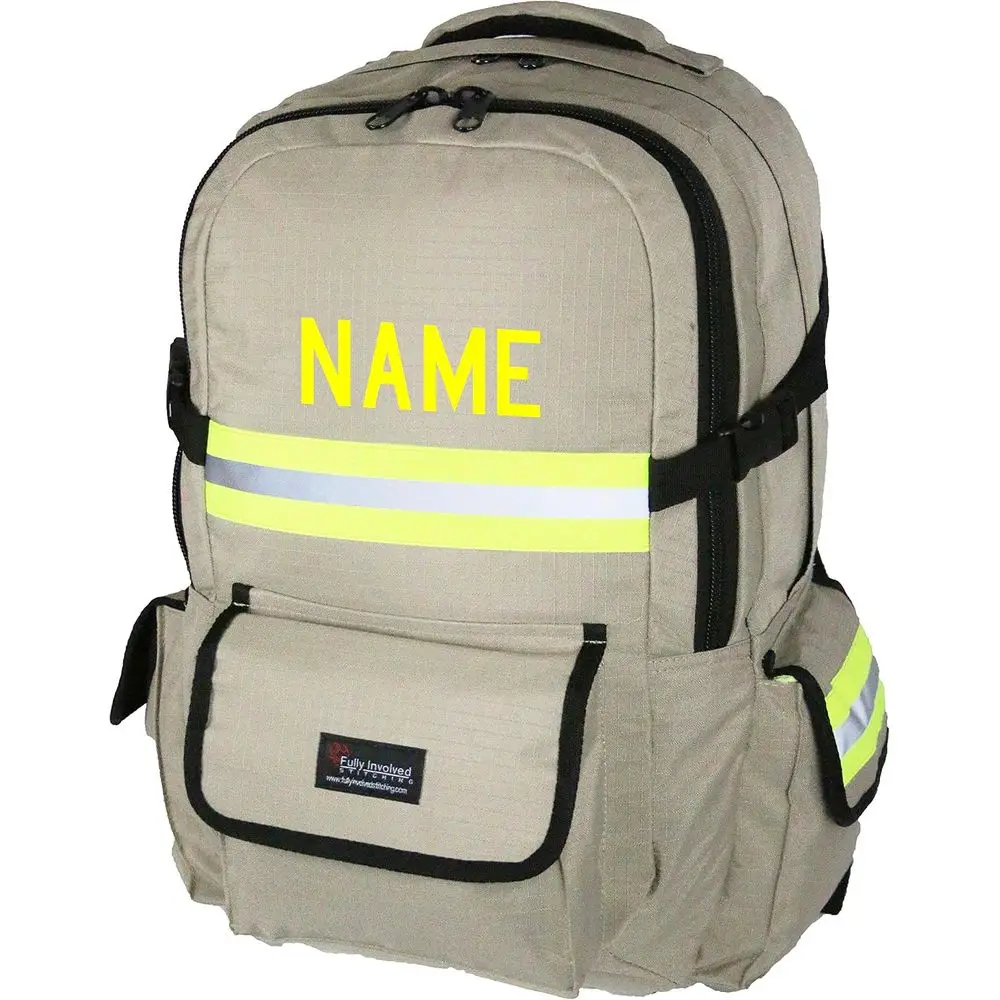
- Reflective elements — increase safety when moving in twilight.
Also, pay attention to the presence of a bottom compartment for the sleeping bag with a separate zipper. This is very convenient, as you don't need to unpack the entire backpack to get warm clothes or a sleeping bag in the evening. Some models have special loops for attaching additional gear externally