Allergies and asthma can significantly impact quality of life, turning your own home into a source of constant discomfort. Dust, pollen, pet dander, microscopic mites, and other allergens are constantly present in the air, triggering symptoms. In this situation, an air purifier becomes not just a device, but an essential tool for creating a safe environment. However, the market offers a multitude of technologies: HEPA filters, photocatalytic, ionizers, ozonators, and their combinations. Which air purifier is best for allergy and asthma sufferers? This question requires a detailed comparison of the effectiveness, safety, and specialization of each type of device.
? Table of Contents
- Key Criteria for Choosing a Purifier for Allergy and Asthma Sufferers
- Comparison of Main Air Purification Technologies
- Photocatalytic and UV-C Purifiers: Fighting Microbes and Volatile Compounds
- Combined Solutions and Analysis of a Specific Model
- Comparison Table: What to Choose for Different Needs
- Conclusion:
Key Criteria for Choosing a Purifier for Allergy and Asthma Sufferers
Before comparing technologies, it is important to understand which parameters to focus on when choosing a device for combating allergens. Purification efficiency is not just a marketing slogan, but specific indicators confirmed by certificates.
The most important factor is the type of filtration. For mechanical capture of particles such as dust, pollen, and dander, fine filters are needed. Also critical is the device's performance, determined by the CADR (Clean Air Delivery Rate) indicator. It indicates the volume of clean air the device can deliver in a given time. For effective operation, the CADR must match the size of your room.
Safety is another key aspect, especially for asthmatics. Some technologies can generate by-products, such as ozone, which is a strong respiratory irritant. Therefore, an air purifier must have relevant certificates (e.g., for ozone-free operation) and be recommended by authoritative medical associations.
Comparison of Main Air Purification Technologies
HEPA Filters: The Gold Standard for Allergy Sufferers.
HEPA (High Efficiency Particulate Air) filters are mechanical filters that physically trap particles. A true HEPA filter (class H13 or H14) traps at least 99.97% of particles sized 0.3 microns. This is ideal for most airborne allergens: dust, pollen, mold spores, dust mite feces, and pet dander.
The advantages of HEPA purifiers are obvious: high efficiency, absolute safety (they do not produce ozone), and predictable results. The disadvantage is the need for periodic filter replacement, and also that they do not remove odors and volatile organic compounds on their own. This requires an additional carbon filter.
Ionizers and Ozonators: Questionable Safety.
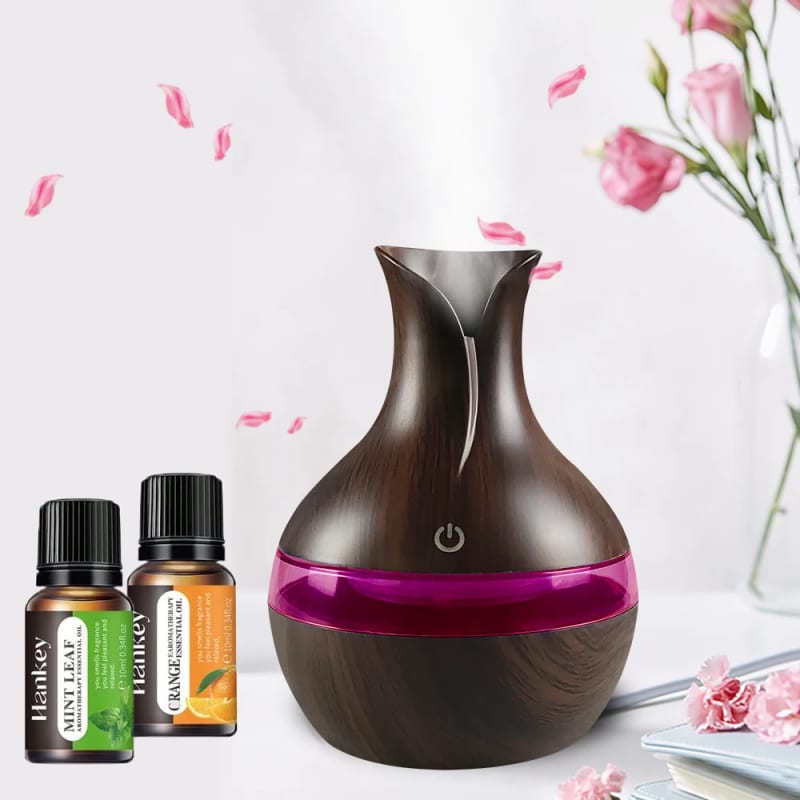
These devices work by releasing negatively charged ions or ozone (O3) into the air. Ions can theoretically "weigh down" particles, causing them to settle on surfaces. Ozone, being a strong oxidizer, destroys pollutants at the molecular level.
However, for allergy and asthma sufferers, these technologies carry risks. Ozone is a toxic gas that irritates the lungs and can worsen asthma. Ionizers often produce ozone as a by-product and also cause allergens to settle on furniture, from where they can re-enter the air. Such devices are not recommended for people with respiratory problems.
Photocatalytic and UV-C Purifiers: Fighting Microbes and Volatile Compounds
Photocatalytic purifiers use ultraviolet light and a catalyst (usually titanium dioxide) to break down organic pollutants, viruses, bacteria, and odors into safe components. This is effective against volatile organic compounds (VOCs) from paints, varnishes, and household chemicals.

The main advantage is the ability to destroy chemical substances rather than just filter them. However, for combating solid allergen particles (pollen, dust), their effectiveness is lower than that of HEPA filters. Some models can also generate a small amount of ozone. These technologies work best in combination with a HEPA filter, providing comprehensive protection.
UV-C lamps directly disinfect the air, killing microorganisms. But they are ineffective against non-bacterial allergens (dust, pollen) and also require careful handling due to the potential harm from direct UV radiation exposure.
Combined Solutions and Analysis of a Specific Model
Modern, most effective air purifiers for allergy and asthma sufferers combine several technologies. A typical optimal configuration includes: a pre-filter for large debris, a HEPA filter for particles, a carbon filter for absorbing gases and odors, and sometimes an additional UV lamp or photocatalytic module for disinfection.
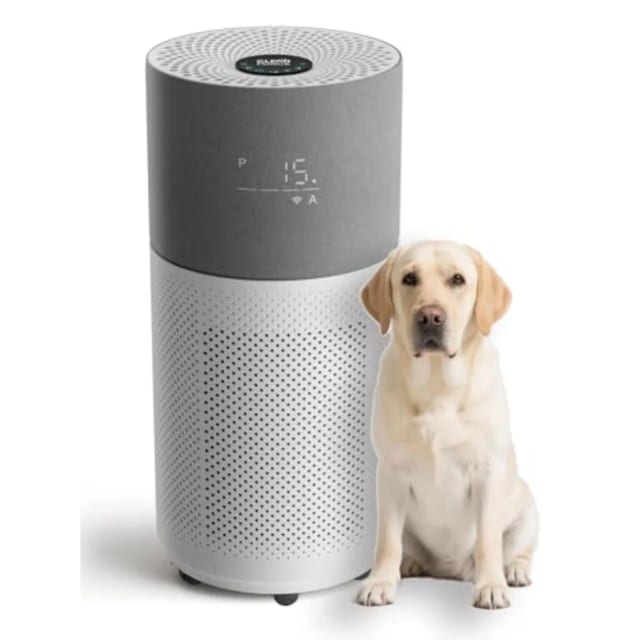
As an example, consider the model Air Purifier for Home Large Room up to 2550 ft Swiss Sanitized HEPA Carbon Filter asthma allergy friendly Certified for Dust/Po. Its specifications directly indicate specialization for people with allergies and asthma:
- Certified HEPA Filter (likely class H13): guarantees trapping 99.97% of allergen particles.
- Carbon Filter: helps combat odors and chemical fumes.
- asthma & allergy friendly Certification: means the device has been independently tested for effectiveness and safety for sensitive individuals (including the absence of harmful ozone emissions).
- High Performance (up to 2550 sq. ft.): suitable for large rooms, providing fast and effective purification.
- "Swiss Sanitized" Technology: usually means treating the filter with an antimicrobial agent that prevents the growth of bacteria and mold on the filter itself.
This model is a prime example of a combined approach specifically tailored to medical needs.
Comparison Table: What to Choose for Different Needs
| Type of Purifier | Main Advantage | Main Disadvantage for Allergy Sufferers | Who It Suits |
|---|---|---|---|
| HEPA + Carbon Filter | Maximum particle capture, safety, predictability. | Does not destroy chemical compounds, requires filter replacement. | All allergy and asthma sufferers as a basic and safest choice. |
| Photocatalytic | Effectiveness against gases, odors, microbes. | Less effective for particles, risk of ozone generation. | As a supplement to HEPA for strong odors or for disinfection. |
| Ionizer / Ozonator | Ability to treat large areas without filters. | Risk of ozone emissions, allergens settling on surfaces. | Not recommended for people with allergies and asthma. |
| Combined (HEPA+Carbon+UV) | Comprehensive protection: particles, gases, microbes. | Higher cost and maintenance. | Allergy sufferers sensitive to chemicals and for maximum protection. |
Conclusion:
The choice of the best air purifier for allergy and asthma sufferers clearly leans towards devices with certified HEPA filters, supplemented by a carbon filter. This combination provides safe and mechanically effective removal of major airborne allergens without harmful side effects. Models with additional features, such as antimicrobial filter treatment or UV disinfection, offer expanded protection, but their foundation is always a high-quality HEPA filter. Therefore, when choosing, focus on certification, performance (CADR) for your room, and the absence of ozone generation to create truly healthy air in your home.