An anti-slip bath mat is not just an accessory, but an important safety element that prevents injuries on wet floors. Choosing a quality non-slip bath mat is often complicated by the huge assortment of materials, shapes, and manufacturers. In this material, we will examine the key selection criteria, compare popular options, and compile a rating of bath mats based on an analysis of characteristics. According to the recommendation of the ComfortShop editorial team, you should pay attention not only to the design, but also to the physical properties of the surface.
Article Contents
Why you need an anti-slip bath mat
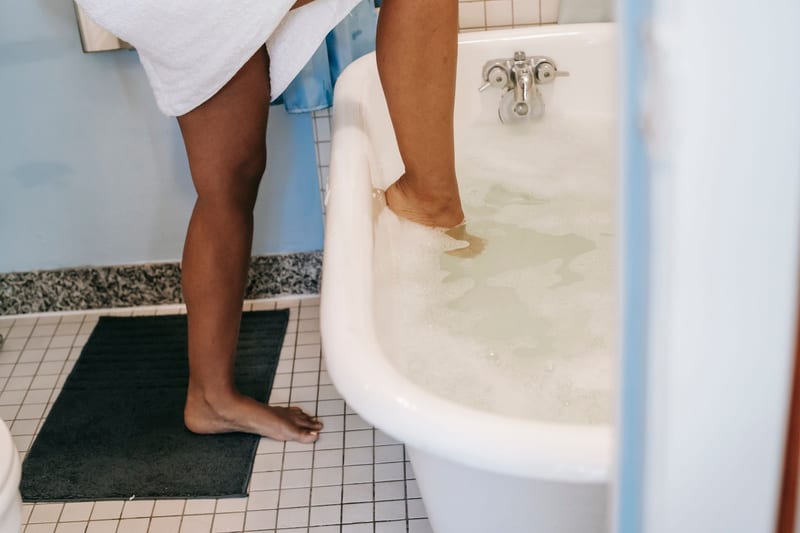
The main function of such a product is reliable fixation of the foot on wet enamel or acrylic. Modern models are made of PVC, silicone, or rubber, which provide a high coefficient of friction even upon contact with soap foam. This is especially important for families with children and elderly people, where the risk of falling is significantly higher.
In addition to safety, a quality mat also serves a protective function for the bathtub surface itself. It prevents scratches from shower caddy legs or children's toys. Based on an analysis of characteristics, ComfortShop recommends considering models with suction cups that fit tightly to the bottom and do not collect water underneath.
Additionally, the hygienic aspect is worth noting. A quality safe mat has an antibacterial treatment that prevents the growth of fungus and mold in a humid environment. This extends the service life of the product and preserves its aesthetic appearance.
How to choose a bath mat: key parameters
Before purchasing, you should pay attention to several important technical characteristics that directly affect ease of use and durability. First of all, this is the manufacturing material.
PVC mats are considered the most practical. They are soft, dry quickly, and have an affordable price. Silicone models are more expensive, but they are hypoallergenic and can withstand high temperatures. Rubber options are the densest, but they may have a specific odor in the first days of use.
- Size: the mat should cover at least 70% of the bathtub bottom or shower tray.
- Presence of suction cups: the more there are, the better the fixation on a smooth surface.
- Perforation: holes ensure quick water drainage and ventilation.
- Care: the possibility of machine washing at 30-40°C greatly simplifies life.
After analyzing open sources, the ComfortShop editorial team notes that the optimal choice for most users is a medium-hardness PVC mat with fine perforation and a large number of suction cups.
Rating of bath mats: comparison of materials
To understand which bath mat withstands review best, we have systematized information about the most common surface types. Each material has its own advantages and disadvantages that should be considered depending on operating conditions.
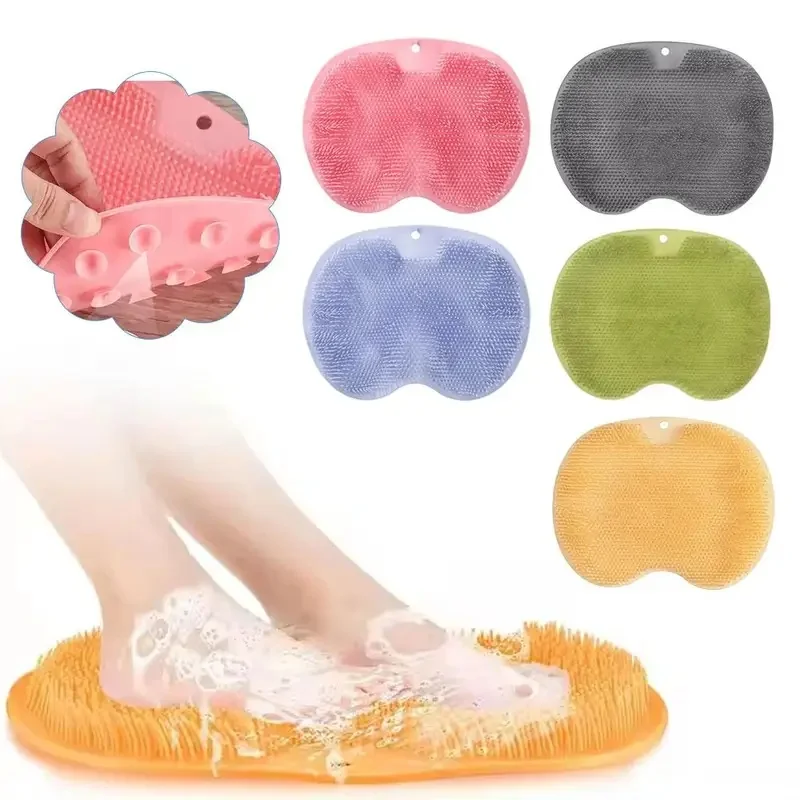
Silicone mats are often called the best anti-slip mat for children's baths. They do not contain toxic plasticizers, have a pleasant texture to the touch, and can withstand boiling for disinfection. However, their cost can be twice as high as PVC counterparts.
Rubber products demonstrate the highest wear resistance. They are suitable for intensive daily use, do not deform from hot water, and are resistant to household chemicals. The only nuance is their significant weight and the need for thorough drying after each bath.
Practical tips for use and care
Even the highest quality product will quickly lose its properties without proper care. After each use, the mat should be removed, rinsed with clean water, and dried in a hanging position. This prevents the formation of slippery residue and unpleasant odors.
Once a week, it is recommended to perform a deep cleaning using mild detergents or a vinegar solution. Aggressive abrasive powders can damage the top layer and reduce anti-slip properties. Special attention should be paid to the suction cup area, where dirt most often accumulates.
Replacing the mat: when it is necessary.
Experts advise updating the accessory at least once a year, even if it looks satisfactory externally. Micro-damage to the surface and reduced elasticity of the material significantly impair traction with wet soles.
Safe mat for children and elderly people
For vulnerable categories of users, the requirements for the accessory are significantly higher. A children's mat must be made of hypoallergenic materials without a strong chemical odor. It is advisable to choose models with a bright pattern, which additionally encourages the child to stand precisely on the safe zone.
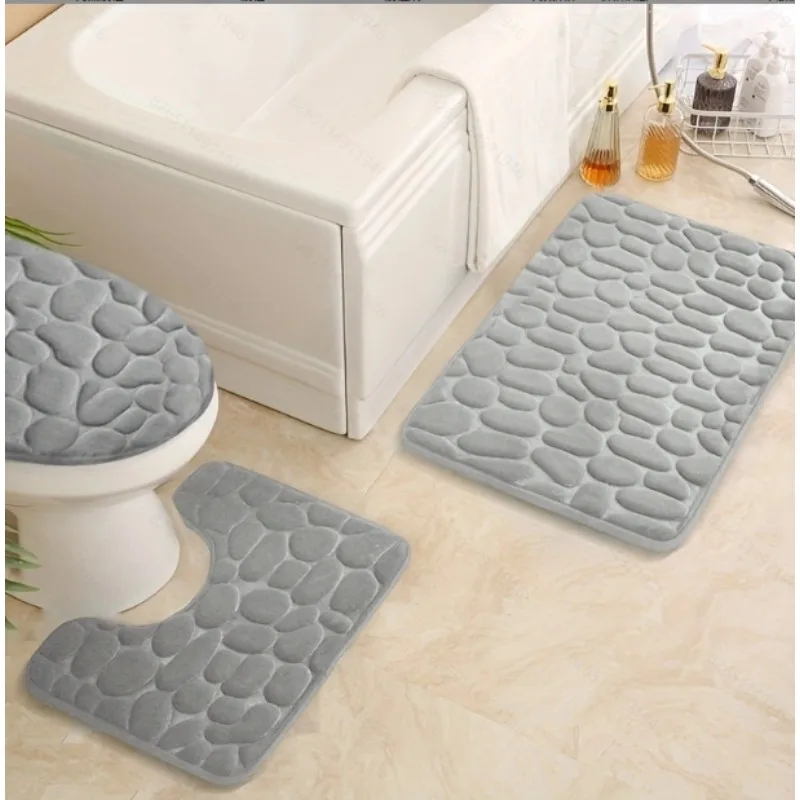
For elderly people, the thickness of the product is critically important. A mat that is too thin does not provide cushioning, while one that is too thick can create an uncomfortable height difference. The optimal thickness is 3-5 mm, which provides comfort without being felt as an obstacle.
An additional safety factor is the contrasting color of the mat relative to the bathtub bottom. This helps people with weak vision clearly see the boundaries of the safe zone and avoid accidentally slipping on unprotected enamel.
Conclusion:
An anti-slip bath mat is a necessary safety element that should be in every home. The best anti-slip mat combines quality material, a well-thought-out fixation system, and ease of care. Based on an analysis of characteristics, ComfortShop recommends choosing PVC models with suction cups for daily use and silicone options for children's baths. Remember that timely replacement of the accessory is the key to your safety and comfort.
Frequently Asked Questions
Which material of anti-slip bath mat is the safest?
The safest are considered to be mats made of thermoplastic elastomer (TPE) or natural rubber — they fit tightly to the tile and do not slip even on wet surfaces.
What is the difference between a suction cup mat and a mat with a rubberized base?
A suction cup mat is reliably fixed only on perfectly flat tile, while a rubberized base works on any surface, including textured or mosaic tile.
How to properly care for an anti-slip mat so that it does not lose its properties?
It is enough to rinse it once a week with warm water and soap and dry it completely, avoiding aggressive chemicals and machine washing, which destroy the non-slip coating.
Is it worth buying the most expensive mat in the bathroom rating?
Not always — the price often depends on the brand rather than safety, so choose a model with a dense base and a textured top in the mid-price range that has positive reviews.