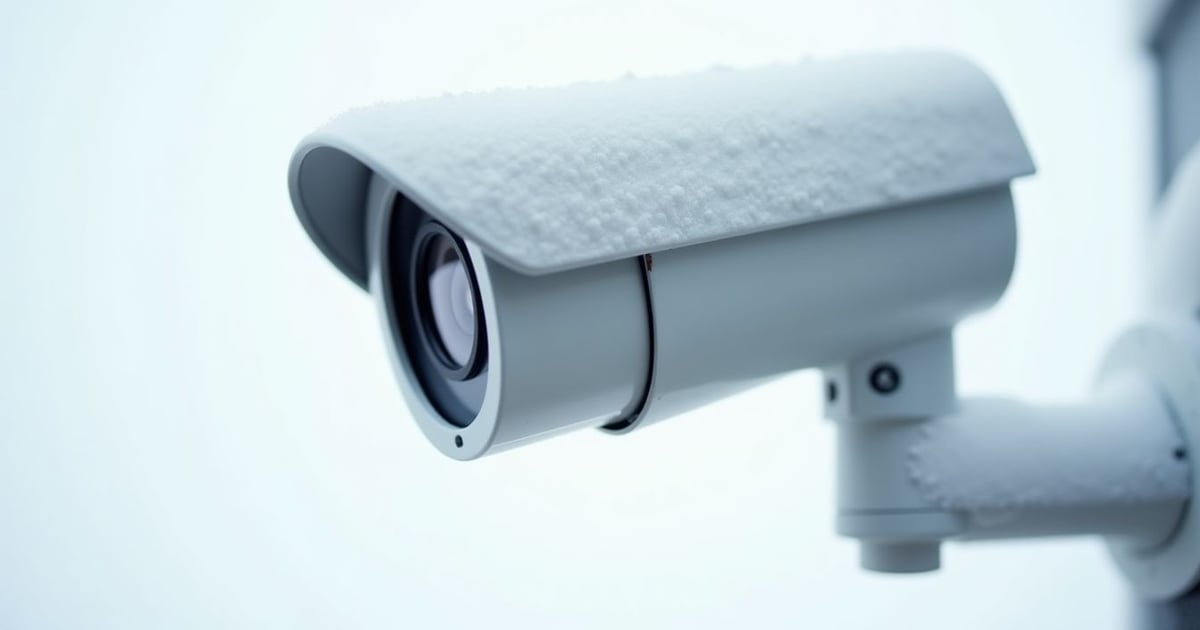
Winter conditions are a real test for any equipment, and outdoor surveillance cameras are no exception. Frost, snowfall, temperature fluctuations, and ice can significantly affect image quality and device performance. That's why we decided to conduct our own test: a camera outdoors in winter is always a risk, but the right choice of model can ensure the security of your home even in the harshest frosts. Following the recommendation of the ComfortShop editorial team, we selected several popular models to test how they handle low temperatures and precipitation.
? Table of Contents
How We Conducted the Testing: Conditions and Criteria
For the experiment, we took three different models of outdoor cameras: two analog AHD cameras and one IP camera. The testing lasted for a week, during which the air temperature ranged from -5°C to -18°C. All devices were installed in an open space, both under a canopy and without it, to assess the impact of direct snow and wind.
The main evaluation criteria were: operational stability at low temperatures, image quality during the day and at night, autofocus speed, and resistance to lens fogging. We recorded every failure or deterioration in the picture to compile an objective review of an outdoor camera in winter.
Are All Cameras Equally Afraid of Frost?
The common belief that any equipment fails in the cold is only partially true. Modern models have built-in heating systems that prevent glass icing and stabilize the electronics. In our test, winter surveillance cameras showed that models without heating began to "lag" already at -10°C, while those equipped with heating worked without complaints.
ComfortShop experts advise paying attention to the presence of a sealed housing with an IP67 protection class or higher. This ensures that moisture, which can damage the board when freezing, does not get inside. Also important is the presence of ventilation to prevent condensation.

Image Quality: What Happens to the Picture?
In winter, the sun shines low, creating sharp shadows and reflections from the snow. In our test, an outdoor camera in winter showed that sensors with a wide dynamic range (WDR) handle this best. They do not "overexpose" white snow or turn shadows into black spots.
At night, infrared illumination also behaves differently. On snow, IR rays reflect, which can lead to overexposure of the frame. The best results were shown by models with intelligent IR illumination, which automatically adjusts power depending on the distance to the object. Security camera frost is not just about physical integrity, but also about a clear picture that helps identify a face or license plate.
Power and Network Issues
A separate challenge was power stability. Battery-powered wireless cameras quickly lose charge in the cold — battery capacity drops by 30-50% already at -15°C. Wired models with PoE (Power over Ethernet) proved more reliable, but only if a high-quality cable that does not stiffen in the cold is used.
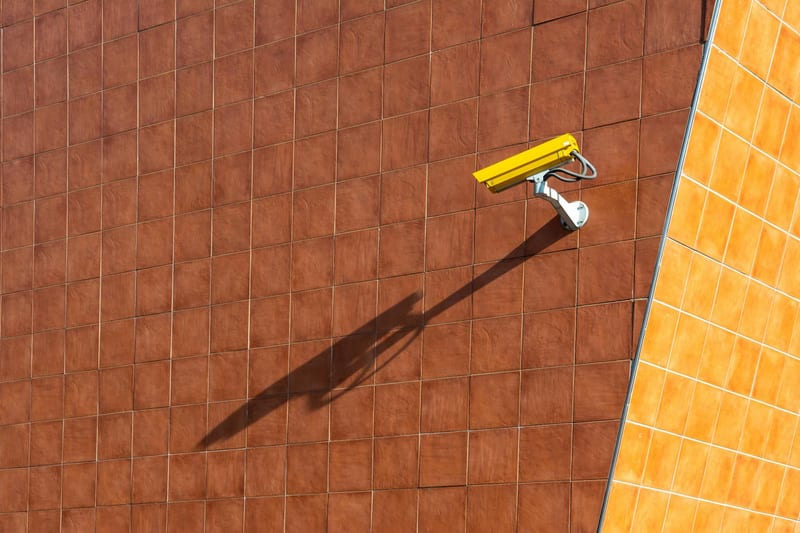
During IP camera testing, we noticed that when the temperature dropped below -12°C, micro-delays in data transmission appeared. This is due to the compression of cable materials and changes in their resistance. For critical facilities, experts recommend using special "winter" patch cords with reinforced insulation.
Real Experience: What the Test Showed in Practice
The best performer was a model with a metal housing and built-in glass heating. It worked flawlessly for all 7 days, even when it was -18°C at night. The picture remained clear, without blurring or excessive noise. The review of an outdoor camera in winter confirmed: saving on heating is not worth it.
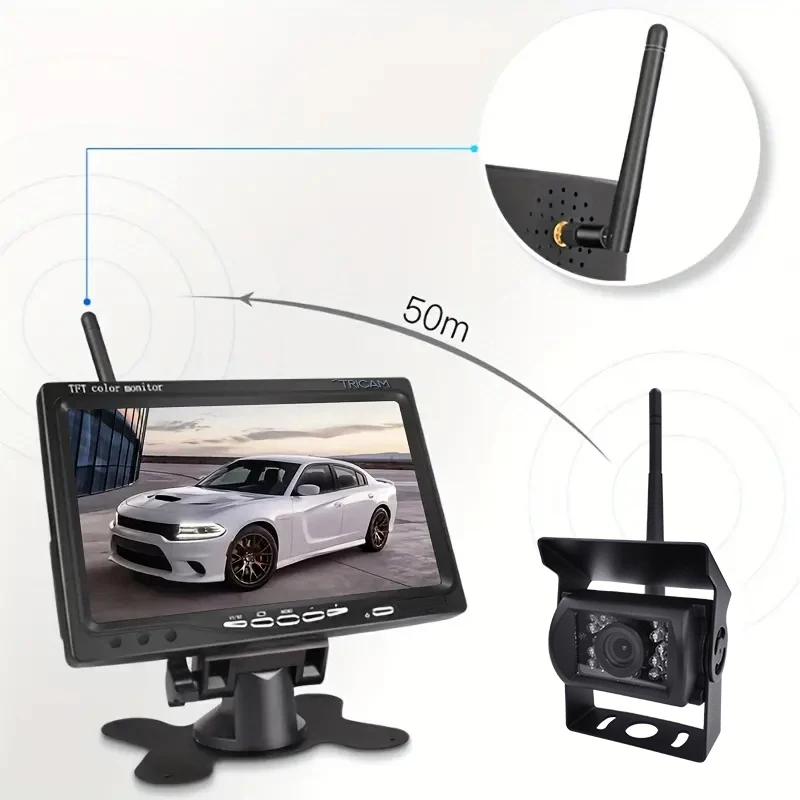
The second model, without heating, started to "cry" on the third day — condensation froze inside the housing, and the image became blurry. The third camera, a budget IP model, refused to start at all after a night at -15°C and only worked after being warmed up indoors.
Conclusion:
The test showed that choosing an outdoor camera for winter is a responsible task. The most important parameters are the presence of heating, a high housing protection class (IP67+), and high-quality IR illumination with adjustment. As ComfortShop reviewers note, for regions with harsh winters, it is worth choosing models with an operating temperature range down to -30°C or -40°C. Do not forget about the quality of power and data transmission cables. A properly selected surveillance camera guarantees your safety even in the most severe frost.
Frequently Asked Questions
Do regular surveillance cameras work in frost?
Regular indoor cameras are not designed for outdoor winter use, as the battery or electronics may fail at sub-zero temperatures. For outdoor use, a specialized model with an IP66 protection class or higher and an operating temperature range down to -20°C or -30°C is needed.
How to check if a camera can withstand low temperatures during a test?
During testing, pay attention to the manufacturer's stated operating temperature range in the specifications, and also check for the presence of a built-in heater to prevent lens fogging. It is best to conduct a test in real conditions: leave the camera overnight at -15°C and check the recording quality in the morning.
Does snow and frost affect the image quality of an outdoor camera in winter?
Yes, snow and frost can cover the lens or create reflections from IR illumination, worsening the picture. To avoid this, choose models with an anti-fog coating and an automatic glass cleaning function (e.g., using vibration or heating).
What type of power supply is best for an outdoor camera in winter?
For stable operation in frost, the most reliable is wired power via PoE (Power over Ethernet), as batteries discharge quickly in the cold. If using a wireless camera, choose a model with a lithium-ion battery.