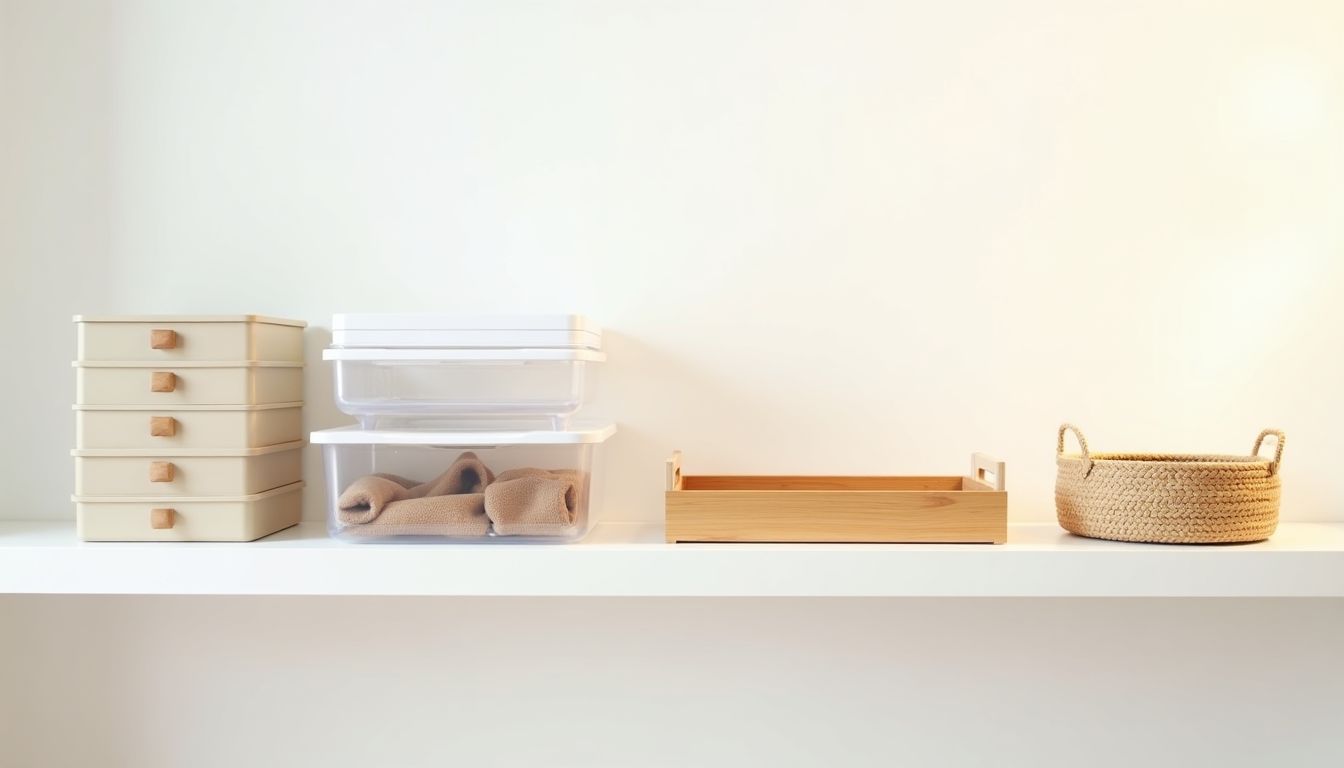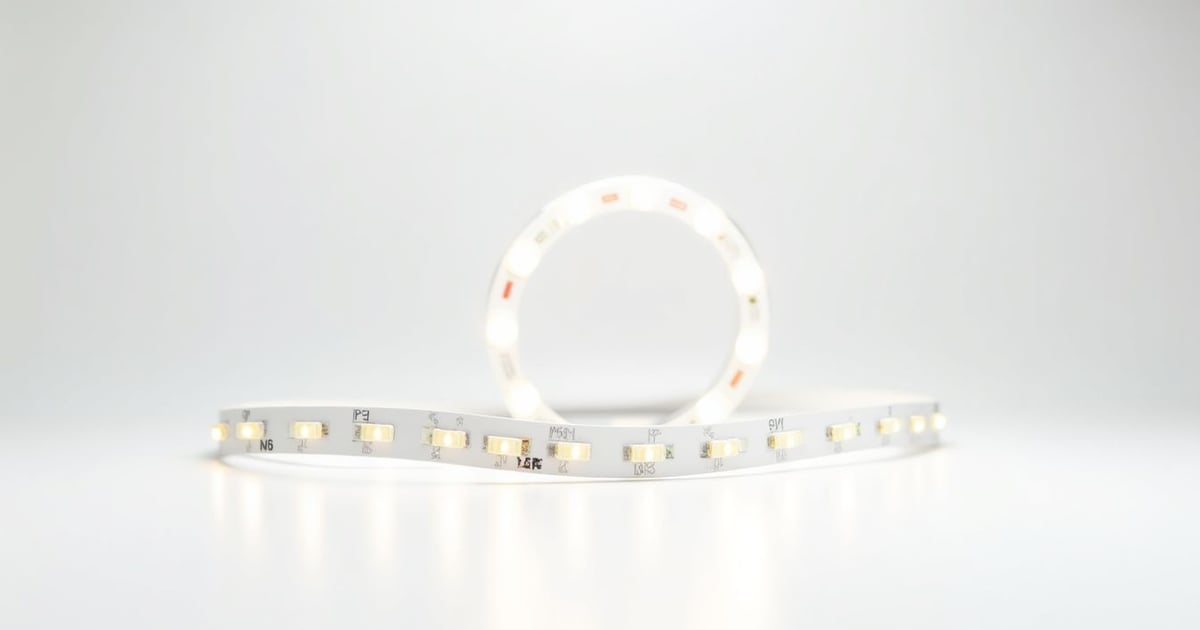
Modern interiors increasingly use light not only as a source of illumination but as a tool for design and zoning. Furniture lighting deserves special attention, as it can radically change the perception of space, add lightness, and emphasize the geometry of objects. We conducted a test of LED strips to determine which parameters are truly important when choosing and how to avoid mistakes during installation. Following the recommendation of the ComfortShop editorial team, we focused on the most popular models available on the market and tested them in real conditions — from the kitchen backsplash to shelves in the living room.
Article Contents
Key Criteria for Choosing LED Strips for Furniture
Before purchasing an LED strip for furniture, it is worth clearly defining the specific task it needs to fulfill. Whether it is task lighting above a countertop or a decorative accent on cabinet fronts, the power, color temperature, and type of strip depend on this.
The most important parameters for testing: brightness (lumens per meter), color rendering index (CRI), moisture protection rating, and power supply method. We tested five different models and concluded that for furniture, a CRI above 90 is optimal, as it guarantees natural colors of wood and textiles.
Testing Brightness and Color Temperature
For kitchen furniture LED lighting, neutral white light (4000K) or warm light (3000K) is most often chosen. In our test, we compared strips with different diodes: SMD 2835, SMD 3528, and SMD 5050. The first ones showed uniform light without spot variations, which is ideal for open shelves.
We also specifically tested how the light affects the texture of matte facades. The warm range (2700-3000K) made the interior cozier, while the cold range (5000K) added sterility, which is only appropriate for certain styles, such as high-tech.
Moisture Protection and Operational Safety
LED furniture lighting in the kitchen or bathroom requires protection from steam and splashes. We tested strips with IP20 (no protection) and IP65 (silicone coating) classes. As expected, for areas above the sink or stove, only moisture-protected models should be chosen.
During testing, we noticed that the silicone coating slightly reduces brightness (by approximately 5-7%), but this is compensated by durability. ComfortShop experts advise not to skimp on protection, as replacing a strip due to contact oxidation is a troublesome and costly task.
Aluminum Profile: Necessity or Luxury?
Many people ignore the profile, simply attaching the strip with double-sided tape. Our LED strip test showed that without a profile, the light scatters unevenly, and the strip itself overheats, reducing its lifespan. The aluminum profile acts as a heatsink and provides soft, directional light.
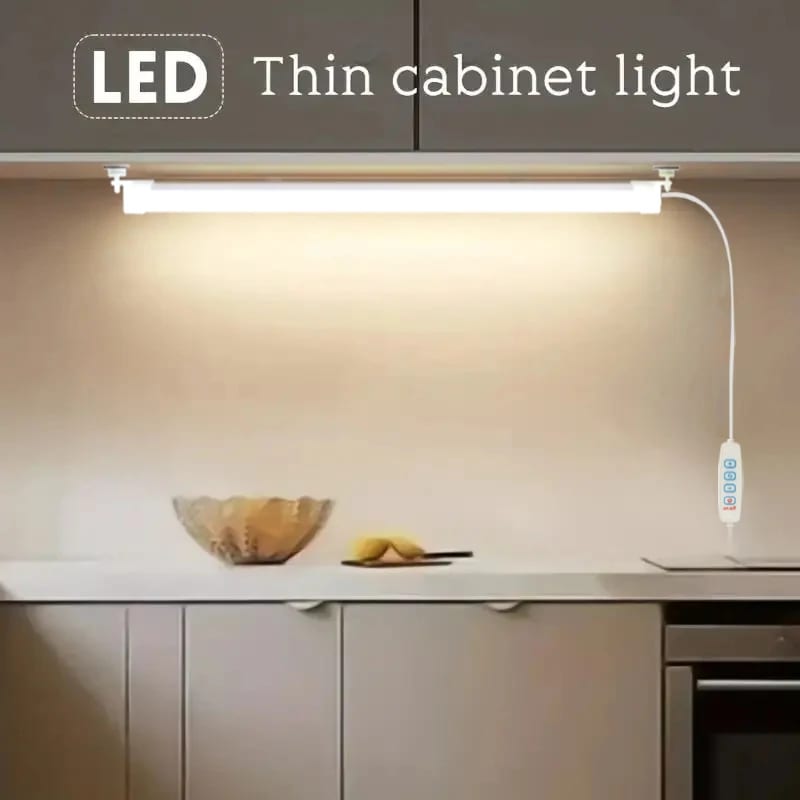
We compared installation with and without a profile on identical samples. The difference in heating temperature after 2 hours of operation was 12°C in favor of the profile. Furthermore, the aesthetic appearance of the finished lighting with a profile is significantly better — no visible wires or unevenness.
Is it worth choosing RGB strips for furniture?
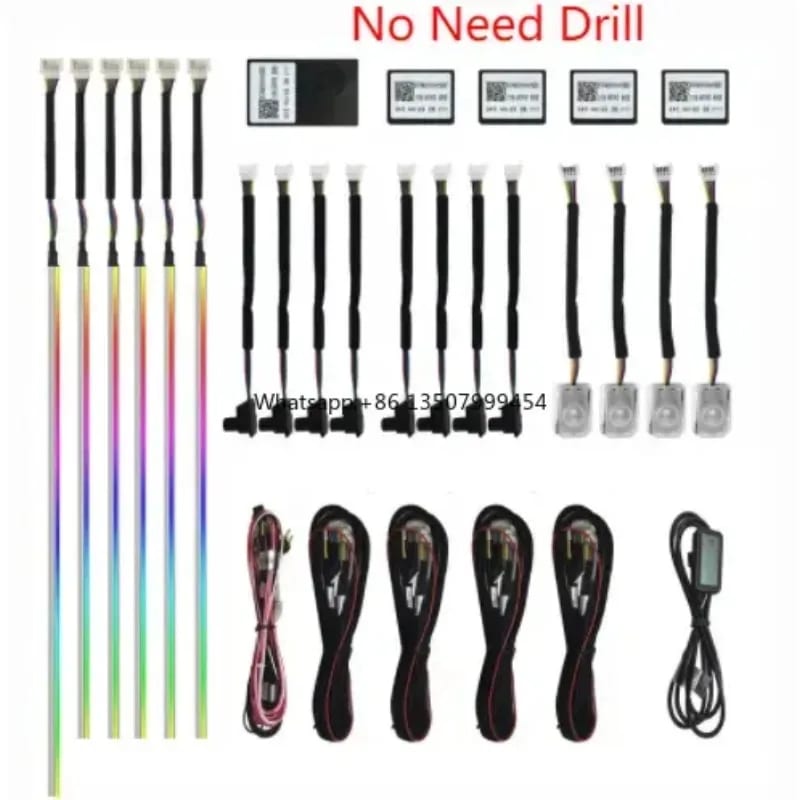
Multi-color lighting looks impressive, but in the context of furniture, its use should be cautious. We tested an RGB model on a kitchen set: dynamic color changes quickly become tiring, so it is better to fix one shade.
RGB is best suited for bar counters or open shelving in relaxation areas. For classic wooden furniture, white light remains the undisputed leader, as it does not distort the natural texture of the material.

Power Supply and Connection: Practical Tips
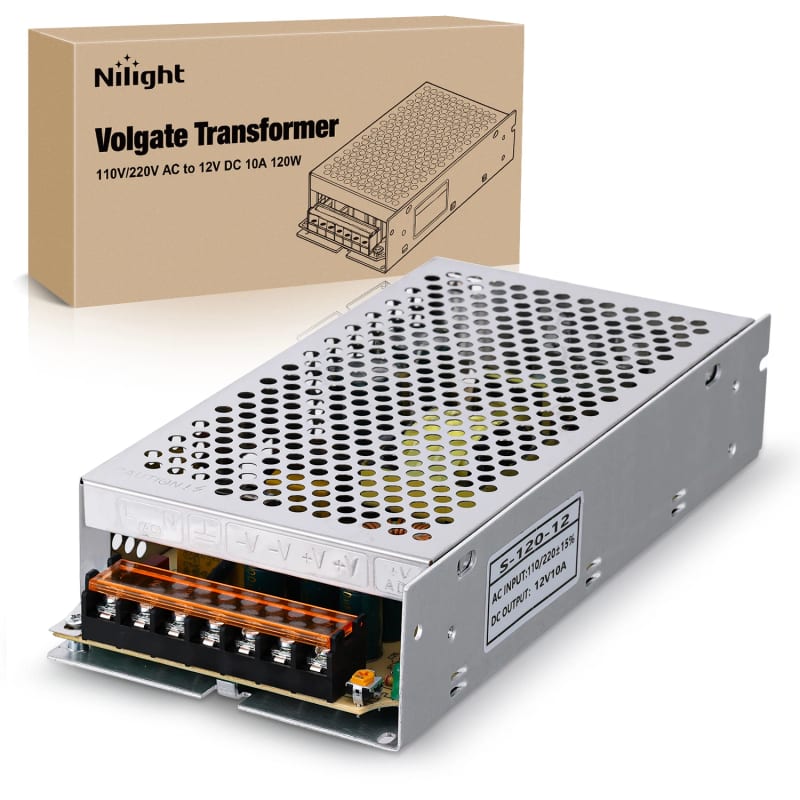
During our LED lighting review, we encountered a typical mistake — using a power supply with insufficient wattage. For a 5-meter strip with a power of 14 W/m, a power supply of at least 70 W is needed, plus a 20% margin.
We also tested different types of connections: soldering and connectors. Connectors significantly simplify installation, but for long sections, soldering provides a more reliable contact. As ComfortShop reviewers note, you should always buy a strip with an extra 10-15 cm in length to avoid tension during connection.
Conclusion:
Our test of LED strips for furniture lighting confirmed that the key factors are the correct choice of color temperature, the presence of an aluminum profile, and a quality power supply. For the kitchen and bathroom, IP65 moisture protection is mandatory, while for the living room, open strips with a high CRI can be chosen. We recommend paying close attention to power and not skimping on installation — then the LED furniture lighting will last a long time and delight the eye every day.
Frequently Asked Questions
Which LED strip for furniture is best for the kitchen?
For the kitchen, choose a moisture-protected LED strip with an IP65 class or higher to avoid damage from steam and splashes, as well as a warm light temperature of 2700-3000K for a cozy atmosphere.
Can I install an LED strip for furniture lighting myself?
Yes, most LED strips have a self-adhesive backing and simple connectors, allowing you to easily attach them to shelves or cabinets without an electrician, provided you follow the instructions.
How to choose the power of an LED strip for home during testing?
During testing, pay attention to the luminous flux (lumens per meter): for decorative furniture lighting, 300-600 lumens are sufficient, while for task lighting, 800 lumens per meter or more is needed.
Is furniture LED lighting more durable compared to other light sources?
A quality LED strip for furniture lasts up to 30,000-50,000 hours, which is significantly longer than conventional lamps, and does not require frequent replacement due to its resistance to vibrations and low heat generation.