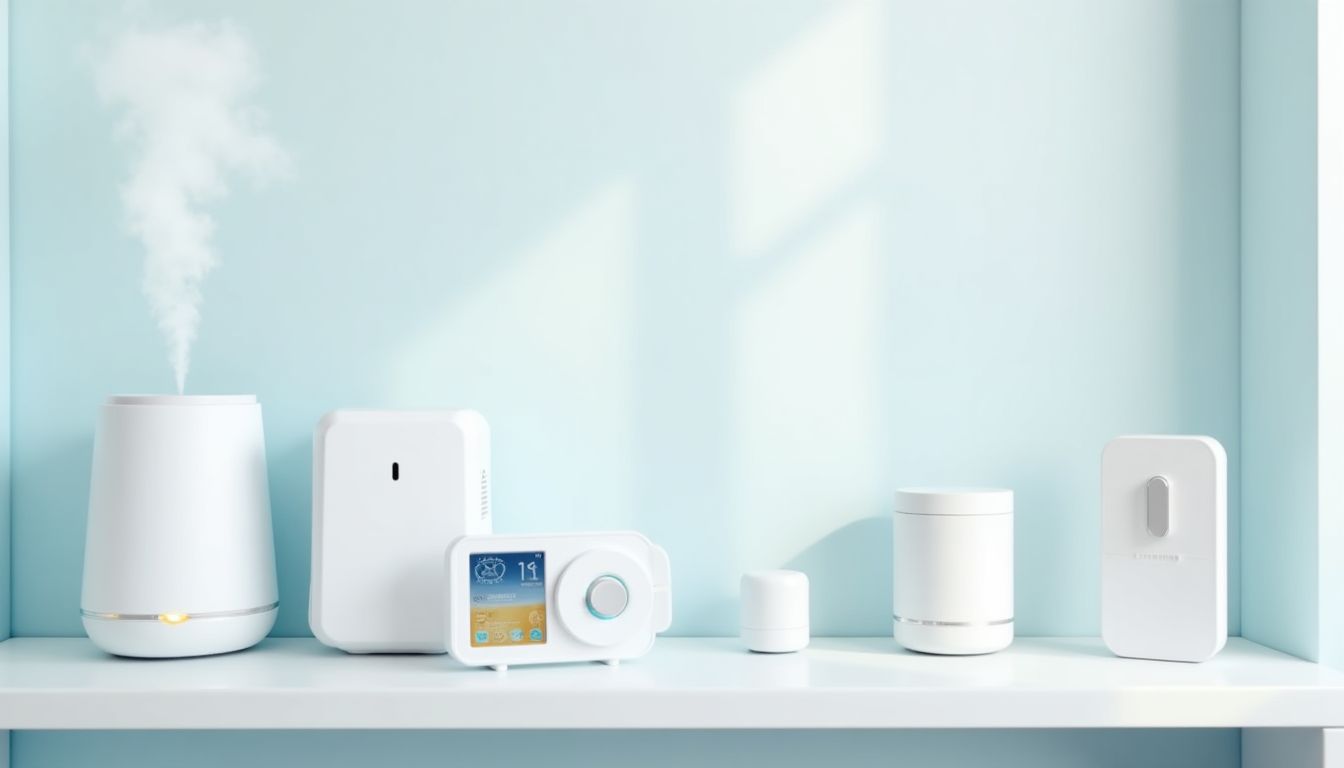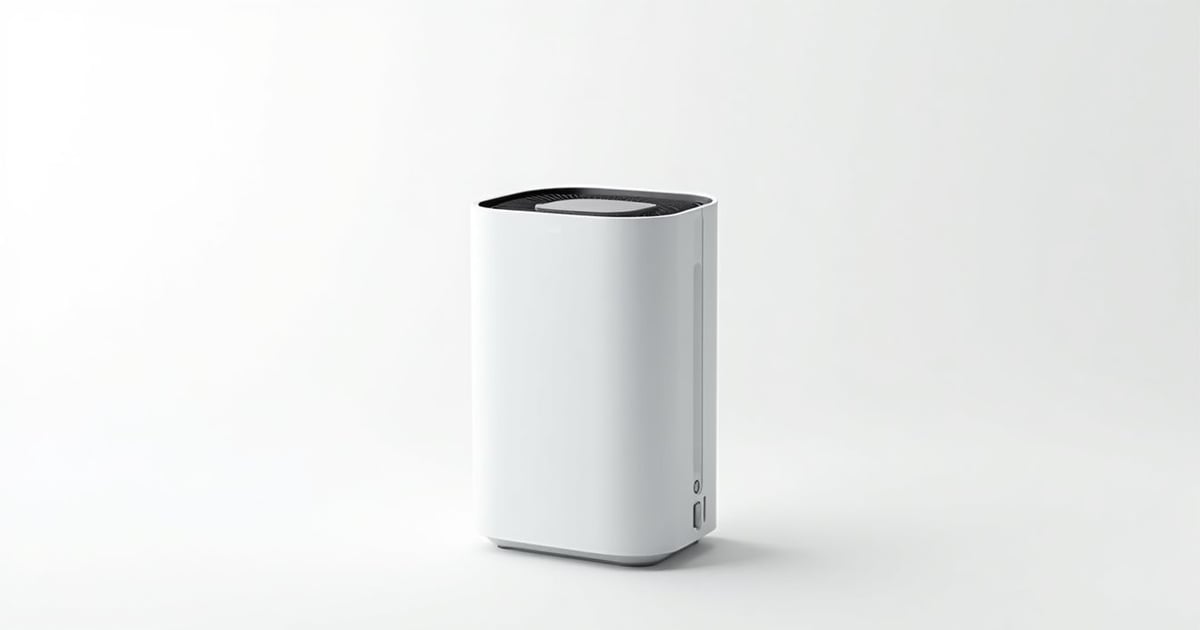
An air purifier is a device that operates year-round, but its effectiveness and practicality change significantly depending on the season. In winter, it saves you from dryness, dust, and viruses in enclosed spaces, while in summer, it tackles outdoor smog, pollen, and allergens. To understand whether it's worth buying a universal model or if a seasonal solution is better, ComfortShop experts conducted a practical test of an air purifier under different operating conditions. The results of this experiment will help you make an informed choice.
? Table of Contents
Why an air purifier works differently in winter
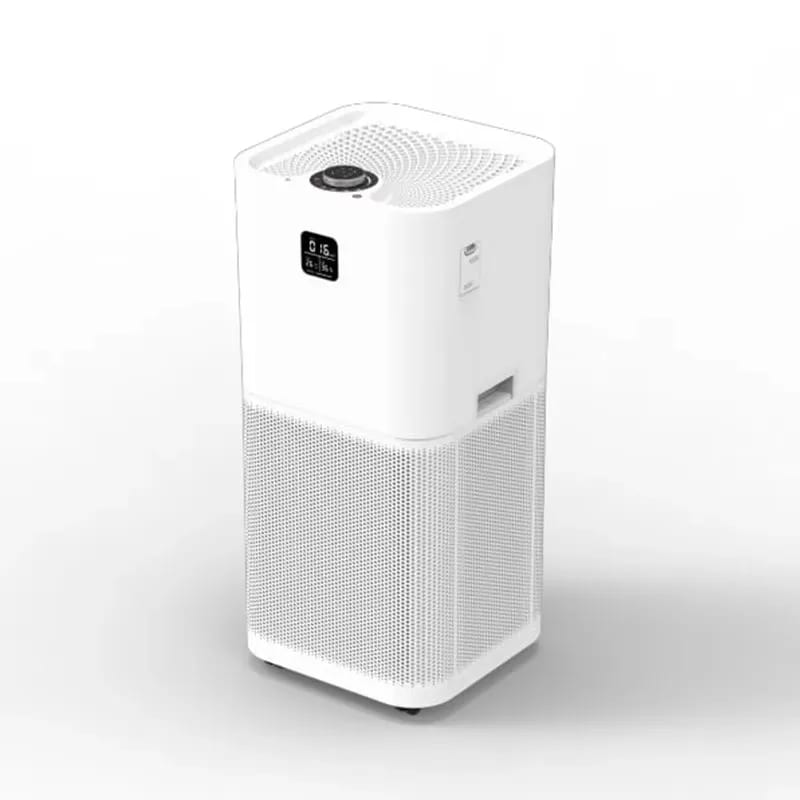
In winter, we rarely ventilate rooms to conserve heat, so the concentration of carbon dioxide, dust, and microorganisms in the air increases significantly. An air purifier in winter becomes an indispensable helper, as it can filter fine particles that settle on mucous membranes and cause illnesses. During the test, we noticed that devices with HEPA filters are best at removing viruses and bacteria, which is especially relevant during the cold season.
Special attention should be paid to humidity. In winter, the air in homes is often overdried due to heating, so an air purifier in winter should work in tandem with a humidifier or have a built-in humidification function. Our test showed that models with carbon filters also effectively absorb odors that arise from prolonged stays in enclosed spaces.
How an air purifier fights allergens in summer
The summer season brings new challenges: open windows, plant pollen, poplar fluff, and street dust. An air purifier in summer operates at its maximum capacity, especially if you have allergies or asthma. During the test, we used the device in a room with an open window — it quickly reduced the levels of PM2.5 and PM10 solid particles coming from outside.
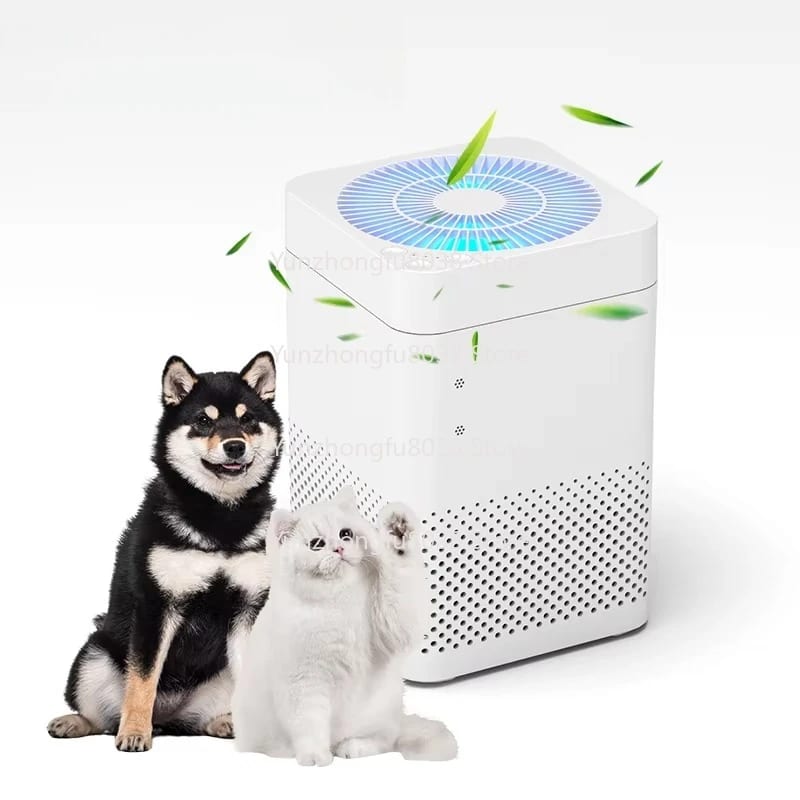
It is important to note that the load on filters increases in summer, so they need to be cleaned or replaced more often. According to the recommendation of the ComfortShop editorial team, for summer use, you should choose models with a pre-filter for coarse cleaning, which traps large particles and extends the service life of the main HEPA filter. This allows you to save on consumables.
Air purifier test: parameters and methodology
For the experiment, we took three popular models from different price categories and tested them for two weeks in winter and two weeks in summer. The main criteria were: cleaning speed, noise level, energy consumption, and ease of maintenance. The air purifier test was conducted under identical conditions — a room of 25 m² with standard ventilation.
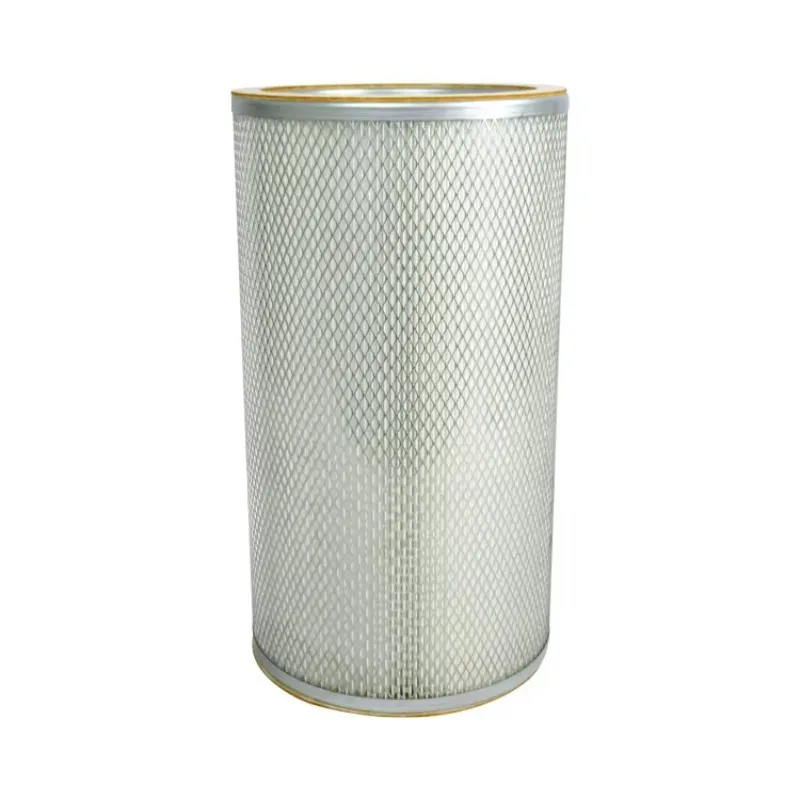
We measured the concentration of dust, pollen, and CO₂ using a professional sensor. The results showed that in winter, all devices completed the task in 15-20 minutes, while in summer, due to the constant influx of outdoor air, the cleaning time increased to 25-35 minutes. This is an important nuance to consider when choosing an air purifier for your home.
Choosing an air purifier: what to look for
Before buying a device, determine what tasks it should perform. If you plan to use it year-round, choose a model with multiple fan speeds and an automatic mode function. The choice of an air purifier depends on the room size: for a bedroom, a capacity of 150-200 m³/h is sufficient, while for a living room, you need from 300 m³/h.
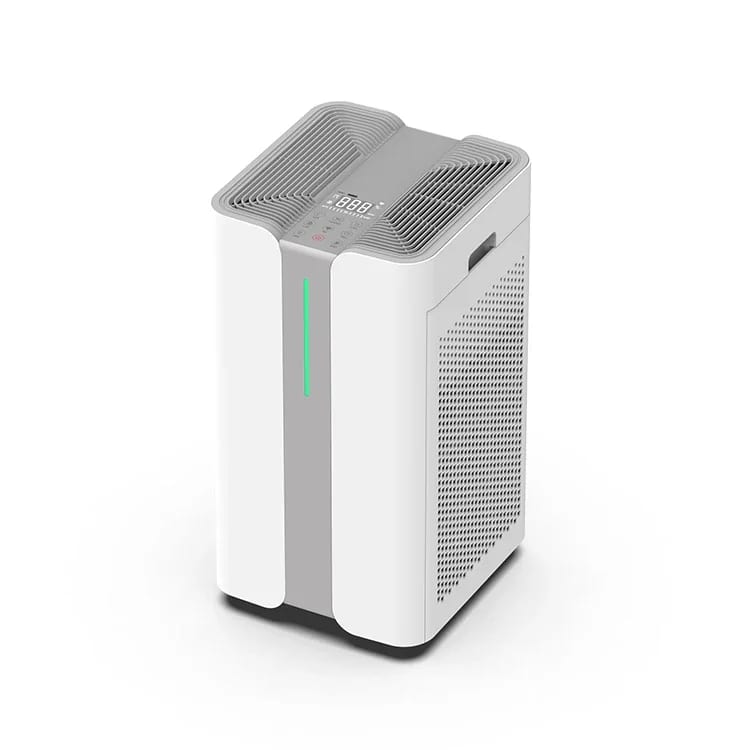
ComfortShop reviewers advise paying attention to the presence of a UV lamp or a photocatalytic filter, which disinfect the air in winter when viruses are most active. In summer, the priority is a large filtration area and low noise level so that the device can run all night in the bedroom. Also, don't forget about the cost of replacing filters — these are recurring expenses.
How to properly operate an air purifier in different seasons.
Our test confirmed that in winter, the device should be placed closer to the heat source to enhance air circulation. In summer, it is better to place it near a window to immediately filter the air coming from outside. It is also recommended to regularly wash the pre-filter — once every two weeks in winter, and weekly in summer due to the large amount of pollen.
Practical tips for air purifier owners
To ensure the device works efficiently, follow simple rules. First, do not block the intake and exhaust vents — this reduces performance. Second, use the timer or night mode to save electricity. An air purifier for the home should run continuously, but at a low speed if you are at home, and at maximum speed after cleaning or airing out.
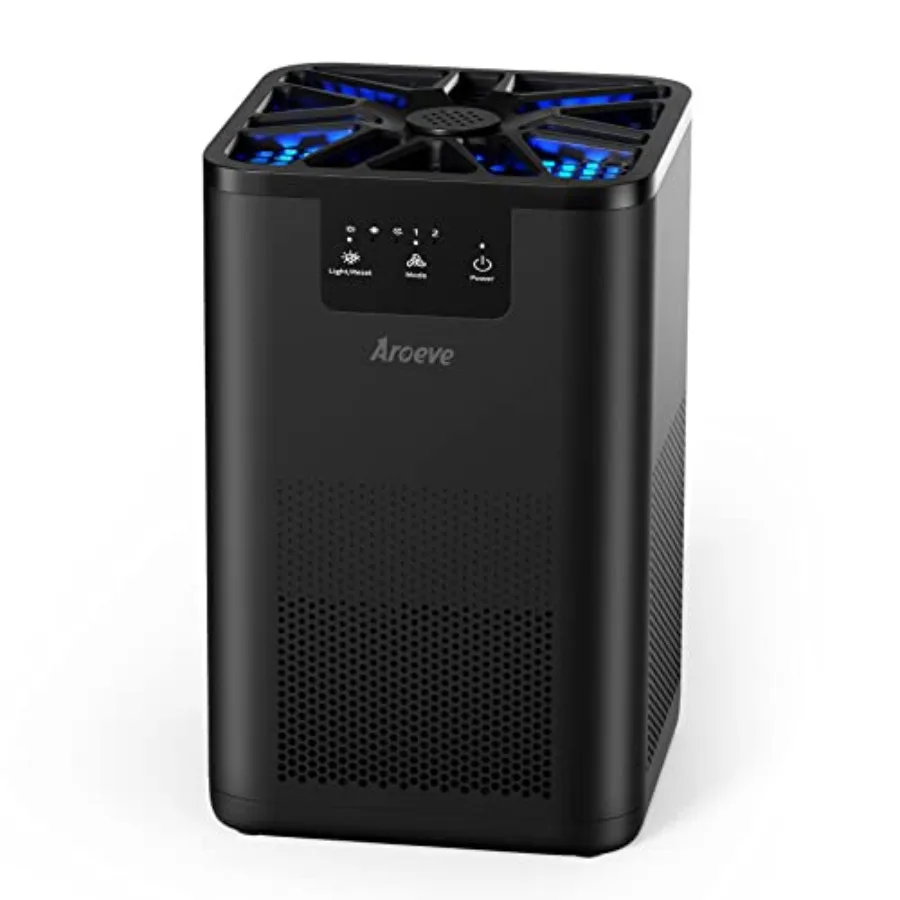
Don't forget about timely filter replacement: a HEPA filter lasts 6-12 months, and a carbon filter lasts 3-6 months. If you notice that the device is cleaning the air worse or an unpleasant smell appears, it's a signal for replacement. Following these tips will extend the life of your purifier and ensure clean air all year round.
Conclusion:
The air purifier test in winter and summer showed that modern models can work effectively in any season, but require a different approach to operation. In winter, the main tasks are fighting viruses and dryness, while in summer, it's fighting allergens and street dust. According to the recommendation of the ComfortShop editorial team, choose a model with a HEPA filter, an automatic mode function, and adjustable speed to get maximum benefit regardless of the season.
Frequently Asked Questions
Should I turn off the air purifier in winter when the windows are closed?
No, on the contrary — in winter, an air purifier is especially needed because dust, allergens, and viruses accumulate in the room due to sealed windows, and devices with a heating function help maintain a comfortable microclimate.
Is an air purifier effective in summer with open windows?
Yes, but its effectiveness decreases because the influx of street dust and pollen is constantly renewed; it is best to use the device in recirculation mode with closed windows or install a mesh on the windows.
How often should air purifier filters be changed depending on the season?
In summer, due to active flowering and dust, filters can clog faster — it is recommended to check them every 2-3 months, while in winter, replacement every 4-6 months is sufficient if the device is not running 24/7.
Is it worth buying a separate air purifier for winter and summer?
No, most modern models, like those featured in the klimat-tehnika review, have universal filters (HEPA and carbon) that handle both winter dust and summer allergens equally well, so one quality device is enough.