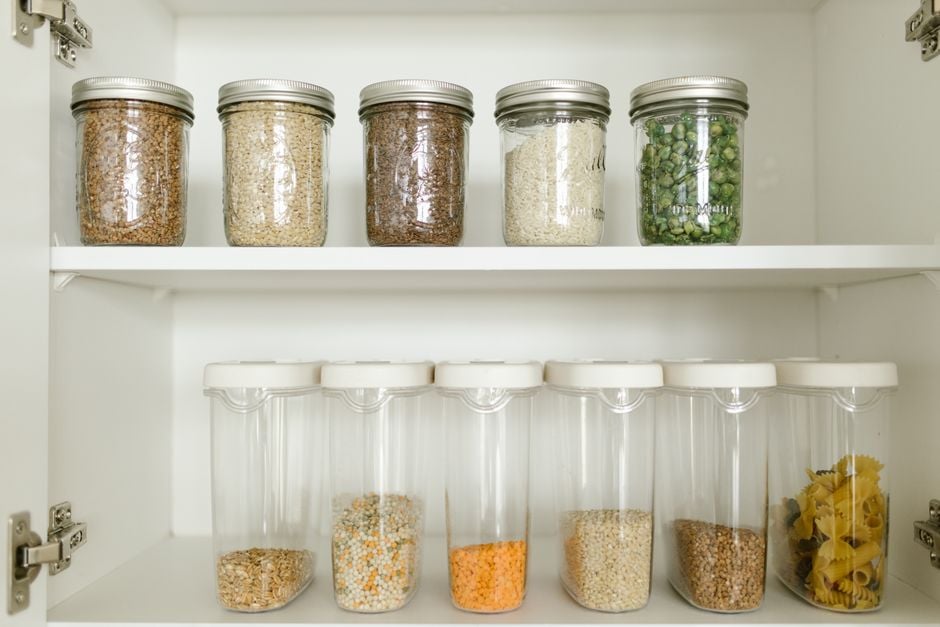
Organizing kitchen space is not just about aesthetics, but also about convenience and preserving food. Transparent containers for grains have become a real trend in modern households, as they allow you to instantly assess your stock and maintain perfect order. But how do you choose truly high-quality containers among the vast variety of shapes and materials? We conducted our own research and prepared a detailed review to help you make the right choice. Following the recommendation of the ComfortShop editorial team, we tested several popular models to determine which ones are truly worth your attention.
? Table of Contents
Why choose transparent containers for storing grains?
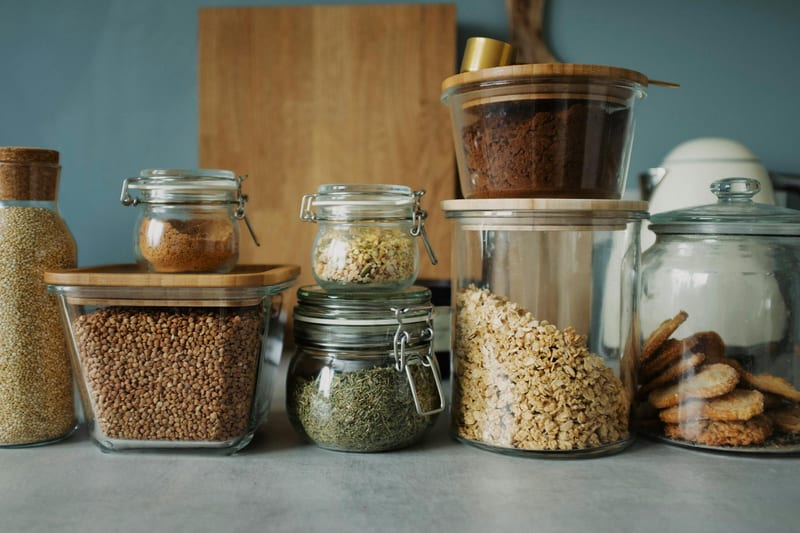
The first and most obvious reason is visual control. You no longer need to open every jar to see how much buckwheat or rice is left. Transparent walls allow you to see the contents at a glance, which significantly saves time during cooking and meal planning.
The second important advantage is airtightness. High-quality containers for storing grains are equipped with silicone seals that reliably protect products from moisture, insects, and foreign odors. This is especially important for flour, rolled oats, and other hygroscopic products.
Finally, there is the aesthetic component. Identical jars neatly arranged on a shelf or in a cabinet create a sense of harmony and coziness. The kitchen looks more organized and professional.
Our testing criteria: what did we focus on?
To make our review of grain containers as objective as possible, we defined five key parameters. The first is material: glass or plastic, their eco-friendliness, and impact resistance. The second is lid airtightness: how tightly it fits and whether there is an additional valve for vacuum sealing.
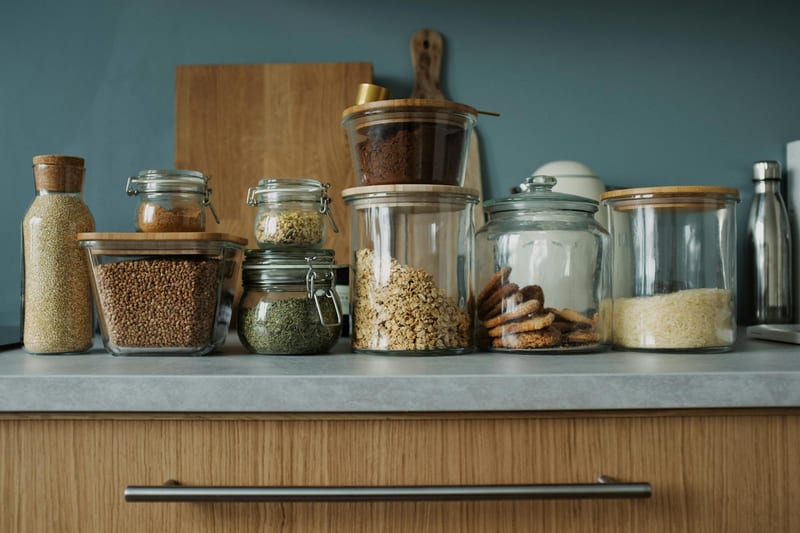
The third criterion is ease of use: neck width, presence of handles, and dishwasher safety. The fourth is capacity and modularity: whether the containers can be stacked on top of each other to save space. The fifth is design and wall transparency, as this feature is the main advantage.
We tested five different sets from various manufacturers to determine the best grain containers in different price categories. Each sample underwent a leak test with water and flour.
Glass containers: classic and reliable
Transparent glass containers for grains are the undisputed leader in eco-friendliness. They do not absorb odors, do not release harmful substances when in contact with hot foods, and last for years. We tested a set made of thick-walled borosilicate glass, which survived a drop from a height of 50 cm without a single crack.
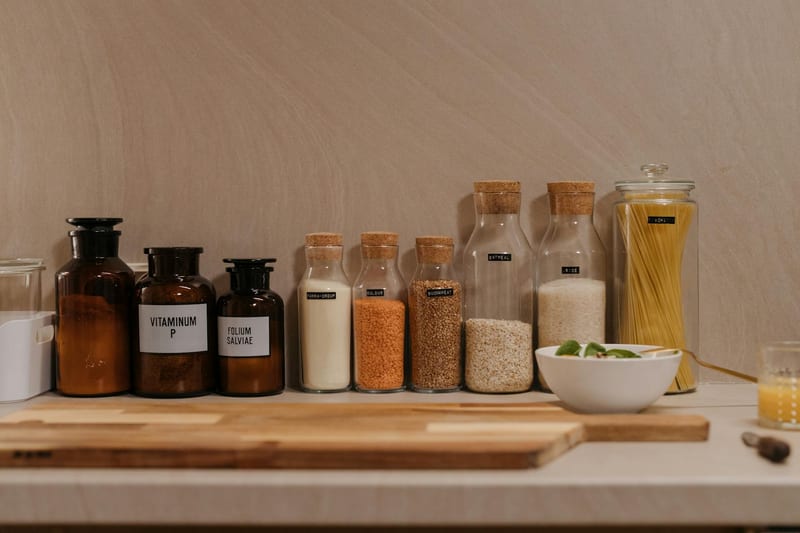
The main disadvantage of glass is its weight. Full jars can be quite heavy, making them difficult to move. Glass products also require careful handling, especially if there are small children in the kitchen.
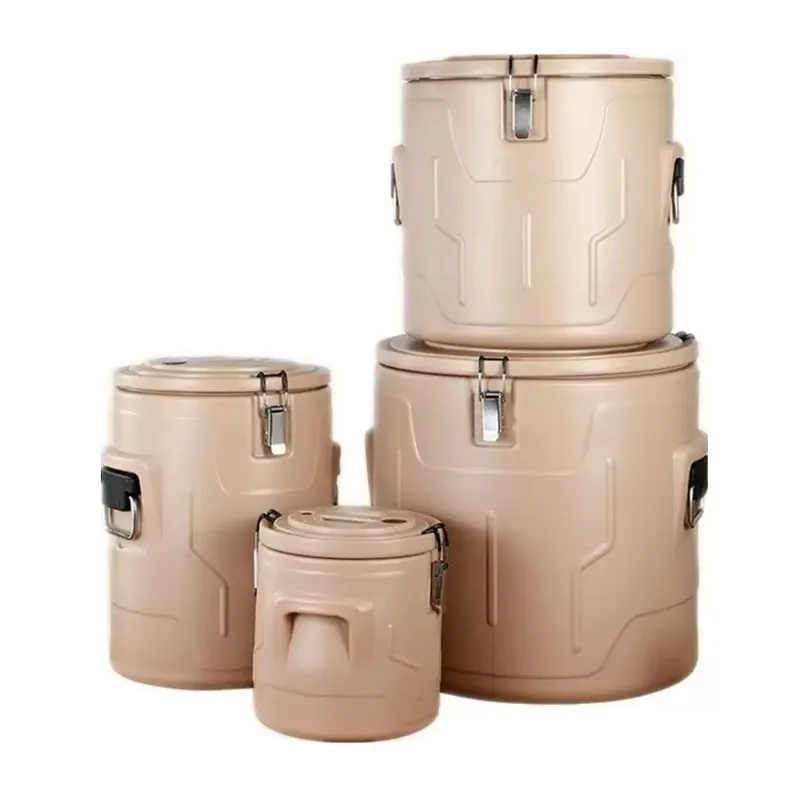
ComfortShop experts recommend paying attention to models with a wide neck — they are much more convenient for washing and filling. Lids made of bamboo or plastic with a silicone seal ensure reliable storage.
How to choose the right volume for a glass jar.
For basic grains (rice, buckwheat, pasta), a volume of 1.5-2 liters is optimal. For small bulk products (semolina, sesame seeds, spices), jars with a volume of 0.5-1 liter are better suited. This allows for rational use of cabinet space.
Plastic containers: lightweight and practical
Modern plastic containers for storing grains are made from food-grade polypropylene or Tritan. These are lightweight, impact-resistant materials that do not break when dropped. In our test, plastic models showed excellent airtightness — not a single grain leaked out after turning the jar upside down.
Containers with clips or flip-top lids proved to be especially convenient. They allow you to open the jar with one hand, which is very handy during cooking. Some models have special dispensing openings, turning them into true dispensers.
However, it should be remembered that cheap plastic can become cloudy or absorb odors over time. Choose trusted brands that use BPA-free materials. The best grain containers made from Tritan maintain their transparency even after hundreds of wash cycles.
Vacuum storage systems: maximum freshness
Transparent containers for grains with a vacuum function deserve special attention. They are equipped with a special valve through which air is pumped out using a pump. This creates an environment where bacteria and insects cannot develop, and products stay fresh three times longer.
We tested such a system with buckwheat and rolled oats. After a month of storage, the grains did not lose their aroma, and the flakes remained crispy without absorbing moisture from the air. This is an ideal solution for those who buy products in bulk or rarely cook certain dishes.
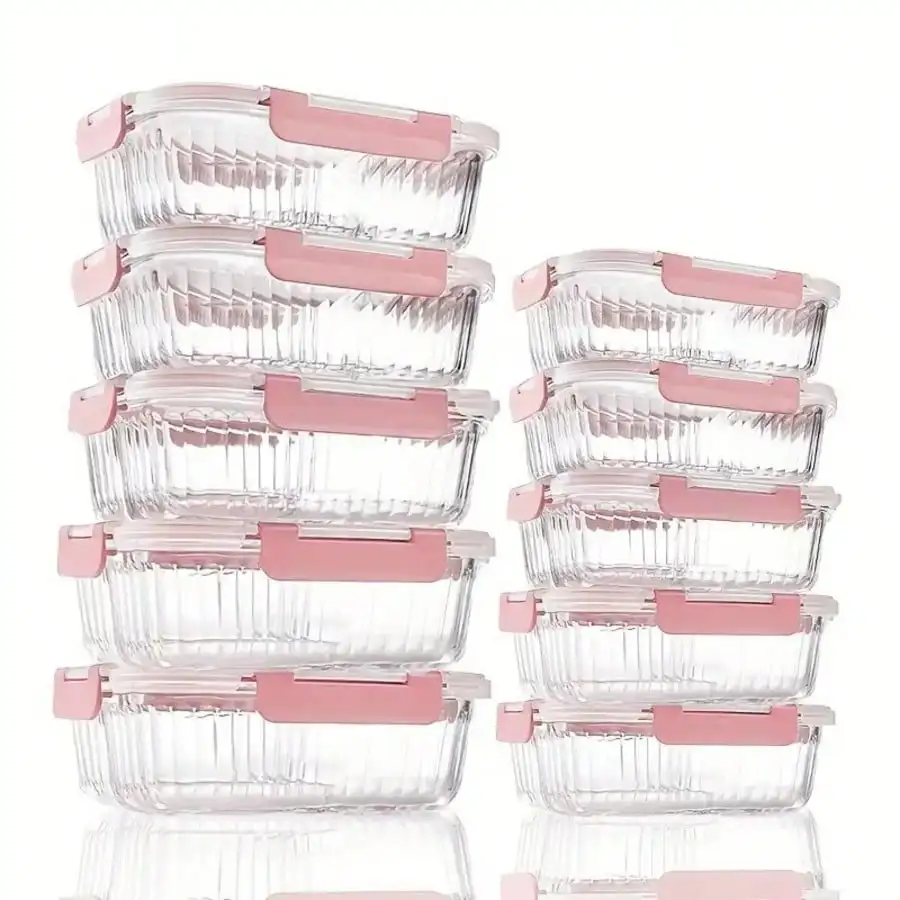
The disadvantages of such systems are the higher price and the need for a pump (manual or electric). However, if you value long-term food storage, this is an investment that pays off. As ComfortShop reviewers note, vacuum containers are especially relevant for flour and nuts.
Design and modularity: how to organize space
The modern market offers not only functional but also stylish solutions. Rectangular transparent containers for grains allow you to use cabinet space as efficiently as possible, as they fit snugly against each other. Round jars look more aesthetic on open shelves.
We paid attention to the availability of labeling. Some manufacturers offer sets with labels or a space for chalk writing. This helps quickly identify the contents, especially if grains are similar in color (for example, different types of flour).
During testing, we evaluated how easily the containers stack on top of each other. Models with recesses on the bottom and protrusions on the lid form stable pyramids, saving space in tall cabinets. Convenient carrying handles were also a pleasant bonus in several sets.
Conclusion:
After conducting a detailed test, we concluded that there is no perfect universal container — the choice depends on your needs. Glass jars are best for long-term storage of basic grains, plastic ones for daily use, and vacuum systems for delicate products. Overall, transparent containers for grains significantly simplify life in the kitchen, allowing you to maintain order and control your stock. We recommend starting with a set of 3-5 jars of different volumes and gradually expanding the collection according to your cooking habits.
Frequently Asked Questions
Is it worth buying transparent containers for grains instead of regular jars?
Yes, transparent containers allow you to immediately see the contents and stock level, which simplifies shopping planning and saves time searching for the right grain.
What materials are best for grain storage containers?
Glass and high-quality food-grade plastic (Tritan or polypropylene) are considered the best, as they do not absorb odors, do not react with food, and are easy to clean.
Do transparent jars for grains protect against pests?
Yes, airtight lids with silicone seals reliably block access for insects and moisture, which significantly extends the shelf life of bulk products.
What volume of containers for bulk products should I choose for home?
For standard grains (rice, buckwheat, pasta), the optimal volume is 1-2 liters, while for flour or sugar, it is better to take containers of 2-3 liters to fit a standard package.