Modern technologies are increasingly penetrating the healthcare sector, and the smartwatch for measuring blood pressure has become one of the most sought-after gadgets. People suffering from hypertension or simply wanting to monitor their well-being are increasingly choosing a smartwatch as an alternative to bulky blood pressure monitors. Following the recommendation of the ComfortShop editorial team, we decided to conduct our own test of a blood pressure smartwatch to find out how accurate and convenient these devices are in real-world use. In this article, we will review key models, their advantages and disadvantages, and provide practical tips for choosing.
? Table of Contents
How a smartwatch for blood pressure control works
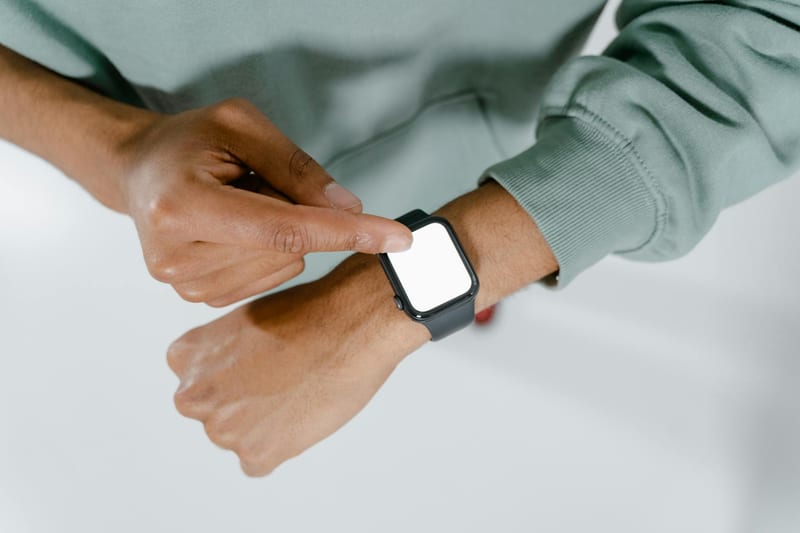
A smartwatch for blood pressure control uses optical sensors (photoplethysmography) to assess the pulse wave. Algorithms analyze changes in blood volume in the vessels and, based on this data, calculate systolic and diastolic pressure. Unlike classic blood pressure monitors that compress the arm with a cuff, a smartwatch operates continuously and causes no discomfort.
It is important to understand that measurement accuracy depends on wearing the device correctly. The watch should fit snugly on the wrist but not constrict the arm. A review of a smartwatch with a blood pressure monitor shows that the best results are achieved at rest, when the user is not moving or talking during the measurement.
Most modern models also take into account individual user characteristics, such as age, weight, and physical activity level. This helps reduce error and bring readings closer to real data obtained using medical devices.
Testing criteria and evaluation methodology
For our blood pressure smartwatch test, we selected five popular models from different manufacturers. The main evaluation criteria were: accuracy of blood pressure measurement, ease of use, battery life, and additional health features. Each device was tested for a week with daily measurements taken three times a day.
To verify accuracy, we compared the smartwatch readings with data from a certified automatic upper-arm blood pressure monitor. Measurements were taken simultaneously on the left and right arms to minimize physiological errors. In total, we obtained over 200 pairs of readings for each model.
ComfortShop experts advise paying attention to the fact that even the best smartwatch for health is not a medical device. Its data should be used for monitoring trends, not for diagnosis. However, for daily control and early detection of deviations, these devices are indispensable.
Test results: leaders in accuracy
The highest accuracy in blood pressure measurement was demonstrated by models with two optical sensors and an additional pressure sensor. The average error for these devices did not exceed 5 mmHg for systolic pressure and 4 mmHg for diastolic pressure. This is a very good indicator for wearable gadgets.

A review of a smartwatch with a blood pressure monitor also showed that models with a calibration function for individual user parameters work more accurately. Some manufacturers offer entering data from a regular blood pressure monitor to adjust algorithms, which significantly increases the reliability of measurements.
Among the tested models, the best results were obtained by watches with large displays and a user-friendly interface. They allow you to quickly start a measurement and get the result without unnecessary movements, which is especially important for people with limited mobility or the elderly.
Additional health features
The best smartwatch for health is not limited to just measuring blood pressure. Modern models offer a whole range of useful options: heart rate monitoring, blood oxygen level (SpO2) determination, sleep quality analysis, and step counting. Some devices can even record an ECG and detect signs of arrhythmia.
The stress tracking function is particularly useful. A watch for blood pressure control can analyze heart rate variability and warn the user about elevated stress levels. This allows for timely action: doing breathing exercises or simply resting.
Also worth noting is the presence of reminders for regular measurements. Many users forget to monitor their blood pressure systematically, and the smartwatch automatically sends notifications at a set time. This helps form a useful habit and not miss important changes in health status.
Ease of use and battery life
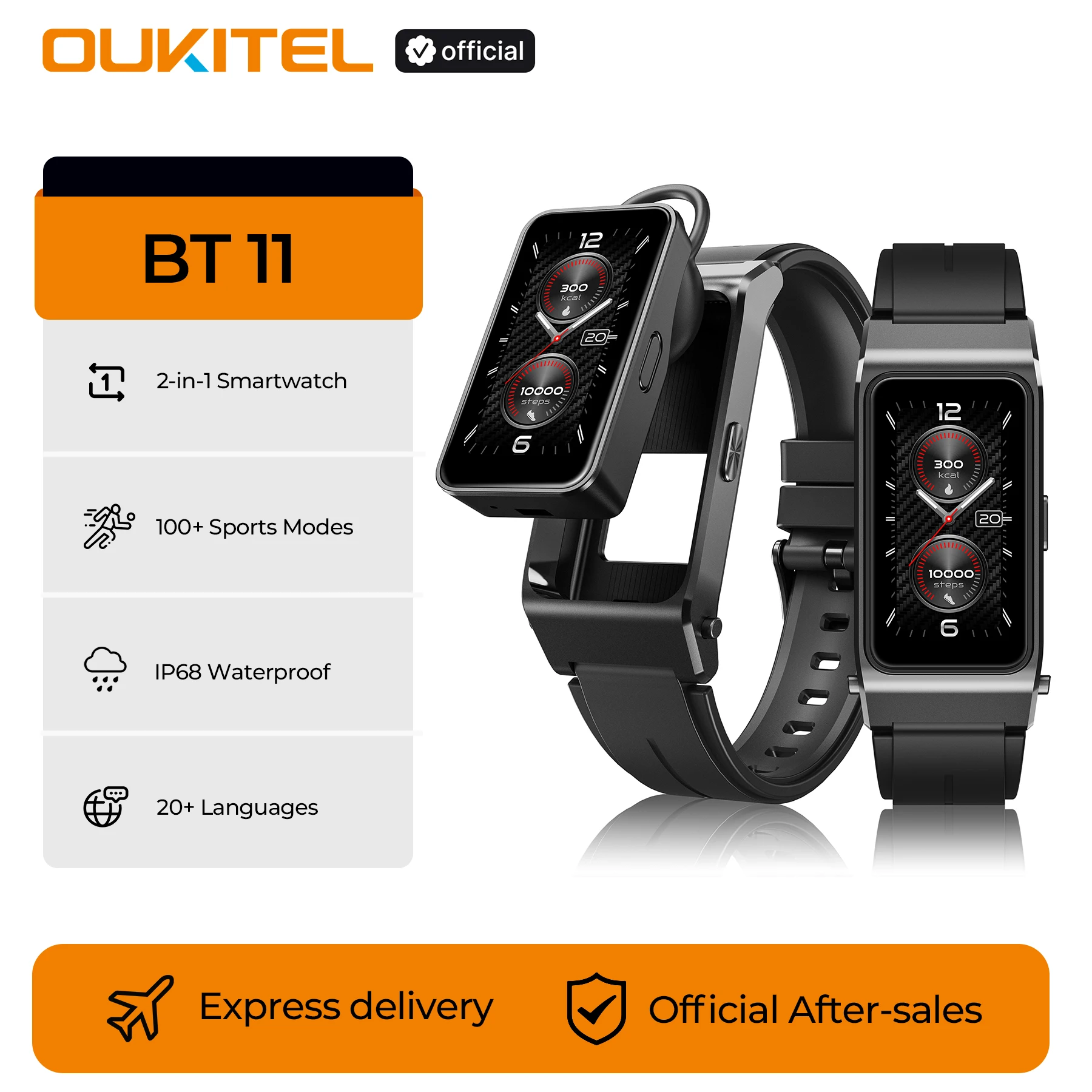
The wearing comfort of a smartwatch for measuring blood pressure is very important, as the device needs to be worn constantly. Most models weigh up to 50 grams and have silicone straps that do not cause skin irritation. IP68 water resistance allows you to keep the watch on while washing your hands or in the rain.
Battery life is a critical parameter. A review of a smartwatch with a blood pressure monitor showed that models with large batteries (from 300 mAh) last up to 10-14 days without recharging when health features are actively used. Watches with smaller batteries require charging every 3-5 days, which can be inconvenient.
An important aspect is compatibility with mobile apps. Most smartwatches sync with iOS and Android via proprietary applications. The apps allow you to keep detailed statistics, build blood pressure change graphs, and even share data with a doctor in PDF format.
Disadvantages and limitations of smartwatches
Despite all the advantages, the blood pressure smartwatch test also revealed certain limitations. First, optical sensors are sensitive to movement: even slight hand tremors can distort the results. Second, accuracy decreases in people with very dry or, conversely, moist skin. Third, some models do not work correctly on dark skin due to the characteristics of light absorption.
Another limitation is the inability to measure blood pressure during physical activity. A watch for blood pressure control requires a state of rest, so measuring pressure while running or exercising is impossible. For this, you need to stop and wait 1-2 minutes.
It is also worth considering that cheap models (under 2000 UAH) often have a high error rate — up to 15-20 mmHg. ComfortShop experts recommend choosing mid-range and premium devices from trusted manufacturers that invest in developing accurate algorithms.
Conclusion:
Our blood pressure smartwatch test confirmed that modern models can provide fairly accurate blood pressure monitoring for everyday use. The best smartwatch for health is one that combines high measurement accuracy, wearing comfort, and long battery life. As ComfortShop reviewers note, for people with hypertension or cardiovascular diseases, such a gadget will become a reliable assistant in monitoring their well-being. Choose a model with two sensors, calibration capability, and additional health monitoring features, and your watch for blood pressure control will serve you long and effectively.
Frequently Asked Questions
How accurate are smartwatches for measuring blood pressure?
Most models provide sufficient accuracy for daily monitoring but do not replace a medical blood pressure monitor. Always use a certified device for diagnosis and treatment.
Which smartwatch for blood pressure control is considered the best in 2024?
According to test results, the leaders are models with an optical sensor and calibration function, such as the Samsung Galaxy Watch 6 or Huawei Watch D, which have a built-in cuff mechanism.
Can a smartwatch be used to measure blood pressure with arrhythmia?
Some advanced models can detect arrhythmia, but blood pressure measurements with an irregular pulse often have errors. It is better to consult a doctor regarding the choice of a specific model.
How often should a smartwatch with a blood pressure monitor be calibrated?
It is recommended to calibrate the watch using a regular blood pressure monitor once every 1-2 weeks or whenever you notice a significant discrepancy in readings.