Organizing space in a closet or pantry is a task that every homemaker or owner of a large wardrobe faces sooner or later. Vacuum storage bags for clothes have become a real lifesaver for those who want to reduce the volume of items by half or two-thirds, protecting them from dust and moisture. However, the market offers a wide selection, and buying just any set is not always a good decision. According to the recommendation of the ComfortShop editorial team, you should pay attention not only to the price but also to the material, valve type, and purpose of the product. In this article, we will analyze how to choose vacuum bags for clothes so that they last a long time and do not spoil your favorite items.
? Table of Contents
Why Use Vacuum Bags for Home
Vacuum bags for home are not just a trendy accessory but a practical solution for saving space. They work on the principle of air evacuation, reducing the volume of items by 50–75%. This is especially relevant for seasonal items such as down jackets, blankets, or sweaters, which take up a lot of closet space in summer or winter.
Additionally, vacuum bags create an airtight environment that protects clothes from dust, dirt, insects, and mold. This is important for storing delicate fabrics or expensive items that you don't wear daily. It's worth noting that such bags come in various sizes, from compact ones for lingerie to large ones for blankets and pillows.
ComfortShop experts advise against using vacuum bags for items that need airing, such as fur coats or products made from natural fur. For regular clothing, they are completely safe if you follow the manufacturer's instructions.
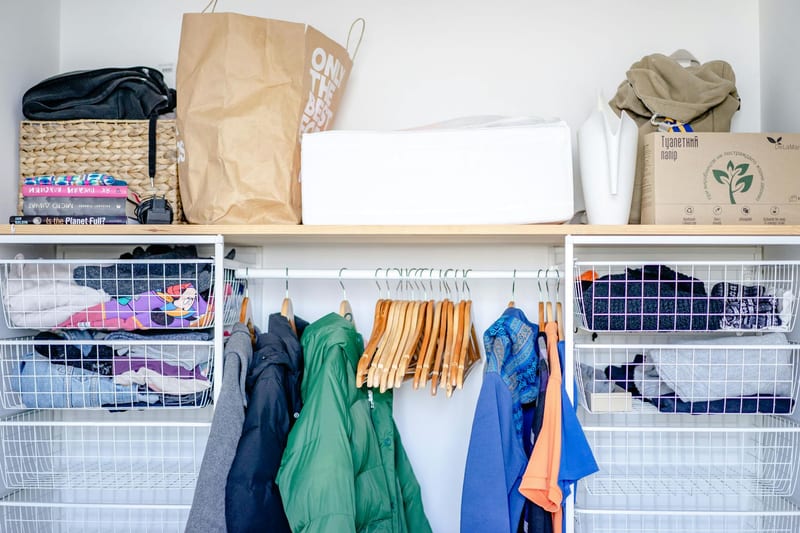
How to properly store clothes in bags to avoid deformation.
Before packing an item, make sure it is completely dry and clean. Dirt or moisture can cause stains or unpleasant odors. Also, do not leave items in bags for more than 3–4 months without checking — this will help preserve their shape and freshness.
Main Types of Vacuum Bags for Clothes
The market offers two main types of vacuum bags: with a manual pump and without one. The first option involves using a special device to evacuate air, allowing for maximum compression. The second type is bags with a valve that can be compressed manually by simply rolling or pressing on them.

Separately, it is worth highlighting bags with a zipper and without one. Models with a zipper provide better sealing and are suitable for long-term storage. They are also more convenient to use as they do not require additional clips. Bags without a zipper are often cheaper but may leak air over time.
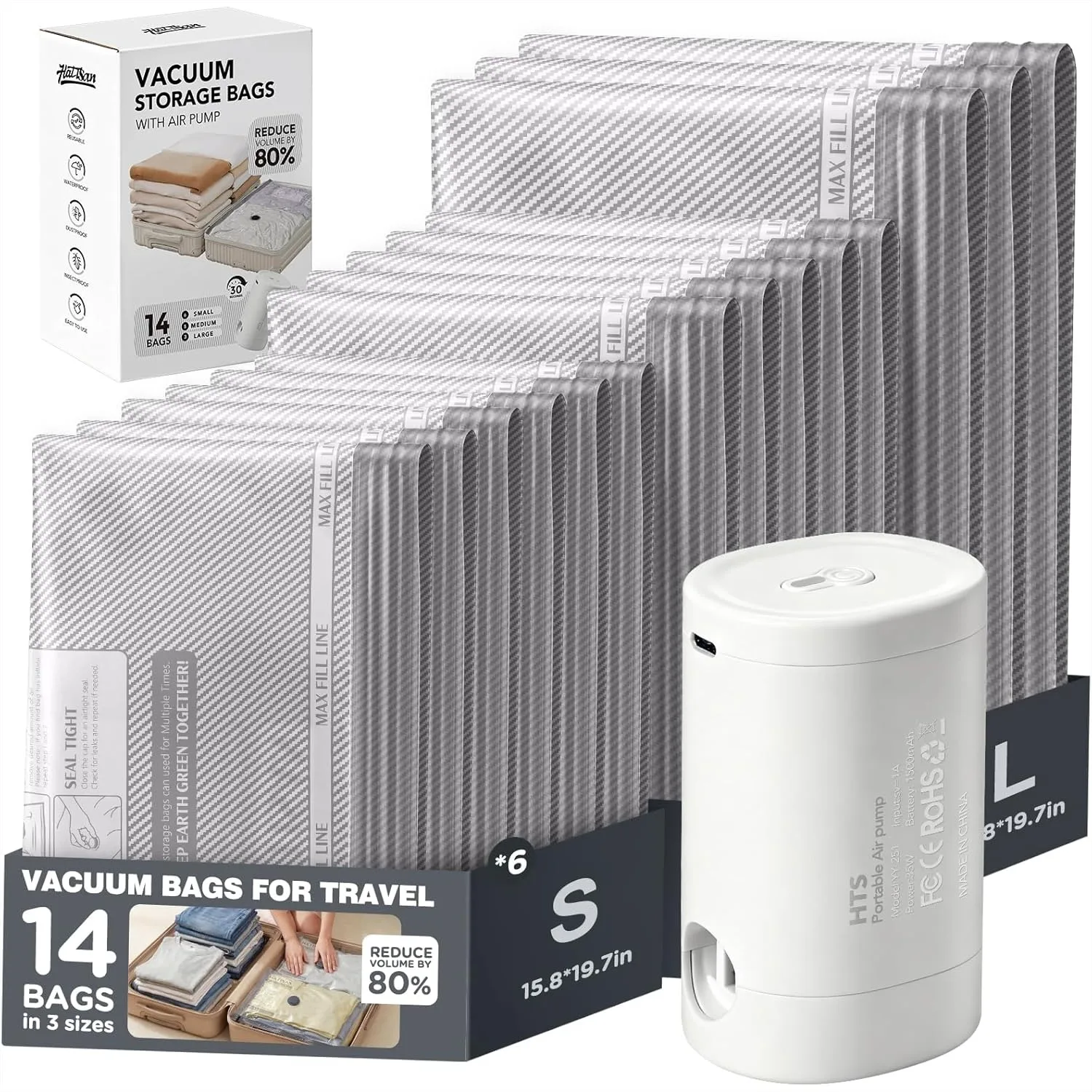
As noted by ComfortShop reviewers, for home use, it is best to choose bags with a double lock or a special tape that prevents air leakage. This ensures that your items remain compressed even after prolonged storage.
How to Choose Vacuum Bags by Size and Material
The size of the bag is one of the key criteria when you are thinking about how to choose vacuum bags. For large items such as blankets, pillows, or down jackets, choose bags with a volume of 60 to 100 liters. For clothes, shoes, or bed linen, more compact options of 20–40 liters will suffice.
The material also plays an important role. The most common are high-density polyethylene (HDPE) and polyamide. Polyethylene is cheaper but less durable, while polyamide bags are more resistant to punctures and last longer. For long-term storage, it is better to choose multi-layer materials.
Pay attention to the film thickness: the thicker it is, the more reliable the bag. The optimal thickness for home use is 0.8–1.2 mm. Thinner bags can easily tear during compression or transportation.
Advantages and Disadvantages of Different Air Evacuation Systems
Evacuation systems can be manual, foot-operated, or electric. Manual pumps are compact and do not require electricity, but they require physical effort. Foot pumps are more convenient as they allow air evacuation without bending, reducing strain on the back.
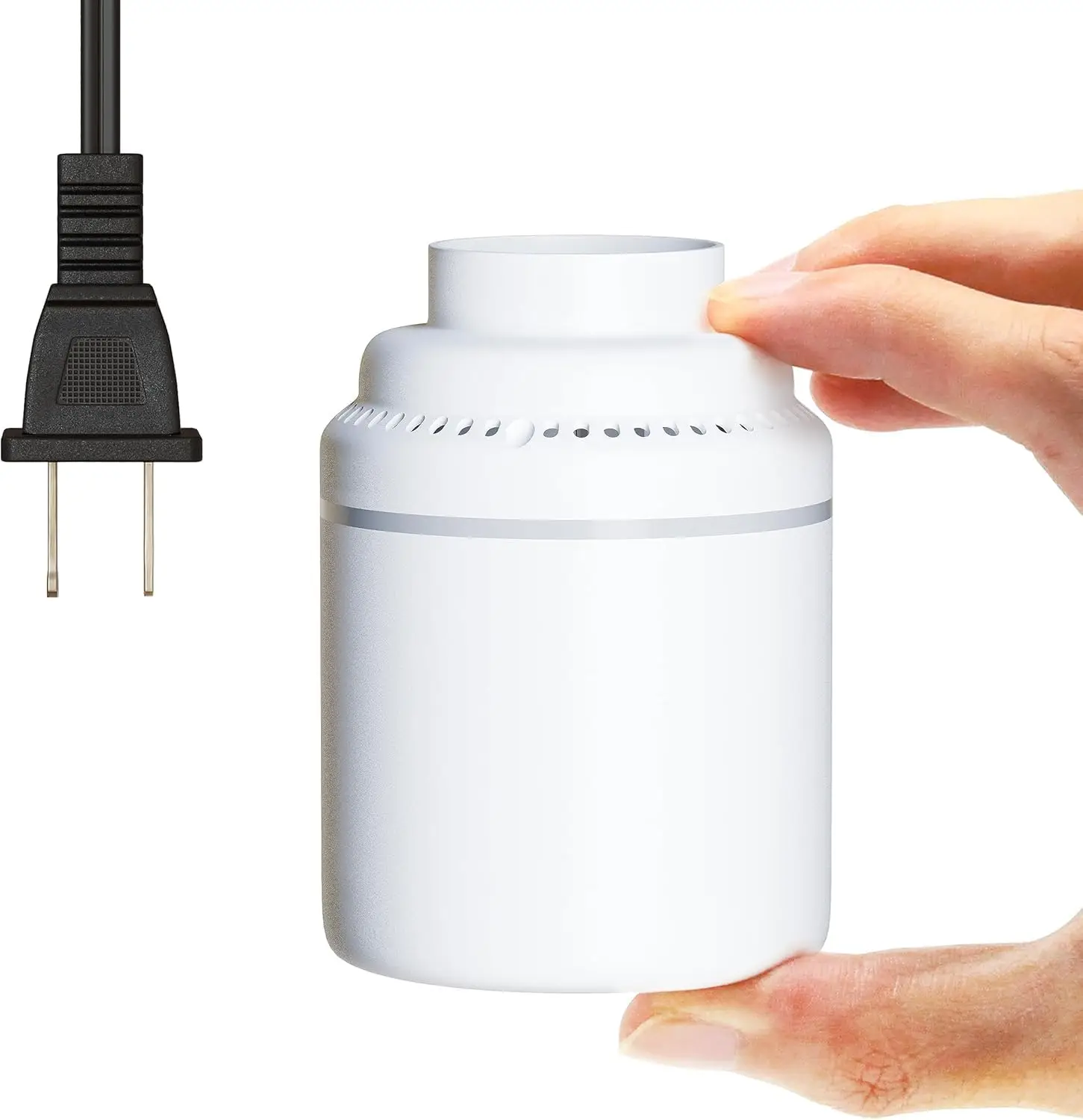
Electric pumps are the fastest option, but they are more expensive and depend on a power source. Some models of vacuum bags have a built-in valve that allows using a regular vacuum cleaner for air evacuation. This is a universal solution suitable for most households.
Storage bags that do not require a pump often have a special valve for manual compression. They are cheaper but less effective for large volumes. If you plan to pack many items regularly, invest in a quality pump.
What Items Can and Cannot Be Stored in Vacuum Bags
Vacuum bags for clothes are ideal for storing synthetic, cotton, wool, and blended fabrics. They work excellently with down jackets, coats, sweaters, jeans, and bed linen. You can also pack soft toys, blankets, and pillows.
However, there are items that are strictly not recommended for storage in such bags. These include products made from natural fur, leather, suede, as well as items with delicate embellishments or embroidery. The vacuum can deform these materials or damage the decor.
Also, avoid packing items that require constant airing, such as wedding dresses or antique textiles. For such cases, it is better to use breathable covers or special boxes.
Conclusion:
The choice of vacuum bags for clothes depends on your needs, the volume of items, and your budget. The best vacuum bags are those made from durable material, have a reliable valve, and match the size of your items. ComfortShop experts recommend choosing models with a double lock and the ability to use a vacuum cleaner for maximum convenience. Remember the storage rules: clean and dry items, avoid delicate materials. By following these simple tips, you can significantly save space in your closet and keep your wardrobe in perfect condition.
Frequently Asked Questions
Which vacuum bags for clothes are better to choose — with a valve or without?
For home use, it is best to choose bags with a valve that can be compressed using a regular vacuum cleaner — this ensures maximum air removal and saves time.
Can down jackets and blankets be stored in vacuum bags?
Yes, but it is important not to compress items with down or synthetic filling too tightly to avoid damaging the filler structure; it is better to use bags with a partial compression function.
How to properly choose the size of a vacuum bag for storing items?
Choose a bag of such a size that the item fits freely inside without wrinkling — for jackets, large formats (60×80 cm) are suitable, and for t-shirts, medium ones (40×60 cm).
Are vacuum bags suitable for long-term storage of clothes in a closet?
Yes, they are ideal for seasonal storage as they protect items from dust, moisture, and moths, but do not use them for delicate fabrics (e.g., silk) for more than a few months.