A modern home weather station is not just a stylish gadget, but a practical assistant that allows you to plan your day based on real weather conditions outside your window. Instead of trusting inaccurate forecasts from the internet, you get local data on temperature, humidity, pressure, and even wind speed. However, for the device to be truly useful, it is important to know how to choose a home weather station that meets your needs and budget. In this article, we will break down the key criteria that will help you make an informed purchase. According to the recommendation of the ComfortShop editorial team, you should pay attention to the accuracy of the sensors and the operating temperature range, as these parameters determine the longevity of the device.
Article Contents
Main Types of Home Weather Stations
Before delving into the technical specifications, it is worth deciding on the type of device. All home weather stations can be roughly divided into two large categories: analog (mechanical) and digital. Analog models are classic aneroid barometers and thermometers that do not require power but have limited functionality.
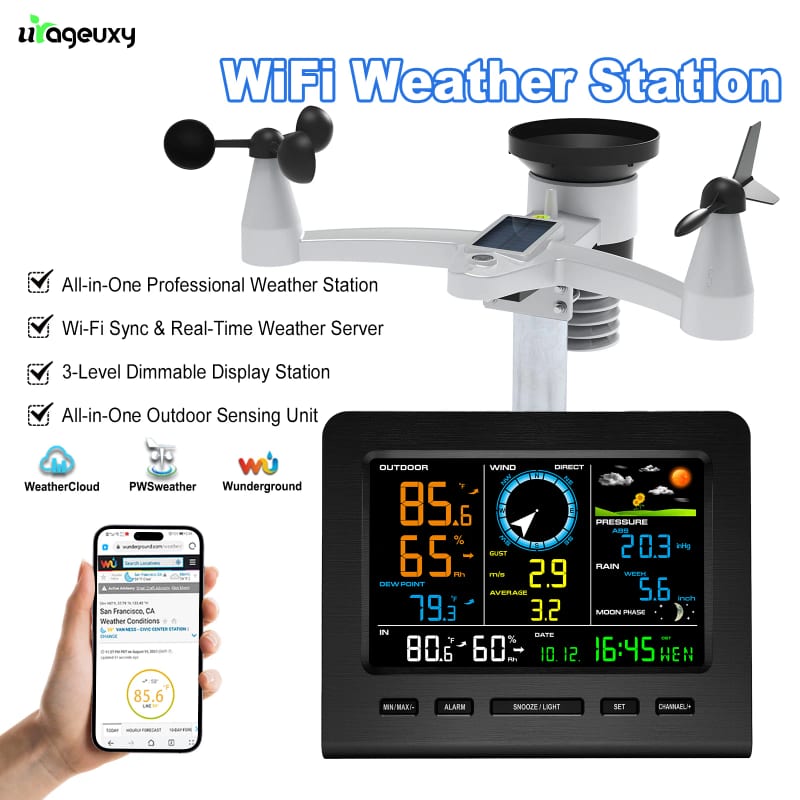
Digital weather stations, in turn, are divided into wired and wireless. Wireless models with an external sensor are the most popular choice, as they allow you to place the sensor outdoors, obtaining accurate temperature and humidity readings outside the home. It is these devices that most often appear in modern home weather station ratings.
What to Look for When Choosing: Key Parameters
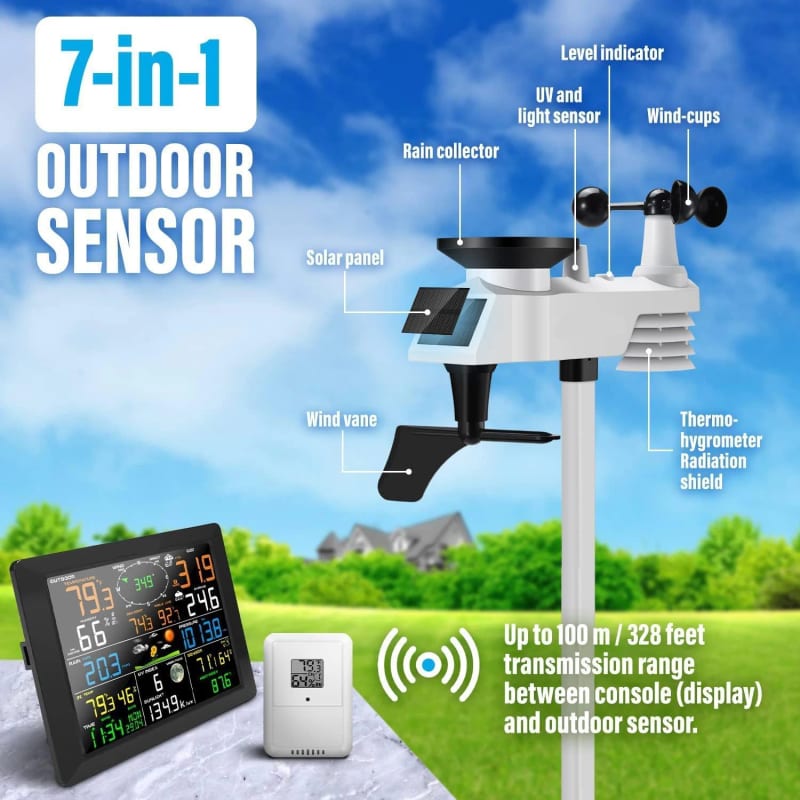
To understand which home weather station is best for you, you should evaluate the set of basic functions. The most important element is the external sensor: pay attention to its range (usually 30-100 meters in open space) and moisture protection (IP44 standard or higher). Also important is the temperature measurement range — from -40°C to +60°C for regions with harsh winters.
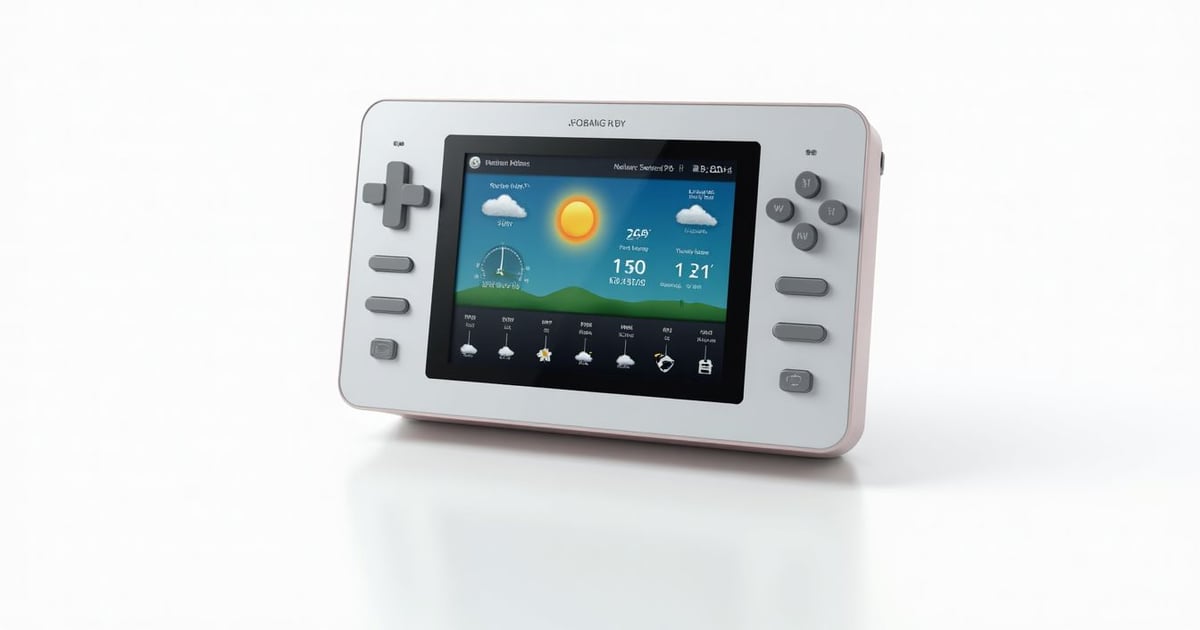
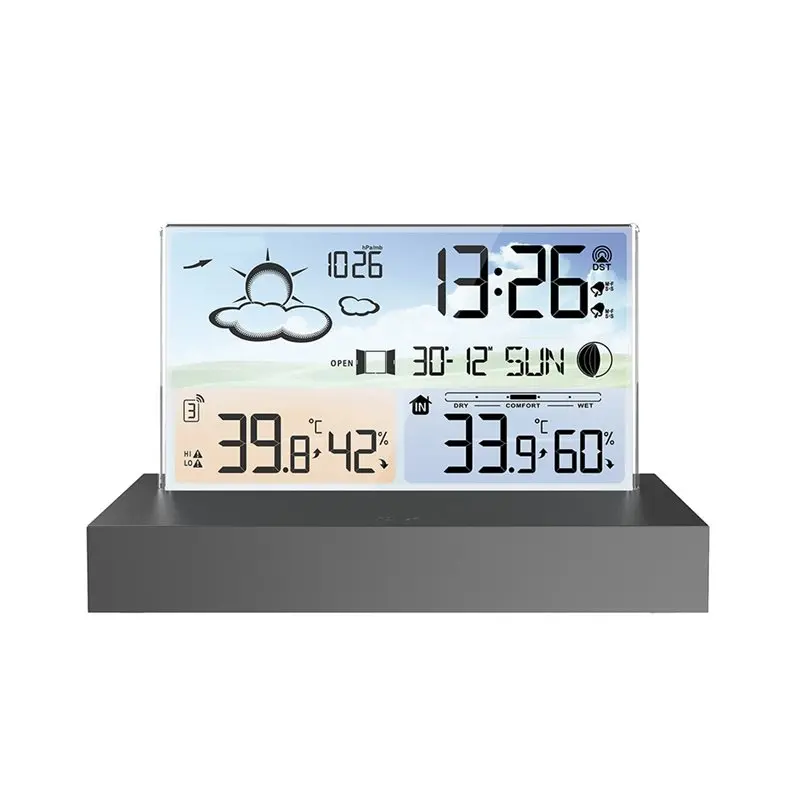
Equally significant is the display. A large LCD screen with backlighting and clear numbers makes reading information much easier. Some models have color screens with a graphical display of the forecast, making the home weather station klimat tehnika more visual and convenient to use.
Additional features worth considering.
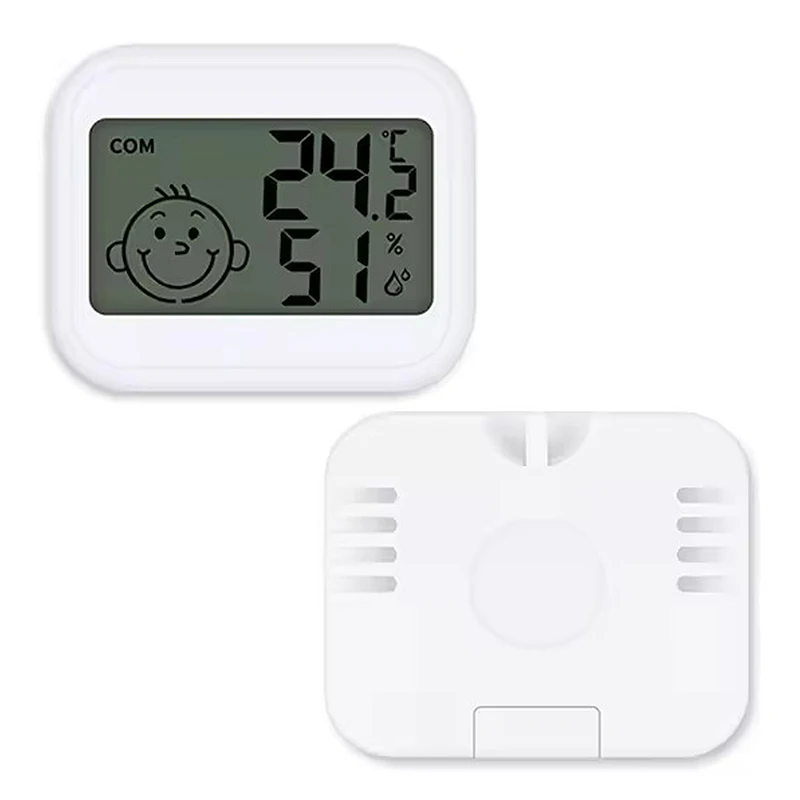
Modern devices can be equipped with a barometer for a 12-24 hour weather forecast, a hygrometer for measuring humidity, and a CO2 sensor. If you plan to use the station to control the microclimate in a children's room or greenhouse, the presence of a comfort indicator will be a nice bonus. ComfortShop experts advise choosing models with a function for recording minimum and maximum values — this helps track the dynamics of weather changes.
Wired or Wireless Models: Which to Choose?
The choice between a wired and wireless system is often a stumbling block for buyers. Wired stations are simpler and cheaper, but their external sensor is tied to the cable length, which limits the installation location. They are ideal for apartments where the sensor can be placed on a balcony or outside a window.
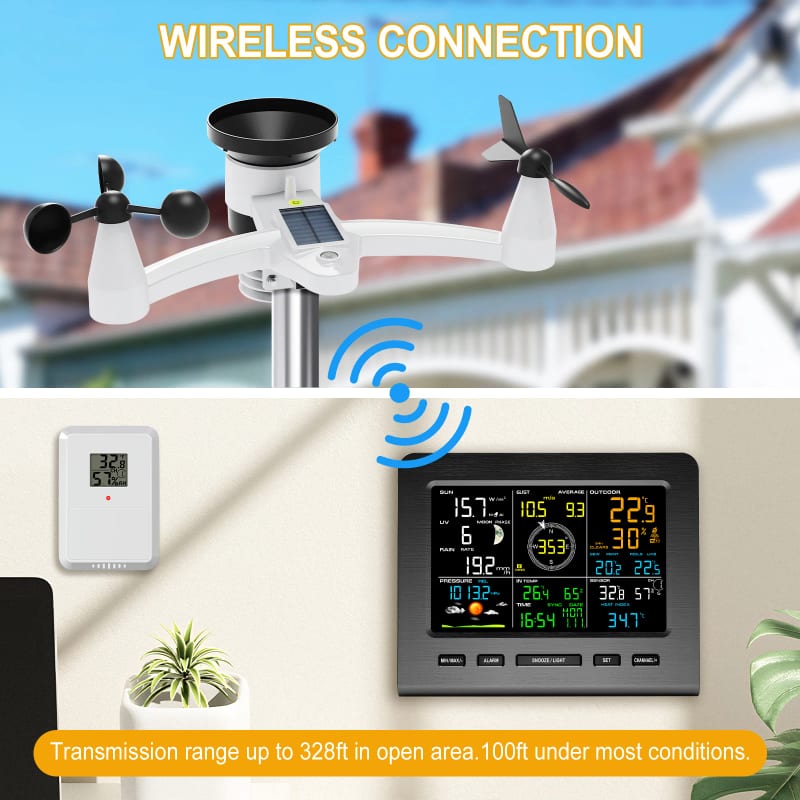
Wireless models, on the other hand, offer complete freedom: you can install the sensor in the garden, on the roof, or in a greenhouse. They are powered by batteries or solar panels. If you are looking for a universal solution for a private house, then the advice for choosing a weather station leans towards wireless versions with an 868 MHz radio channel.
Overview of Popular Brands and Features
The market offers dozens of manufacturers, but the leaders remain companies specializing in climate control equipment. For example, German and Swiss brands are renowned for high measurement accuracy, while Asian manufacturers offer more affordable prices with decent quality. When compiling a home weather station review, models with Wi-Fi support that transmit data to a smartphone are often highlighted.
It is important to understand that the presence of a Wi-Fi module allows the station to synchronize with global weather services, which increases forecast accuracy. However, such models are more expensive and require a stable internet connection. For those who do not want to overpay, classic stations with a radio sensor remain a reliable choice.
How to Check the Accuracy and Reliability of a Weather Station
Before purchasing, it is worth paying attention to the materials of the case and the build quality. Cheap plastic can crack in the cold, and a non-sealed sensor can fail after the first rain. Always check for quality certificates and the warranty period, which is usually from 1 to 3 years.
To assess accuracy, you can conduct a simple test: compare the readings of the new station with data from the nearest official weather station in your city. The permissible error for temperature is ±0.5°C, for humidity — ±3-5%. If the discrepancies are larger, it is a reason to think about the quality of the device. Remember, the best home weather station is not always the most expensive, but the one that works stably within the specified range.
Conclusion:
In summary, we can say that choosing the ideal weather station depends on your needs and living conditions. For an apartment, a compact model with one external sensor is quite sufficient, while for a private house, it is worth looking at multifunctional wireless systems. As ComfortShop reviewers note, the main thing is not to chase the number of functions, but to focus on the accuracy of basic measurements and the reliability of the design. Choose trusted brands, read reviews, and your weather station will become a faithful assistant for many years.
Frequently Asked Questions
How is a wired weather station different from a wireless one?
Wireless models transmit data from the external sensor to the display via a radio channel, allowing the sensor to be placed at a distance of up to 100 meters. Wired stations are cheaper, but the sensor must be connected by a cable, which limits the installation location.
What range of the external sensor is considered optimal for home?
For a private house, a range of 50-80 meters in open space is sufficient, and for an apartment — 30-50 meters. Keep in mind that concrete walls and metal structures reduce the signal range.
Do I need a weather station with Wi-Fi if I don't plan to connect it to a smartphone?
No, Wi-Fi is only needed for remote monitoring via an app or integration with smart home systems. If you just need to see the weather on the display at home, choose a regular wireless station without Wi-Fi — it is cheaper and easier to set up.
What additional features are truly useful in a home weather station?
The most useful ones are a weather forecast based on pressure changes, graphs of temperature and humidity changes over the day, and display backlighting. Features like moon phase or UV index are a nice bonus but not critical for the choice.