Allergies are not just seasonal discomfort, but a constant battle the body wages against invisible irritants that can hide in one's own home. Plant pollen, household dust, pet dander, or microscopic mold spores — all of these cause the immune system to react acutely. That is why high-quality air purification becomes not a luxury, but a vital necessity for people with increased sensitivity. According to the recommendation of the ComfortShop editorial team, choosing the right device can reduce allergy symptoms by 70-80%, creating a safe microclimate in the home. In this article, we will analyze how to choose an air purifier for allergy sufferers, which technical characteristics to pay attention to, and which models are considered the most effective.
? Article Contents
- Why a regular humidifier won't work: key differences
- Types of filters: which offers the best protection
- Performance and room area: don't make a calculation mistake
- Additional features that will make life easier for an allergy sufferer
- Noise level and energy consumption: practical nuances
- Top 5 criteria for the ideal choice
- Conclusion:
Why a regular humidifier won't work: key differences
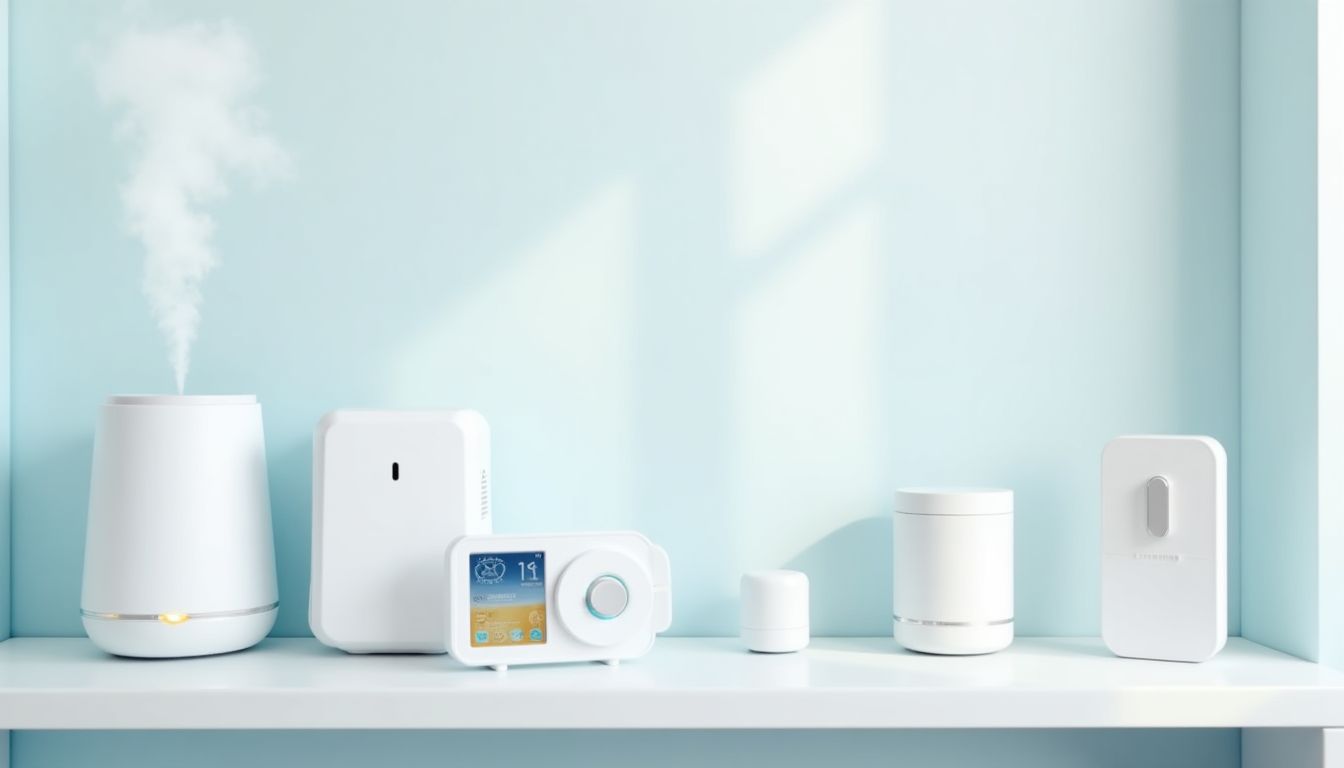
Many people mistakenly believe that a humidifier and an air purifier perform the same function. In reality, these are fundamentally different devices. A humidifier only increases the humidity level, which can even provoke the growth of dust mites and mold if the indicators are not controlled. An air purifier for allergy sufferers, on the other hand, works on a completely different principle — it actively filters air masses, trapping the smallest allergen particles.
If you are looking for how to choose an air purifier, the first rule is to choose a model with a filtration system, not just an ionizer or an ultrasonic humidifier. A true home air purifier for allergies requires a HEPA filter, which can capture particles as small as 0.3 microns. These filters are the gold standard in the fight against allergens.
Types of filters: which offers the best protection
Choosing a filter is a key point when the question arises of which air purifier is best for allergy sufferers. Several main types are available on the market, and each has its own features. Combined systems that incorporate multiple stages of purification are considered the most effective.
Let's look at the main types of filters:
- HEPA filters (H10-H14). Capture up to 99.97% of particles — pollen, dander, mold spores. Class H12 and higher is recommended for allergy sufferers.
- Carbon filters. Effectively absorb odors, smoke, and volatile organic compounds, but cannot handle biological allergens.
- Photocatalytic filters. Decompose toxins under ultraviolet light, but require regular catalyst replacement.
- Electrostatic filters. Attract particles using static electricity, but are less effective against the smallest allergens.
ComfortShop experts advise choosing models with a pre-filter for coarse cleaning — it extends the service life of the main HEPA filter by trapping large dust and fluff.
Performance and room area: don't make a calculation mistake
One of the most common myths is that a powerful purifier can be placed in any room. In reality, the device's performance must match the room's area. If you choose a model that is too weak for a large living room, the air simply won't have time to be cleaned. The optimal indicator is considered when the device passes the entire volume of air in the room through itself 2-3 times per hour.
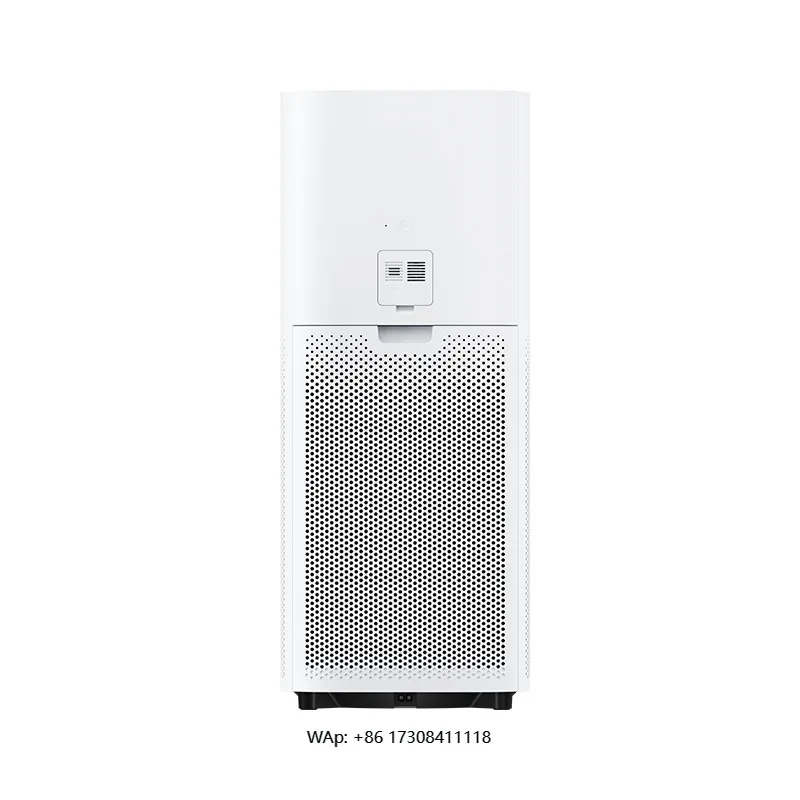
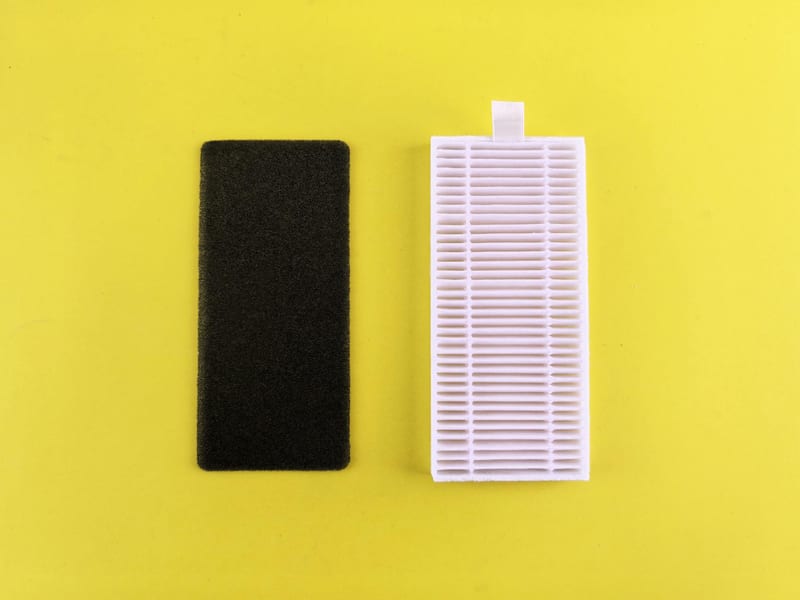
Pay attention to the CADR (Clean Air Delivery Rate) parameter — it indicates how many cubic meters of air are cleaned per hour. For a room of 20 m² with 2.5 m ceilings, you will need a CADR of at least 150 m³/h. If you are looking for an air purifier for allergies, it is better to choose a model with a power reserve of 20-30%, especially if there are pets in the house.
Additional features that will make life easier for an allergy sufferer
Modern air purifiers are not just a fan with a filter. Manufacturers equip them with smart functions that make use as comfortable as possible. For allergy sufferers, air quality sensors that automatically adjust the operating intensity depending on the pollution level will be especially useful.
Among the additional options, it is worth highlighting:
- Ultraviolet lamps for disinfecting the air from bacteria and viruses.
- Ionization, which saturates the air with negatively charged ions and makes it fresher.
- Timer and night mode — for silent operation during sleep, as it is important for allergy sufferers to rest in clean air.
- Remote control or support for smart systems for control from a phone.
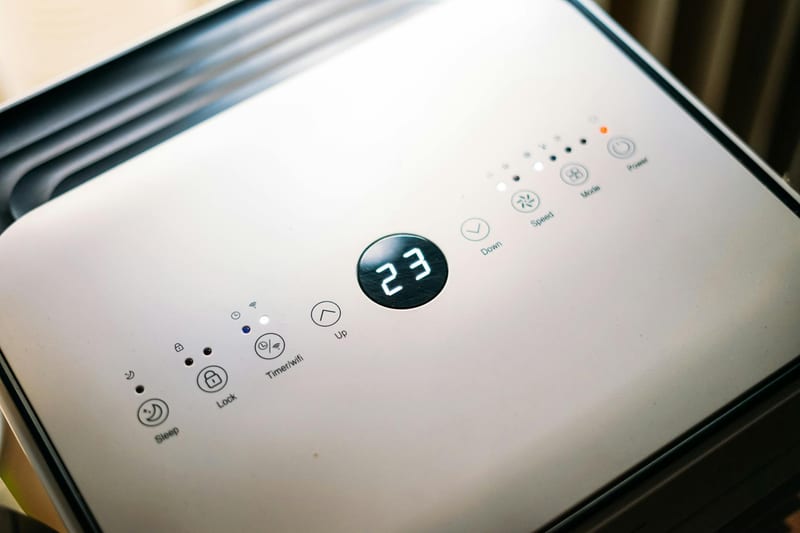
As ComfortShop reviewers note, the presence of a display showing temperature and humidity indicators helps control the microclimate comprehensively, which is especially important when prone to mold allergies.
Noise level and energy consumption: practical nuances
An air purifier for allergy sufferers often runs around the clock, especially during the plant flowering season. Therefore, noise level and energy consumption become critical parameters. Most modern models operate almost silently at minimum speed — up to 20-25 dB, which is comparable to a whisper. At maximum speed, the noise can reach 50-55 dB, but this is still quieter than a normal conversation.
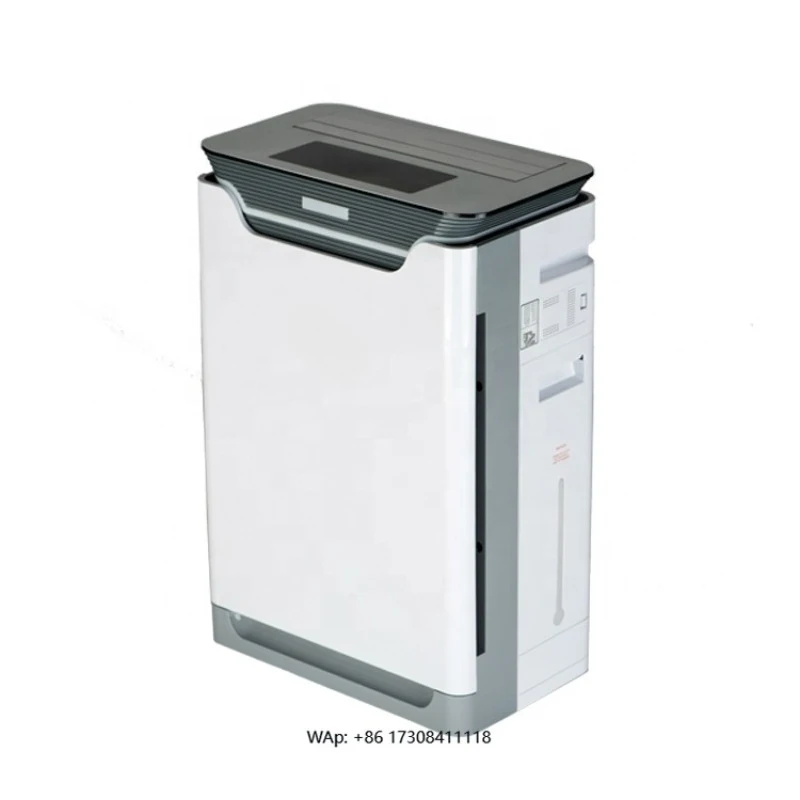
Pay attention to the energy efficiency class — models of class A or A+ consume minimal electricity even when operating around the clock. For the bedroom, it is better to choose devices with an automatic display shut-off function and a night mode that reduces noise to a minimum.
Top 5 criteria for the ideal choice
To avoid getting lost among dozens of models, we have compiled five main criteria that will help you make the right decision. This is a kind of checklist for a buyer who wants to know how to choose an air purifier for allergy sufferers without mistakes.
- Filtration type. Mandatory HEPA filter of class H12-H14. Without it, the purifier will not cope with allergens.
- Performance. CADR should be at least 2-3 room volumes per hour.
- Presence of sensors. Automatic power adjustment saves filter life and electricity.
- Noise level. For the bedroom, choose models with a night mode up to 25 dB.
- Maintenance cost. Find out the price of filter replacement and the frequency — this affects the operating budget.
Remember that even the best air purifier for allergy sufferers requires regular care. Timely filter replacement is the key to effective operation and your health.
Conclusion:
Choosing an air purifier for allergy sufferers is an investment in the quality of life and health of the entire family. The key parameters remain the presence of a high-quality HEPA filter, matching the performance to the room area, and additional features that make use comfortable. You should not skimp on filtration — cheap models without HEPA are unable to trap the smallest allergens. Choose trusted brands and consider the real needs of your home, and then the air in your home will become truly clean and safe.
Frequently Asked Questions
Which filter is best for an air purifier for allergies?
The most effective for allergy sufferers is a HEPA filter (class H13 or H14), which traps up to 99.97% of fine particles such as pollen, dust mites, and mold spores.
Does an air purifier help with pollen allergies?
Yes, an air purifier with a HEPA filter effectively removes pollen from the indoor air, which significantly alleviates the symptoms of seasonal allergies, especially if you keep the windows closed.
How to choose an air purifier for the home if I have a dust allergy?
Choose a model with a HEPA filter and a CADR performance indicator (the higher, the better) that matches the area of your room — this will ensure quick cleaning from dust.
Is it worth buying an air purifier with a humidification function for allergy sufferers?
It is better to choose a separate purifier without humidification, as humidifiers can promote the growth of mold and bacteria, which worsens allergies, but if the device has high-quality antibacterial protection, it is acceptable.