? Table of Contents
Selection Basics: What to Look for First
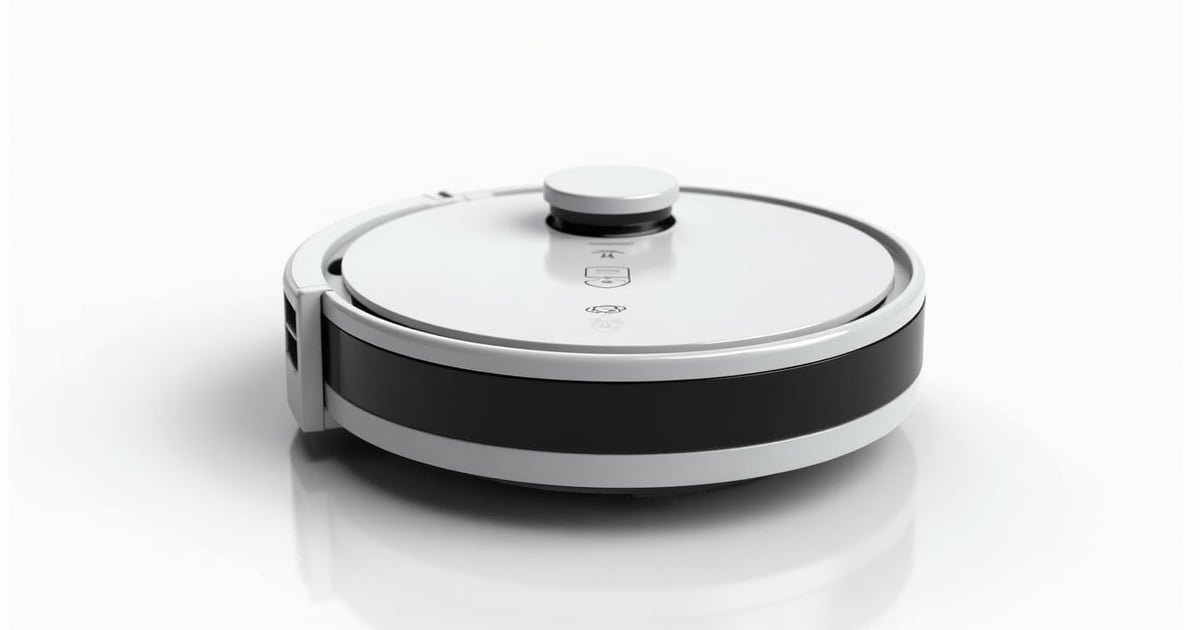
Choosing a robot vacuum for an apartment in 2026 is a task that requires understanding the key technologies shaping the market. Modern models have come a long way from simple devices with random movement and have transformed into smart assistants with autonomy and intelligence. Before diving into specific models, it is important to determine the basic parameters that will affect the device's efficiency in your home.
ComfortShop experts advise starting by assessing the type of navigation. This is the foundation that determines the speed and quality of cleaning. Today, there are three main types: laser (LiDAR), video camera (VSLAM), and gyroscopic. Laser navigation is considered the most accurate — the device creates a detailed map of the room, allowing it to build optimal routes, divide rooms, and set virtual walls in the app. Camera-based models orient themselves using visual landmarks, while gyroscopic systems, often combined with bump sensors, are a simpler and more budget-friendly solution.
Equally important is the power type and battery life. For an average-sized apartment (up to 70-80 m²), a battery capacity of 90-120 minutes is often sufficient. If you plan to clean the entire apartment in one cycle, consider models with a runtime of 150 minutes or more, or with the function of automatically returning to the base to recharge and resume cleaning from where it stopped.
Cleaning and Filtration Systems: Cleanliness and Hygiene
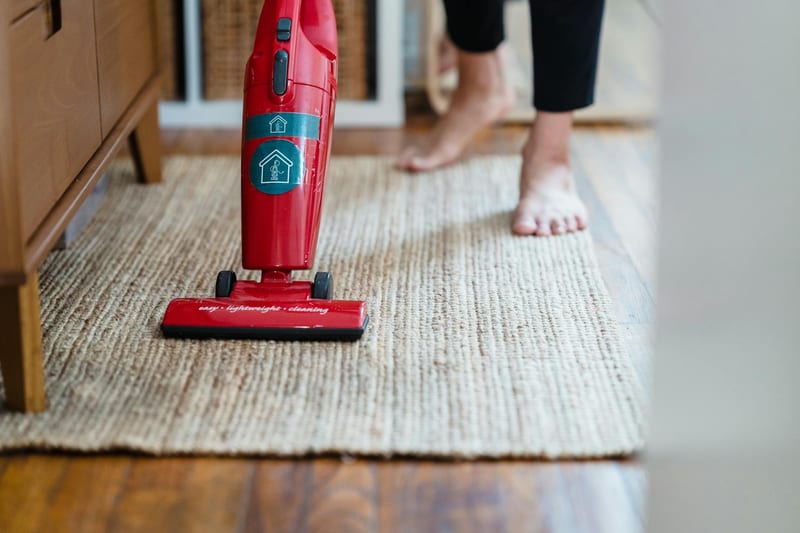
The efficiency of dust and debris collection is the main mission of any vacuum cleaner. In 2026, the standard is increasingly becoming a bristle turbo brush, which excels at handling pet hair and debris from medium-pile carpets. For bare flooring (laminate, tile, parquet), a combination of a central roller brush and side brushes for collecting dirt in corners is often used.
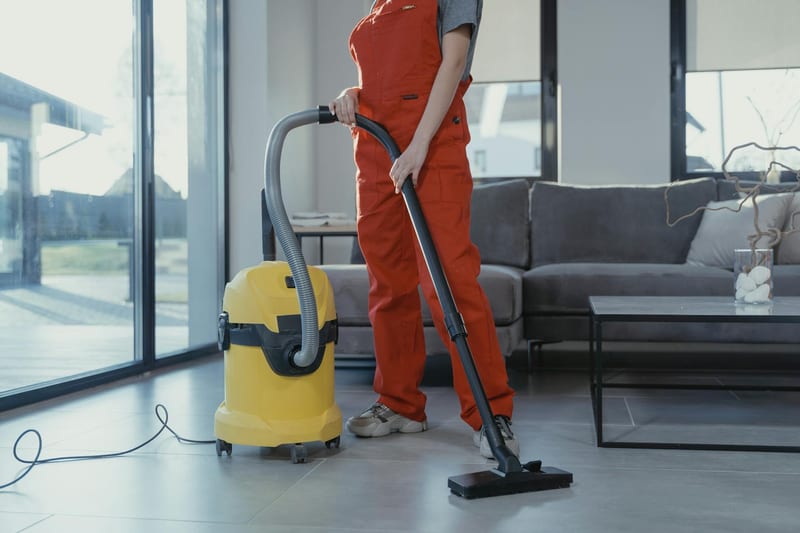
Filtration quality is the key to a healthy indoor climate.
Modern robot vacuums are equipped with advanced filtration systems that not only collect but also trap the smallest particles. The most effective are HEPA filters of class H13 or H14, which capture up to 99.95-99.995% of allergens, pollen, and bacteria. This is critically important for families with children or allergy sufferers. According to the recommendation of the ComfortShop editorial team, pay attention to the design of the dustbin — the ease of removing and cleaning it without contact with dust significantly increases operating comfort.
Smart Features and Integration into the Smart Home Ecosystem
A robot vacuum in 2026 is not just a device, but a full-fledged participant in the digital household. A basic requirement is the availability of a stable mobile app through which you can control the device remotely, set cleaning schedules, view the apartment map, and designate areas to avoid or, conversely, clean more intensively.
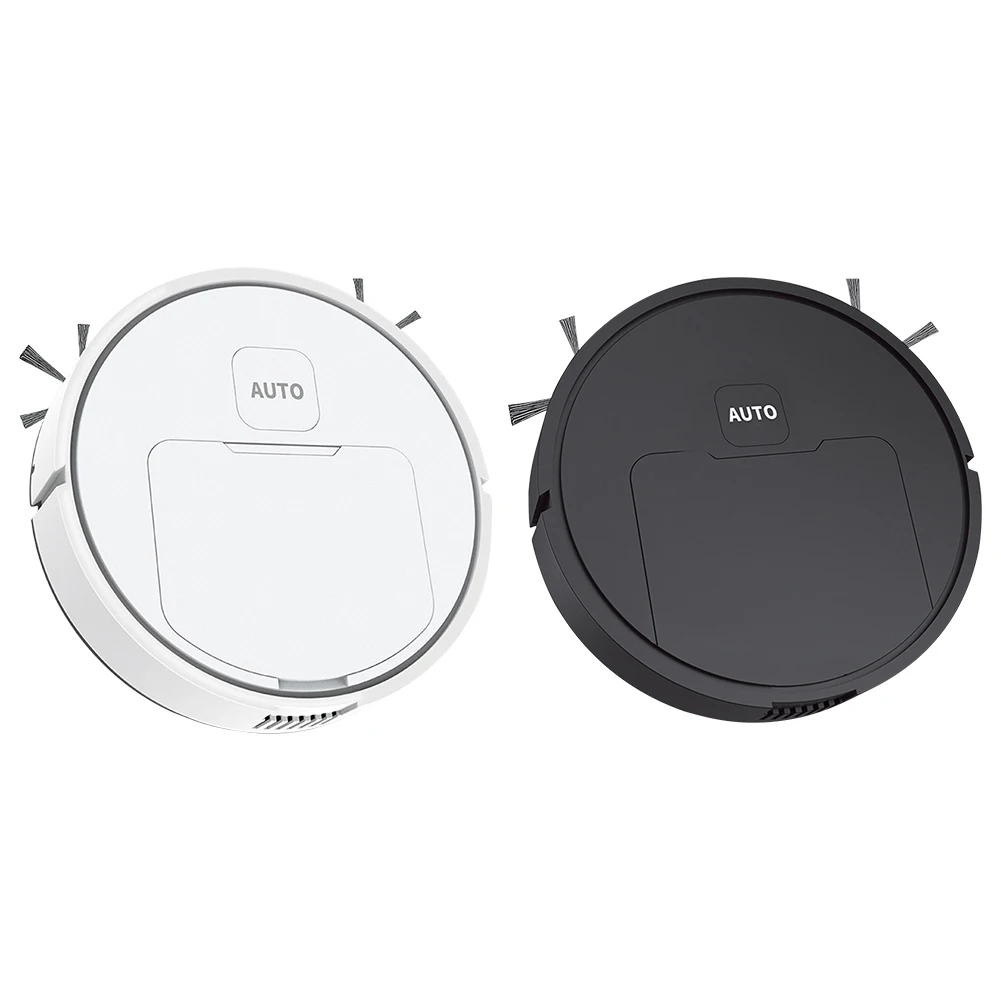
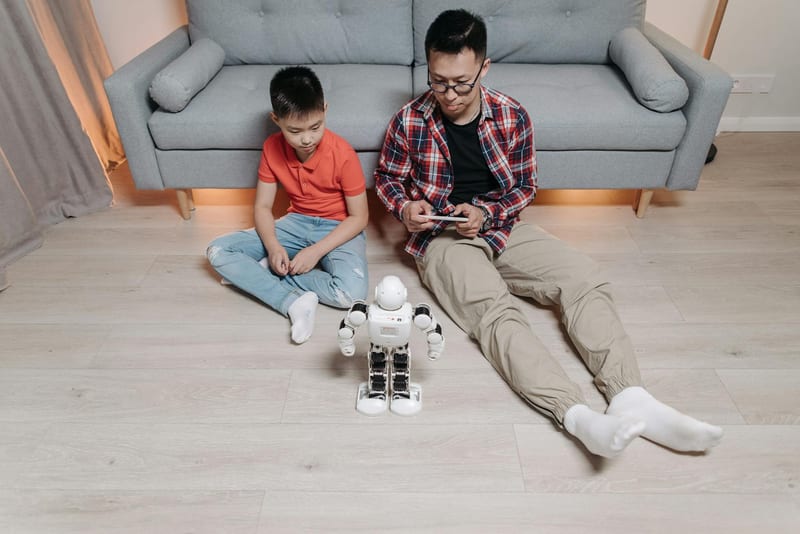
Advanced models offer recognition of floor types (carpet, parquet, tile) with automatic suction power increase on carpets. More and more devices are appearing with object recognition capabilities using a camera and artificial intelligence. Such a robot can navigate around scattered toys, charging cables, or sliding rugs, making its operation even safer and more efficient.
Integration with voice assistants (Google Assistant, Amazon Alexa, as well as Ukrainian developments) and ecosystems (Apple Home, SmartThings) is becoming standard. This allows you to start cleaning with a voice command or as part of a smart home scenario, for example, after you leave for work.
Features for Different Apartment Types
There is no perfect robot vacuum "for all occasions." The choice largely depends on the specifics of your apartment. For a studio or open-plan apartment, models with powerful navigation and a large battery capacity, capable of covering the entire area in one go, are well suited.
If the apartment has many narrow passages, furniture on low legs, or dark surfaces, the body height and sensor quality become critically important. Low-profile models (from 7-8 cm) can fit under most furniture, and reliable obstacle sensors will prevent getting stuck. For apartments with multiple levels (e.g., with staircases to the kitchen-living room), a function to save multiple maps in memory is necessary so that the robot does not "forget" the layout of each floor after being moved.
For cozy apartments with predominantly carpets or for pet owners, the key parameters become suction power and the presence of a special turbo brush. Some models even offer an ultraviolet lamp for surface treatment, which can be an additional bonus for disinfection.
2026 Trends: What the Market Offers
The robot vacuum market in 2026 continues to develop dynamically. Models with increased autonomy and multifunctionality are coming to the forefront. The popularity of automatic maintenance stations is growing, which not only charge the robot but also automatically empty the dustbin into a large bag that only needs to be changed once every few weeks.
"2-in-1" combined devices are becoming a new trend.
More and more manufacturers are presenting models that combine the functions of a vacuum cleaner and a mop. While early versions simply wiped the floor with a damp cloth, modern devices have separate tanks for clean and dirty water, perform vibration cleaning or steam mopping, providing truly deep cleaning of hard surfaces. ComfortShop reviewers note that when choosing such a model, it is worth ensuring the quality of the navigation system to avoid smearing dirt around the entire apartment.
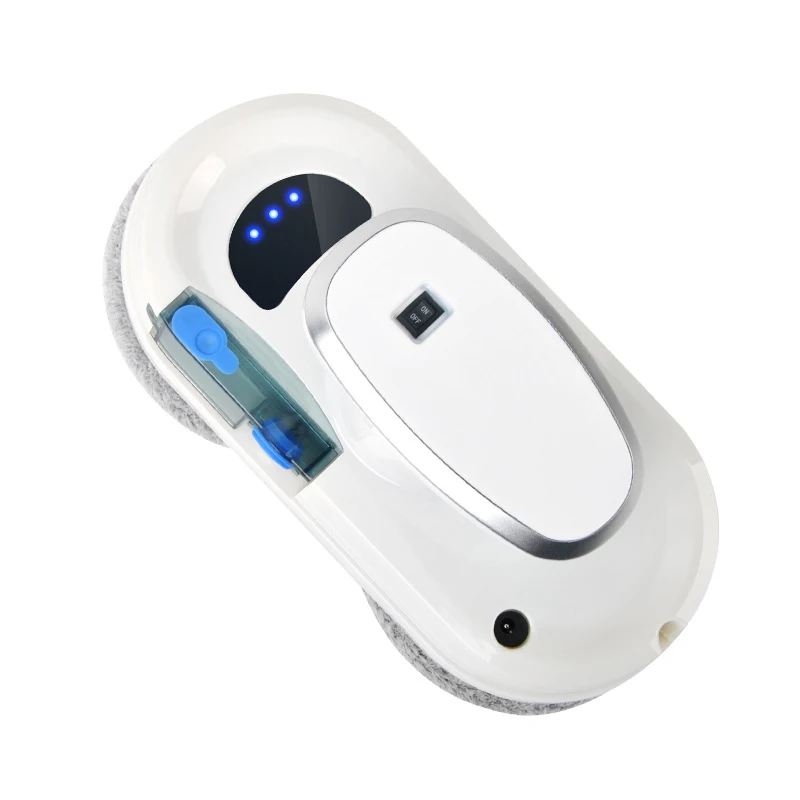
The trend towards sustainability is also strengthening: the use of recycled materials in the body, energy efficiency, and the possibility of long-term operation thanks to software updates that extend the device's life cycle.
Conclusion:
Choosing a robot vacuum for an apartment in 2026 is based on a clear understanding of your needs: the type of navigation for an efficient route, suction power and filtration system for healthy cleanliness, and smart features for maximum comfort. Consider the specifics of your home — the presence of carpets, pets, or a complex layout.
The modern market offers solutions for any task: from compact models for small apartments to full-fledged combos with automatic dust disposal and floor mopping. By approaching the choice responsibly, you will get a reliable assistant that will significantly simplify your household chores and save your time for much more pleasant activities.
Frequently Asked Questions
How have robot vacuums changed in 2026 compared to previous years?
In 2026, the main changes relate to artificial intelligence for obstacle recognition, longer battery life thanks to more efficient batteries, and improved integration with smart home systems for full cleaning automation.
Can I buy a good robot vacuum for an apartment with a mid-range budget in 2026?
Yes, in 2026 the market offers many models in the mid-price range with laser navigation, basic mopping functionality, and efficient debris collection, which is quite sufficient for a standard apartment.
What technical specifications should I pay attention to when choosing a robot vacuum in 2026?
Key parameters: type and accuracy of navigation (laser LiDAR is a priority), suction power, battery capacity for cleaning the entire apartment in one go, and the availability of a base station for self-emptying and charging.
Is it worth buying a robot vacuum without a mopping function in 2026?
If the main task is dry cleaning of carpets or you often mop the floor manually, you can get by with a vacuum-only model, which is often cheaper and more reliable.