
During the heating season or in hot summer weather, indoor air humidity often drops below the comfortable 40-60%. This negatively affects well-being, skin condition, respiratory tract, and even furniture. One of the most effective solutions for creating a healthy microclimate is an ultrasonic humidifier. However, when choosing one, a logical question arises: which type is better — with a warm mist function or a classic cool mist? This is not just a matter of personal preference, but a choice that affects the efficiency, safety, and scope of application of the device. In this article, we will compare both types in detail, analyze their operating principles, advantages, and disadvantages to help you make an informed choice for your home or office.
? Article Contents
Operating Principle of Ultrasonic Humidifiers
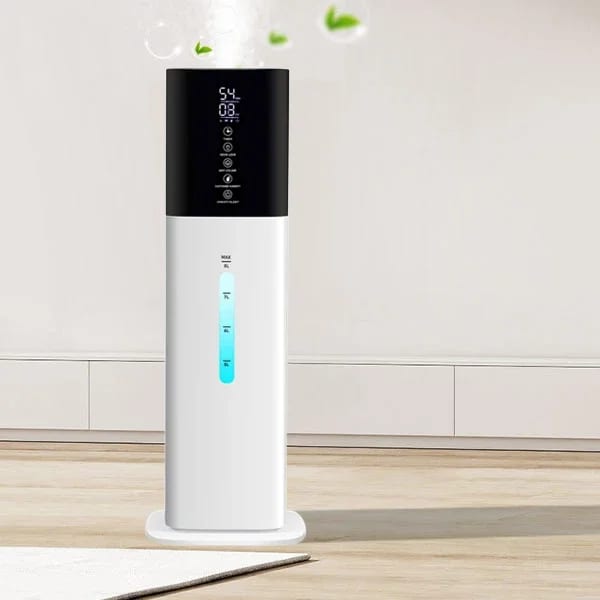
An ultrasonic humidifier, regardless of the mist type, operates on a single basic principle. Inside the device, there is a piezoelectric element (membrane) that vibrates at an ultrasonic frequency under the influence of an electric current. These vibrations break the water in the tank into the smallest particles, creating a cloud of cool water dust — an aerosol.
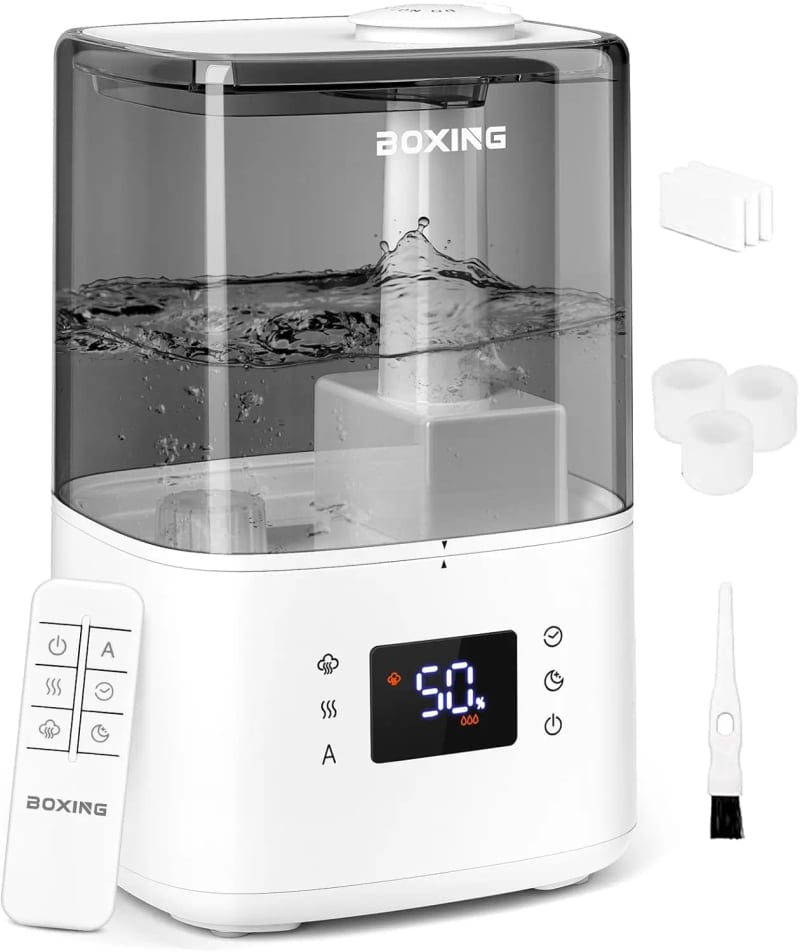
It is at this stage that the divergence between models begins. In cool mist devices, this cool dust is directly expelled into the room by a fan. In humidifiers with a warm mist function, the created aerosol first passes through a special chamber where it is heated to a temperature of 40-60°C, and only then enters the room as warm steam. This seemingly small design difference significantly changes the operational characteristics of the devices.
Both types are characterized by high efficiency, low noise levels, and cost-effectiveness compared to steam or traditional models. However, their impact on health, safety, and even interior design can differ.
Cool Mist Humidifier: Advantages and Features
The classic ultrasonic cool mist humidifier is the most common and affordable option on the market. Its main advantage is absolute safety from the point of view of burns, as the device does not heat the water. This is an ideal choice for children's rooms, where the presence of young children requires increased caution.
Energy Efficiency and Natural Cooling.
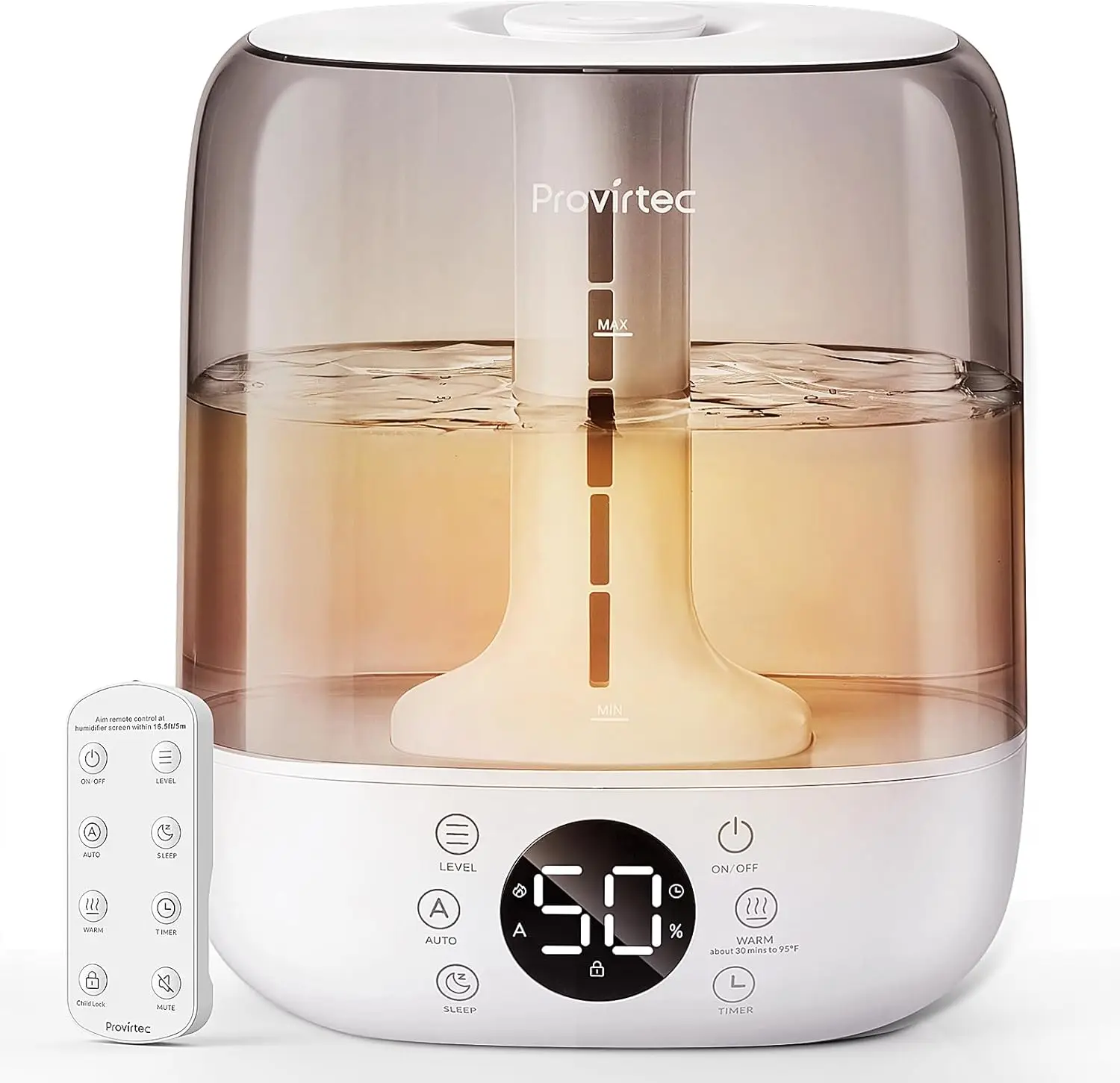
Such models consume a minimum of electricity (often no more than a regular light bulb), since all power goes to the operation of the ultrasonic membrane and a low-speed fan. Additionally, the cool mist provides a slight natural cooling effect on the air, which can be a pleasant bonus during summer heat.
However, there are significant nuances. Cool mist can leave a white residue on furniture and floors, especially if hard tap water is used. This is a deposit of mineral salts (limescale). To avoid this, it is necessary to use distilled or well-filtered water. Also, the flow of cool moisture can feel uncomfortable in close proximity to the device, especially in a cool room.
Warm Mist Humidifier: Advantages and Applications
An ultrasonic humidifier with a water heating function creates a warm, pleasant steam similar to natural steam. The main advantage of this technology is hygiene. When water is heated to a high temperature, most bacteria, viruses, and microorganisms that might be in the tank are killed. This makes the device safer from a microbiological point of view.
Furthermore, warm mist does not leave white residue, as minerals from the water settle inside the device on the heating element. This significantly simplifies furniture care but requires regular cleaning of the humidifier itself from limescale. The heated steam disperses faster in the air, without creating a feeling of damp coolness, which is especially important during the cold season.
The main disadvantages are higher electricity consumption (due to the operation of the heating element) and, in fact, the presence of a hot element and steam. This imposes restrictions on use in rooms with small children or pets, where there is a risk of burns. Such models are usually more expensive due to their more complex design.
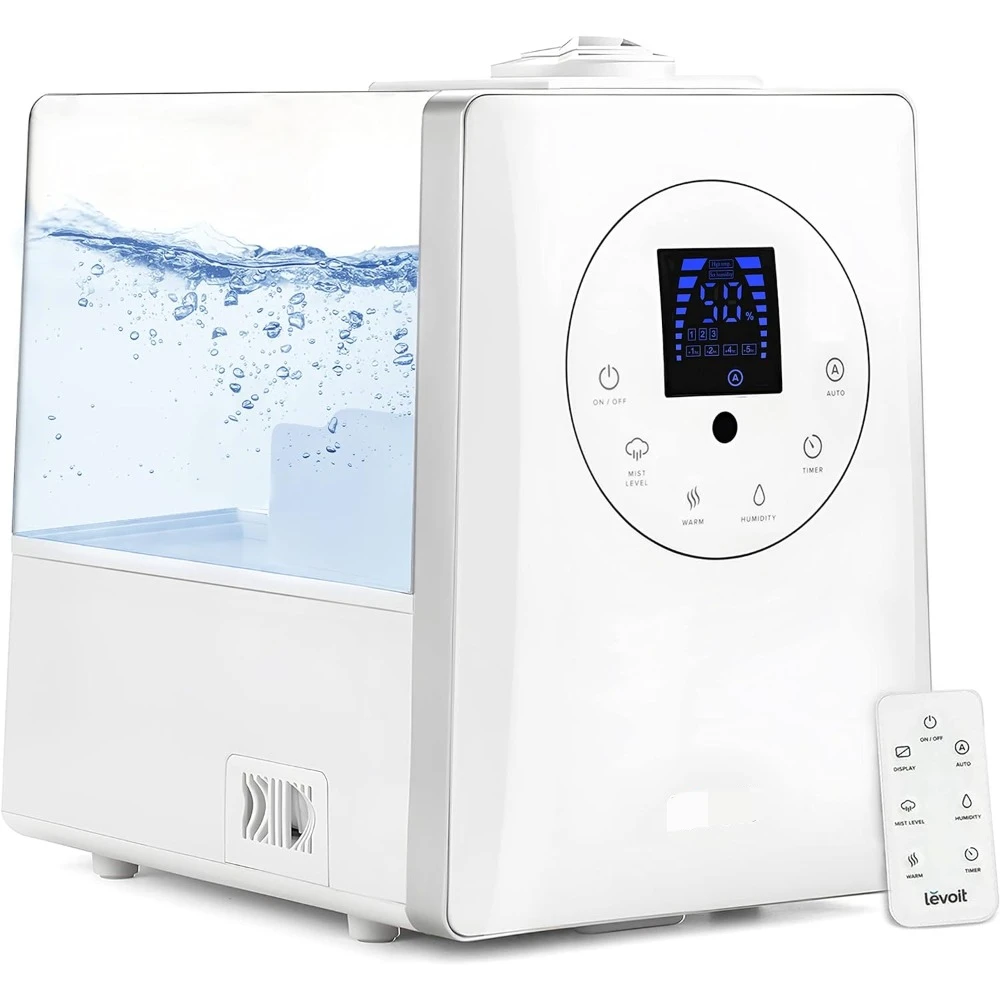
Comparison Table: Warm Mist vs. Cool Mist
For clarity, let's summarize all key characteristics in a table that will help you quickly compare both options.
Operating Principle: Cool Mist: Ultrasonic membrane creates an aerosol, which the fan expels as cool mist. Warm Mist: The aerosol is preheated in a chamber before exiting.
Safety (Burns): Cool Mist: Absolutely safe. Warm Mist: Caution required, there is hot steam and a hot element.
Hygiene: Cool Mist: Requires the use of clean/distilled water. Warm Mist: Heating disinfects the water, more hygienic.
White Residue (from salts): Cool Mist: Possible if hard water is used. Warm Mist: Absent, limescale settles inside the device.
Energy Consumption: Cool Mist: Very low. Warm Mist: Medium or high (depends on heating power).
Impact on Microclimate: Cool Mist: May slightly cool the air. Warm Mist: Creates a more pleasant feeling during cold weather.
Ideal for: Cool Mist: Children's rooms, summer period, rooms where energy saving is important. Warm Mist: Adult bedrooms, treatment rooms, cold season, when using hard water.
Humidifier for Health: Key Selection Criteria
The choice between warm and cool mist is just one component. To make the device a true health assistant, pay attention to additional functions and parameters.
First of all, this is a hygrostat. A device with a built-in humidity sensor can automatically maintain a set level, turning on and off, which prevents over-humidification. The aromatherapy function is very useful: a special cassette allows you to add a few drops of essential oils to the water to create a therapeutic or relaxing effect. However, remember that only models where this is provided by the design are suitable for this.
The tank volume and performance (coverage area) are also important. Choose a model that can effectively humidify the area of your room so that it does not operate at its limit. Ease of maintenance means easy access to all parts for washing and preventing the growth of bacteria and mold inside. Some modern models have a UV lamp for additional water disinfection.
Conclusion:
The choice between an ultrasonic humidifier with warm or cool mist depends on your specific conditions and needs. For children's rooms, constant use in summer, or when striving for maximum energy efficiency and burn safety, you should definitely choose a cool mist model, keeping water quality in mind. If priorities are hygiene, fighting microbes, comfortable humidification during the cold season, and using regular tap water, then a device with a warm mist function will be the better solution. Considering all the nuances, you will be able to purchase a humidifier that is ideally suited for your health and comfort.