Active recreation and extreme sports provide incredible emotions, a sense of freedom, and adrenaline. However, speed and complex tricks always carry the risk of falls and injuries. That is why high-quality protective gear for riding is not just an accessory, but an essential element of equipment for anyone who gets on a skateboard, roller skates, or scooter. Properly selected gear does not restrict movement, yet it protects the most vulnerable parts of the body from impacts and abrasions. According to the recommendation of the ComfortShop editorial team, you should not skimp on safety, because quality protection lasts for years and saves you from serious injuries.
Article Contents
Why protection is the foundation of riding

Many beginners mistakenly believe that protective sports equipment is only needed by professionals performing complex elements. In reality, statistics show that most injuries occur during the learning stage, when the body has not yet learned to group properly during a fall. Losing balance on a flat surface can lead to a serious knee bruise or a wrist fracture.
In addition to physical safety, having a full set of protection has an important psychological effect. When a rider is confident that a fall will not cause pain, they overcome fear faster and master new tricks more quickly. This is especially important for children who are just starting to get acquainted with skateboarding or rollerblading. Comfort and confidence are the keys to rapid progress.
Modern sports protection for extreme activities is made from breathable materials and features an anatomical design. You no longer feel like a stiff robot — knee pads and elbow pads fit securely, do not slip, and do not chafe the skin even during long training sessions.
Helmet for riding: how to choose your main shield
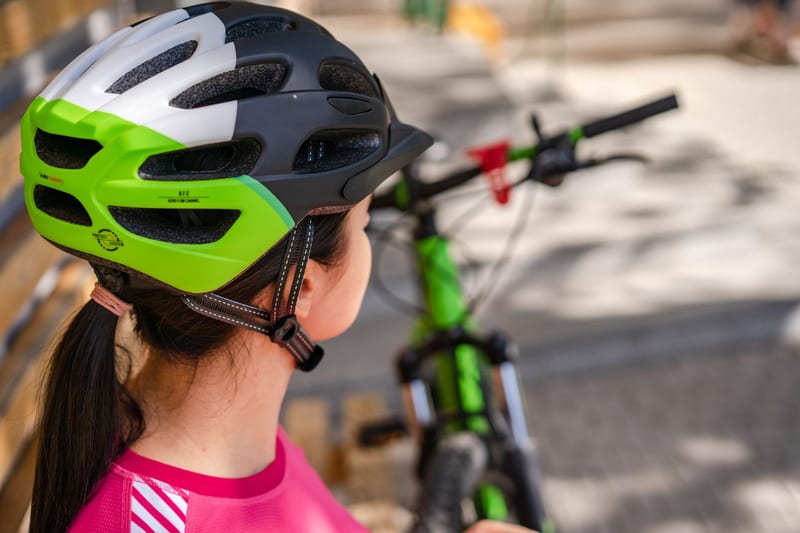
The head is the most vulnerable area, so choosing a riding helmet requires special attention. The main rule: the helmet should fit snugly but not press. Before purchasing, be sure to measure your head circumference and compare it with the manufacturer's size chart. If the helmet is loose, it will not perform its shock-absorbing function upon impact and may even cause additional harm.
Construction and materials matter.
The outer shell is responsible for rigidity and sliding. The In-Mold construction, where the outer plastic and inner foam are fused into one piece, is considered the best option. This makes the helmet lightweight yet extremely durable. The inner layer of EPS foam absorbs impact energy by deforming, so after a hard fall, the helmet must be replaced even if no external damage is visible.
Ventilation and certification deserve special mention. Air channels prevent the head from overheating in hot weather. ComfortShop experts advise paying attention to safety markings (CE EN 1078 or CPSC) — this guarantees that the product has passed laboratory tests and can protect you at a critical moment.

Knee pads and elbow pads: the anatomy of joint protection
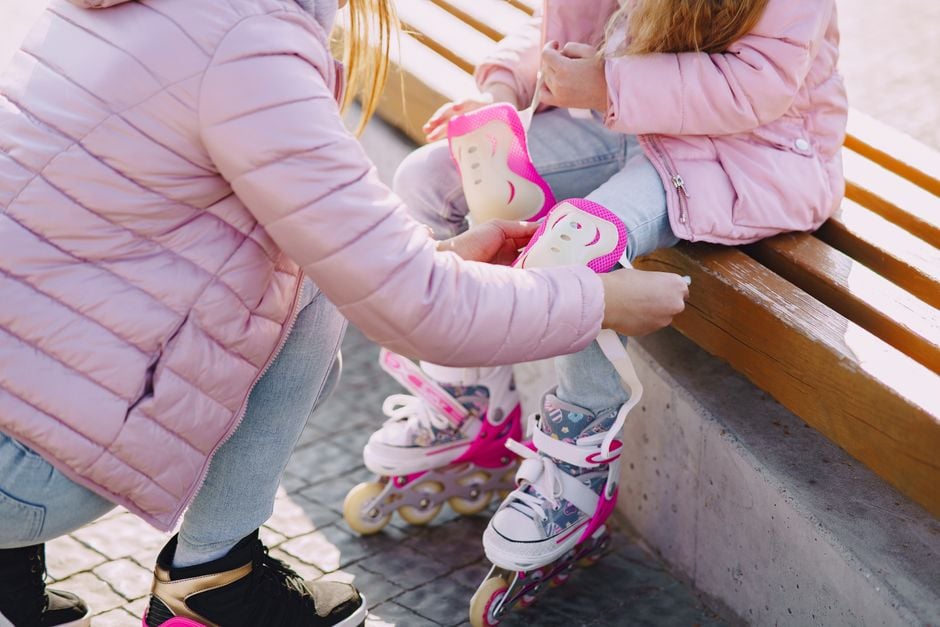
Elbows and knees take the brunt of the impact during a forward fall. A quality set of knee pads and elbow pads consists of three layers: a soft lining, a rigid plastic cup, and a fastening system. The plastic cup absorbs the impact and evenly distributes the load, preventing point damage to the joint.
There are two main types of construction: sleeve-style and strap-style. Sleeve-style models fit tightly around the limb, have no fasteners, and are practically unnoticeable under clothing. They are ideal for fitness skating or casual riding. Strap-style models with Velcro provide more aggressive protection and are often used in aggressive skating, where speeds and risks are significantly higher.
The secret to choosing the right size.
Protection that is too tight constricts the limbs and impairs blood circulation, while protection that is too loose rotates around the joint at the moment of impact. It is better to try on equipment over the thin thermal underwear or socks you plan to wear while riding. As ComfortShop reviewers note, size ranges vary between brands, so rely on the circumference of your knee and elbow in centimeters rather than age labels like "S-M-L".
Additional protection: wrists, shins, and shorts
In addition to the basic set, there is extended equipment for roller skating and skateboarding that protects specific areas. Wrist guards are a must-have for all riders. When falling, a person instinctively extends their arms forward, taking the body's weight on their palms. A rigid plate in the palm area protects against radius bone fractures and allows the hand to slide across the asphalt rather than catching on it.
For those into aggressive skateboarding, shin protection becomes relevant. These are guards that cover the front of the leg from the ankle to the knee. They protect against painful hits from the deck during failed flips. Protective shorts with hip and tailbone inserts are also gaining popularity — they are invisible under regular clothing but absorb falls onto the back excellently.
Manufacturers are constantly improving technologies. Modern gel inserts remain soft at rest but instantly harden upon impact, dissipating kinetic energy. This allows you to buy skate protection that is as thin and discreet as possible while not compromising on safety compared to the bulky analogs of the past decade.

Care and service life of equipment
Even the best protection requires proper care to maintain its properties. After each riding session, equipment pieces should be air-dried naturally, avoiding direct sunlight and heaters. The textile parts of knee pads and elbow pads absorb sweat, so once a week they should be hand-washed in warm water with mild soap.
Regularly inspect the plastic cups for cracks and the Velcro for wear. If the fuzzy side of the Velcro is clogged with dust, it can be cleaned with an old toothbrush to restore grip. Helmets must never be painted with spray paint, stored in a car trunk under scorching sun, or subjected to chemical cleaning — this destroys the foam structure.
The average service life of a helmet is 3-5 years from the date of manufacture, even without accidents. Over time, materials lose elasticity and become brittle. If you ride frequently, it is worth having a spare set of textile protection so one can dry while you use the other. High-quality sports protection for extreme activities can withstand hundreds of falls with proper care.
Conclusion:
Safety at the skate park or bike path depends not on luck, but on your preparation. A set consisting of a sturdy helmet, comfortable knee pads and elbow pads, and wrist protection should become your constant companion at every training session. Do not view protective gear as a burden — modern technologies make it lightweight, breathable, and stylish. Properly selected protection gives you confidence, and a confident rider gets maximum enjoyment from riding without unpleasant health consequences.
Frequently Asked Questions
What protective gear for riding does a beginner need for a skateboard or roller skates?
For a beginner, the mandatory minimum is a riding helmet, knee pads and elbow pads, as well as wrist protection.
How to properly choose the size of knee pads and elbow pads?
Measure the circumference of your leg above the knee and the circumference of your arm above the elbow, then compare these numbers with the size chart of the specific manufacturer.
How does sports protection for extreme activities differ from regular fitness equipment?
Extreme protection has rigid inserts made of impact-resistant plastic and denser cushioning, while fitness models are often only soft and lightweight.
Where can I buy skate protection that is both high-quality and affordable?
Look in specialized sporting goods stores or on marketplaces, paying attention to brands with CE or ASTM safety certifications.