Мова:

Mold remedies for the bathroom: what actually helps

ComfortShop Editorial
Mold remedies for the bathroom: what actually helps

Mold in the bathroom is not just an aesthetic problem, but also a serious threat to the health of the home's residents. Black spots on tile grout, in ceiling corners, or on silicone sealant appear due to constant humidity, poor ventilation, and temperature fluctuations. Many people try to fight mold with handy home remedies, but these often only provide temporary results. According to the recommendation of the ComfortShop editorial team, the best approach is a combination of properly selected chemicals and preventive measures. Let's figure out which products actually work and how to choose an effective mold remover.

📋 Table of Contents

  1. Why Mold Appears in the Bathroom: Main Causes
  2. How to Get Rid of Mold in the Bathroom: Step-by-Step Algorithm
  3. Overview of Mold Removers: Types and Their Features
  4. How to Choose an Effective Mold Remover: Criteria
  5. Anti-Mold for the Bathroom: Home Remedies vs Professional Chemicals
  6. Preventing Mold: What to Do After Treatment
  7. Conclusion:

Why Mold Appears in the Bathroom: Main Causes

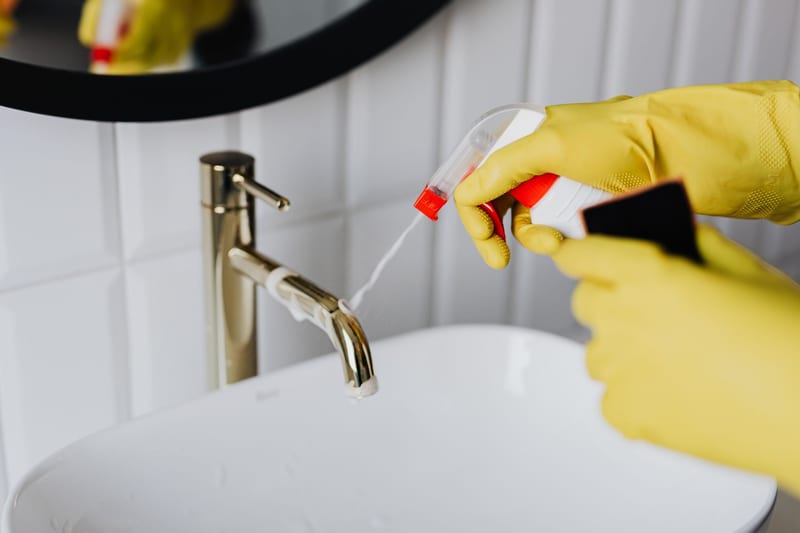
mold spray bathroom — ілюстрація до статті

Before buying an anti-mold product for the bathroom, it's worth understanding why fungus occurs in the first place. The main catalyst is high humidity — over 70–80% — that persists in the room for a long time. Poor exhaust, lack of a window, frequent towel drying, and leaving the door open after a shower create an ideal environment for spores.

The second reason is the presence of micro-cracks in tile grout or damaged sealant. Water gets into these gaps, doesn't dry out completely, and over time, mold begins to develop there. ComfortShop experts advise first eliminating the source of moisture — repairing plumbing or renewing the grout — before using any chemical product.

It's also worth remembering that mold spores can enter from outside — through ventilation or on clothing. Therefore, even in a perfectly clean bathroom, regular preventive treatment should be carried out to not give the fungus any chance.

How to Get Rid of Mold in the Bathroom: Step-by-Step Algorithm

Simply applying a product to the stain and rinsing it off is not enough if you want to get rid of the problem for a long time. The process must be systematic. First, you need to mechanically remove the visible growth: use a stiff brush or spatula to scrape off the top layer of fungus. After that, be sure to dry the surface with a hairdryer or leave the room ventilated for a few hours.

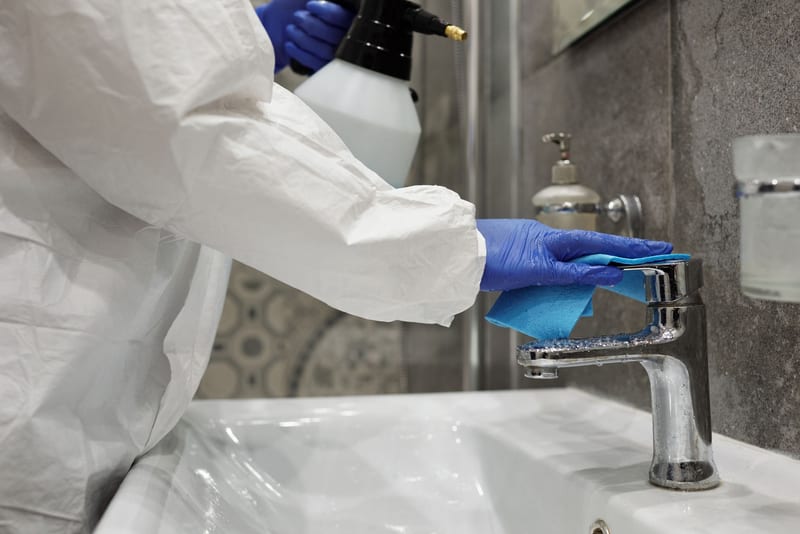
Засоби від цвілі для ванної: що реально допомагає — фото 2

Next, apply the chosen chemical mold remover for the bathroom according to the instructions. It's important to let it sit — usually from 15 to 30 minutes. Do not rinse immediately; allow the active components to penetrate the material's pores. After that, rinse thoroughly with water and dry again.

The final stage is applying a preventive compound that creates a protective barrier. This could be a special spray or a primer with antiseptic properties. If the mold has penetrated deeply, the procedure will need to be repeated after 5–7 days.

Overview of Mold Removers: Types and Their Features

The market offers a wide selection of products for fighting mold. They can be roughly divided into several categories. Chlorine-containing preparations are the most powerful; they instantly kill spores but have a strong odor and can discolor colored surfaces. They are ideal for white tile grout and tiles.

Товар на AliExpress

🔥 Also recommended

View on AliExpress →
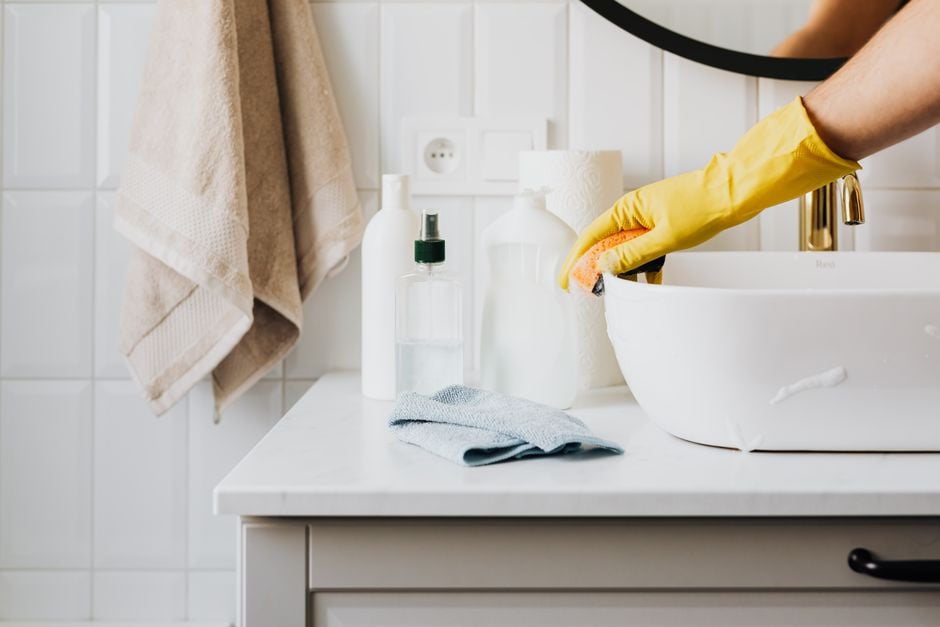
mold spray bathroom — приклад для огляду, фото 3

Acidic products (based on oxalic or citric acid) are effective against deep infestations but require careful use on enameled and chrome surfaces. Alcohol-containing sprays disinfect well and dry quickly but don't always handle old stains. An overview of mold removers shows that the best results come from combined formulas that contain several active ingredients at once.

Separately, it's worth highlighting products in the form of markers or pencils — they are convenient for spot application on grout and sealant. For large areas, it's better to choose sprays or liquids in bottles with a spray nozzle. Don't forget about personal protective equipment: gloves and a mask, as most compounds are aggressive.

How to Choose an Effective Mold Remover: Criteria

To avoid making a mistake in your choice, pay attention to the composition. Effective components include sodium hypochlorite, hydrogen peroxide, benzalkonium chloride, and isopropyl alcohol. The more active ingredients in the formula, the higher the likelihood that the product will handle different types of fungus.

The second important criterion is the type of surface. Almost all compounds are suitable for tiles and porcelain stoneware, but for acrylic bathtubs, plastic panels, or painted walls, more delicate options without chlorine are needed. The packaging always has a note about compatibility with the material.

The form of release is no less significant. For hard-to-reach places (corners, joints), gels or sprays with a thin nozzle are convenient. If you plan to treat large areas, it's better to take a concentrate that is diluted with water. As ComfortShop reviewers note, saving on quality is inappropriate here — cheap products often only mask the smell rather than destroy the spores.

Anti-Mold for the Bathroom: Home Remedies vs Professional Chemicals

Among popular "grandmother's" recipes, vinegar, baking soda, and hydrogen peroxide are the leaders. They can indeed help in the initial stages when the spots are still small and fresh. For example, 9% vinegar in its pure form destroys up to 80% of mold types, but it does not penetrate deeply into porous materials. Baking soda acts as a mild abrasive but does not kill spores completely.

Professional anti-mold for the bathroom, on the other hand, contains fungicides that not only disinfect the surface but also create a long-lasting protective layer. They penetrate micro-cracks and prevent the regrowth of fungus for several months. The price difference is justified: home remedies would need to be applied weekly, while quality chemicals work after one or two applications.

However, in some cases, combining methods yields the best result. For example, first treat the stain with a baking soda paste for mechanical removal, then apply a professional spray for deep disinfection. This approach minimizes chemical consumption and increases effectiveness.

Товар на AliExpress

📦 Another option

View on AliExpress →

Preventing Mold: What to Do After Treatment

Even the best mold remover for the bathroom will not provide a guarantee if you don't change your habits. The first rule is to ensure air circulation. After water procedures, always leave the door open or turn on the exhaust fan for 20–30 minutes. If the ventilation is weak, install a forced fan with a humidity sensor.

Second, regularly inspect the sealant around the bathtub and sink. Even a small crack can become a "gateway" for moisture. Once every six months, renew the silicone joints using sanitary sealant with antifungal additives. It's also worth getting a rubber squeegee for glass and walls — removing water droplets after a shower significantly reduces humidity.

And lastly, do not store wet items in the bathroom. Dry towels and robes in another room or use an electric towel warmer. Remember that mold spores are activated at temperatures of +20–30°C and humidity above 70%, so monitor the microclimate using a hygrometer.

Conclusion:

Getting rid of mold in the bathroom is realistic if you approach the issue comprehensively. Choose professional products with fungicides, follow the instructions, and don't forget about prevention. The best strategy is a combination of quality chemicals, proper ventilation, and regular surface care. According to the recommendation of the ComfortShop editorial team, it's worth investing in proven formulations from well-known brands that guarantee results and safety for health. Your bathroom can be clean and safe — you just need to take the first step.

Frequently Asked Questions

What is the most effective mold remover for the bathroom?

Chlorine-containing products (e.g., "Belizna") or professional sprays labeled "anti-mold" work best, as they destroy fungus at a deep level, not just wash away the surface growth.

Can you get rid of mold in the bathroom without chemicals?

Yes, for small areas, vinegar or hydrogen peroxide helps, but they are less effective against deep infestations, so for a lasting result, it's better to use specialized mold-fighting products.

How to properly apply anti-mold for the bathroom?

Apply the product to a dry surface, leave it for 10-15 minutes (according to the instructions), then rinse with water and ventilate the room — this ensures maximum destruction of fungus spores.

Do home remedies like baking soda or copper sulfate help fight mold?

Baking soda acts as a preventive measure, while copper sulfate is a strong but toxic agent that requires careful use; for a safe and effective result, it's better to choose a ready-made overview of mold removers with proven formulations.

Some links may be affiliate links. We may earn a commission at no additional cost to you.

Related articles

Related Collections

Gift Ideas