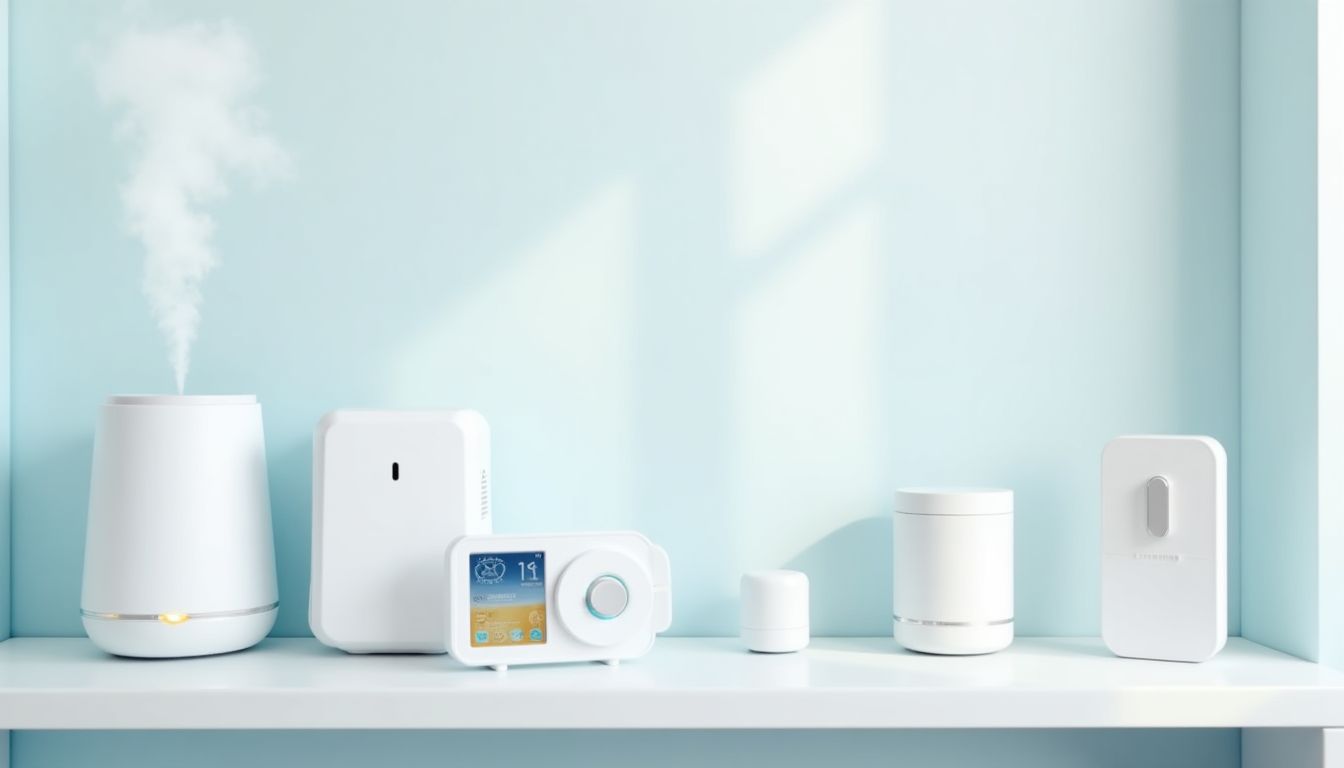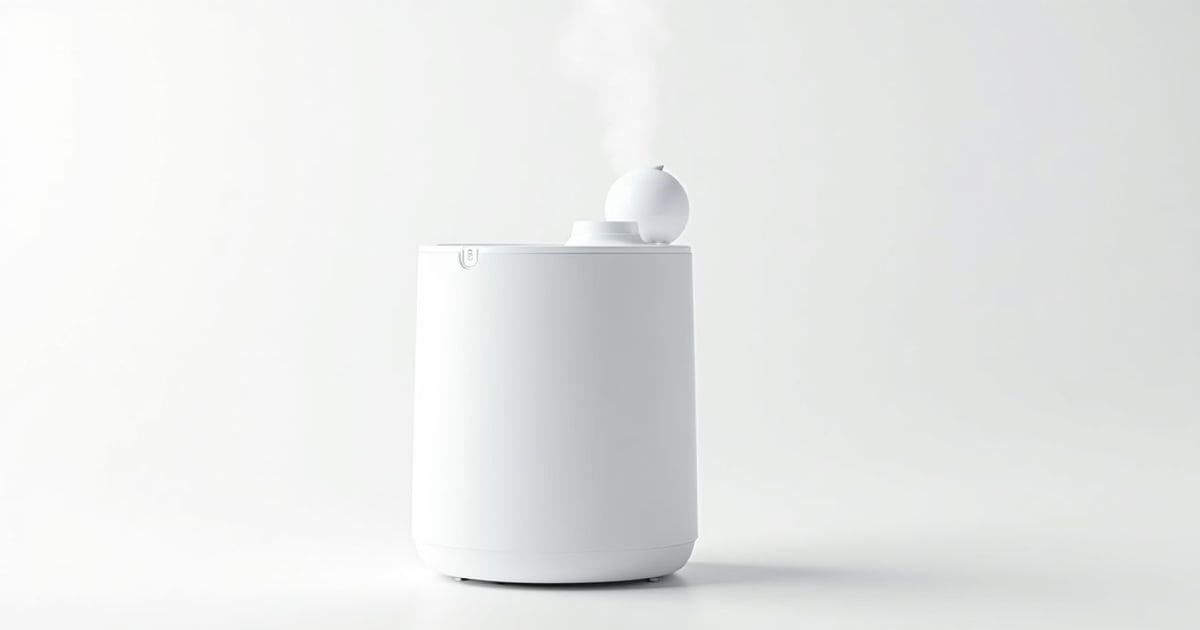
A modern office is a place where we spend a third of our lives, and the air quality there directly affects productivity and well-being. Air conditioners and central heating dry out the air, leading to dry eyes, headaches, and reduced concentration. That is why a humidifier for the office is no longer a luxury but a necessity for taking care of the team. According to the recommendation of the ComfortShop editorial team, a properly selected device can create a comfortable microclimate even in the largest open-plan space.
? Table of Contents
Why Office Air Needs Humidification

The problem of dry air in offices is especially acute in winter when radiators are working, and in summer when air conditioners are running at full power. The humidity level in such rooms often drops below 20-30%, while the comfortable norm is 40-60%. This provokes rapid drying of mucous membranes, making the body more vulnerable to viruses and infections.
Besides health, office equipment also suffers. Static electricity, caused by dry air, leads to printer malfunctions and dust accumulation on monitors. An office air humidifier solves all these problems comprehensively, maintaining an optimal humidity balance throughout the entire workday.
Types of Humidifiers: Which One Suits the Workplace
To make the right choice of a humidifier for work, it is worth understanding the main types of devices. Each has its own features that are important specifically in an office environment. The most common options are ultrasonic, steam, and traditional (evaporative).

Ultrasonic models operate almost silently and consume little electricity, which is a big plus for an open space. They can quickly raise the humidity level but require the use of purified water, otherwise, white dust will appear on furniture. Steam devices, on the contrary, are not afraid of scale and can work with ordinary tap water, however, they heat the air and consume more energy.
Traditional Evaporators: A Safe Choice for Large Rooms.
Traditional humidifiers use natural evaporation, so they do not over-humidify the air and do not leave white dust. They are ideal for offices where safety and the absence of chemical emissions are important. However, their performance is lower than that of ultrasonic counterparts, so a powerful model will be needed for a large room.
Key Parameters for Choosing an Office Humidifier
When you are looking for the best humidifier for the office, pay attention to the room area. A standard model for 30-40 square meters will not cope with an open-plan space of 100 m². Manufacturers always indicate the recommended area in the specifications, and it is better to choose a device with a power reserve.

Performance is measured in milliliters per hour (ml/h). For a small office for 3-4 people, 200-300 ml/h is sufficient, while for a large office, 500-800 ml/h will be needed. The noise level is no less important: in an office, devices work constantly, so an indicator up to 30 dB is considered comfortable for distraction-free work.
Additional Features for Comfortable Work
Modern models are equipped with hygrostats that automatically maintain a set humidity level. This is very convenient, as you will not have to constantly adjust the power manually. Also useful are an auto-off timer and dry-run protection, which prevents breakdowns when the water runs out.
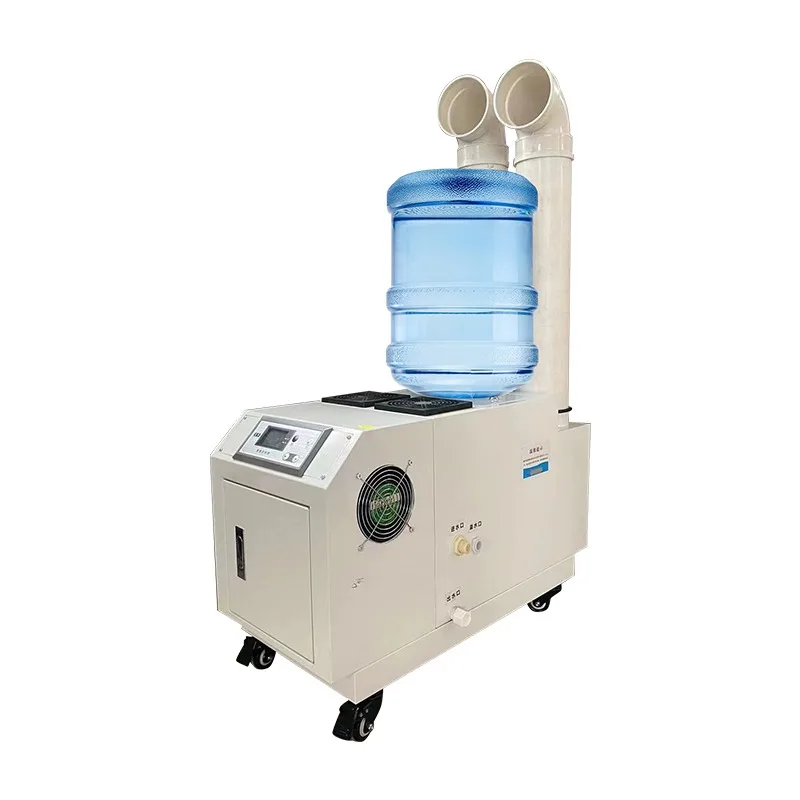
ComfortShop specialists advise paying attention to models with the ability to connect to a centralized water supply. For large offices, this significantly simplifies maintenance, as there is no need to add water manually every day. Some premium devices have an ultraviolet sterilization system that destroys bacteria in the water.
Performance and Area: How to Avoid Mistakes
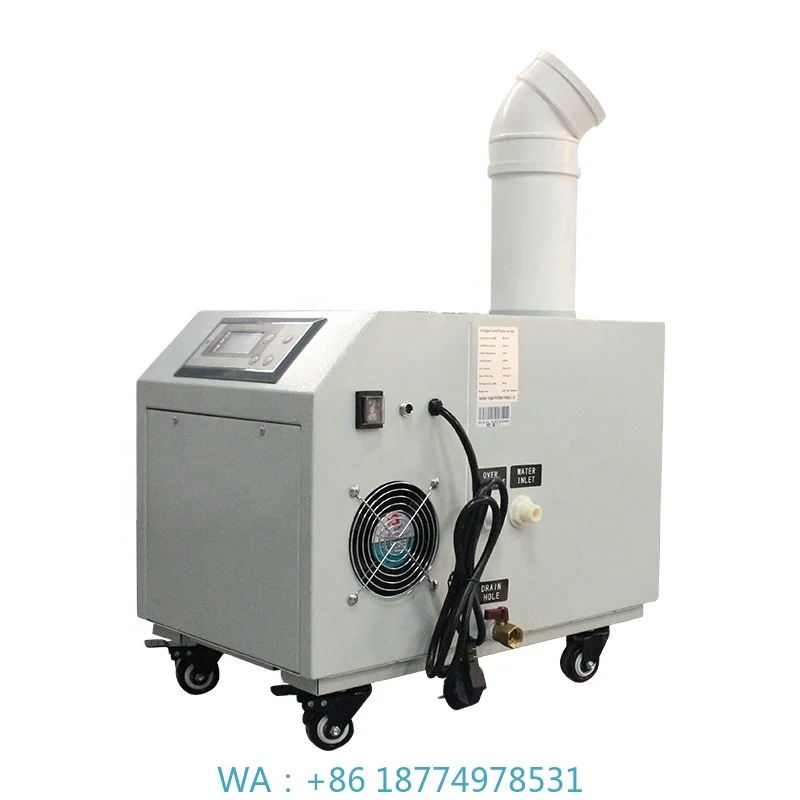
Choosing a humidifier for a large room is a separate task. For an office with an area of 50-70 m², a model with a performance of at least 400-500 ml/h is needed. If the room is larger than 100 m², it is worth considering installing two devices or purchasing an industrial air humidifier for the office.
One of the reliable options for large spaces is the Klimat Tehnika air humidifier. These devices are known for their high performance and ability to work continuously for a long time. They are equipped with powerful fans and large water tanks, which minimizes the need for frequent maintenance.
Remember, to achieve the optimal effect, the device must work constantly, not turn on for an hour or two. That is why it is important to choose a model with a sufficient tank capacity so that it lasts the entire work shift without refilling water.
Maintenance and Care of the Device
Any office air humidifier requires regular care. It is advisable to change the water daily and rinse the device from scale once a week. For this, special products or ordinary lemon juice are used. Neglecting hygiene will lead to the growth of bacteria that will enter the air.
Ultrasonic models require the use of distilled or filtered water to avoid white dust. Steam and traditional humidifiers are less demanding, but their filters need to be changed every 2-3 months depending on the intensity of use. As ComfortShop reviewers note, the least demanding models in terms of maintenance are those with replaceable cartridges that soften the water.
How often should you clean a humidifier in the office.
In office conditions, where the device works 8-10 hours daily, cleaning should be done once a week. If you notice an unpleasant smell or deposits inside the tank, immediately stop operation and perform an unscheduled cleaning. Regular care extends the service life of the equipment and guarantees safety for the health of employees.
Rating of the Best Models for Different Offices
For a small office up to 30 m², compact ultrasonic models with a performance of up to 300 ml/h are ideal. They take up little space and operate quietly. For a medium office for 10-15 people, it is worth choosing a device with 400-500 ml/h, a hygrostat, and an automatic humidity maintenance function.
For large open-plan spaces and meeting rooms, the best solution will be powerful evaporative or steam models. They can serve an area of up to 100 m² and are not afraid of hard water. Pay attention to humidifiers with the ability to connect to a "smart home" system — this will allow you to control the microclimate remotely.
Among budget options, models with top water filling have proven themselves well — they are easy to maintain. In the premium segment, devices with ionization and aromatization lead, which additionally clean the air from dust and saturate it with useful microelements.
Conclusion:
A properly selected air humidifier for the office is an investment in the team's health and increased labor productivity. Consider the room area, noise level, and ease of maintenance to choose the ideal model. ComfortShop specialists recommend not skimping on power and choosing devices with automatic humidity control for maximum comfort. Remember, a high-quality microclimate in the office is the key to the well-being and efficient work of your employees.
Frequently Asked Questions
Which air humidifier for the office is better to choose — ultrasonic or evaporative?
For a large office with high traffic, an evaporative humidifier is better, as it is safer and does not leave white dust on furniture, while for small rooms or personal offices, an ultrasonic one, which operates quietly and energy-efficiently, is suitable.
How to choose a humidifier for work in the office so that it does not disturb employees?
Choose a model with a low noise level (up to 25-30 dB) and an automatic shut-off function when water is low, and also pay attention to the Klimat Tehnika air humidifier, which has a "night" mode for silent operation.
Is a humidifier suitable for a large office with an area of 50-100 sq. m?
Yes, but choose a model with a performance of at least 300-500 ml/h and a water tank from 5 liters, for example, an office air humidifier with a hygrostat function that maintains optimal humidity in large rooms.
Which is the best humidifier for an office in terms of maintenance?
The most convenient to care for is a humidifier with replaceable filters and a self-cleaning function, which requires only weekly washing of the tank, saving employees' time.