The modern pace of life often leaves us little time for proper rest, and sleep quality directly affects productivity and well-being. That is why more and more people are paying attention to gadgets capable of analyzing nightly recovery. A fitness tracker with sleep monitoring has become not just a fashionable accessory, but a useful tool for health care. It helps you understand how long the deep and light sleep phases last, when you wake up, and how effectively your body rests. As reviewers from ComfortShop note, choosing such a device requires attention to detail, because different models offer different sets of features and measurement accuracy. Let's figure out how to choose the best fitness tracker for sleep so that it becomes your reliable assistant.
? Article Contents
Why sleep monitoring in a tracker is important
Many people perceive sleep as simply turning off consciousness, but in reality it is a complex physiological process. High-quality analysis of nightly cycles helps identify problems you might not even suspect. A fitness tracker with sleep monitoring records body movements, heart rate, and heart rate variability to determine the phases of your rest. This data allows you to adjust your daily routine, reduce stress levels, and improve overall well-being.
Regular sleep tracking allows you to see the dynamics: whether your rest becomes deeper after physical activity, or conversely, whether you wake up more often. Additionally, many modern models offer a "smart alarm" that wakes you up during the lightest phase, making the morning much more pleasant. Thus, a smart bracelet with sleep monitoring turns into a personal sleep hygiene consultant.
How sleep tracking technology works
Most modern fitness trackers use the method of accelerometry combined with an optical heart rate sensor. The accelerometer records your movements in bed, while the heart rate monitor analyzes changes in heart rhythm. The device's algorithms process this data, determining when you fall asleep, transition into deep sleep, or wake up. That is why, when you are looking for how to choose a fitness tracker for sleep, pay attention to the sensitivity of the sensors and the quality of the software.
Some models also take into account blood oxygen levels (SpO2), adding another dimension to the analysis. For example, a drop in saturation may indicate apnea or other breathing disorders during sleep. It is worth noting that no consumer gadget can replace a medical examination, but for general monitoring and identifying trends, it is very effective.
Key criteria for choosing a device
To choose a truly useful gadget, you should pay attention to several important parameters. First, battery life: the tracker should work for several days without recharging, as charging it every evening is inconvenient. Second, wearing comfort: the bracelet should not press or interfere during sleep. Third, the availability of detailed statistics in the mobile app.
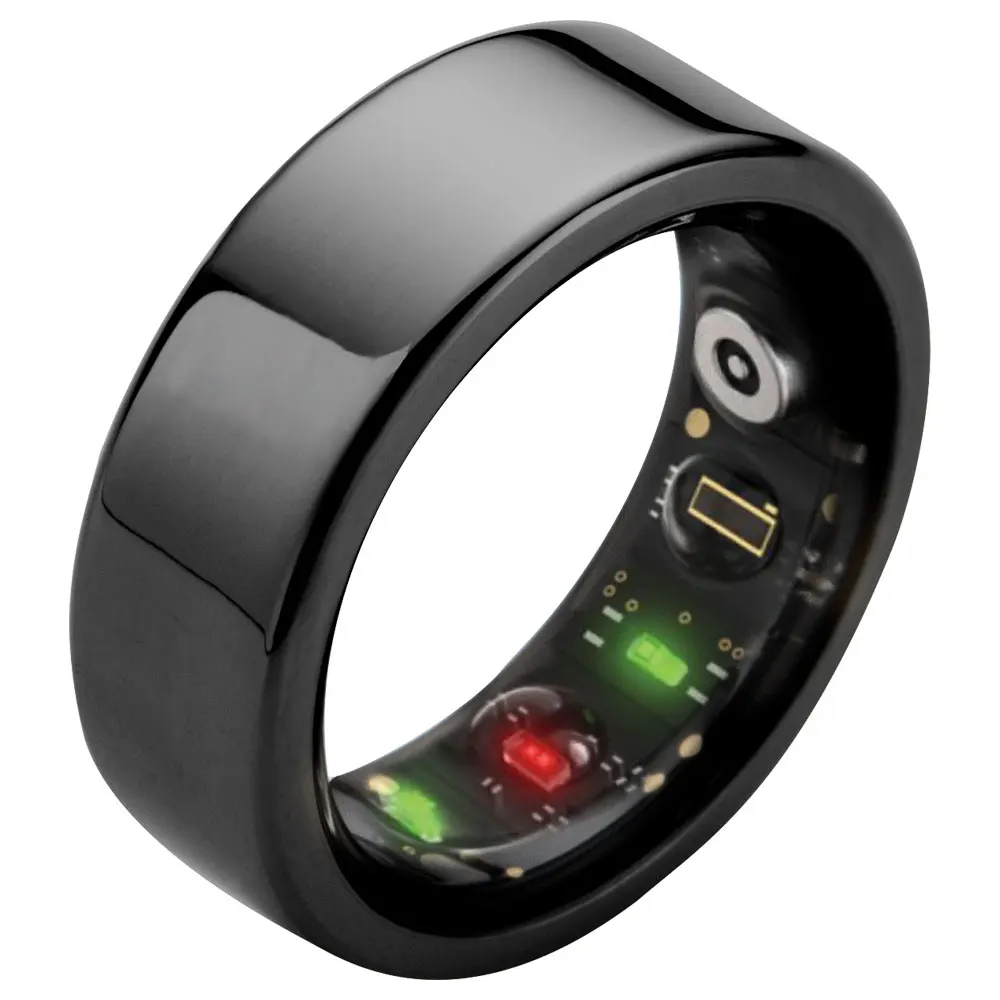
Experts at ComfortShop advise paying attention to the following characteristics:
- Type of sensors: availability of an accelerometer, optical heart rate monitor, and optionally a pulse oximeter.
- Analysis algorithms: whether the tracker can distinguish sleep phases (light, deep, REM) and how accurately it does so.
- Smartphone compatibility: support for iOS and Android, ease of synchronization.
- Additional features: smart alarm, stress level measurement, step and calorie counting.
When choosing a device, you should not chase the cheapest models, as their measurement accuracy often suffers. It is better to invest in a proven brand that offers quality sensors and regular software updates.
Top fitness trackers for sleep: what to look for
The market offers many options, so a sleep tracker rating can confuse a beginner. Conventionally, all devices can be divided into basic bracelets and more advanced models with expanded functionality. Among the most popular options, models with GPS support and a large screen stand out, but for sleep monitoring this is not critical.
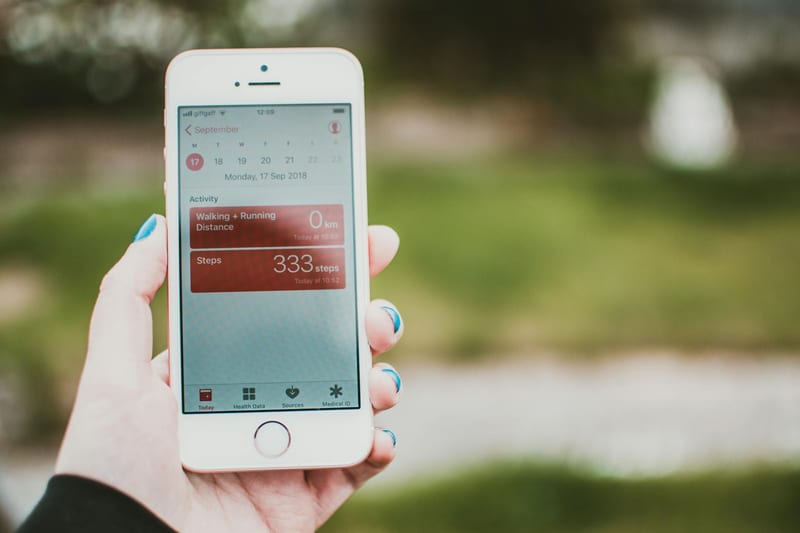
For those looking for a balance between price and quality, devices with proven sleep algorithms are ideal. They provide sufficient accuracy for daily use and have a convenient app. It is important that the bracelet has an automatic sleep detection function, as turning on the mode manually every time is inconvenient.
Tips for effective use
Even the best fitness tracker for sleep will not provide useful information if worn incorrectly. The bracelet should fit snugly on your arm but not squeeze it, and the sensor should be located on the inside of the wrist. Additionally, it is important to set up your user profile in the app: enter your age, weight, and height for more accurate calculations.
Here are a few simple recommendations for improving sleep quality based on tracker data:
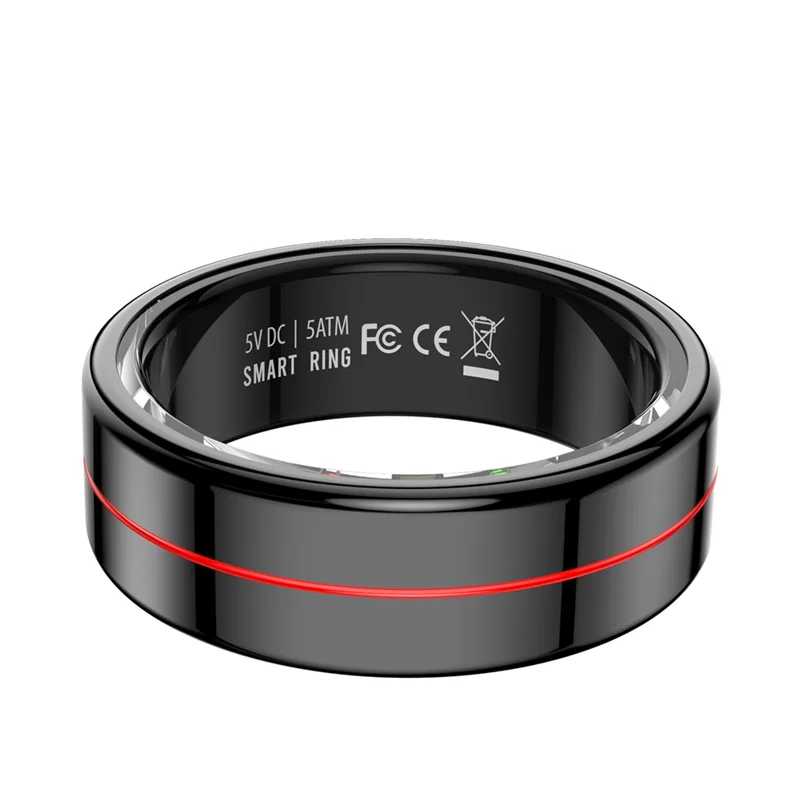
- Try to go to bed at the same time, even on weekends.
- Avoid bright light and gadgets an hour before bed.
- Analyze how physical activity affects the depth of your sleep.
- Use a "smart alarm" to wake up feeling refreshed.
Regularly reviewing statistics will help identify patterns that previously went unnoticed. For example, you might notice that after evening coffee, sleep becomes more superficial, or that a morning jog improves the quality of your nightly rest.
Conclusion:
Choosing a fitness tracker with sleep monitoring is an investment in your health and well-being. The main thing is not to chase the number of features, but to focus on the quality of the sensors and ease of use. According to the recommendation of the ComfortShop editorial team, the best solution would be to choose a model with automatic sleep tracking, a smart alarm, and the ability to analyze rest phases. Such a device will become your reliable assistant on the path to a healthy lifestyle.
Frequently Asked Questions
How does sleep monitoring accuracy depend on the price of a fitness tracker?
More expensive models usually have more sensors (pulse oximeter, accelerometer) and artificial intelligence algorithms that provide more accurate determination of sleep phases, but even budget trackers can provide a useful overall picture of sleep duration.
Can a fitness tracker for sleep be used without connecting to a smartphone?
Most trackers store sleep data in internal memory until synchronization, but for detailed analysis and viewing graphs, a smartphone with a proprietary app is required.
What is the best fitness tracker for sleep for people with sensitive skin?
We recommend choosing models with a hypoallergenic silicone strap and a lightweight case, for example, the Fitbit Inspire or Xiaomi Mi Band series, which minimize irritation during nighttime wear.
Does a fitness tracker with sleep monitoring help improve rest quality?
Yes, the tracker provides objective data on the duration of deep and light sleep, which allows you to identify problems (e.g., frequent awakenings) and adjust your daily routine for better recovery.