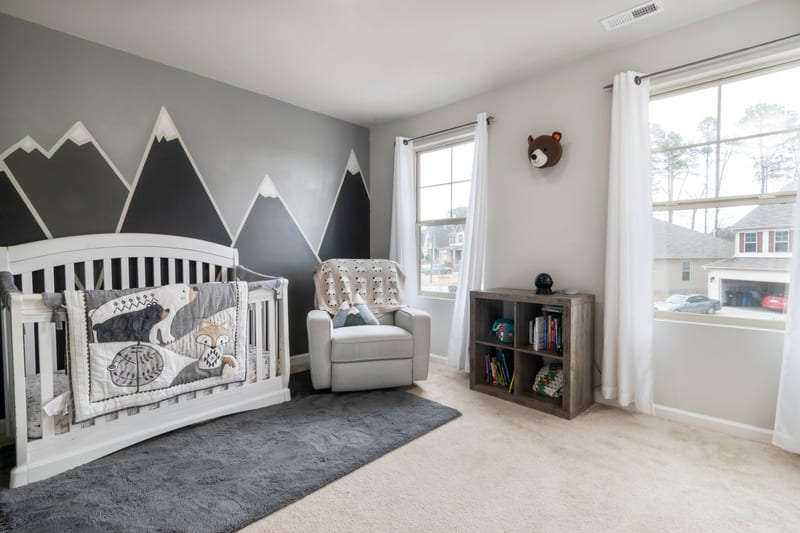
A children's room is a space where a child spends most of their time: sleeping, playing, doing homework. The air quality in this room directly affects their immunity, sleep, and even learning ability. Dust, pet dander, pollen, and exhaust fumes from the street all settle in the room and can cause allergies or frequent colds. That's why the question of how to properly choose an air purifier for a children's room becomes one of the most important for caring parents. According to the recommendation of the ComfortShop editorial team, choosing such a device should be approached with special attention to safety, noise level, and the type of filtration.
? Table of Contents
- Why the air in a children's room needs additional purification
- Key selection criteria for child safety
- Types of purifiers: mechanical, carbon, and photocatalytic
- Additional features: humidification, ionization, and UV lamps
- Performance and room area
- How to avoid mistakes when choosing: practical tips
- Conclusion:
Why the air in a children's room needs additional purification
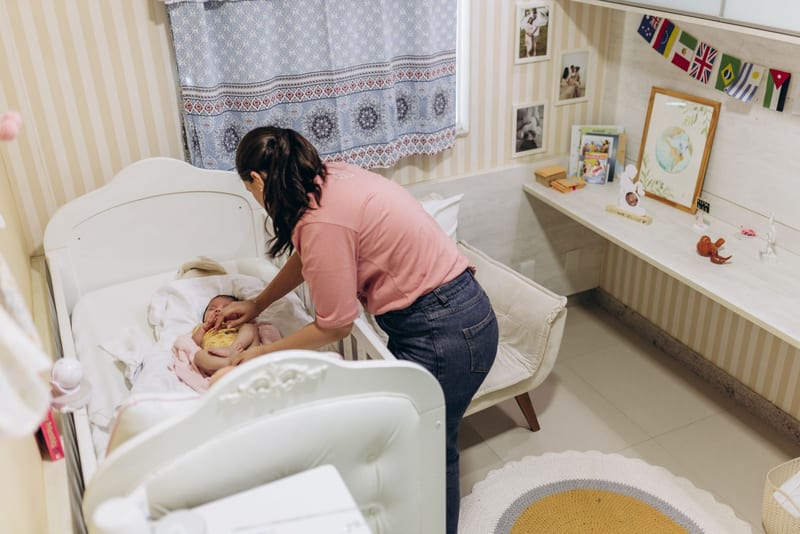
A child's body is much more sensitive to pollutants than an adult's. A child's respiratory system is still developing, and mucous membranes are more vulnerable to irritants. Even a small concentration of dust or chemical compounds can trigger coughing, a runny nose, or an allergic reaction.
In modern city apartments, even with regular cleaning, microscopic particles invisible to the eye remain in the air. These can include mold spores from the bathroom, tiny textile fibers, and combustion products entering through windows. If a child has already been diagnosed with an allergy, having an effective filter becomes not just a desire, but a necessity. That's why the best air purifier for a children's room should have a high filtration class and be able to handle the smallest pollutants.
Key selection criteria for child safety
The first thing to pay attention to is the type of filter. The most effective are HEPA filters (class H13 or H14), which trap up to 99.97% of particles as small as 0.3 microns. Such filters can handle pollen, bacteria, and fine dust, making them an ideal solution when you need an air purifier for children with allergies.
The second important aspect is the safety of the design. The device should not have sharp corners or small parts that a child could unscrew or swallow. It is desirable for the casing to be stable and for the ventilation openings to be protected from fingers getting inside.
Noise level is equally significant. For nighttime use, choose models with a rating no higher than 25-30 dB — this is roughly the level of a whisper. Many modern devices have a night mode that automatically reduces the fan speed and turns off the backlight so as not to disturb the child's sleep.
Types of purifiers: mechanical, carbon, and photocatalytic
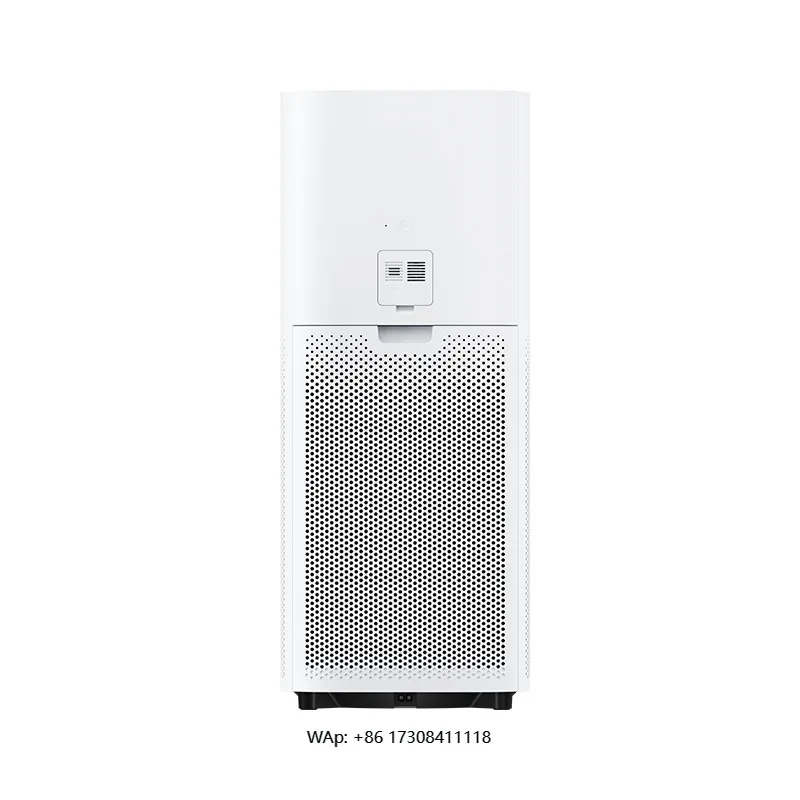
Several purification technologies are available on the market, each with its own features. The most common are mechanical purifiers with a pre-filter and HEPA. They handle solid particles well but do not remove odors or chemical compounds.
Carbon filters absorb volatile organic compounds, formaldehyde, and unpleasant odors. This is especially relevant if the children's room is located near the kitchen or if the windows face a busy road. However, it's worth remembering that a carbon filter has a limited lifespan and requires regular replacement.
Photocatalytic purifiers use ultraviolet radiation and a catalyst to break down harmful substances. They are effective against viruses and bacteria but can be more expensive to maintain. ComfortShop experts recommend choosing combined models for a children's room that combine a HEPA filter with a carbon layer — this provides the most comprehensive protection.
Which purifier to choose for a newborn and for a child with allergies.
For infants in their first year of life, the priority is absolute silence during operation and the absence of ozone, which some devices emit during the purification process. It is better not to use ionizers and ozonators in a room where a very young child sleeps — excess ozone can irritate delicate mucous membranes. For older children, especially those diagnosed with allergies, the presence of a high-class HEPA filter that traps pollen and dust mites is critically important.
Additional features: humidification, ionization, and UV lamps
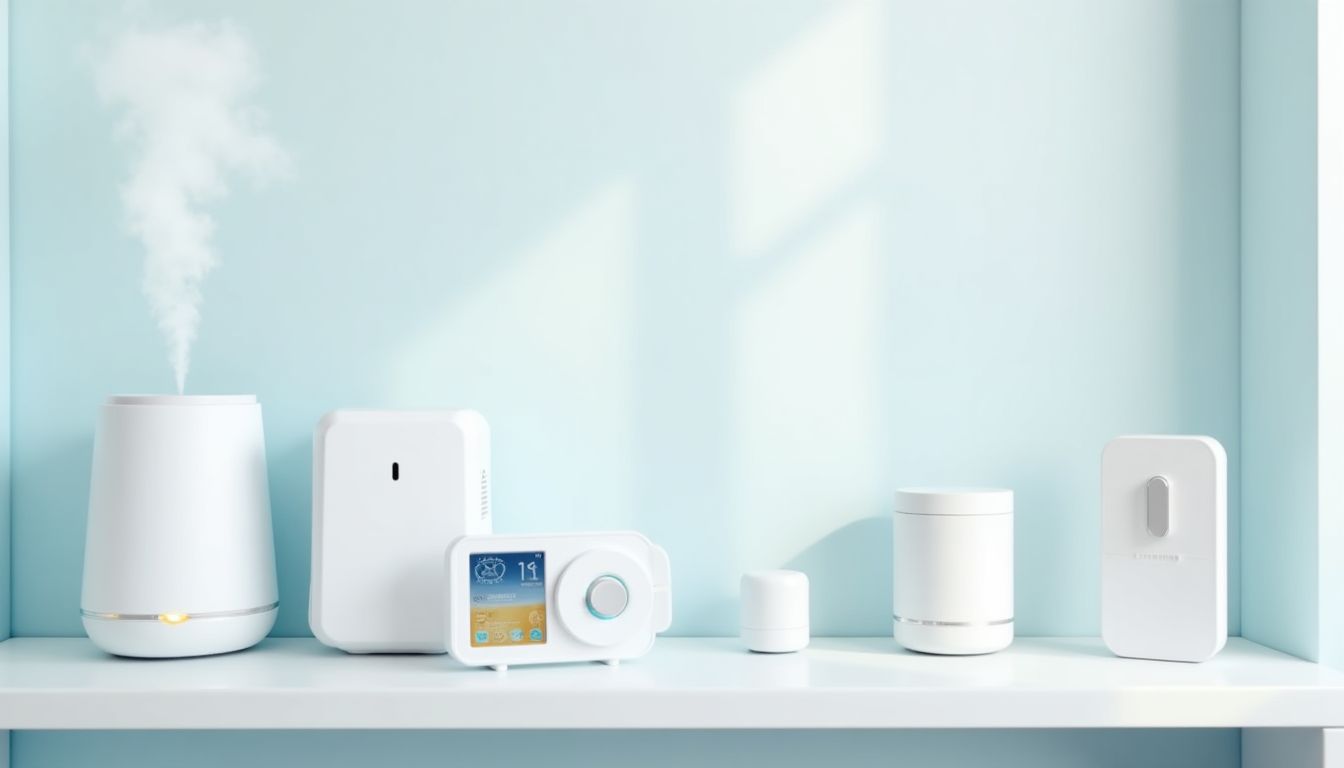
Many modern models are equipped with an air humidification function. This is a big plus for a children's room, as dry air dries out mucous membranes and makes the body more vulnerable to viruses. However, it is important to monitor the cleanliness of the water tank to prevent bacteria from multiplying in it.
The ionization function saturates the air with negatively charged ions, making it fresher. However, in a room with a high concentration of dust, ionization can cause particles to settle on surfaces faster, forming a dark coating on furniture. Therefore, if you decide to choose an air purifier for a child with an ionizer, you should do wet cleaning more often.
Ultraviolet lamps inside the purifier disinfect the air, destroying viruses and bacteria. This is a useful option during the cold season, but it is important that the UV lamp is reliably isolated and the light does not escape outside, as direct ultraviolet light is harmful to the eyes. As ComfortShop reviewers note, it is best to choose models where these functions can be turned on separately as needed.
Performance and room area
The key technical parameter is the clean air delivery rate (CADR). For a children's room with an area of 15-20 square meters, a CADR of 150-200 cubic meters per hour is considered optimal. This allows the device to pass the air through the filters 2-3 times per hour, maintaining consistently high air quality.
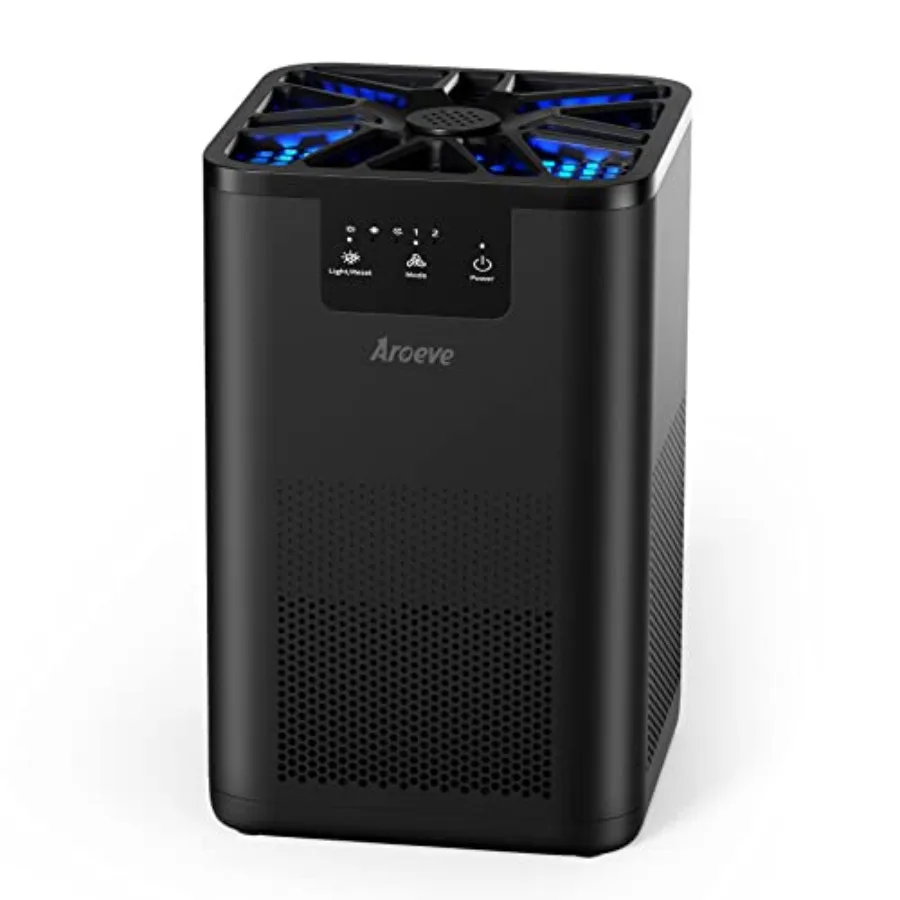
Pay attention to the ratio of performance to noise level. Cheap models often have only one or two speeds, and they operate very loudly at maximum. It is better to choose a device with 3-4 speeds or an automatic mode that adjusts the intensity based on the readings of the pollution sensor. It is also important that the area for which the purifier is designed slightly exceeds the actual area of the room — this will provide a power reserve and more efficient operation.
How to avoid mistakes when choosing: practical tips
Before purchasing, identify the main problem: whether it's fighting allergens, general air purification in a new building, or eliminating odors. For allergy sufferers, a HEPA filter is mandatory; for homes near a road, a carbon filter; for new buildings, photocatalysis or a filter with a formaldehyde module.
Don't forget about the cost of consumables. HEPA filters need replacement every 6-12 months, and carbon filters every 3-6 months. Find out in advance if they are available for purchase and what their price is. Some models have washable filters, which reduces maintenance costs.
Also, pay attention to the presence of an air quality sensor. It automatically starts the device at full power when the pollution level rises, for example, during cooking or airing. This is very convenient, as you won't have to constantly control the device's operation manually. If you are looking for a reliable option, check out the klimat-tehnika air purifier for children — these models often have an optimal set of functions for little users.
Conclusion:
Choosing an air purifier for a children's room is an investment in your child's health and comfort. Give preference to models with a high-class HEPA filter, low noise level, and a safe casing. Be sure to consider the room area and the availability of additional functions, such as humidification or a UV lamp, which can be useful in certain conditions. In summary, ComfortShop experts recommend choosing trusted brands with available consumables so that your device works long and efficiently, providing your child with clean and safe air for sleep and play.
Frequently Asked Questions
What type of filter is best for an air purifier in a children's room?
The best choice is a purifier with a HEPA filter (class H13 or H14), which traps up to 99.95% of fine particles, including pollen, dust, and allergens, which is especially important for a child's health.
Does an air purifier for children with allergies help reduce symptoms?
Yes, a high-quality air purifier with a HEPA filter significantly reduces the concentration of allergens in the air, such as pollen, pet dander, and mold spores, which alleviates allergy and asthma symptoms in children.
What features should I look for to choose a safe air purifier for a child?
Choose a model with a child lock function, no ozone emission (ozone-free plasma or photocatalysis technology), and a quiet operating mode so as not to disturb the child's sleep.
Is it worth buying an air purifier for a children's room if the child does not have allergies?
Yes, even without allergies, an air purifier for a children's room helps reduce the level of dust, bacteria, and viruses, creating a cleaner and healthier environment for the child's development, especially in urban conditions.