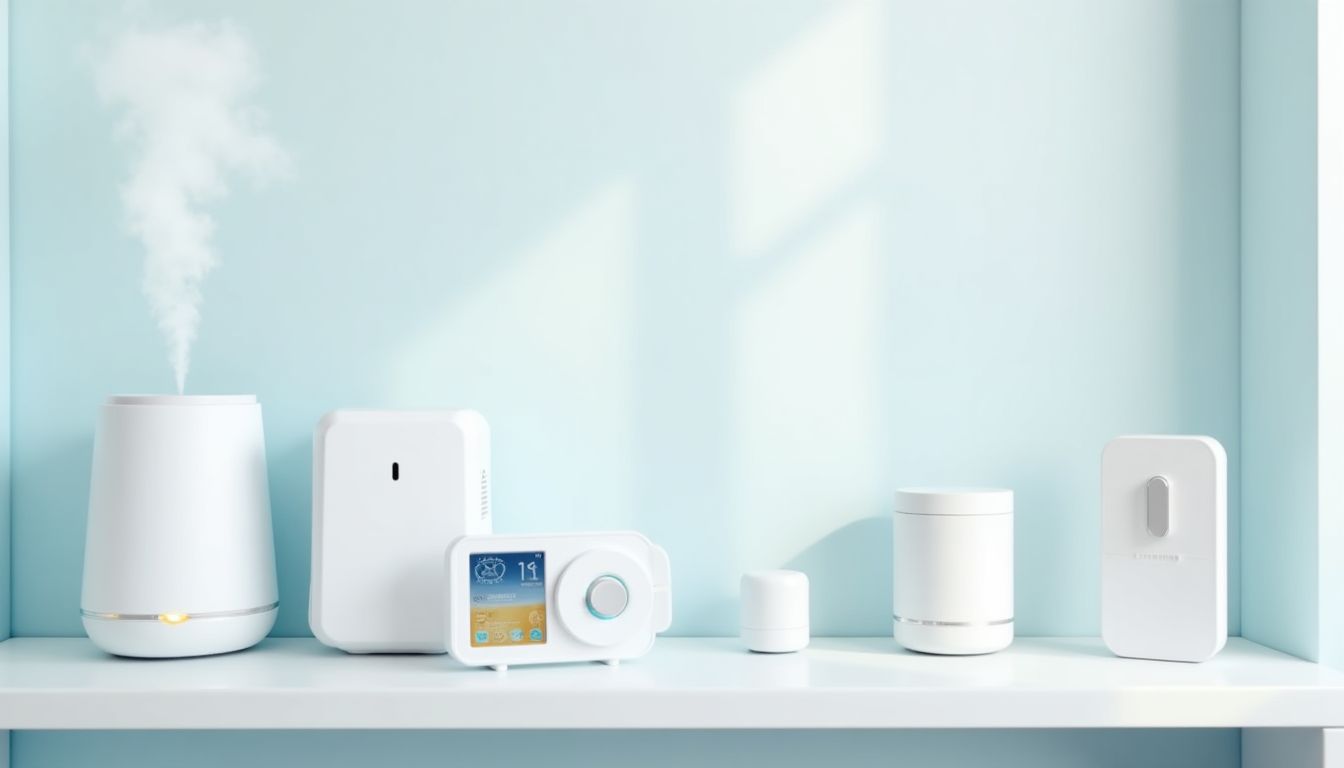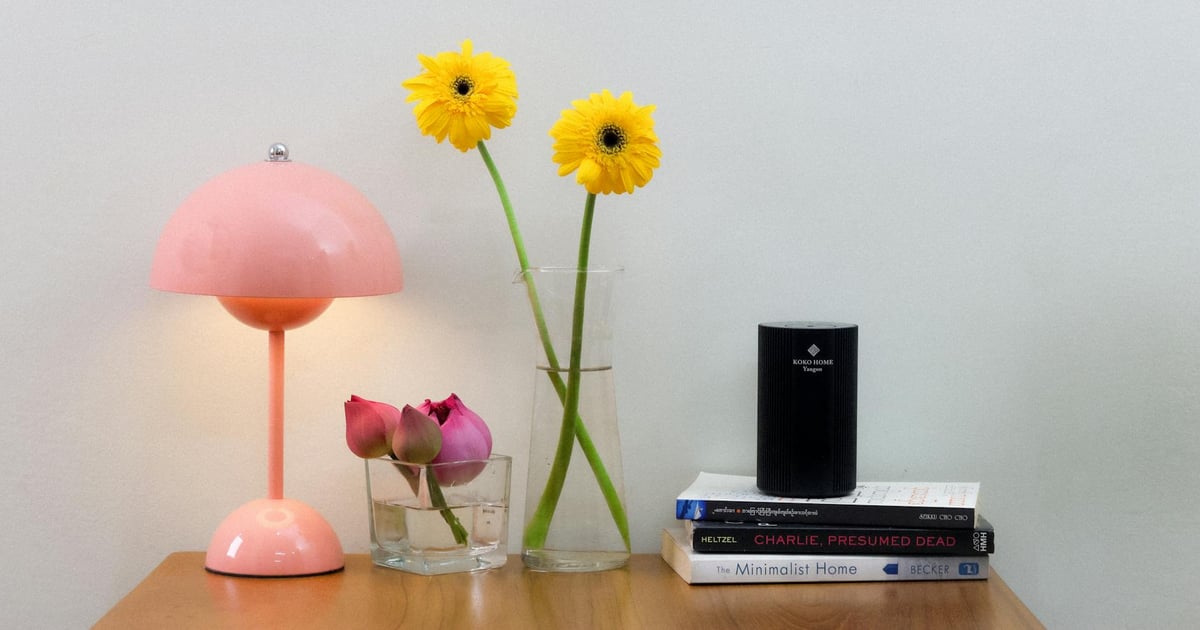
Choosing a humidifier often turns into a real quest due to the huge number of models and technologies. Many people focus only on price or design, forgetting about the key characteristics that affect performance efficiency. According to the recommendation of the ComfortShop editorial team, before buying a device, you should clearly determine the room area and the desired humidity level. These basic parameters will help narrow down your search and focus on equipment that will truly be beneficial for your health and home microclimate.
? Table of Contents
Humidifier Type: Traditional, Steam, or Ultrasonic
The first thing a buyer encounters is choosing the type of device. Each has its own strengths and limitations, so it is important to know how to choose a humidifier for specific needs. Traditional models operate on the principle of natural evaporation: they are safe for children, do not over-humidify the air, but have low performance.
Steam humidifiers heat water to boiling, creating sterile steam. They are ideal for fighting bacteria, but consume a lot of electricity and can raise the room temperature. The most popular option today is ultrasonic models, which operate quietly, economically, and can quickly achieve the desired humidity level.
When choosing between these types, it is worth considering that ultrasonic devices require the use of distilled or well-filtered water, otherwise white dust may appear on furniture. That is why ComfortShop experts advise paying attention to the presence of built-in filters or cartridges for water softening.
Performance and Coverage Area
Humidifier selection criteria must include the ratio of performance (grams of water per hour) to room area. If you plan to use the device in a large living room or studio, look for models with a rating of at least 400-500 ml/h. For a bedroom or children's room up to 20 sq.m., a performance of 200-300 ml/h will be sufficient.
It is important to understand that manufacturers often indicate the maximum area, which is achieved only under ideal conditions. Real efficiency depends on ceiling height, drafts, and initial humidity levels. Therefore, when choosing, it is better to aim for a power reserve of 20-30% of the actual room area.
Also, pay attention to the water tank volume. The larger it is, the less often you will need to refill water. For nighttime use, a 4-6 liter tank is considered optimal, providing continuous operation for 8-12 hours.
Noise Level and Additional Features
Quiet operation of the device is one of the main criteria, especially if you plan to place it in the bedroom or children's room. Most modern ultrasonic models operate at a level of 25-35 dB, which does not disturb sleep. However, at maximum power, noise can increase to 40-45 dB, so it is worth choosing models with intensity adjustment.
A modern humidifier rating is impossible to imagine without mentioning additional features that make use more comfortable. Among the most useful are: a hygrostat for automatically maintaining a set humidity level, a shut-off timer, a night mode with reduced noise and dimming backlight.
Some models have an aromatherapy function, allowing the use of essential oils to create a pleasant atmosphere. However, remember that oils can only be added to specially designated compartments, otherwise you may damage the device's membrane or filter.
Water Quality and Filtration System
Tips for choosing a humidifier rarely go without discussing filters, because the cleanliness of the air you breathe depends on them. The simplest models have replaceable paper or synthetic cartridges that need replacement every 2-3 months. More modern options are equipped with ceramic or silver rods for water disinfection.
Systems with an ultraviolet lamp, which destroy up to 99% of bacteria and viruses in the water, deserve special attention. This is especially relevant for families with small children or people prone to allergies. If you use regular tap water, be sure to pay attention to the presence of a softening cartridge, otherwise white dust on furniture will be an unpleasant surprise.
Some manufacturers offer models with a pre-water purification function, which significantly extends the device's service life and reduces maintenance frequency. On average, the cost of replacement filters is 200-500 hryvnias, which should be considered when planning your budget.
Design and Ease of Maintenance
A home humidifier is not only a functional device but also an interior element. Modern manufacturers offer models of various shapes and colors: from laconic white cylinders to designer solutions with backlighting. However, you should not sacrifice practicality for beauty — pay attention to the ease of removing and washing the tank.
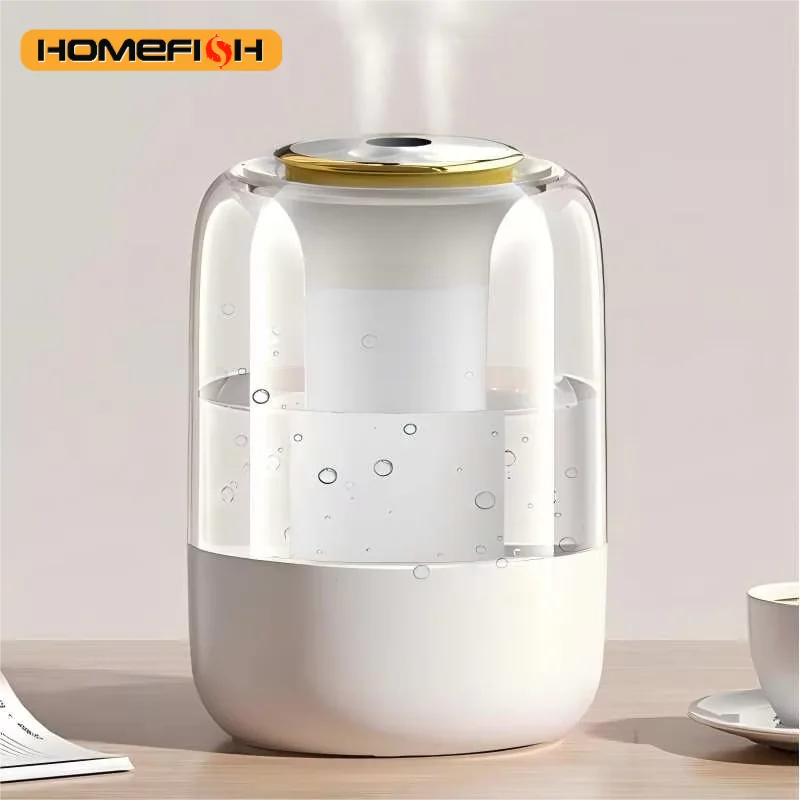
Models with a wide tank neck, which are easy to clean inside, are considered the most practical. Narrow tanks often become a place for dirt and slime accumulation, which can lead to unpleasant odors. It is also worth ensuring that all removable parts can be washed in the dishwasher or under running water.
As ComfortShop reviewers note, ease of maintenance directly affects the device's service life. Regular cleaning and filter replacement are the key to safe and efficient operation of the humidifier for many years.
Conclusion:
The answer to the question "which humidifier is better" always depends on your individual needs and conditions. For a bedroom or children's room, the optimal choice would be an ultrasonic model with low noise, a hygrostat, and a large tank. For large rooms, it is worth looking at productive traditional or steam devices. The main thing is not to skimp on filtration quality and to regularly maintain the device, because the cleanliness of the air you breathe every day depends on it.
Frequently Asked Questions
Which type of humidifier is best to choose for a children's room?
For a children's room, ultrasonic humidifiers with a cool mist function are best, as they are safe, operate quietly, and do not heat the air.
Does the room area affect the choice of a humidifier?
Yes, this is one of the main criteria for choosing a humidifier: for a room up to 20 m², a model with a performance of 200-300 ml/h is sufficient, while for larger spaces, a device with higher power is needed.
How often should the filter in a humidifier be changed?
The frequency of filter replacement depends on the model and water quality, but on average, it needs to be done every 1-3 months to avoid bacterial growth.
Is it worth buying a humidifier with a hygrostat?
Yes, a humidifier with a hygrostat automatically maintains the optimal humidity level (40-60%), preventing over-humidification and mold, making it an important feature for the home.