When you set out on a hike or an extreme trip, a standard home first aid kit often proves useless. In the wild or under survival conditions, what matters are not just bandages and painkillers, but specialized tools capable of saving a life before help arrives. According to the recommendation of the ComfortShop editorial team, a properly equipped survival first aid kit is not just a set of medicines, but a strategic tool that should be assembled with an understanding of real risks. In this article, we will look at the top remedies that must be in your survival kit.
Article Contents
- Hemostatic Agents and Tourniquets: The First Line of Defense
- Antiseptics and Wound Care Products for Field Conditions
- Pain Relief and Shock Management
- Immobilization and Protection: Splints, Bandages, and the "Emergency Blanket"
- Detoxification Agents and Enterosorbents
- Specialized Tools and Small Items That Save Lives
- Conclusion:
Hemostatic Agents and Tourniquets: The First Line of Defense
The greatest threat in extreme conditions is critical blood loss. That is why the foundation of any first aid kit for tourism should be professional hemostatic agents. Regular bandages are not always effective here, especially with arterial damage.
A tourniquet like the CAT (Combat Application Tourniquet) or its analogs is a must-have. It allows you to quickly stop bleeding from a limb with one hand, which is critical if you are injured and alone. It is important to choose proven, certified models, as cheap Chinese analogs can break at a crucial moment.
Additionally, you should include hemostatic sponges or bandages with chitosan (e.g., Celox or QuikClot). They accelerate blood clotting even in deep wounds. Remember: without a tourniquet, your survival first aid kit is considered incomplete.
Antiseptics and Wound Care Products for Field Conditions
Dirt, water, and the lack of sterile conditions are the main enemies of a traveler. Even a small scratch on a hike can lead to serious infection. Therefore, a medical kit for extreme tourism must include powerful antiseptics.
The best choice is chlorhexidine in a spray or miramistin solution. They do not sting, do not damage tissues, and are effective against most bacteria and fungi. Iodine and brilliant green are a thing of the past due to skin staining and the risk of burns.
Separately, it is worth mentioning individual dressing packets (IDP). These are sterile bandages with a pad that are applied to the wound without additional manipulation. ComfortShop experts advise having at least 2-3 such packets in your top sports first aid kit.
Pain Relief and Shock Management
Pain in the wild is not just discomfort. It is a factor that can cause panic, dehydration, and shock. Therefore, a necessary item in a traveler's first aid kit is high-quality analgesics that work quickly and last long.

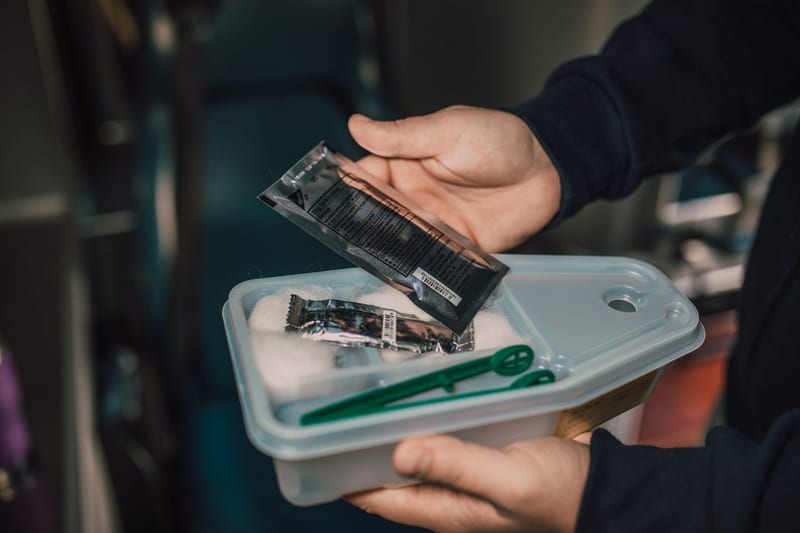
Ketorolac or dexketoprofen in tablets are the "heavy artillery" for fractures or severe bruises. For common pains, nimesulide or ibuprofen will do. However, it is also important to have antispasmodics (drotaverine), as abdominal pain can be a symptom of poisoning.
Do not forget about antihistamines (loratadine, suprastin). An allergic reaction to an insect bite or food can develop rapidly. The kit should also include an ampoule of adrenaline (epinephrine) for those prone to anaphylaxis — this can save a life.
As ComfortShop reviewers note, a universal pain reliever in the form of a gel or spray for external use is also worth having with you.
Immobilization and Protection: Splints, Bandages, and the "Emergency Blanket"
Injuries to the musculoskeletal system in the mountains or forest are common. A sprained ankle or a crack in a bone requires immediate fixation to avoid further damage. For this, a first aid kit for tourism should contain flexible or inflatable splints (e.g., SAM Splint).
They are lightweight, compact, and can be molded to any part of the body. If a special splint is not available, you can use an elastic bandage and improvised materials, but it is better to have a ready-made solution. Elastic bandages and tapes are excellent for joint fixation.
A separate item is the thermal blanket (space blanket). It takes up no space but prevents hypothermia during traumatic shock. Covering the victim with such a blanket significantly reduces the risk of hypothermia, which is key for survival in cold weather.
Detoxification Agents and Enterosorbents
Food poisoning, drinking unboiled water, or eating poisonous berries are common problems on hikes. A medical kit for extreme tourism is impossible without powerful sorbents. Activated charcoal is outdated: modern enterosorbents (enterosgel, polysorb) work more gently and faster.
They not only bind toxins but also prevent dehydration. Additionally, you should include a rehydration powder (e.g., rehydron). It restores the salt balance after diarrhea or vomiting, which is critical for maintaining strength.
Do not forget about broad-spectrum antibiotics (e.g., azithromycin or ciprofloxacin), but only if you know how to use them. In an extreme situation, they can be the only salvation from sepsis.
Specialized Tools and Small Items That Save Lives
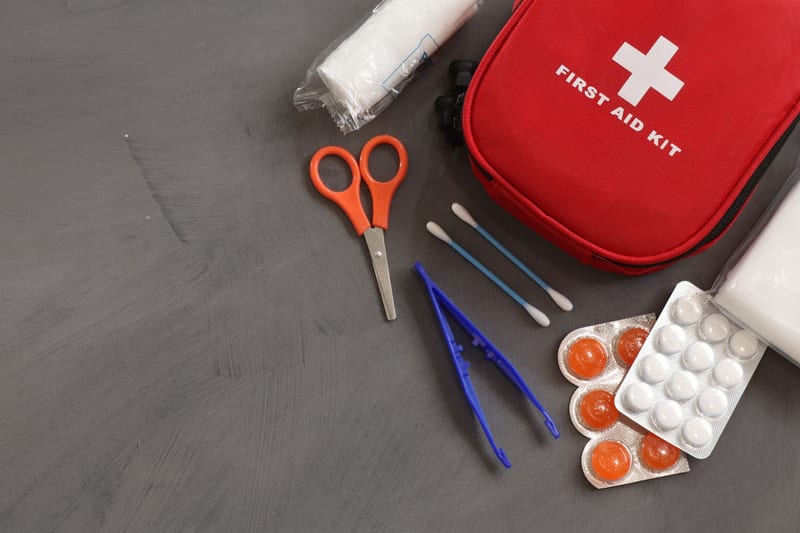
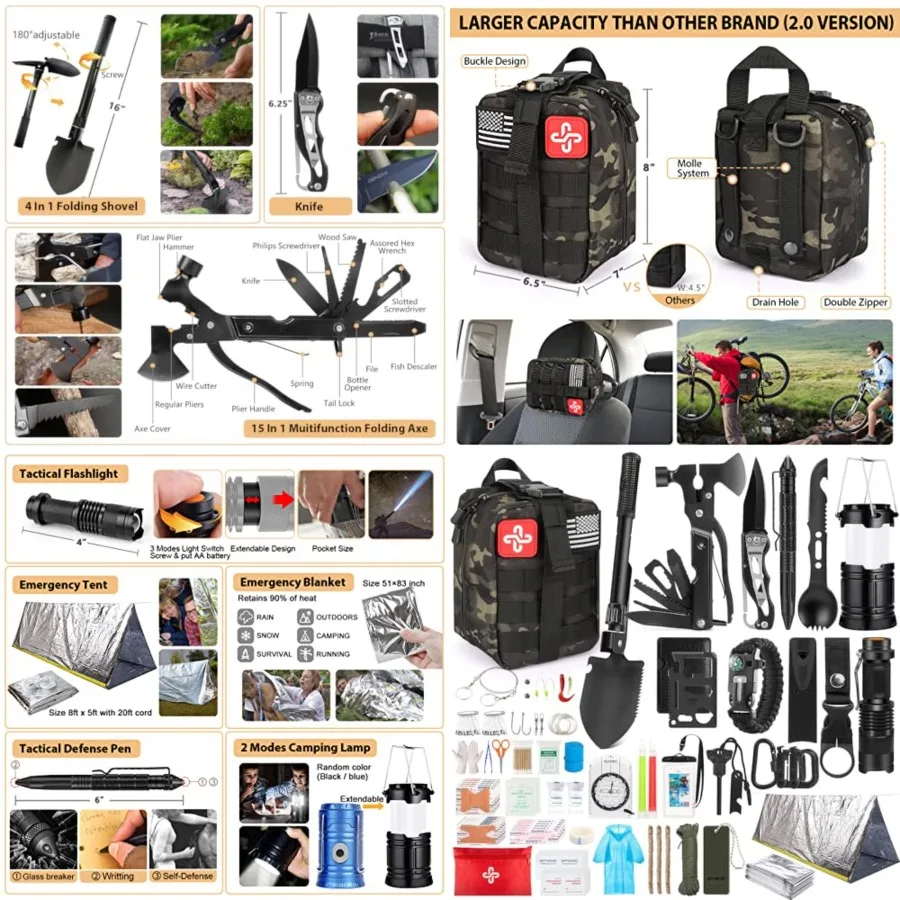
In addition to medicines, a survival first aid kit should contain tools for providing aid. A multi-tool with scissors, tweezers, and a scalpel is the basics. The scissors should be blunt-tipped to safely cut clothing.
Tweezers will be useful for removing splinters, ticks, or small stones from a wound. Be sure to include sterile surgical gloves (at least 2 pairs) and a CPR mask. Protecting the rescuer is no less important than helping the victim.
The list of necessary items in a traveler's first aid kit should also include a sterility indicator and a waterproof marker for noting the time the tourniquet was applied. These small items are often forgotten, but they are critical for the correct treatment strategy.
Conclusion:
Assembling the right first aid kit for tourism is not a formality, but a matter of safety. Key elements: a tourniquet, a hemostatic agent, a modern antiseptic, a painkiller, a splint, and rehydration products. ComfortShop experts advise not to skimp on the quality of these components, as your life depends on them. Choose proven brands and regularly update the contents of your first aid kit, and then no extreme adventure will catch you off guard.
Frequently Asked Questions
What mandatory components should be in a survival first aid kit?
The basic first aid kit for tourism must include sterile bandages, adhesive tape, an antiseptic, a painkiller, an anti-diarrheal agent, and a hemostatic tourniquet.
Can I use a standard car first aid kit for a hike?
No, a standard kit is not suitable, as a medical kit for extreme tourism must contain specialized tools for survival on a hike, such as splints for fracture fixation, anti-shock medications, and a waterproof case.
How to properly store a top sports first aid kit in the wild?
It is best to store the necessary items in a traveler's first aid kit in a sealed, waterproof bag or container to protect the rescue supplies from moisture, dirt, and damage.
Do I need to include medications for chronic diseases in the first aid kit?
Yes, if you have chronic diseases, be sure to add personal medications in double quantity to the first aid kit for tourism in case of route delays.