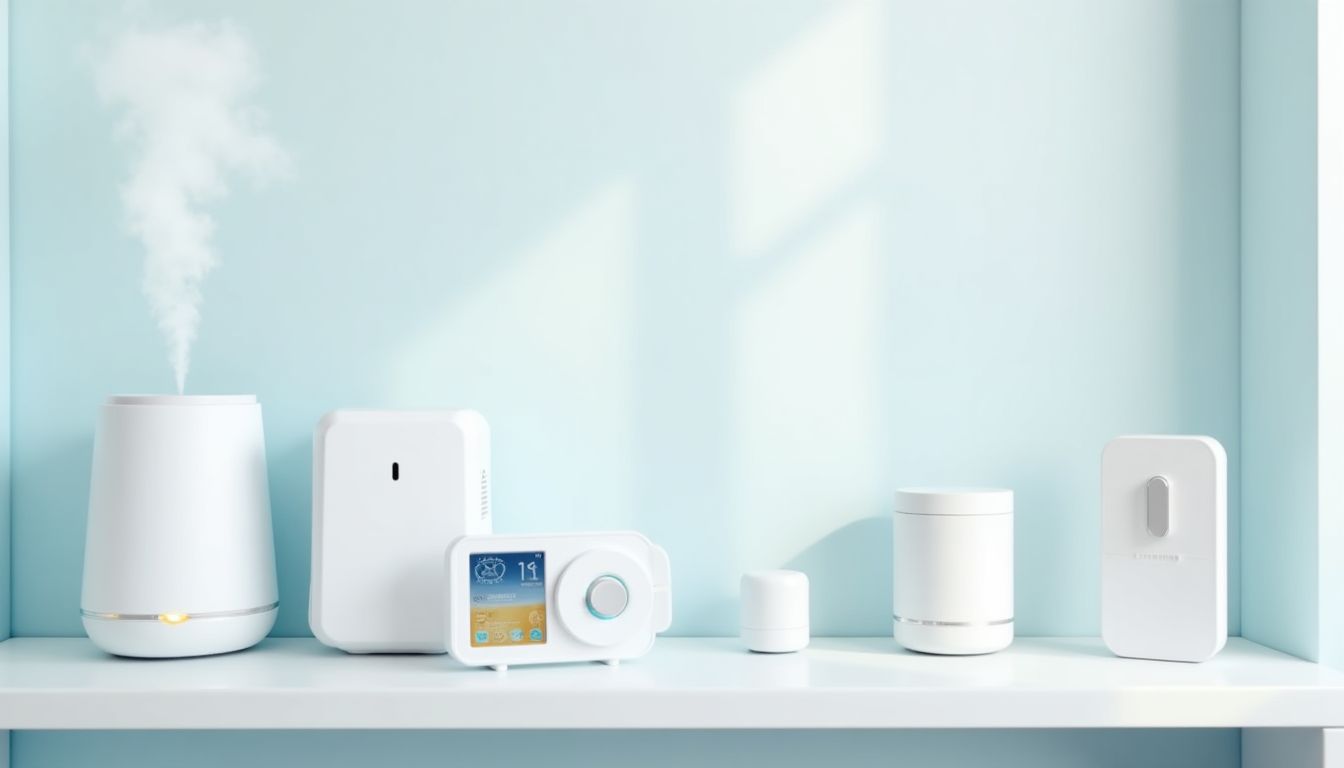
Maintaining an optimal humidity level in your home is not just a matter of comfort, but also a guarantee of health for the whole family. Dry air leads to drying of mucous membranes, reduced immunity, and exacerbation of allergies. That is why modern climate control technology for the home is becoming a necessity, not a luxury. As reviewers from ComfortShop note, the market offers dozens of models, and to avoid getting lost in the assortment, it is worth clearly understanding the selection criteria. We have prepared a detailed review to help you choose a humidifier that is perfect for your specific conditions.
? Table of Contents
Why it is important to control air humidity
A person is 60% water, and air quality directly affects well-being. In winter, when central heating is on, the humidity level in apartments often drops to 20-30%, while the norm is 40-60%. This causes dry skin, brittle hair, eye irritation, and constant fatigue.
Children and people with respiratory diseases feel this problem particularly acutely. A home humidifier helps create a microclimate where the body can fight viruses more easily. Additionally, sufficient humidity prevents wooden furniture and parquet from drying out, extending their lifespan.
Modern models can not only saturate the air with moisture but also purify it from dust and allergens. Thus, investing in a quality device is an investment in health and the longevity of your interior.
Traditional humidifiers: simplicity and efficiency
Classic evaporative models work on the principle of natural water evaporation. A fan blows air through a moistened filter, and moisture enters the room without heating. This is the safest type of device, as it cannot over-humidify the air — the process stops automatically when the optimal level is reached.
The main advantage of traditional devices is low energy consumption and the absence of white dust on furniture. They are ideal for children's rooms and bedrooms where quiet operation is important. In the ranking of the best humidifiers, these models often take top positions due to their reliability.
ComfortShop experts recommend paying attention to models with an antibacterial filter coating. This prevents the growth of microorganisms inside the device and ensures you are breathing clean, not polluted, air. Maintenance of such devices comes down to periodically replacing the filter element.
Ultrasonic humidifiers: fine mist technology
The most popular type today. They create cool mist using high-frequency membrane vibrations. Such devices can quickly increase humidity even in a large room and are often equipped with additional functions: ionization, aromatherapy, and a built-in hygrostat.

To choose an ultrasonic humidifier, you should consider water quality. Without using distilled or filtered water, white dust may appear on furniture — these are hardness salts that are sprayed into the air. Many manufacturers solve this problem with built-in softening cartridges.
If you are looking for a quiet and productive device, ultrasonic is the optimal choice. It consumes minimal electricity, and modern models have a stylish design that fits any interior. The humidifier rating among ultrasonic devices is led by models with a "warm mist" function, which additionally disinfects the water.
Steam humidifiers: for large areas and therapeutic purposes
These devices work on the principle of boiling water, releasing sterile hot steam. They are the most powerful among all types and can serve rooms up to 60-80 square meters. Hot steam kills bacteria, so such a device is often recommended for preventing colds.
A feature of steam models is high energy consumption and the need to follow safety precautions — the steam has a temperature of about 60-80°C. They are not suitable for children's rooms without adult supervision. However, for therapeutic inhalations or maintaining humidity in greenhouses, this is indispensable equipment.
Steam models make it into the top humidifiers due to their productivity and lack of consumables. You don't need to buy filters or cartridges — just add water and periodically remove scale. This makes them cost-effective in the long run.
How to choose a humidifier based on key parameters.
Key selection criteria: what to look for
Before purchasing a device, determine the room area. The humidifier's output should match the room volume: for a bedroom of 15-20 m², a model with 200-300 ml/h is sufficient, while for a living room of 40 m², you will need a capacity of 500 ml/h or more. The tank volume is also important — the larger it is, the less often you will need to refill water.
Noise level is a critical parameter for nighttime use. Most modern ultrasonic models operate with a noise level of 20-30 dB, which does not exceed a whisper. Traditional evaporators can be slightly noisier due to the fan, but quality models have a night mode.
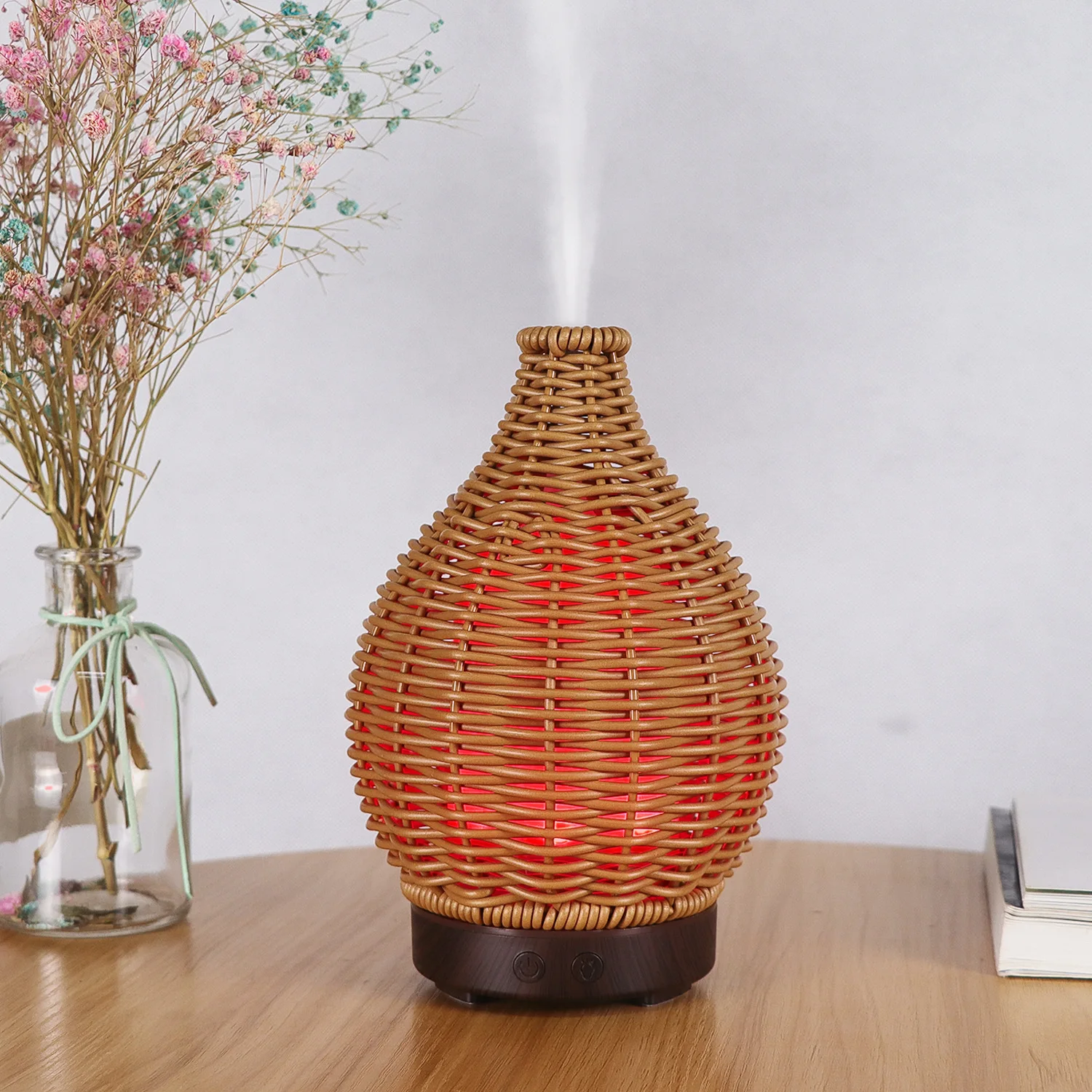
Additional features significantly increase ease of use. A hygrostat automatically maintains the set humidity level, a timer allows you to program operation, and a backlit display makes control intuitive. A home humidifier with an ionization function additionally purifies the air, making it fresh, like after a thunderstorm.
Humidifier care: extending service life
Regular maintenance is the key to long and safe operation of the device. Water must be changed daily, and the tank and tray should be washed once a week using mild detergents. This prevents the formation of slime and the growth of bacteria that can get into the air.
For ultrasonic models, it is important to replace softening cartridges in a timely manner, otherwise, operating efficiency decreases. Steam devices require descaling using citric acid or special agents. Neglecting these rules leads to damage to the membrane or heating element.
According to the recommendation of the ComfortShop editorial team, it is worth purchasing a hygrometer to monitor humidity, even if it is not built into the device. The optimal level — 45-55% — ensures comfortable breathing and prevents mold from appearing on walls. Remember: excessive humidification is just as harmful as dryness.
Conclusion:
The choice of a humidifier depends on your specific needs: room area, budget, and safety requirements. Traditional models are a universal choice for allergy sufferers, ultrasonic models are leaders in functionality, and steam models are the most powerful for large spaces. ComfortShop experts recommend not skimping on filter quality and choosing devices with a hygrostat for automatically maintaining an ideal microclimate.
Frequently Asked Questions
Which humidifier is best to choose for home?
The best choice depends on the room area: an ultrasonic humidifier is suitable for small rooms, while a steam or natural evaporation humidifier is better for large ones.
Is a humidifier needed in winter?
Yes, in winter, due to heating, the air in rooms becomes dry, so a humidifier helps maintain a comfortable humidity level and prevents drying of the skin and mucous membranes.
How often should a humidifier be cleaned?
It is recommended to clean the humidifier once a week to prevent the growth of bacteria and mold, and to change filters according to the manufacturer's instructions.
Can tap water be used in a humidifier?
For ultrasonic models, it is better to use distilled or filtered water to avoid white dust on furniture, while for steam models, regular tap water is suitable.