Table of Contents
Why an e-bike in winter is a challenge, not a death sentence

Many e-bike owners put their bikes into "winter storage" before the first frost even arrives. The logic is understandable: cold, road salt, snow, and ice seem incompatible with electronics and batteries. However, practice shows that an e-bike in winter can perform just as well as in the warmer months, provided you prepare properly.
The ComfortShop editorial team analyzed open sources, user reviews, and technical specifications of popular models to find out exactly how an e-bike behaves in winter conditions. This material is not a laboratory test, but a systematic analysis of real-world operating experience that will help you understand whether it's worth heading out in the freezing cold.
The main thing to grasp right away: winter riding requires a different approach to charging, maintenance, and even riding style. But the concept of the e-bike itself doesn't "break" from the cold — it adapts.
E-bike battery in winter: a headache or a manageable risk
The battery raises the most questions when it comes to winter riding. Lithium-ion batteries, which power the vast majority of modern e-bikes, are indeed sensitive to low temperatures. At sub-zero temperatures, the chemical processes inside the cells slow down, leading to a temporary reduction in capacity.

In practice, this means the range can drop by 20–40% depending on temperature, wind, and riding style. It's important to understand: this is not a malfunction or battery degradation, but a temporary phenomenon. Once the battery returns to a warm environment, its characteristics recover.
To minimize losses, it is recommended to keep the battery in a warm room until you head out and to remove it from the bike if the vehicle remains outside or in a cold garage. You should only charge the battery after it has warmed to room temperature — this is critical for the longevity of the cells.
Testing an e-bike in winter: how road behavior changes
Riding an e-bike in freezing temperatures differs significantly from summer riding, not just because of the battery. The very physics of movement changes: tires become stiffer, braking distance on slippery surfaces increases, and handling on slush requires greater concentration.

Based on the analysis of reviews, models with wide tires (fat-bike or hybrid options), a powerful motor from 350 W, and a regenerative braking system perform best in winter. These characteristics allow you to tackle snowy sections more confidently and reduce the risk of wheel spin.
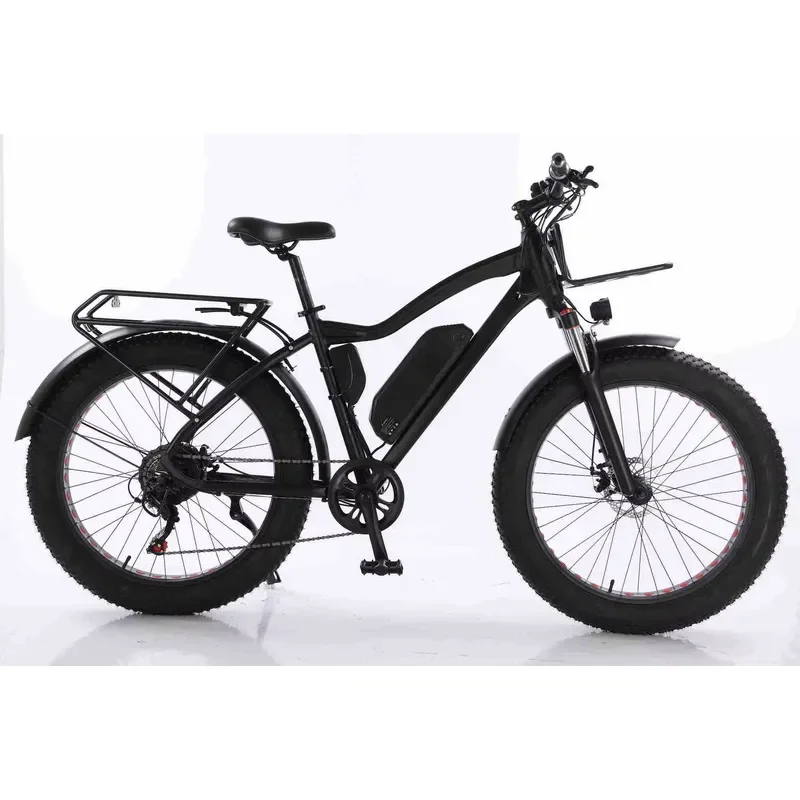
Pedal-assist modes deserve special mention. In winter conditions, it is recommended to use a lower level of assistance to avoid sudden accelerations on slippery roads. Smoothness is the key principle of safe winter riding on an e-bike.
Maintenance: what suffers the most
Winter operation of an e-bike is primarily a matter of caring for the mechanical components. Salt and de-icing agents spread on roads aggressively affect the chain, sprockets, brake pads, and fasteners. Without regular cleaning, corrosion can appear within just a few weeks.
Based on an analysis of specifications and manufacturer recommendations, ComfortShop advises rinsing the bike with warm water (not hot!) after every ride in snowy weather, especially in areas with joints and moving parts. After washing, be sure to dry all electrical contacts and apply protective lubricant to the chain.
The braking system also requires increased attention. Disc brakes perform better than rim brakes in winter, but their pads wear out faster due to abrasive particles on the road. Check the thickness of the pads before every ride in difficult weather conditions.
Clothing and gear: comfort above all
Even the best e-bike won't make a ride enjoyable if the rider is freezing. Since an e-bike reaches higher speeds than a regular bicycle, the wind chill factor is felt more strongly. This should be taken into account when choosing clothing.
A multi-layer approach is recommended: thermal underwear, a fleece insulating layer, and a windproof membrane jacket. Pay special attention to your extremities — fingers and toes freeze the fastest. Insulated cycling gloves and neoprene overshoes significantly increase comfort.
Don't forget about reflective elements: in winter, daylight hours are short, and visibility during snowfall can be limited even during the day. Bright clothing and additional lights are not just a safety requirement but a practical necessity.
Should you even ride an e-bike in winter
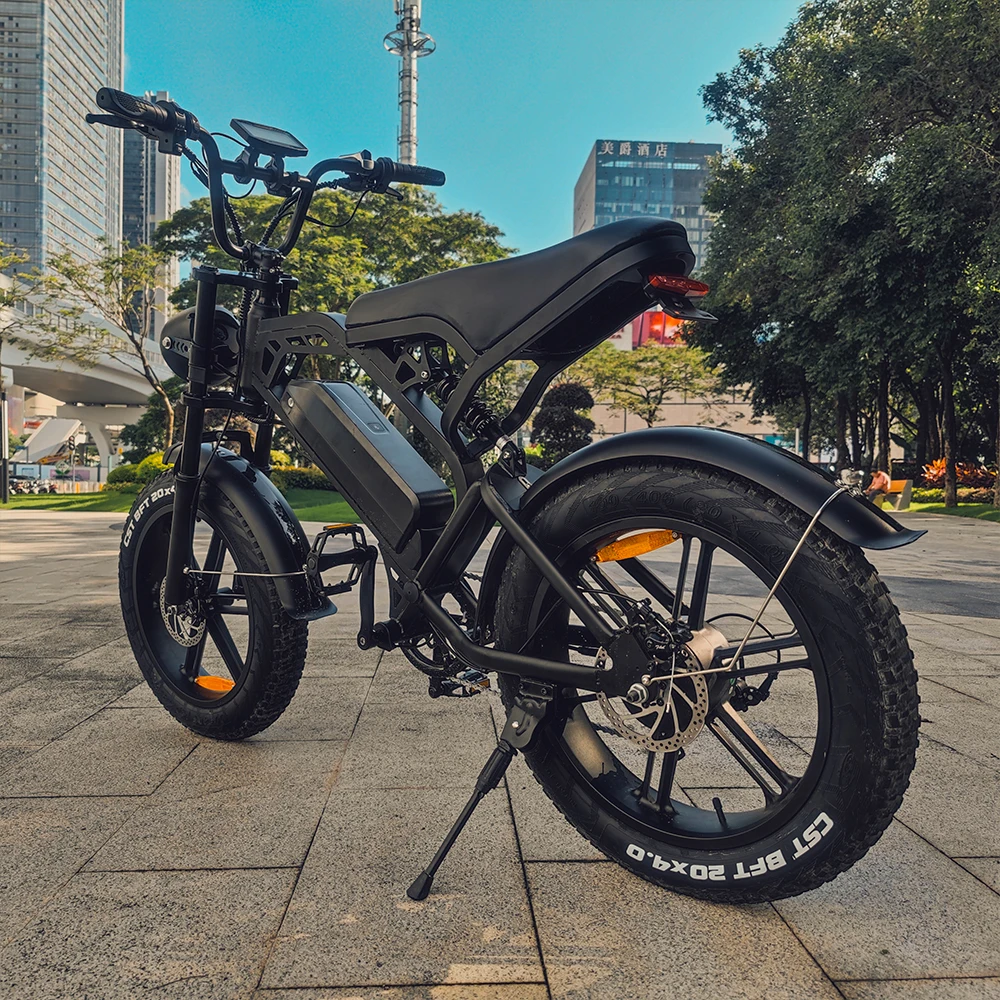
The answer depends on your expectations and routes. For short city trips on cleared roads, an e-bike in winter is a perfectly viable option that lets you avoid traffic jams and not depend on public transport. For suburban roads with deep snow, you need special preparation and a suitable model.
After analyzing open sources, the ComfortShop editorial team notes: most winter operation problems are related not to the e-bike itself, but to a lack of proper care and neglect of battery charging rules. The equipment withstands the cold better than is commonly believed.
If you are willing to spend 15–20 minutes after each ride on cleaning and lubrication, winter riding will not cause significant damage to your e-bike. The main thing is not to leave it in the cold with a fully discharged battery and not to charge a cold battery.
Висновок:
Winter operation of an e-bike is realistic but requires discipline: keeping the battery warm, regular cleaning from salt, and a smooth riding style. According to the ComfortShop editorial team's recommendation, before heading out in freezing temperatures, check tire pressure, battery charge, and brake condition, and after returning, be sure to rinse and dry the bike. Check current prices for winter accessories and models with enhanced cross-country capability on the seller's website.
Frequently Asked Questions
How does frost affect an e-bike's range?
In freezing temperatures, battery capacity drops noticeably, so the actual range can decrease by 20–40% compared to summer figures, depending on temperature and riding style.
Can an e-bike battery be stored on a balcony in winter?
No, prolonged storage of the battery in freezing temperatures leads to cell degradation, so it's better to bring it indoors and store it at room temperature with a charge level of around 50–60%.
How should I properly charge an e-bike after riding in freezing temperatures?
After returning from the cold, let the battery warm up to room temperature for 1–2 hours, and only then put it on charge to avoid damaging the battery.
Do I need to specially prepare an e-bike for winter operation?
Yes, you should treat the chain and moving parts with winter lubricant, check the brakes and tires, and also protect the electrical contacts from moisture and de-icing agents.