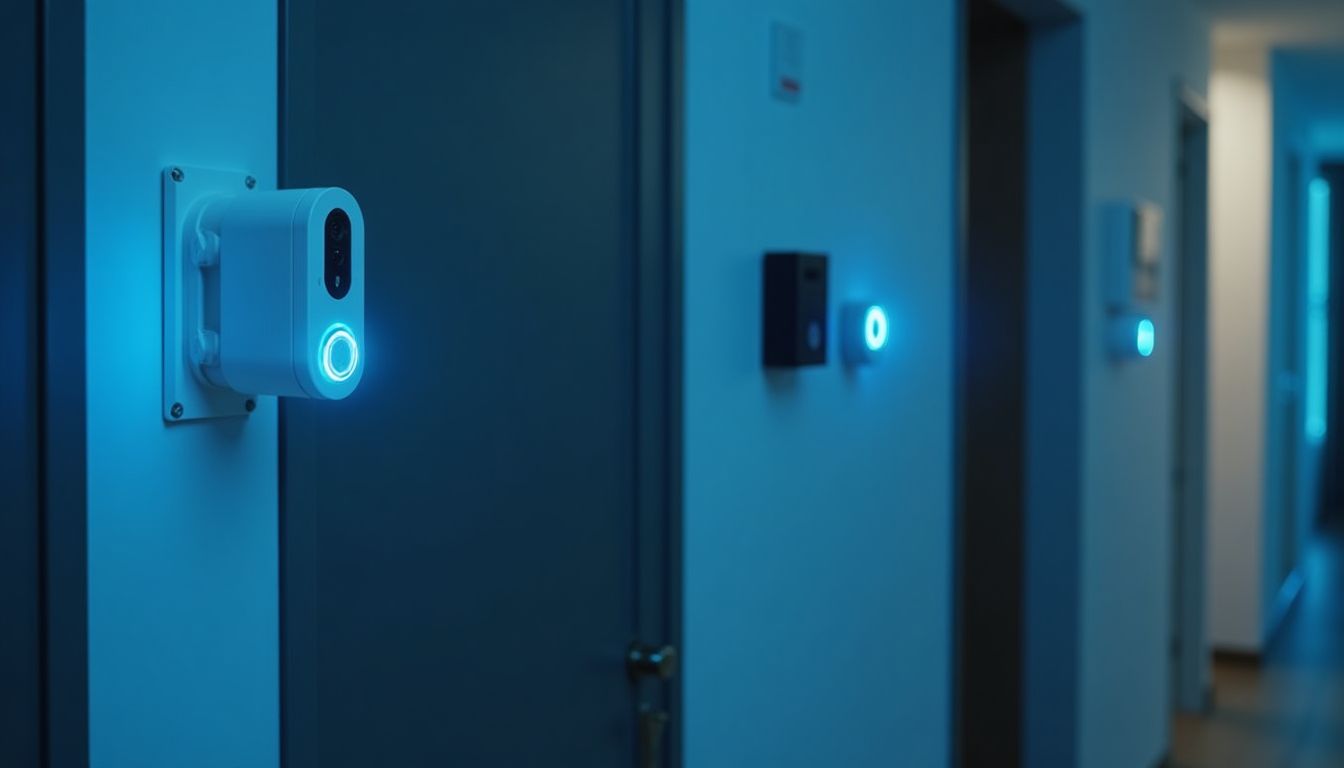
Wireless alarm for an apartment: where to start.
The modern market offers a multitude of solutions for home protection, and a wireless alarm system for an apartment is becoming an increasingly popular choice. It does not require complex installation or drilling into walls, which is especially important for apartment owners with high-quality renovations. However, before purchasing equipment, it is worth understanding the main selection criteria and figuring out where to start organizing security. This is exactly what we will discuss next, based on practical experience and expert recommendations.
? Table of Contents
Why Choose a Wireless System

First of all, a wireless alarm system for an apartment wins due to its ease of installation. You don't need to run cables around the entire perimeter; you just need to mount the sensors in the right places. This allows you to keep the interior intact and complete the installation yourself in a matter of hours.
Secondly, such systems are easily scalable. If you decide to add another motion sensor or door opening sensor, it won't cause any difficulties — the devices simply synchronize with the central unit. Moreover, most modern models support control via a mobile app, allowing you to monitor security from anywhere in the world.
As the reviewers at ComfortShop note, it is the autonomy and flexibility of settings that make wireless security systems the optimal choice for residents of multi-story buildings. They are not dependent on a landline phone line and can operate even during a power outage thanks to built-in batteries.
Determining Your Needs and Level of Protection
Before purchasing equipment, it is important to clearly define what exactly you want to protect. A small apartment on the first floor will require one set of sensors, while a large two-bedroom apartment with a balcony will require a completely different one. Start by analyzing vulnerable points: the front door, windows, and possible entry points.

It is worth dividing your needs into basic and advanced. Basic needs include perimeter protection (doors and windows), while advanced needs include interior space monitoring (motion sensors) and alerts for smoke or water leaks. Based on this list, you will be able to understand how to choose a wireless alarm system that is neither excessive nor insufficient.
Also, pay attention to the type of notification. Is a loud siren that will scare off an intruder enough for you, or do you want to receive instant push notifications on your smartphone? Some systems offer both options, which is the most effective approach.
Key Components of a Wireless Alarm System
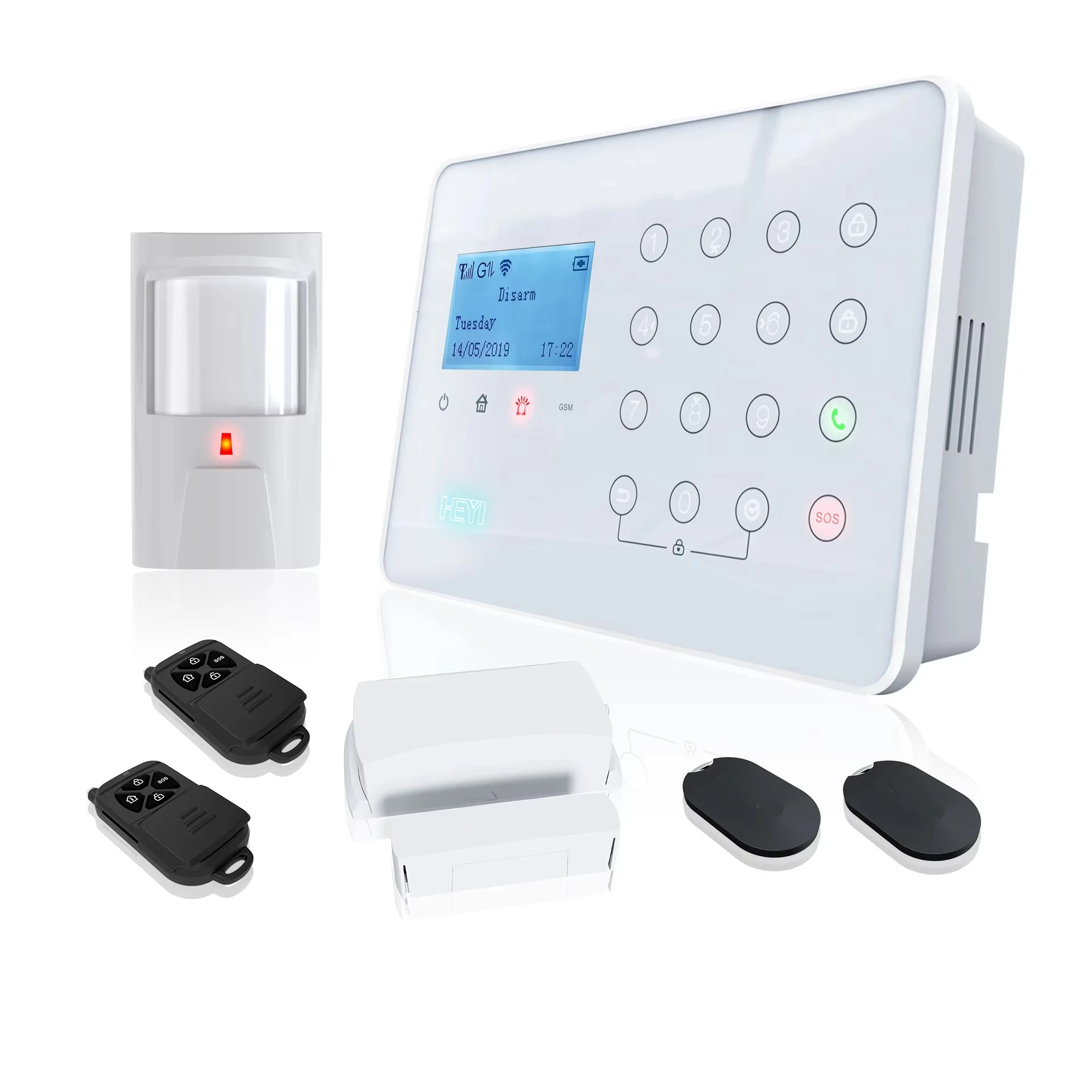
Any modern wireless security system for an apartment consists of several main elements. The central unit (controller) is the "brain" of the system, processing signals from the sensors and deciding whether to activate the alarm. This is the component you should be most demanding about.
The second important component is the sensors. The most popular ones include:
- Door and window opening sensors (magnetic contacts).
- Infrared motion sensors for space monitoring.
- Glass break sensors (acoustic).
- Additional sensors: smoke, gas, water leak.
Don't forget about notification devices. A siren, strobe lights, and a GSM module for phone calls are what will make your alarm system truly effective. Specialists at ComfortShop recommend choosing kits where all these elements are already included by the manufacturer.
How to Choose a Wireless Alarm System: Practical Tips
Choosing an alarm system for an apartment can seem difficult due to the large number of brands and models. To avoid confusion, pay attention to three main parameters: range, power type, and the ability to integrate with a "Smart Home" system. If you plan to automate your apartment in the future, it's better to buy compatible equipment right away.
Here are a few criteria that will help you make the right decision:
- Communication Range: 50-100 meters in line of sight is sufficient for an apartment, but concrete walls can reduce this figure.
- Autonomy: Check if the system works during a power outage and how long the backup battery holds its charge.
- Control Method: The availability of a remote control, key fob, or a convenient mobile app is essential for comfortable use.
Don't chase the cheapest models. Saving on security can cost much more in the long run. It's better to choose a trusted brand with a good reputation and warranty.
Step-by-Step Plan: Apartment Alarm System - Where to Start
So, you've decided to purchase a system. "Apartment alarm system - where to start?" is a logical question. The first step is a visual inspection of the premises. Determine the locations for installing the central unit (preferably in the hallway, away from the front door) and the sensors.