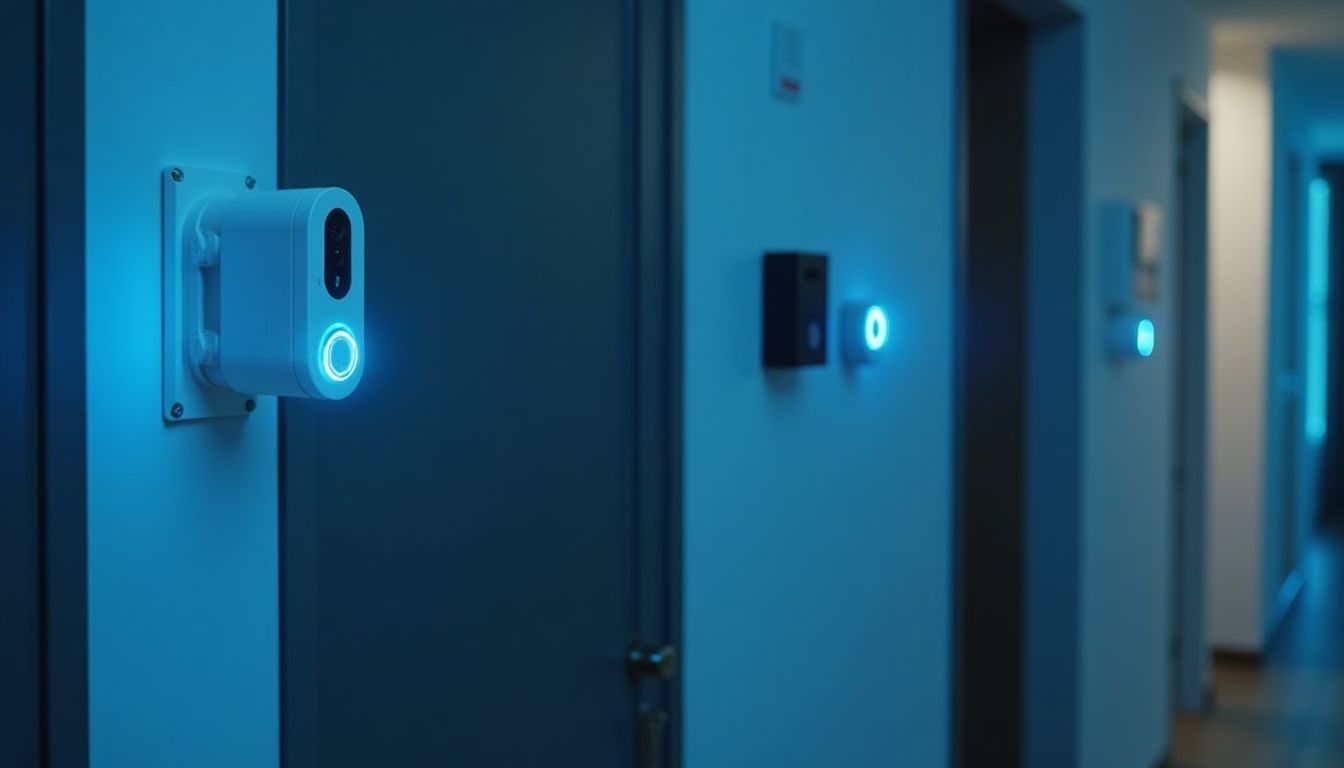
Ensuring the security of your own home is a fundamental task that faces every apartment owner. The modern market offers many technical solutions, among which the most popular are systems based on GSM and Wi-Fi technologies. Choosing a security alarm system often turns into a complex process, because each type has its own advantages and limitations. The ComfortShop editorial team analyzed the key characteristics of both systems to help you make an informed decision. In this article, we will examine the principles of operation, reliability, cost, and installation features to determine the optimal option specifically for your home.
Table of Contents
Principle of operation and key differences

A GSM-based apartment security alarm system uses cellular communication to transmit alarm notifications. When a motion or door opening sensor is triggered, the system sends an SMS message or makes a call to the owner's pre-programmed number. This solution does not depend on the availability of home internet, which makes it extremely autonomous. In contrast, Wi-Fi alarm systems use a wireless network to communicate with your smartphone via a mobile application or cloud service.
The main difference lies in the communication channel and the level of dependence on external factors. A GSM system works even when the power is out (provided there is a backup battery), because the mobile network usually continues to function. A Wi-Fi system depends entirely on the stability of the home router and the internet provider. If an intruder cuts the power in the electrical panel, the Wi-Fi alarm may lose connection with the outside world, while the GSM module will continue to operate on battery power.
From a functionality standpoint, both types are capable of performing basic security tasks: detecting intrusion, notifying the owner, and controlling security modes. However, usage scenarios differ significantly depending on operating conditions and user expectations.
Reliability and autonomy of systems
When it comes to apartment security, the reliability of the communication channel plays a decisive role. GSM alarm systems demonstrate a higher level of autonomy, as they do not depend on the building's local infrastructure. Cellular communication covers almost the entire territory of cities and villages, and modern modules support operation with SIM cards from various operators. This allows you to choose the best provider for a specific location and ensure stable communication even in remote areas.

Wi-Fi alarm systems, in turn, depend on the quality of the home network. If the router is outdated or overloaded with other devices, delays in transmitting notifications are possible. In addition, during a power outage, most consumer routers do not have backup power, so the system remains without communication. Some manufacturers offer hybrid models that combine Wi-Fi and GSM, but this makes the solution more expensive.
It is also worth considering the human factor: a GSM system sends messages even if you do not have internet access, for example, when you are abroad on roaming. Wi-Fi notifications arrive through an application that requires the smartphone to be constantly connected to the network. In this aspect, the GSM solution looks more universal for critical situations.

Functionality and ease of control
Modern Wi-Fi alarm systems offer significantly broader integration capabilities with the smart home ecosystem. Through the mobile application, you can not only receive alarm notifications but also view video from cameras, control sensors, and configure automation scenarios. For example, you can program the lights to turn on when a motion sensor is triggered or integrate the alarm with voice assistants. This approach is especially valued by users who already use other smart devices.

GSM alarm systems usually have a simpler control interface: SMS commands, calls, or a separate remote control. This may seem archaic, but for many users, simplicity itself is an advantage. You do not need to install an application, configure cloud services, or worry about software version compatibility. It is enough to insert a SIM card, program the numbers — and the system is ready to operate.
According to the recommendation of the ComfortShop editorial team, if you plan to expand your security system with additional cameras, water leak, or smoke sensors, you should pay attention to Wi-Fi models with support for open protocols. They provide more flexible scalability and integration with other security devices.
Cost of equipment and operation
A price comparison of alarm systems shows an ambiguous picture. Basic GSM alarm kits are often cheaper because they do not require complex software or cloud infrastructure. At the same time, you will have to regularly top up the SIM card balance, which creates ongoing operating costs. Although they are usually minimal — a package with a few SMS per month is enough.
Wi-Fi alarm systems may have a higher initial cost, especially when it comes to models with video surveillance and advanced functionality. However, operating costs are practically nonexistent, since the system uses an existing internet channel. Some manufacturers offer paid cloud subscriptions for storing video archives, but basic notification functions are usually free.
Installation costs should also be considered separately. Both types of systems are mostly wireless, so installation does not require laying cables. You can perform the installation yourself by following the manufacturer's instructions. This significantly saves budget compared to classic wired systems that require professional intervention.
Which alarm system is better for an apartment?
The choice of a security alarm system depends on the specific living conditions and your priorities. If you live in a region with an unstable internet connection or often leave the apartment unattended for long periods, a GSM alarm system will be a more reliable solution. Its autonomy and independence from the local network guarantee that you will receive an alarm notification even in the absence of electricity.

For residents of modern apartment buildings with stable internet and a desire to integrate security into a smart home system, a Wi-Fi alarm system is better suited. It offers more convenient control, the possibility of remote monitoring, and functional expansion. This is especially relevant for those who already use video surveillance cameras or smart sensors.
After analyzing open sources, the ComfortShop editorial team notes that a compromise option could be hybrid systems with support for both communication channels. They cost more, but provide maximum reliability: Wi-Fi is used for convenient control and video monitoring, while GSM serves as a backup channel for critical notifications. This approach is especially appropriate if apartment security is an absolute priority for you.
Conclusion:
Both types of security systems have a right to exist, and the optimal choice depends on your individual needs. GSM alarm systems provide higher autonomy and reliability in critical situations, while Wi-Fi alarm systems offer more functional capabilities and ease of control. Before purchasing, be sure to check the current price and delivery terms on the seller's website, as they may change. Weigh all the advantages and limitations of each solution so that your apartment is under reliable protection in any situation.
Frequently Asked Questions
Which is better for an apartment — GSM or Wi-Fi alarm system?
GSM alarm systems are more reliable because they work through the mobile network even during internet or power outages, while Wi-Fi models are cheaper and easier to set up but depend on the router. For basic apartment security, combined models with both communication channels are often chosen.
Do you need a SIM card and monthly payment for a GSM alarm system?
Yes, a GSM alarm system requires an active SIM card from any operator, and costs depend on the tariff and notification method (SMS, call, mobile application). Wi-Fi models usually do not require a subscription fee, except for cloud storage of recordings from some manufacturers.
Will a Wi-Fi alarm system work if the internet or power goes out?
When the internet is disconnected, a Wi-Fi alarm system loses connection with the application and will not send notifications, although the local siren may still go off. Therefore, for critical apartment security, it is worth choosing models with a backup GSM channel or battery.
How to choose a security alarm system for a rented apartment?
For a rented apartment, wireless models are better suited, as they can be mounted without drilling into walls and are easy to dismantle when moving. Before purchasing, check the seller's website for the package contents, sensor compatibility, and warranty terms, as they differ among manufacturers.