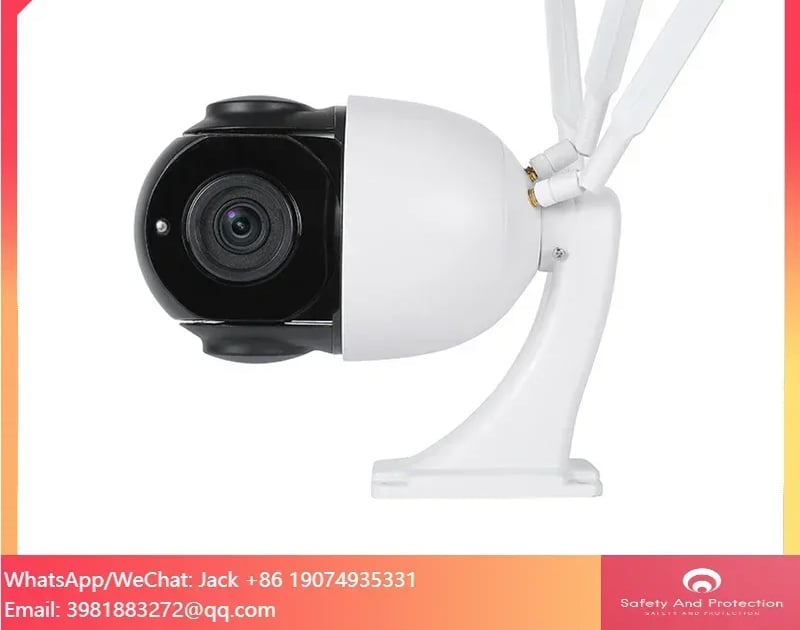
Choosing a camera for outdoor surveillance often becomes a compromise between a wide field of view and the detail of distant objects. Static devices leave "blind spots," while a modern PTZ camera for outdoor use offers a fundamentally different level of control. This equipment can rotate 360 degrees, tilt, and zoom in on the image, effectively replacing several stationary cameras. According to the recommendation of the ComfortShop editorial team, it is worth understanding the real capabilities of such devices and their behavior in difficult weather conditions before purchasing.
Article Contents
What is a PTZ camera and how it differs from a regular one
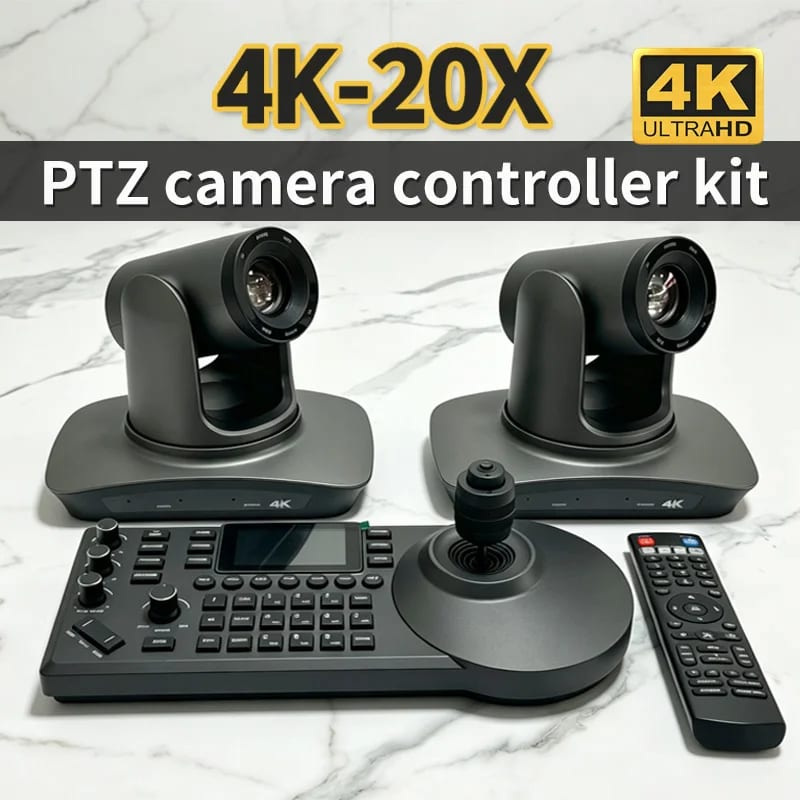
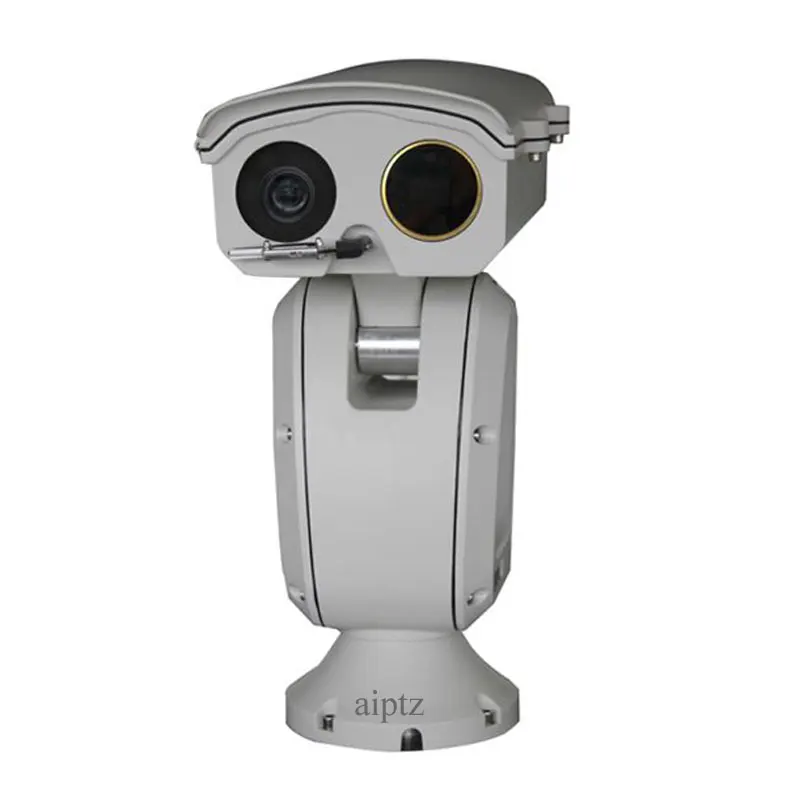
The abbreviation PTZ stands for Pan-Tilt-Zoom, meaning panning, tilting, and zooming. Unlike fixed models that capture a single unchanging zone, a PTZ camera with pan and tilt allows the operator to change the viewing angle manually or automatically. This means you can remotely survey the entire perimeter of your property without installing additional equipment.
The key difference lies in the optical zoom (varifocal lens). While a regular camera simply stretches pixels digitally, blurring the image, PTZ optics physically readjust the lenses. This allows you to make out a car's license plate at a distance of 50-100 meters without losing clarity. This is why video surveillance with a PTZ camera is considered the most effective for large areas.
Modern models are equipped with intelligent features such as automatic tracking of moving objects. The camera can independently follow a person in the frame, making it an ideal tool for perimeter security.
Key features for outdoor use
When conducting a review of an outdoor PTZ camera, it is impossible to overlook protection against weather conditions. The IP66 standard is the mandatory minimum — it guarantees complete dust-tightness and protection against strong water jets. As noted by ComfortShop reviewers, models with an IP67 rating can even withstand short-term immersion in water, which is relevant for regions with heavy rainfall.
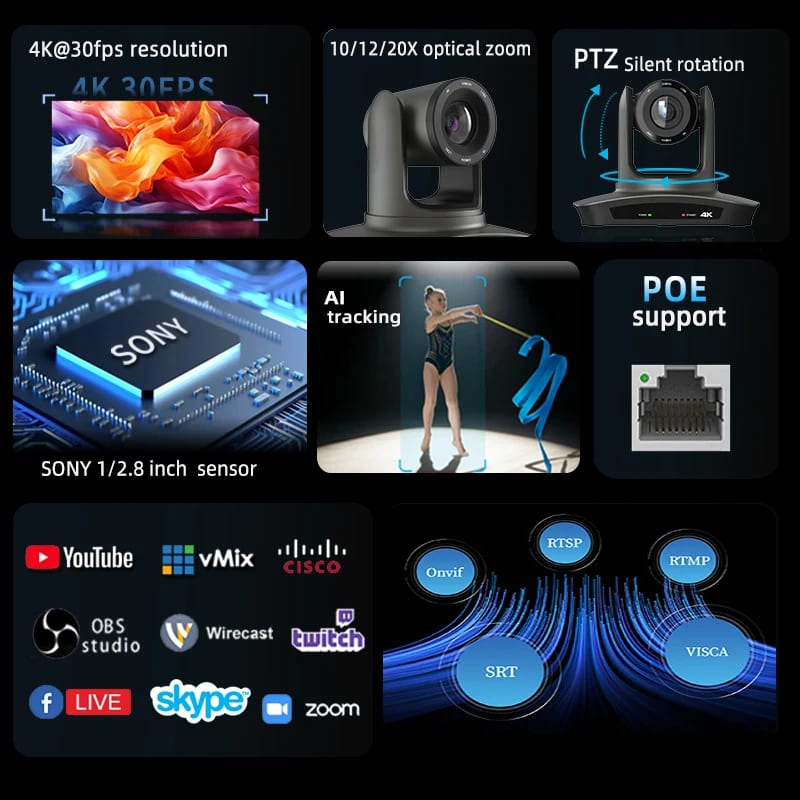
The second critical parameter is the operating temperature range. In Ukrainian conditions, equipment must withstand both winter frosts down to -30°C and summer heat. Responsible manufacturers integrate heating elements into the housing to protect against icing and built-in fans for cooling.
Equally important is the quality of infrared illumination. For night shooting, the IR range must match the optical zoom. If the camera zooms in on an object at 100 meters, but the illumination only "reaches" 30 meters, you will get a dark screen. In the best PTZ camera for outdoor surveillance, these parameters are always balanced.
Use cases: from a private home to business
Many people mistakenly consider PTZ devices to be exclusively professional equipment for large warehouses. In reality, home security with a PTZ camera reaches a new level thanks to the ability to program an automatic patrol of the area. For example, the camera can cyclically survey the fence, gates, and entrance area, replacing 3-4 static points.
Typical application scenarios:
- Perimeter control: response to crossing a virtual line with automatic rotation toward the intruder.
- Parking lots and entrances: reading license plates thanks to powerful optical zoom.
- Home surroundings: tracking couriers, guests, or suspicious activity with the ability to manually control via smartphone.
ComfortShop experts advise paying attention to the rotation speed of the mechanism. For tracking fast objects (vehicles), a speed of at least 100 degrees per second is required. For a private home yard, 30-60 degrees is sufficient, which also reduces the noise level of the servos.
How to choose the best model: sensor, optics, and resolution
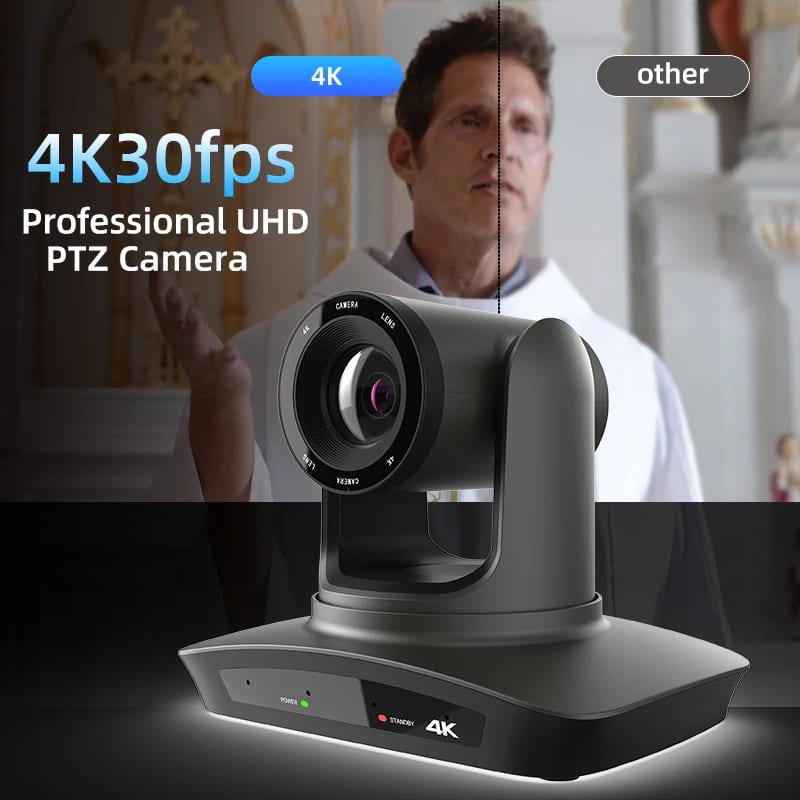
The heart of any camera is the sensor, and in this segment, saving money is inappropriate. A full outdoor PTZ camera review should start with a resolution of at least 2 MP (Full HD 1080p), which provides a clear picture without pixelation effects when zooming in. Premium models offer 4K sensors that retain detail even with digital magnification on top of optical zoom.
Optical zoom is the main reason to buy a PTZ. For outdoor use, the practical minimum is 5x optical zoom. Such models work well at distances up to 30-40 meters. If you need to monitor an entrance gate along a long driveway, you should look at 20-25x zoom, which allows identifying faces at distances over 100 meters.
The type of lens is also important. Autofocus with a wide dynamic range (WDR) compensates for lighting differences — for example, when the sun shines directly into the lens or part of the frame is in deep shadow.
Power, connectivity, and integration nuances
Outdoor placement imposes strict requirements on connectivity. Most modern outdoor PTZ devices support PoE+ (Power over Ethernet Plus) technology, which allows transmitting video and power over a single cable. This is critical because rotating mechanisms consume more energy than static counterparts.

Wireless (Wi-Fi) options for powerful PTZ cameras are risky. Signal stability directly affects control latency for rotation. If you send the command "turn left" and the camera responds with a 2-second delay, you risk losing the object from view. Therefore, wired connectivity is the uncompromising standard of quality.
For the correct operation of video surveillance with a PTZ camera, compatibility with the video recorder is important. ONVIF protocols ensure versatility, allowing equipment from different brands to be connected into a single system. Also, check for a MicroSD card slot — this can save recordings in the event of a connection loss with the recorder.
Conclusion:
Investing in a PTZ camera is justified if you need flexible control over a large area without installing numerous static devices. The rotating mechanism and powerful optical zoom provide detail unattainable with fixed lenses. The main thing is not to skimp on moisture protection and optics quality, as these components determine the longevity of outdoor operation. When choosing the best PTZ camera for outdoor surveillance, focus on the balance between resolution, response speed, and IR illumination power, and your security system will be truly impenetrable.
Frequently Asked Questions
How does an outdoor PTZ camera differ from a regular surveillance camera?
The main difference is the ability to control pan, tilt, and zoom in real time, allowing you to survey a large area without "blind spots" and zoom in on objects for detailed inspection.
Which PTZ camera is better to choose for outdoor home surveillance?
For home use, choose a model with a protection rating of at least IP66, IR illumination for night shooting, and an auto-tracking function that automatically follows moving objects.
Can a PTZ camera with pan and tilt be used for 24/7 video surveillance?
Yes, most modern outdoor PTZ cameras are designed for round-the-clock operation, but for uninterrupted power and a stable signal, it is recommended to use a PoE switch or an additional power supply unit.
How can I ensure home security with a PTZ camera if there is no constant internet access?
In this case, choose a camera that supports recording to a microSD card or can connect to a local video recorder, so that data is stored autonomously.