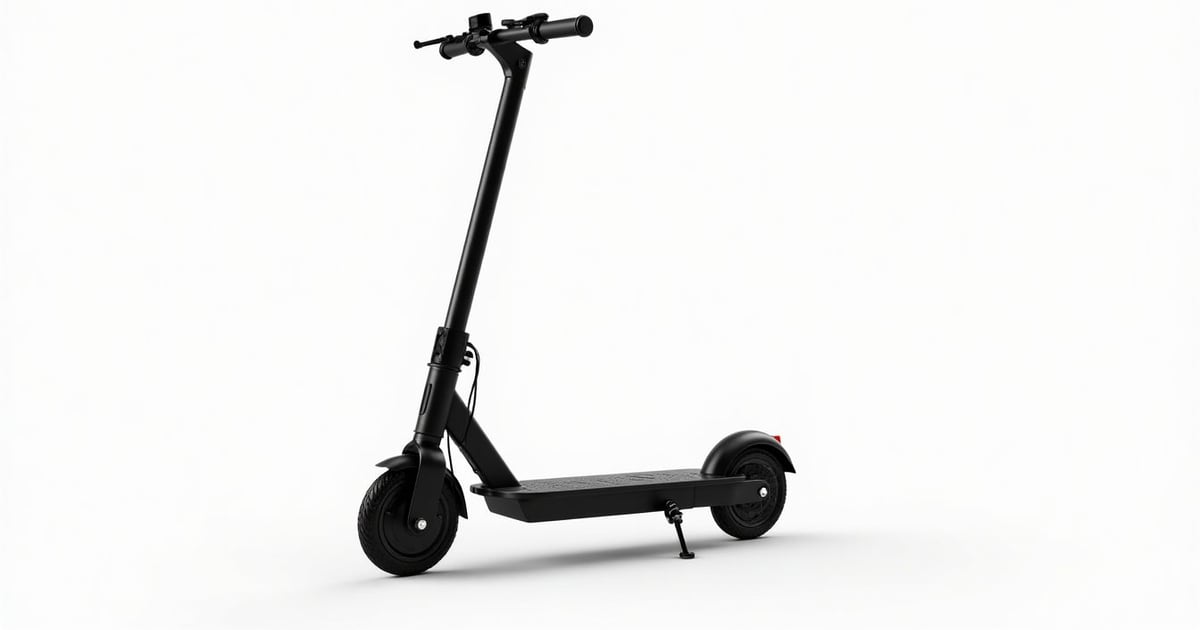
Choosing the first electric scooter for a teenager is always a responsible decision, as the device must be simultaneously safe, reliable, and powerful enough not to become boring after a month. Parents often get lost in the technical specifications, while children choose solely based on design. How do you find a compromise and avoid mistakes? Experts at ComfortShop advise taking a systematic approach to the selection, considering the child's weight, riding style, and typical route terrain. In this article, we will break down the key parameters that will help you understand which electric scooter to buy for a teenager so that it lasts a long time and brings only positive emotions.
? Table of Contents
Motor Power and Speed Limits
The first thing young riders pay attention to is the maximum speed. However, for a teenager's safety, it is important to choose models with a reasonable power balance. For city rides, motors of 250–350 W are ideal, allowing acceleration to 25–30 km/h. This is enough for quick trips to school or meeting friends, but not too dangerous for a beginner.
If the teenager weighs more than 60 kg or plans to ride uphill, consider models with a peak power of up to 500 W. Remember that many modern scooters have speed limit modes — this is a useful feature for the initial learning stage. When choosing an electric scooter for a teenager, always check for the availability of such a mode in the settings.
Battery and Range
The battery capacity determines how far the child can travel without recharging. For daily trips to school and back, a range of 15–25 kilometers is sufficient. However, keep in mind that in cold weather and when riding uphill, the actual range decreases by 20–30%. Therefore, it is better to choose a model with a small reserve.

Lithium-ion batteries are the standard for modern electric scooters. Pay attention to the full charging time — it should not exceed 4–5 hours, otherwise the child risks missing a walk due to long waiting times. As ComfortShop reviewers note, the optimal choice is models with a removable battery that can be charged separately without bringing the entire scooter into the apartment.
Safety and Braking System
The most important criterion for parents is safety. An electric scooter for a schoolchild must be equipped with reliable brakes. There are three main types: disc (mechanical or hydraulic), drum, and electronic (regenerative). For a teenager, the best choice would be a combination of a disc brake on the rear wheel and an electronic one on the front.
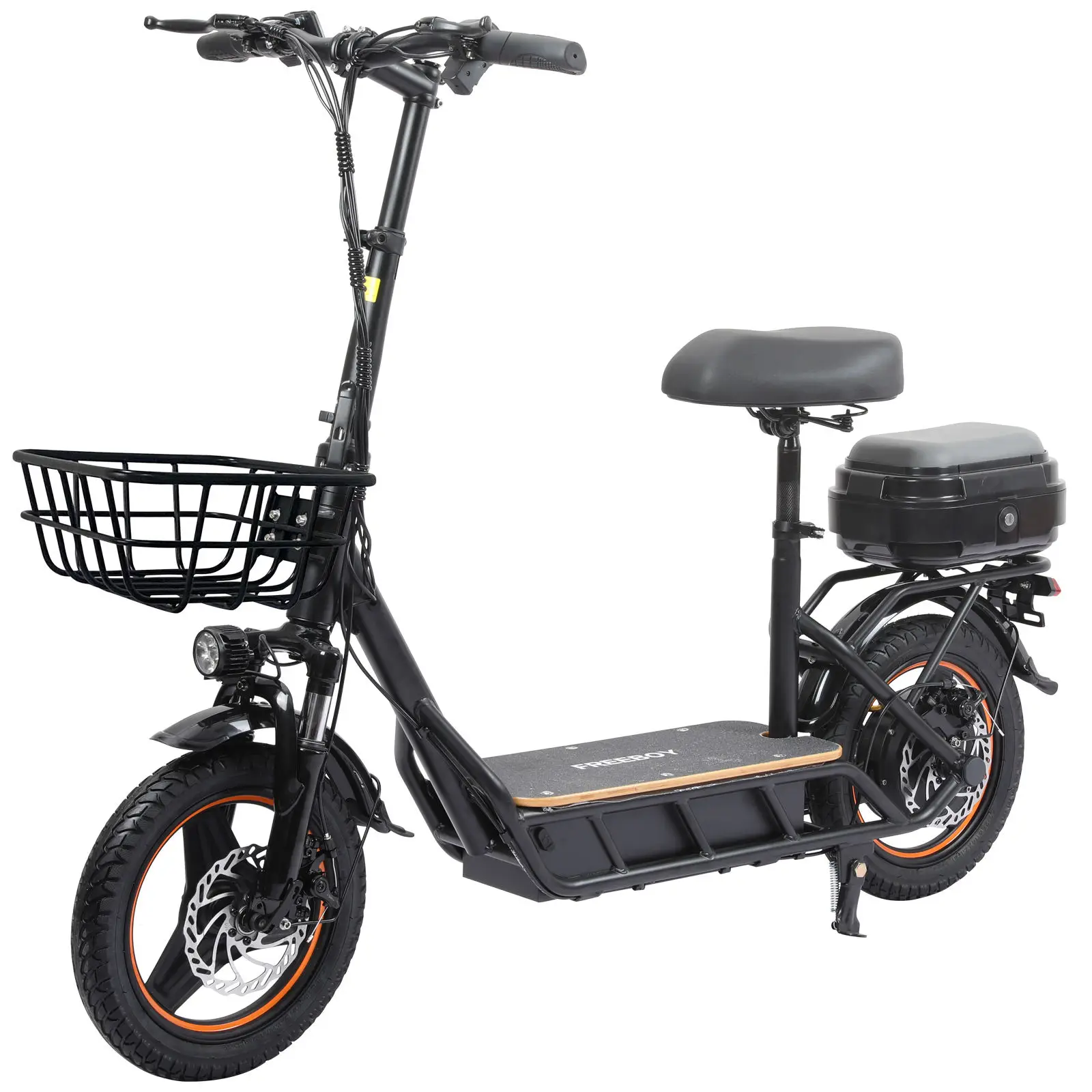
Tires are equally important. Pneumatic wheels (with inner tubes) provide better shock absorption on uneven surfaces, while solid tires are not afraid of punctures but make the ride stiffer. For a teenager who is just learning to maneuver, it is better to choose pneumatic tires — they offer more comfort and control.
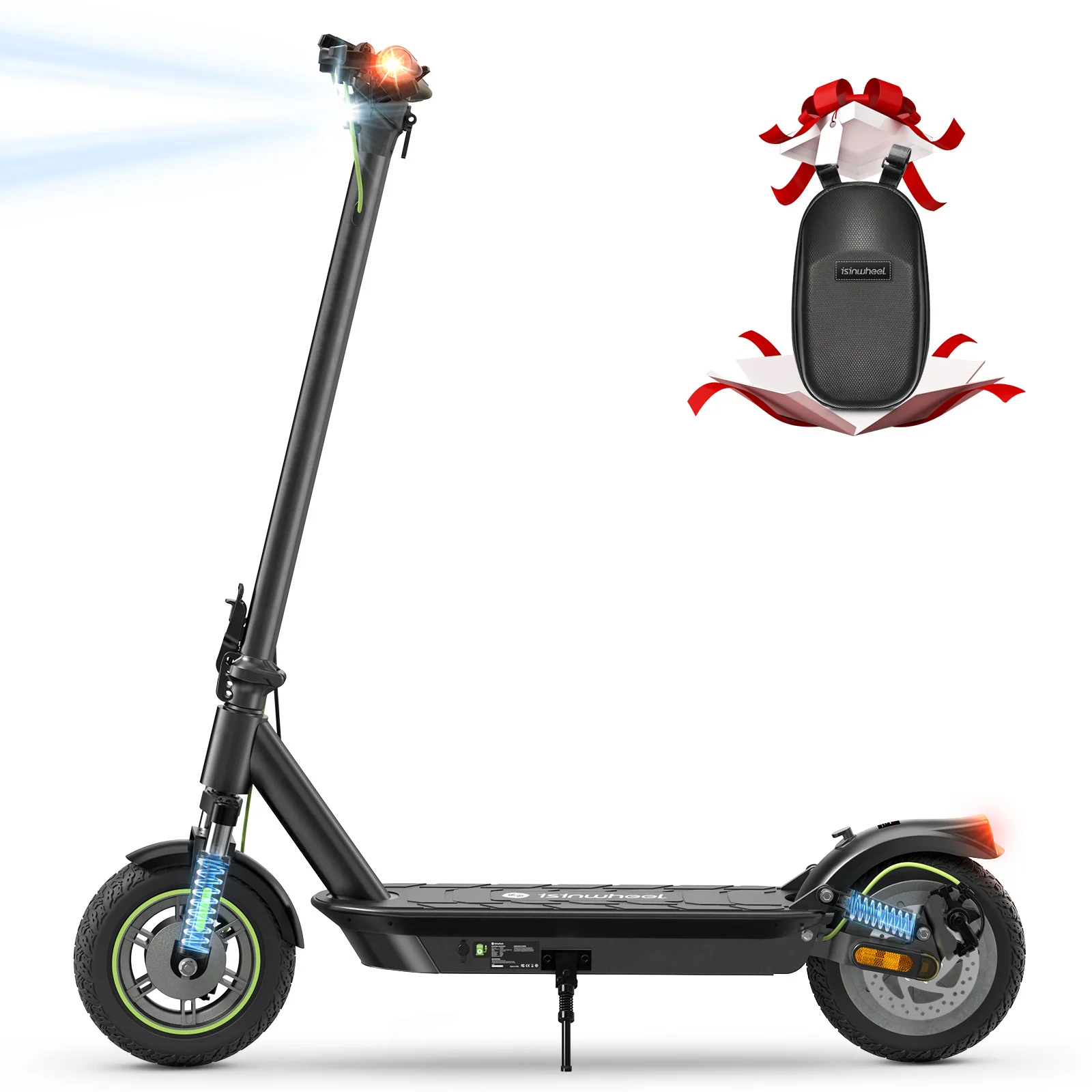
Be sure to check for the presence of a front headlight and a rear reflector. Bright light makes the teenager visible on the road in the dark, which is critically important for safety.
Scooter Weight and Dimensions
The teenager should be able to carry the scooter into the entrance, up stairs, or load it into a car trunk independently. The optimal weight for a child aged 12–16 is 12–16 kg. Heavier models (over 20 kg) may be too cumbersome for daily use.
Pay attention to the folding mechanism. Most modern scooters fold in one motion, which is very convenient. Some models have a telescopic handlebar stem that adjusts to the rider's height — this allows the scooter to "grow" with the child. When choosing the best electric scooters for teenagers, always check the handlebar adjustment range.
Suspension and Riding Comfort
High-quality suspension is the key to ensuring the teenager does not feel discomfort even after a long ride. The most common types of suspension are spring, rubber, and hydraulic. For city roads with cracks and curbs, spring suspension in the front fork is sufficient.
Some models have dual suspension (front and rear), which significantly increases comfort but adds weight. If the child plans to ride not only on asphalt but also on dirt paths, it is worth considering such options. A wide deck also adds stability — choose models with a deck width of at least 15 cm.
Additional Features and Accessories
A modern electric scooter for a teenager can have many useful additions. For example, a display showing speed, battery charge, and distance traveled helps control the ride. Bluetooth connection to a smartphone allows you to lock the scooter and adjust riding modes.
Don't forget about protective gear: a helmet, elbow pads, and knee pads are a mandatory minimum for any teenager. Some manufacturers include a bell or a carrying strap in the kit. Check for a kickstand — it significantly simplifies parking. All these little things make using the scooter more comfortable and safer.
Conclusion:
When choosing an electric scooter for a teenager, it is important to maintain a balance between performance, safety, and convenience. The optimal solution would be a model with a 300–350 W motor, a range of up to 25 km, and a quality braking system. According to the recommendation of the ComfortShop editorial team, it is worth paying attention to models with an adjustable handlebar and pneumatic tires — they are best suited for active use in urban conditions. A properly selected scooter will become not just a toy, but a reliable means of transport for school, walks, and meetings with friends.
Frequently Asked Questions
At what age can you buy an electric scooter for a teenager?
The recommended age for operating an electric scooter is from 14 years old, but it all depends on the child's physical fitness and the scooter model. For younger teenagers, choose models with a limited speed of up to 20 km/h.
What motor power is suitable for a teenager?
For a teenager, the optimal motor power is from 250 to 500 W, which provides a comfortable speed and good acceleration on flat roads. More powerful models (over 500 W) can be dangerous for inexperienced riders.
Does a teenager need a helmet and protection on an electric scooter?
Yes, a helmet is mandatory, and it is also recommended to use knee pads and elbow pads to prevent injuries in case of a fall. The teenager's safety is the top priority, so do not neglect protective gear.
What electric scooter range does a schoolchild need?
For daily trips to school and back, a range of 15-25 km is sufficient, allowing travel without recharging even with small deviations from the route. If the teenager plans long walks, choose models with a range of 30-40 km.