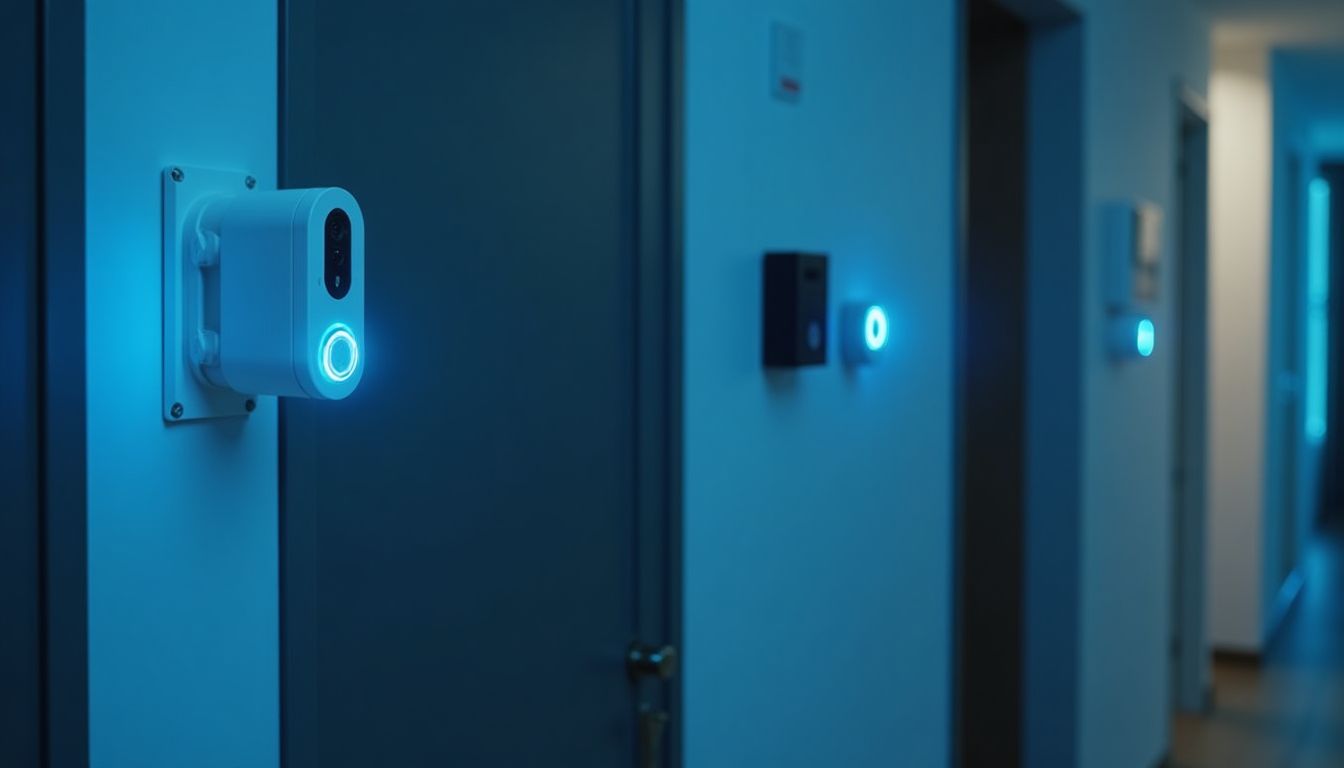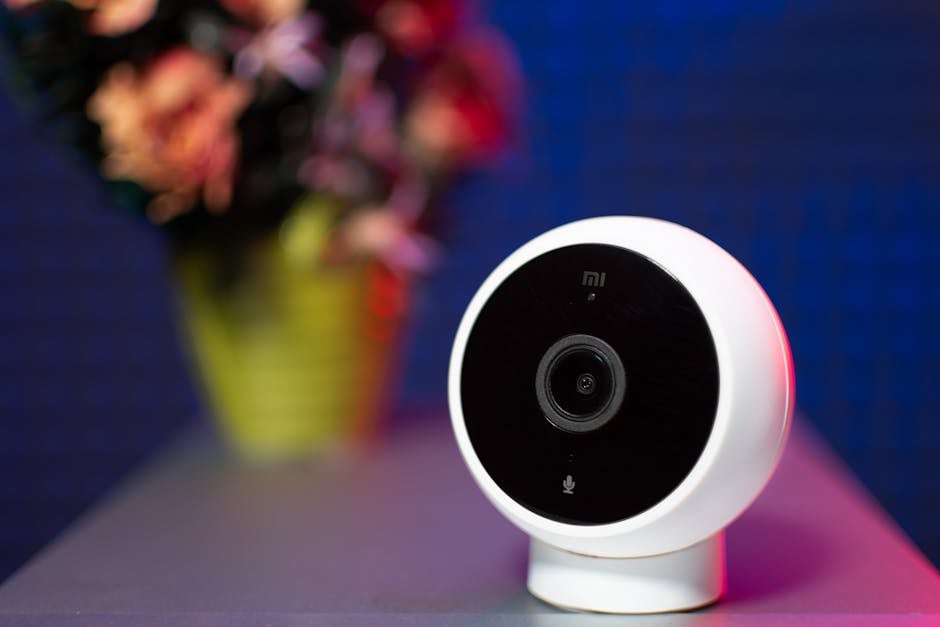
The dacha season is often accompanied by problems with electricity supply or its complete absence on the plot. However, modern technologies make it possible to organize reliable security even under such conditions. A video surveillance camera for a dacha without electricity is not a myth, but a completely accessible solution that operates autonomously thanks to batteries, solar panels, or mobile internet. Specialists at ComfortShop recommend paying special attention to choosing such equipment, as the safety of your property depends on it.
? Article Contents
How video surveillance works at a dacha without electricity
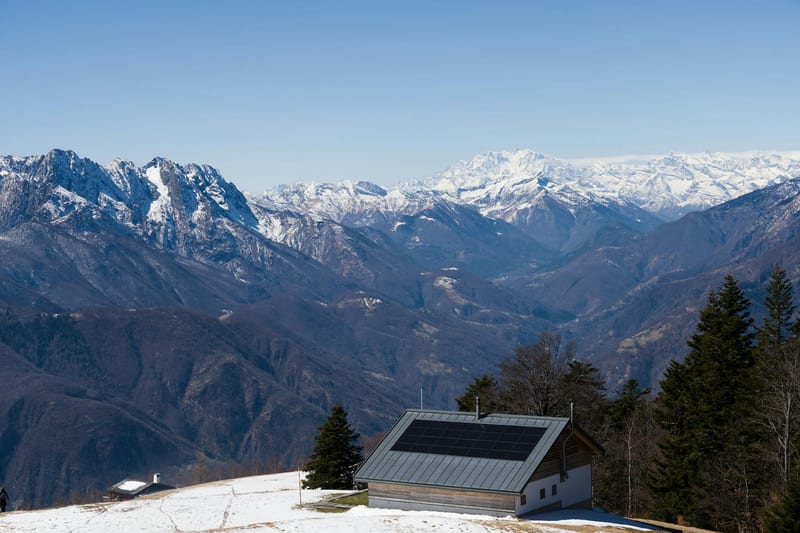
Autonomous video surveillance systems use alternative power sources, such as built-in high-capacity batteries or solar panels. Video surveillance at a dacha without electricity is based on the principle of energy efficiency: the camera activates only when motion is detected, which saves battery life.
Data transmission occurs via Wi-Fi or mobile internet (3G/4G). Video recording is stored on a cloud service or on a microSD card installed in the device itself. This makes a wireless video surveillance camera for the dacha an ideal choice for remote locations.
Most modern models have dust and moisture protection according to the IP65 standard or higher, ensuring stable operation in rain, snow, or heat. Thus, you get round-the-clock control without the need to lay wires.
Main types of autonomous cameras for the dacha
An autonomous camera for the dacha can be of various types, depending on the power source and communication method. The most popular are models with solar panels, which provide complete energy independence. They charge during the day and operate from the battery at night.
Another option is battery-powered cameras for the dacha, which operate on replaceable power elements like AA or 18650 batteries. Such devices are easy to install but require periodic battery replacement. There are also hybrid models that can be connected to an external battery or power bank.
Separately, it is worth mentioning cameras with 4G support: they do not depend on home Wi-Fi and use a SIM card for data transmission. This is the best solution for dachas where there is no stable internet connection.
What to look for when choosing a camera:


- Battery life: from several weeks to several months in standby mode.
- Video quality: Full HD (1080p) or 2K for clear recognition of faces and license plates.
- Field of view: from 90° to 180° to cover the maximum area.
- Night mode: infrared illumination or color night vision.
Advantages of a wireless video surveillance camera for the dacha
The main advantage of a wireless video surveillance camera for the dacha is the ease of installation. You don't need to drill walls, lay cables, or call an electrician. It's enough to mount the device on a wall, pole, or tree and activate it via a mobile app.
Such cameras have built-in motion and sound sensors, allowing you to receive instant notifications on your smartphone. You can monitor the plot in real time, communicate via two-way audio, or even turn on a siren to scare off intruders.
Furthermore, autonomous systems are not afraid of power outages. Even if the electricity goes out on the entire street, your camera will continue to operate and record events.
Disadvantages and limitations of autonomous cameras
Like any technology, a battery-powered camera for the dacha has its limitations. Firstly, in cold weather, batteries discharge faster, so more frequent recharging may be needed in winter. Secondly, recording quality may be lower with a weak mobile internet signal.
It is also worth considering that wireless cameras do not always support 24/7 recording — most of them activate only on motion. This saves energy but may miss some events if the sensor triggers with a delay.
However, for most dacha needs, these disadvantages are not critical. Modern models have highly sensitive sensors and intelligent algorithms that minimize false alarms.
How to choose the ideal camera for a dacha without electricity
When choosing, you should consider the size of the plot, the number of objects requiring monitoring, and the budget. As reviewers at ComfortShop note, the optimal solution for a small dacha is a set of two or three cameras covering the entrance, yard, and garage.

Pay attention to the battery capacity: the larger it is, the less often you will need to charge the device. For solar models, it is important that the panel has a power of at least 5W — this will ensure stable operation even in cloudy weather.
Don't forget about the possibility of expanding the system: some cameras support connecting additional sensors (door opening, smoke, water leakage), which makes your dacha even more secure.
Key criteria for selection:
- Power type: solar panel, built-in battery, or replaceable batteries.
- Data transmission method: Wi-Fi or 4G for remote locations.
- Protection rating: IP65 and above for outdoor use.
- Additional features: night vision, siren, two-way communication.
Conclusion:
A video surveillance camera for a dacha without electricity is a modern and reliable solution that allows you to monitor your plot even in the absence of a centralized power supply. Thanks to solar panels, powerful batteries, and mobile internet, you get full-fledged security without complex installation. Specialists at ComfortShop recommend choosing models with high battery capacity and 4G support for maximum autonomy.
Frequently Asked Questions
How does a video surveillance camera for a dacha without electricity work?
Such cameras are powered by a built-in battery or replaceable batteries and transmit video via Wi-Fi or a 4G modem, allowing them to operate completely autonomously without connecting to a 220V network.
Can I connect a wireless camera for the dacha if there is no internet there?
Yes, for this purpose, models with 4G support (SIM card) are used, which transmit the signal via mobile internet, or cameras with local recording to an SD card for offline viewing.
How long does an autonomous camera for the dacha last on a single charge?
The operating time depends on the model and settings: most battery-powered cameras for the dacha work from 3 to 6 months in standby mode with motion activation.
Is a battery-powered video surveillance camera suitable for winter use at the dacha?
Most modern models have moisture and dust protection (IP65 or higher) and operate at temperatures down to -20°C or -30°C, but in severe frosts, the battery life may be reduced.