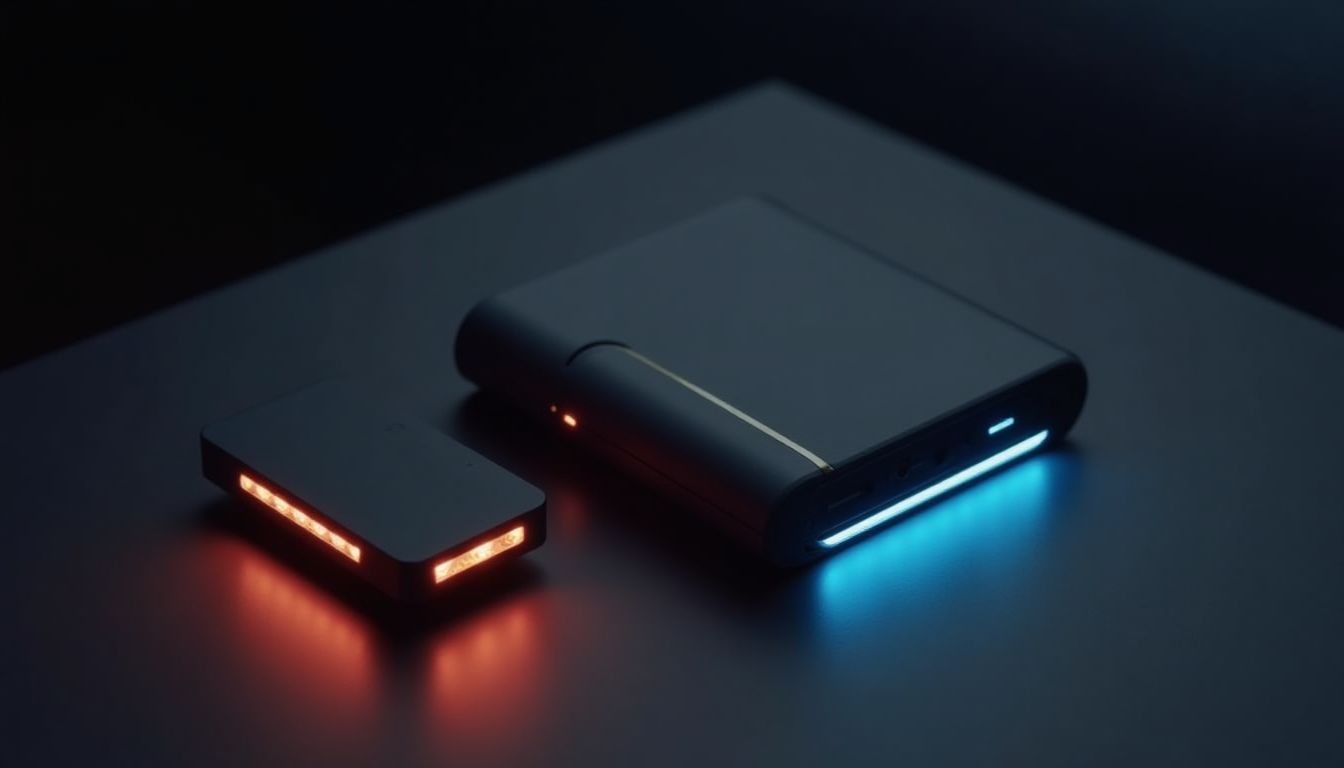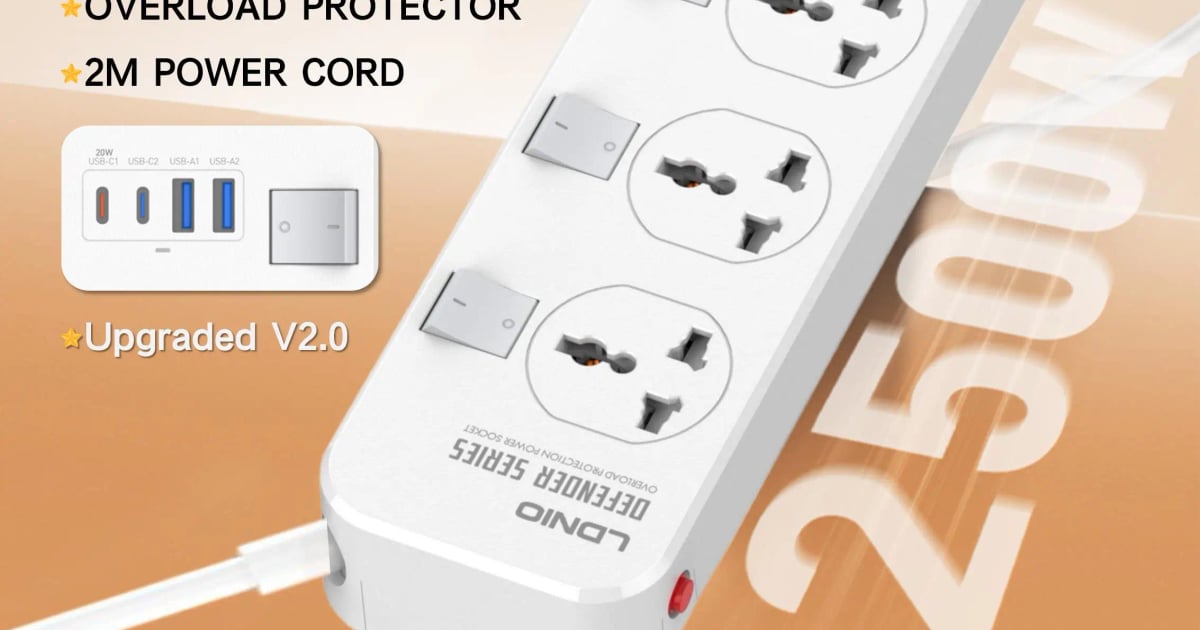
In a modern home, the number of electrical appliances is constantly growing, but the number of stationary outlets often remains unchanged. A familiar extension cord comes to the rescue, but a simple "triple-socket adapter" no longer meets safety requirements for expensive equipment. That is why a surge-protected power strip is becoming increasingly popular, capable not only of increasing the number of connection points but also of saving equipment from voltage surges. According to the recommendation of the ComfortShop editorial team, choosing such a device should be a conscious decision, as the safety of your computer, TV, or refrigerator depends on it.
Article Contents
Why a regular extension cord is not enough
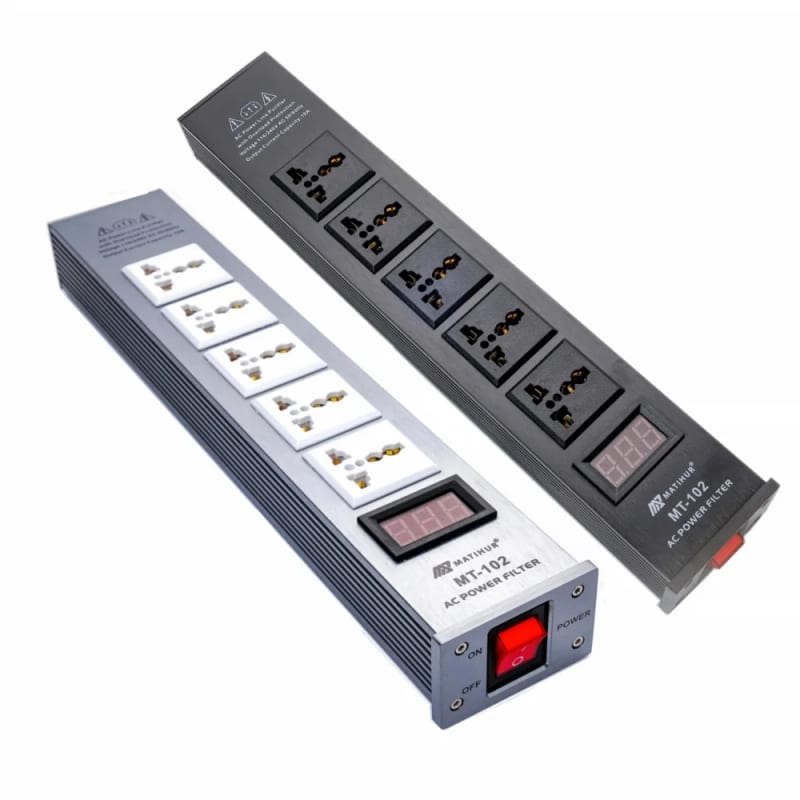
Most household extension cords are merely mechanical splitters: they have no protective components. In the event of a sudden voltage surge, for example during a thunderstorm or due to a line accident, all connected equipment is at risk. Repairing microchips or replacing a power supply often costs more than a quality surge protector.
In addition to impulse noise, there is the problem of prolonged high or low voltage, which imperceptibly "kills" sensitive electronics. A regular extension cord allows all these fluctuations to pass through unhindered. A surge-protected power strip, on the other hand, is equipped with a varistor that instantly absorbs the dangerous impulse, converting it into heat. This component is the key difference to look for in the device's specifications.
Key criteria for choosing a surge-protected power strip
Before buying a device, it is worth paying attention to several technical parameters that determine its effectiveness. It is not enough to simply see the word "filter" on the packaging — you need to understand what it entails.
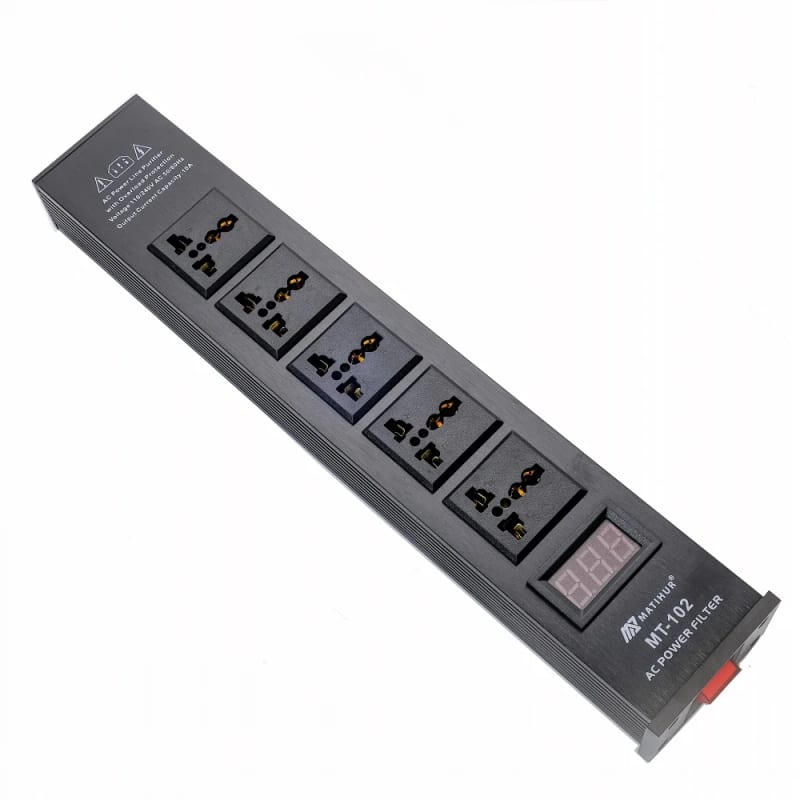
What to look for first:
- Maximum load current: for most home models, this is 10A or 16A. Overloading can lead to melting of the housing and fire.
- Energy absorption (dissipation): measured in joules (J). The higher the rating, the more powerful a surge the varistor can withstand. For computer equipment, the minimum threshold is 150-250 J.
- Response time: a quality filter reacts in nanoseconds, preventing the destructive impulse from reaching the equipment.
- Presence of a thermal fuse: a resettable fuse automatically cuts off power in case of overheating, protecting against fire.
ComfortShop experts advise choosing models with LED indication of protection status. If the light goes out, the varistor has exhausted its lifespan, and the device has become a regular extension cord. In this case, the filter needs to be replaced, as it no longer guarantees safety.
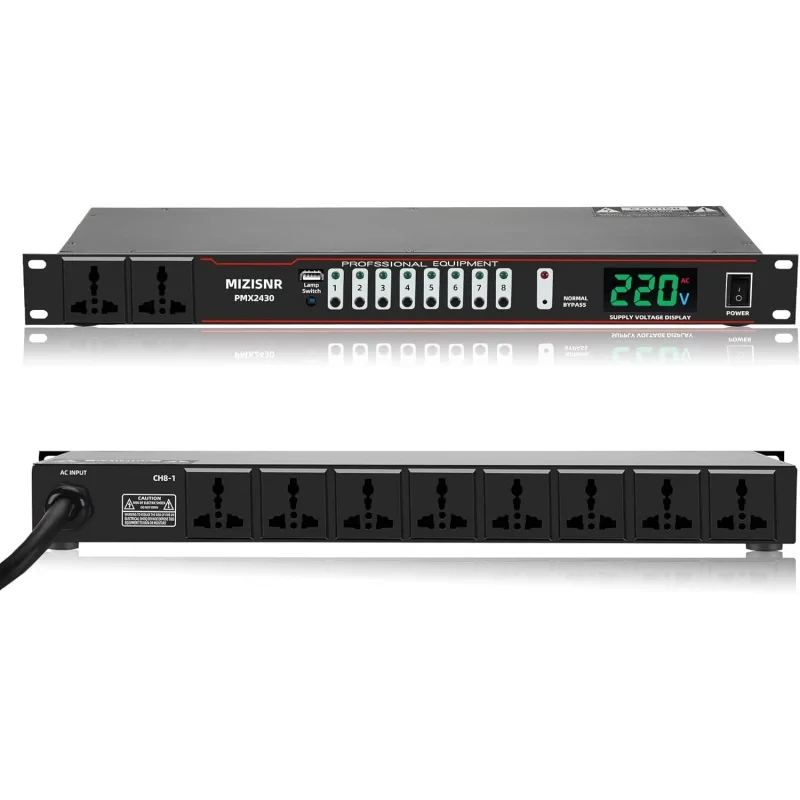
Surge protector rating: key brands
The market offers hundreds of models, but trust is earned by proven manufacturers. The surge protector rating consistently includes brands specializing in electrical engineering and power protection.
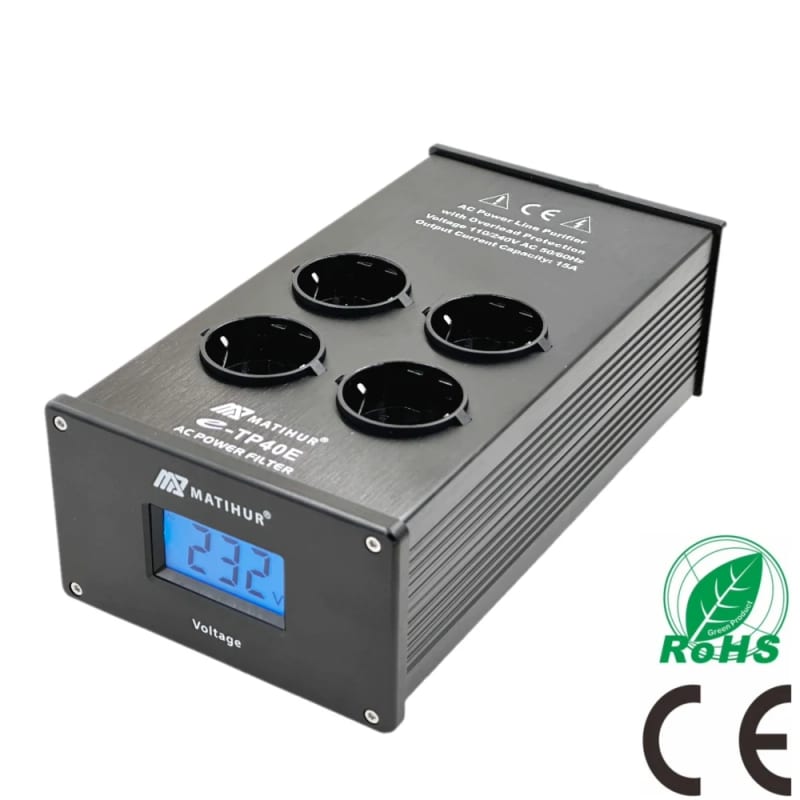
APC (Schneider Electric) traditionally holds a leading position due to high energy absorption and reliable thermal fuses. Their models are often used for server equipment, but the lineup also includes excellent solutions for the home. No less popular are Defender filters, which stand out for their stylish design, USB ports for charging gadgets, and a good price-to-features ratio.
The budget segment is represented by brands like Sven and Gembird. They offer basic protection against impulse noise, sufficient for inexpensive office equipment or kitchen appliances. The main thing is to ensure that the stated energy absorption matches the claim and that the housing is made of non-flammable plastic.
Which surge-protected extension cord is better for home
The choice of a surge-protected extension cord depends on the specific usage scenario. There is no point in overpaying for a professional model if you only plan to plug in a desk lamp, but it is also not worth skimping on protection for a home theater system.
Recommendations for selection depending on the room:
- Living room (TV, console, audio system): a filter with a dissipation energy of at least 300 J and protection for the coaxial line or antenna input is needed. This will protect the equipment from induced currents during thunderstorms.
- Home office (PC, monitor, printer): priority is protection for the local network (RJ-45 ports) so that a voltage surge does not "blow through" the network card via the internet cable.
- Kitchen (small appliances): basic protection is sufficient, but it must have an automatic 16A fuse, as a kettle or microwave creates a high load.
As ComfortShop reviewers note, the best extension cord for home is not necessarily the most expensive, but one that has sufficient cable length, wall mounting capability, and a convenient socket layout. Rotating blocks or spacing between sockets allow you to connect bulky power supplies without blocking adjacent slots.
Additional features and safety
A modern surge protector (review) of functionality shows that manufacturers are adding more and more "smart" options. USB ports with support for fast charging (Quick Charge, Power Delivery) allow you to do without separate adapters for smartphones. This is convenient near the bed or on the desk.
An important aspect is child safety. High-quality models are equipped with protective shutters on the sockets, which open only when both plug contacts are pressed simultaneously. This eliminates the risk of electric shock if a child tries to insert a nail or knitting needle into the hole. Also, pay attention to the housing material: it should be impact-resistant and self-extinguishing (marked UL94 V-0).
Conclusion:
Choosing a surge-protected power strip is an investment in the longevity of your equipment and the fire safety of your home. You should not skimp on a device on which the viability of expensive equipment depends. ComfortShop experts advise choosing models with an energy absorption of at least 150 J, mandatory varistor operation indication, and a copper cable with a cross-section matching the stated load, to be confident in the stable operation of all your home devices.
Frequently Asked Questions
How is a surge-protected power strip different from a regular one?
A regular extension cord only extends the cable, while a surge protector has built-in protection against overvoltage and voltage surges, which protects connected equipment from failure.
Which extension cord is best to choose for home?
For home, choose a model with overvoltage protection, a power rating of at least 2200 W, and a number of sockets that meets your needs, paying attention to the surge protector rating from well-known brands.
Does a surge-protected extension cord protect all equipment?
Yes, it protects connected devices from short-term voltage surges, but for full protection against powerful lightning strikes, it is recommended to additionally use uninterruptible power supplies.
What should I look for when choosing a surge-protected power strip?
Check for a safety certificate, maximum load current, presence of a power switch and protection indicator, as well as the cable length, so that the surge-protected extension cord matches your operating conditions.