The idea of charging an electric vehicle from a portable power bank sounds like something out of a science fiction story. Imagine a situation: you are far from regular charging stations, and your battery charge is at zero. Could an ordinary, yet powerful, battery become a lifesaver? Reality, as always, is more complex than dreams, but the latest technological advancements are making the impossible possible. In this article, we will explore whether it is actually feasible to charge an electric car from a power bank, what technical challenges stand in the way, and which devices are already bringing us closer to this dream. We will also look at practical usage scenarios and alternatives that can save you on the road.
? Table of Contents
Technical Challenges: Why a Regular Power Bank Won't Work
Charging an electric vehicle involves transferring a massive amount of energy. The capacity of modern car batteries is measured in tens of kilowatt-hours (kWh). For example, replenishing the range by even 50 km might require about 8-10 kWh of energy.
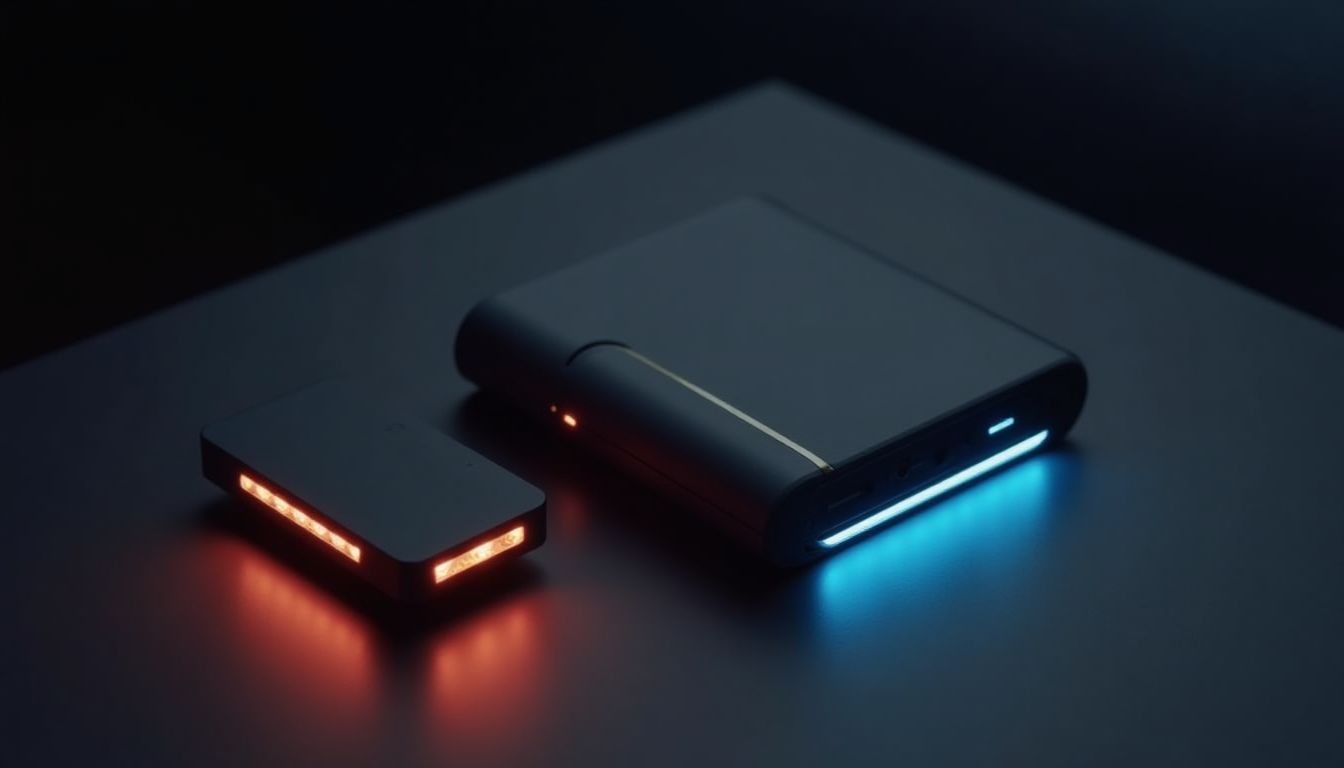
Regular power banks for smartphones or laptops have a capacity ranging from 0.02 to 0.5 kWh. Their energy would be enough only to power onboard electronics or charge a 12V battery, but there is no question of moving the vehicle or significantly replenishing the main battery. The main problem is physical limitations: transmitting such power requires appropriate cables, connectors, and a charging current management system.
Besides capacity, output power and voltage are critically important parameters. Most electric vehicles use alternating current (AC) at 230V for slow charging. Therefore, a power bank must not only store energy but also have a built-in inverter capable of delivering a stable 230V with sufficient power to "communicate" with the car's charging port (typically from 2.3 kW).
Portable Power Stations: Bridging the Gap Between Dream and Reality
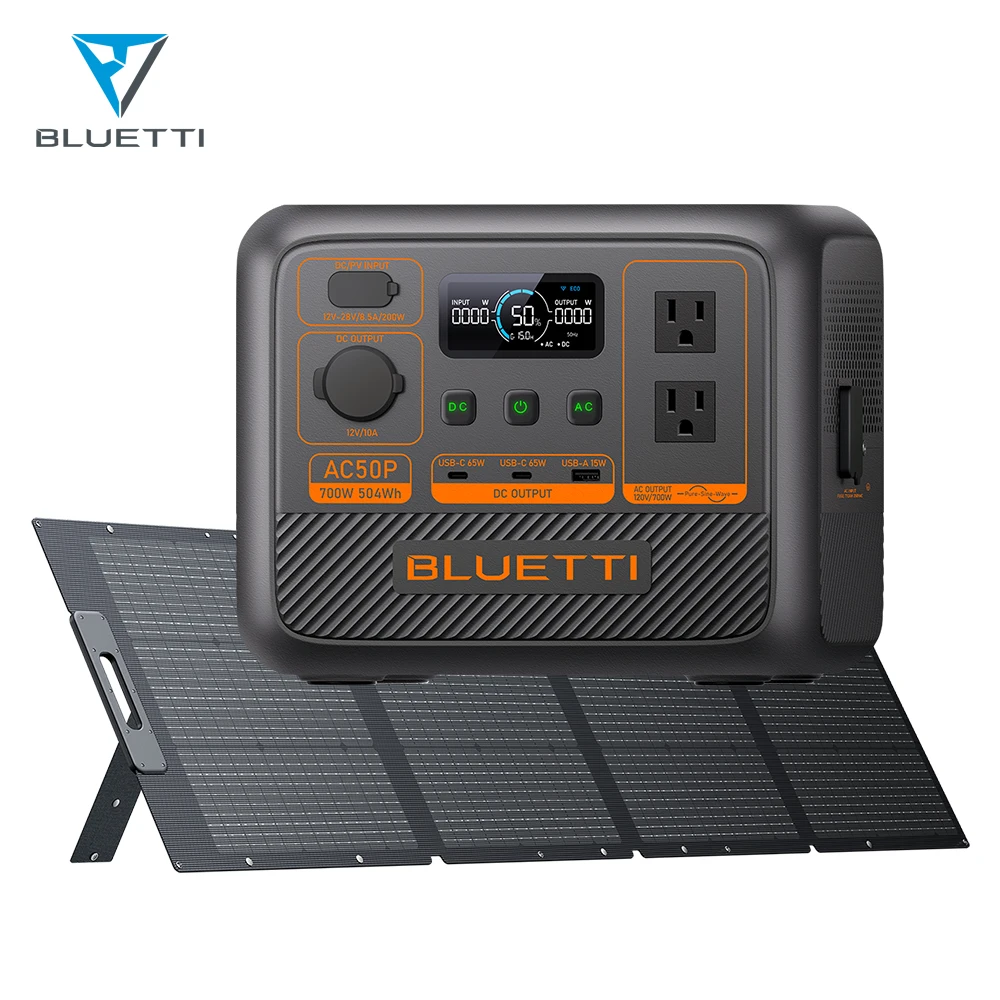
This is where portable power stations, not power banks, enter the scene. These are serious devices with significantly larger capacity batteries (from 0.5 to 3+ kWh), powerful inverters (500W – 2kW and more), and a full set of connectors. It is these stations that can become the very "power bank for an electric vehicle" in emergency situations.
How does it work in practice?
You connect the portable power station to the electric vehicle using a standard Mode 2 charging cable (the so-called "mobile charger"), which usually comes with the car. The station mimics a regular household outlet, and the car begins charging. A power output of 1-2 kW is not enough for fast charging, but it is sufficient for a life-saving top-up.
It is important to understand that such charging is not intended for daily use. Its purpose is for emergency situations. For example, you run out of charge a few kilometers from your work or home charger, or you need to reach the nearest fast-charging station. By charging the battery by 5-10%, you gain a range of 10-20 km, which is often enough to solve the problem.
Mini All in One Portable Generator: A Versatile Assistant
Devices like the Mini All in One Portable AC/DC Generator Solar/Wall/Car Charging Power Station are a perfect example of technology making portable EV charging a reality. This is not just a battery, but a compact energy station with wide capabilities. Its key advantages for an electric vehicle owner are:
- High Output Power: The presence of a powerful inverter with a 230V/50Hz outlet allows you to connect the vehicle's standard mobile charger.
- Versatile Charging: The station itself can be charged from solar panels, a household outlet, or a cigarette lighter in another car. This makes it an independent energy source that can be replenished even in field conditions.
- Portability: Despite their significant capacity, such stations remain relatively compact and transportable; they can be carried in the trunk.
Using such a device expands your horizons. You can leave it charging in the sun near a cottage and then use the stored "green" energy to top up your car. This is true mobile energy freedom.
Practical Scenarios and Limitations
To assess the usefulness of portable charging for an electric vehicle, it is worth clearly outlining the situations where it will be helpful and the points to pay attention to.
When a portable power station is indispensable:
- Emergency top-up in a "dead" zone: When the nearest charger is farther than your discharged car can travel.
- Traveling to remote areas: Trips to the mountains, remote lakes, or places with poor infrastructure.
- Backup power source: The station can power your home during a blackout and then, if needed, "boost" the electric vehicle as well.
However, there are also limitations. Charging time from a portable station will be very slow compared to even slow AC stations. It is also important to consider the weight and dimensions of the device: a station with a capacity of 1 kWh weighs 10-15 kg. Most importantly, always check compatibility. The inverter power of the power station must exceed the power consumption of your car's mobile charger (usually 1.4 kW, 2.3 kW, or 3.6 kW).
Alternatives and the Future of Technology
While portable power stations are the most practical solution, technology is not standing still. Other concepts are already emerging on the horizon. For example, specialized towable trailers with large-capacity batteries are being developed for long trips. Work is also underway to improve fast-charging technology for compact devices.
Today, the smartest alternative for traveling outside the city remains careful route planning using charging station maps. But having a portable power station in the trunk, like the Mini All in One, provides something more than just a few kilowatt-hours of energy. It provides peace of mind and confidence. It is insurance against the most unexpected circumstances, one that can literally "pull" you to a safe point.
It is safe to say that charging an electric vehicle from a "power bank" has ceased to be science fiction. It has become a niche technology available here and now. And this niche is developing rapidly, meeting the needs of a growing audience of EV drivers.

Conclusion:
Charging an electric vehicle from a regular power bank is impossible due to the colossal difference in energy requirements. However, modern portable power stations, such as the Mini All in One Portable Generator, effectively fulfill this role by providing 230V power for emergency top-ups. This is an ideal tool for emergency situations, nature trips, or as a universal backup power source. Investing in such a device is an investment in your mobility and independence on the road.