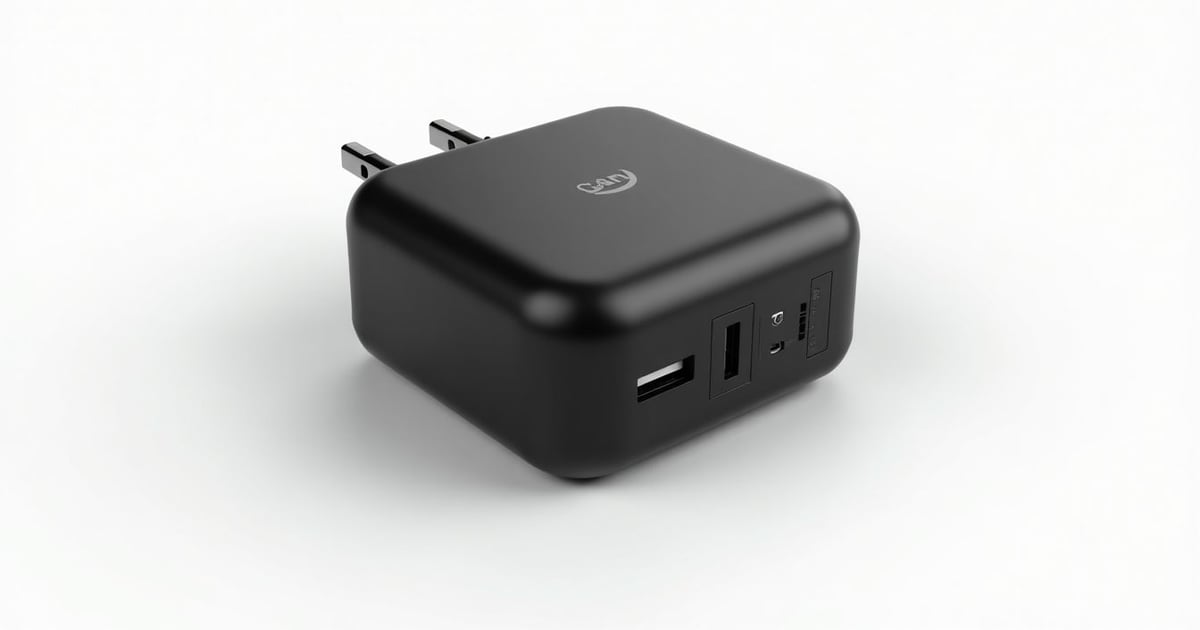
The modern market for portable electronics is developing rapidly, and along with it, the requirements for accessories are changing. If you've noticed that regular chargers have become bulky and slow compared to new smartphones and laptops, it might be time to look into gallium nitride technology. As recommended by the ComfortShop editorial team, it's worth understanding how GaN chargers differ from classic silicon counterparts and whether they are truly worth their price.
Article Contents
What is a GaN Charger: The Foundation of the Technology
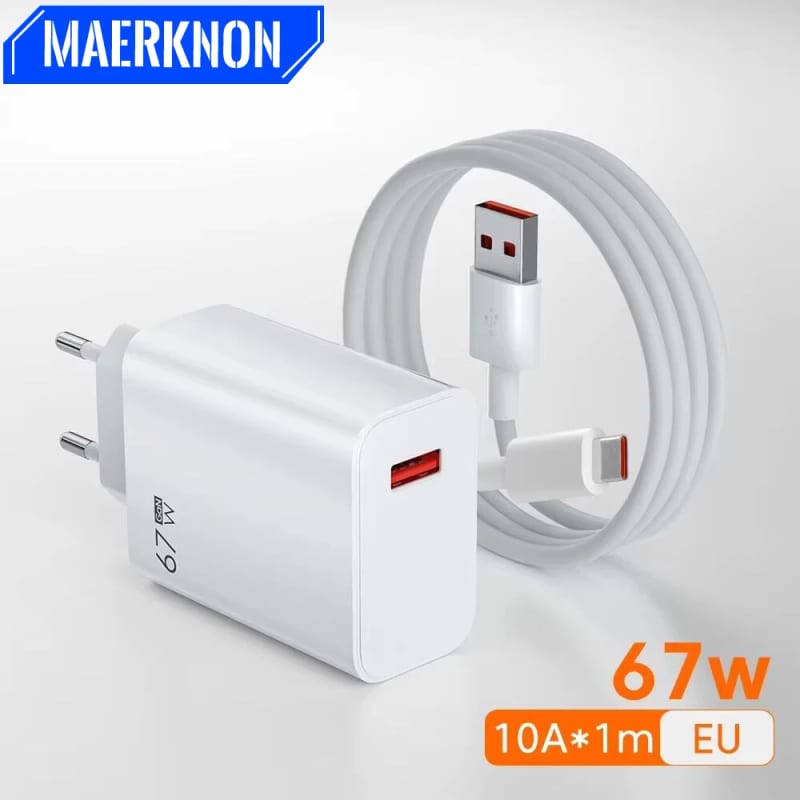
Gallium nitride (GaN) is a semiconductor material that is gradually replacing traditional silicon in the production of power components. In the context of chargers, it allows for the creation of more compact and efficient power adapters.
The key is that GaN transistors can operate at significantly higher frequencies than silicon ones. This means that fewer physical components—transformers, capacitors, and heat sinks—are needed to transmit the same amount of power. This is why a GaN charger review often highlights its miniature size despite high output power.
For the average user, this looks like a small cube that easily fits in a pocket but is capable of charging a laptop, tablet, and smartphone simultaneously. Such efficiency became possible only thanks to the physical properties of gallium nitride.
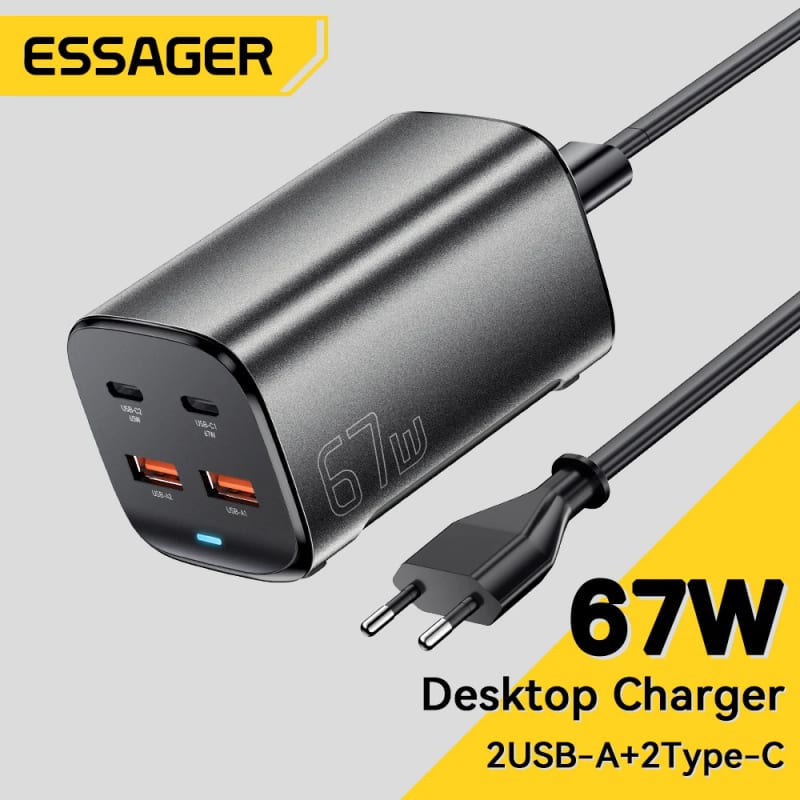
How GaN differs from silicon in practice.
The main difference is heat dissipation. Silicon chargers get very hot under heavy loads, forcing manufacturers to enlarge the casing for heat dissipation. GaN components have higher efficiency (up to 95%), so less energy is wasted on heating, meaning the device stays cooler and more compact.
Advantages of GaN Chargers Over Conventional Ones
To understand whether it's worth buying a GaN charger, it's helpful to compare it with a traditional power adapter. The advantages of GaN chargers are significant and impact daily comfort.
- Compactness. A GaN charger is often 2-3 times smaller than a silicon counterpart of the same power. For example, a 65-watt adapter can be the size of a regular smartphone charger.
- High Power. The technology allows for 100 W or more from a small casing, which is ideal for modern laptops.
- Less Heating. Thanks to higher efficiency, GaN devices heat up less, extending their lifespan.
- Versatility. Most models support multiple ports (USB-C, USB-A) and fast charging protocols (PD, QC).
A comparison of GaN vs conventional charger shows that at the same power, a GaN adapter takes up half the space in an outlet or bag. This is critical for travelers and people who work outside the office.
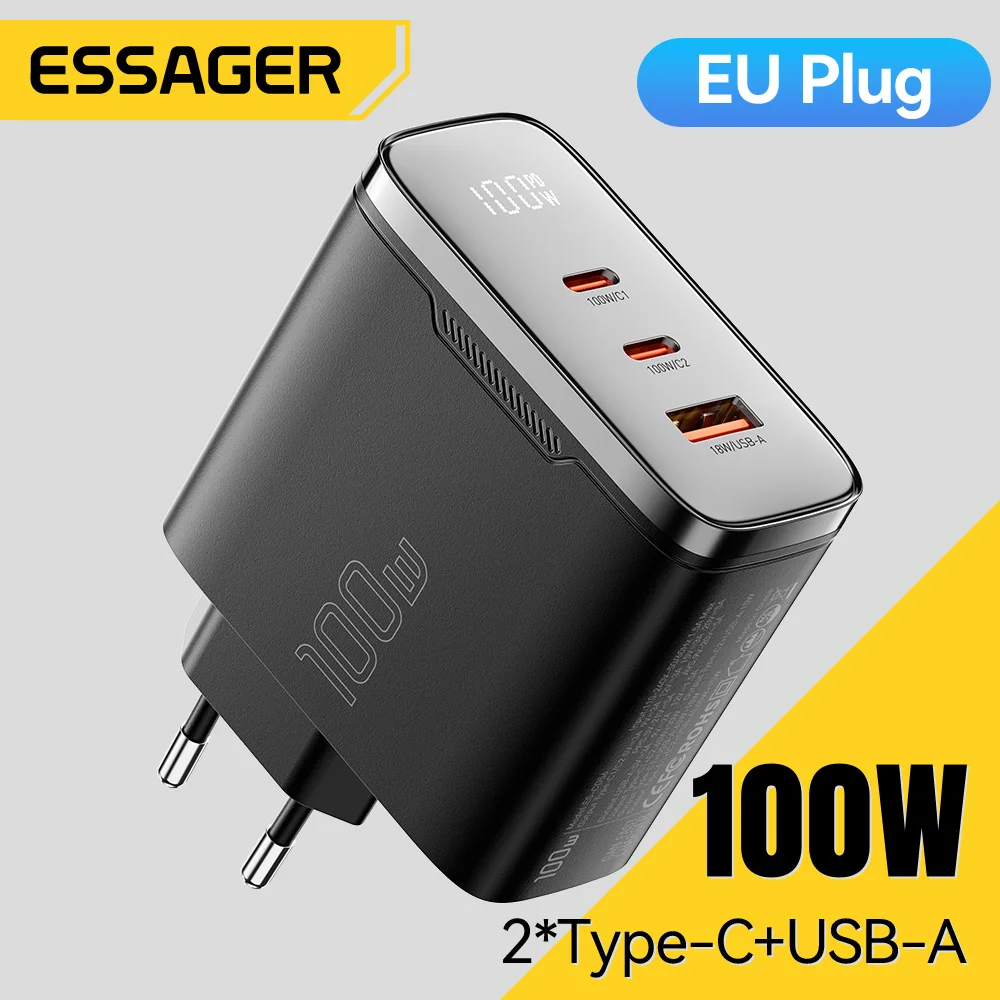
GaN vs Conventional Charger: Key Differences
Beyond size, there are other technical nuances that influence the choice. GaN vs conventional charger is not just a battle of dimensions, but also a matter of safety and durability.
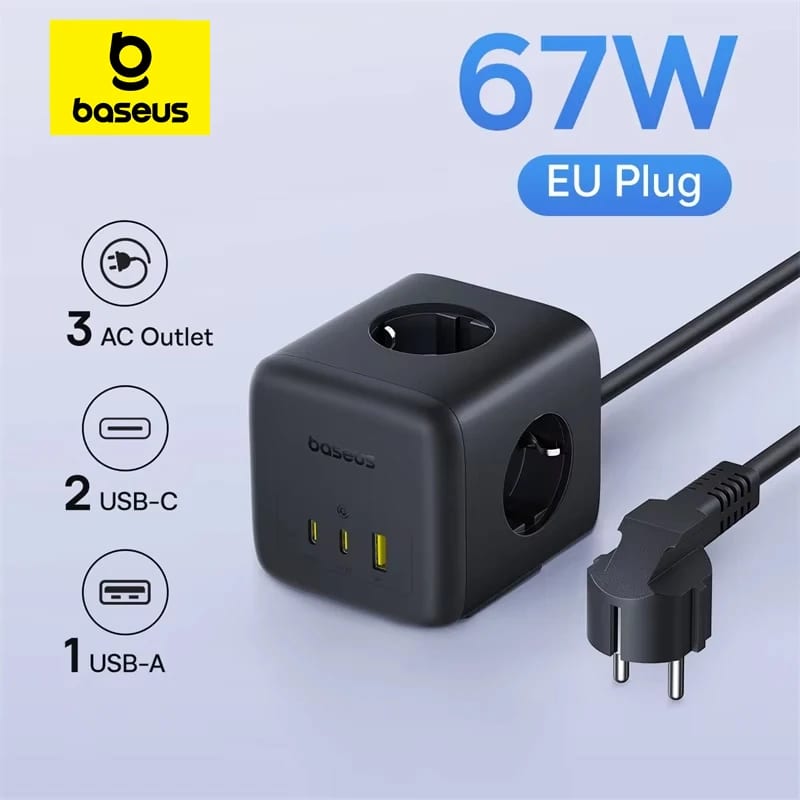
Conventional silicon adapters often use older controllers that don't always correctly negotiate voltage with modern devices. GaN chargers are equipped with intelligent chips that automatically determine the required power profile for the connected gadget. This reduces the risk of battery overheating.
Furthermore, GaN technology allows for multi-port charging without a drop in power. For example, you can simultaneously charge a MacBook Pro (60 W) and a smartphone (20 W) from one compact adapter. A silicon counterpart for this scenario would be significantly larger and heavier.
Are there any disadvantages to GaN chargers?
The main drawback remains the price. GaN devices are more expensive than silicon ones, especially from top brands. It's also worth considering that cheap no-name models may use low-quality components, negating the technology's advantages. Therefore, ComfortShop experts advise choosing trusted brands that guarantee stable operation.
Modern GaN Gadgets: Which Devices Benefit the Most
Not all gadgets equally require powerful charging. Modern GaN gadgets, such as laptops with USB-C, gaming consoles (Nintendo Switch), tablets, and flagship smartphones, benefit the most from this technology.
For example, charging a MacBook Air or Dell XPS via a 65-100 W GaN adapter takes the same amount of time as with the original adapter, but the adapter itself is much smaller. For smartphones supporting fast charging at 30-45 W, a GaN charger becomes an ideal travel companion.
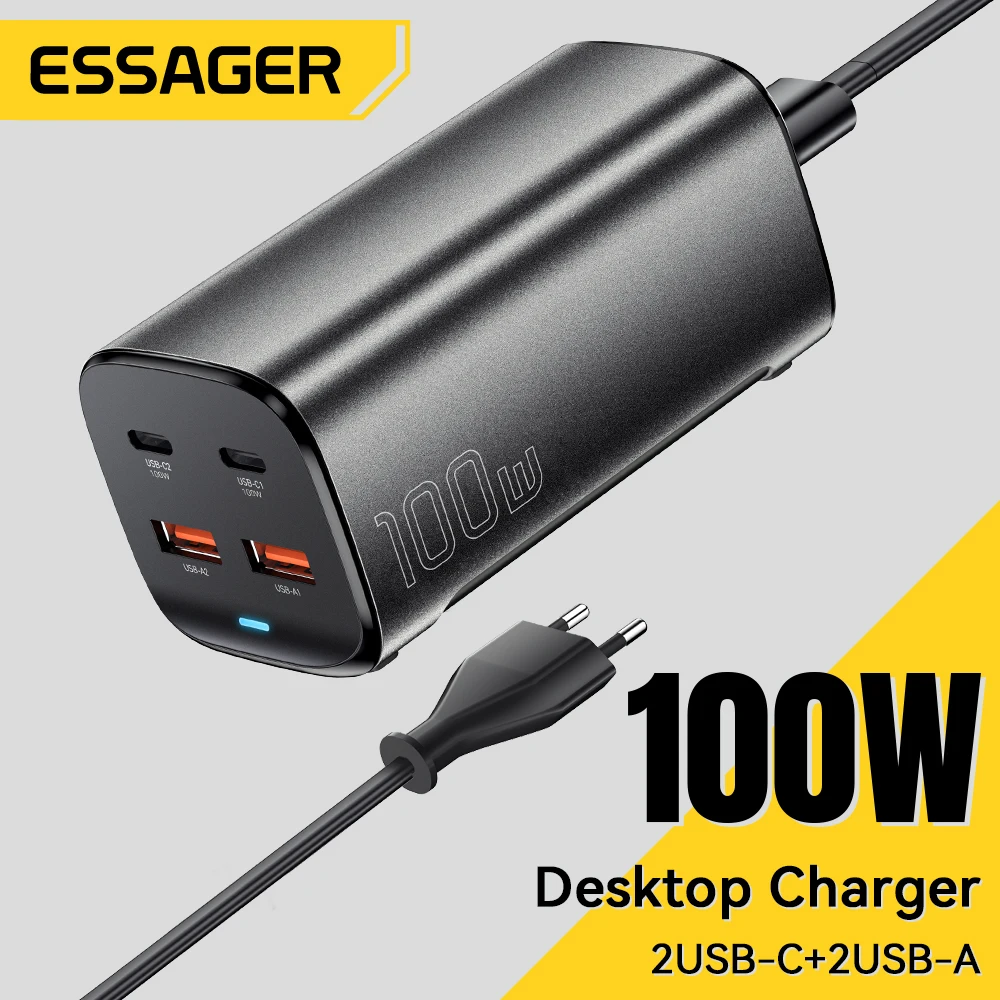
It's worth noting that even for older devices, a GaN adapter is safe—it will simply deliver the power that the gadget supports. This makes it a universal solution for a whole family of electronics.
Best GaN Charger: What to Look for When Choosing
If you decide to purchase such a device, it's important to know the selection criteria. The best GaN charger should meet several parameters.
- Power. 30-45 W is sufficient for a smartphone, 65-100 W for a laptop. If you plan to charge multiple devices simultaneously, choose a model with a power reserve.
- Number of Ports. Ideally, 2-3 USB-C ports and one USB-A. This allows you to connect both modern and older gadgets.
- Protocol Support. The presence of Power Delivery (PD) and Quick Charge (QC) is mandatory for compatibility with most devices.
- Brand and Safety. Choose models from well-known manufacturers with protection against overheating, short circuits, and overvoltage.
Among the popular options on the market, you can find models from Anker, Baseus, Ugreen, and others. Each offers different configurations, so it's worth comparing features based on your needs.
Conclusion:
A GaN charger is not a temporary trend, but a logical stage in the evolution of portable power. If you value compactness, speed, and safety, then gallium nitride technology will be a worthwhile investment. It is especially justified for owners of powerful laptops and fans of minimalism while traveling. ComfortShop reviewers recommend starting with a 65 W model—it's the sweet spot in terms of price and functionality, covering most modern needs.
Frequently Asked Questions
What is the difference between GaN and a conventional charger?
GaN chargers use gallium nitride instead of silicon, allowing them to be significantly smaller and lighter at the same or higher power, and they also heat up less during operation.
Is it worth buying a GaN charger for modern gadgets?
Yes, if you have a laptop, tablet, or smartphone that supports fast charging via USB-C—a GaN device will provide compactness and convenience, replacing several bulky power adapters.
Which is the best GaN charger to choose?
The best choice depends on your needs: for travel, choose 65 W models with two USB-C ports; for home, choose 100 W or more to charge a laptop and phone simultaneously.
Are GaN chargers safe for a phone battery?
Yes, they are completely safe because they use intelligent charging protocols (e.g., Power Delivery) that automatically regulate voltage and current according to your device's requirements.