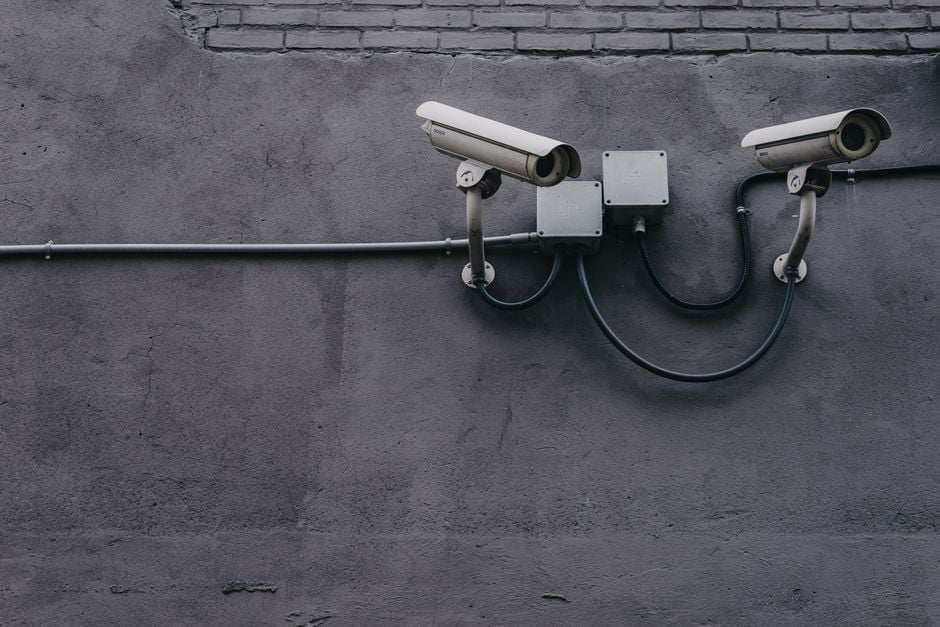
Modern video surveillance for a private house is increasingly built around wired infrastructure, which guarantees signal stability and uninterrupted power. PoE cameras for the home are becoming the optimal choice for those who are tired of Wi-Fi interruptions, regular battery replacements, and loss of connection at the most critical moment. According to the recommendation of the ComfortShop editorial team, it is Power over Ethernet technology that allows data and electricity to be transmitted over a single cable, which significantly simplifies installation and increases the reliability of the entire system. This approach is especially relevant for large private territories, where the wireless signal is unstable and access to power outlets is limited.
Article contents
What PoE cameras are and how they work
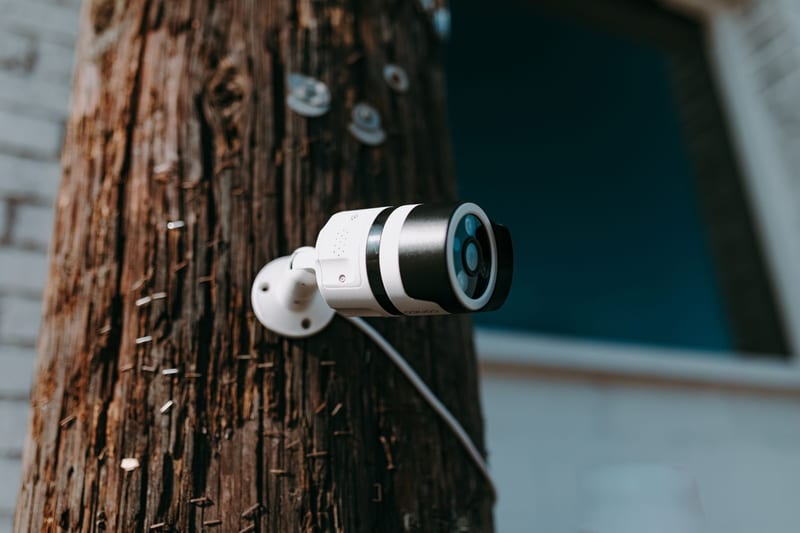
PoE cameras are networked video surveillance devices that receive electrical power through the same Ethernet cable used to transmit the video stream. This eliminates the need to lay separate power lines to each surveillance point, which significantly reduces installation costs and decreases the number of potential failure points. The PoE standard supports power transmission of up to 90 W over a distance of up to 100 meters, which is more than enough for most outdoor models with heating, IR illumination, and motorized lenses.
Wired surveillance cameras with PoE power compare favorably with wireless analogues due to their complete independence from radio signal quality. They form a closed physical data transmission channel that cannot be jammed by ordinary household means or accidental interference from neighboring routers. This is critically important for security systems, because intruders often use Wi-Fi jammers to disable wireless cameras before entering a territory.
It is also worth noting that IP cameras without Wi-Fi do not create additional load on the home wireless network. All video traffic is transmitted through a switch or video recorder over cable, which has a positive effect on the overall performance of the router and internet speed for other devices in the house.
Advantages of outdoor PoE cameras over wireless solutions
Outdoor PoE cameras provide a stable video stream without delays and frame drops, which are characteristic of wireless systems in bad weather or at a significant distance from the router. After analyzing open sources, the ComfortShop editorial team notes that connection stability is the main argument in favor of wired video surveillance among users who have already had negative experience with Wi-Fi cameras. Rain, snow, metal structures, thick walls — none of these factors affects the quality of data transmission over an Ethernet cable.
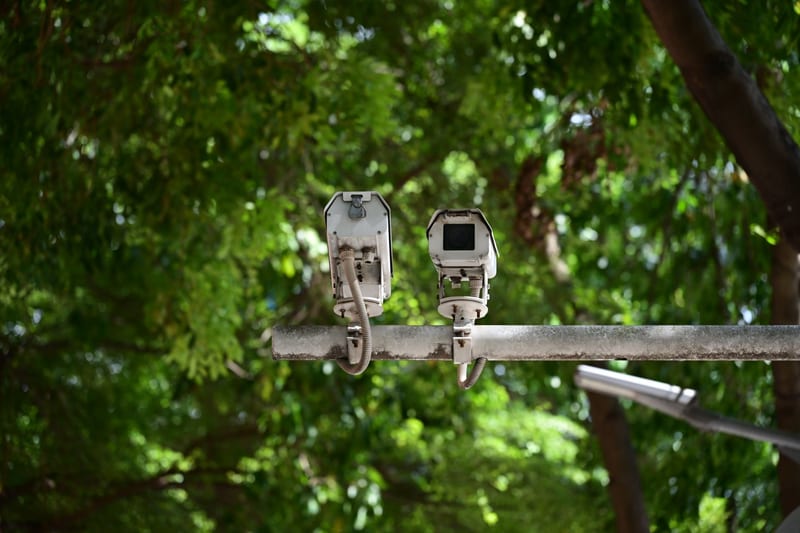
PoE video surveillance without batteries frees the homeowner from constant concern about battery charge levels. Unlike standalone wireless cameras that require recharging every few weeks or months, wired models operate continuously for years. This is especially important for cameras installed at height or in hard-to-reach places, where replacing batteries becomes a real problem, especially in winter.
Another significant advantage is the ability to record video continuously rather than only upon motion detection. Wireless battery-powered cameras usually activate only for short periods to save charge, which means important events can be missed. Wired PoE cameras record continuously, which allows you to get a complete picture of what is happening on the territory and review any moment in the recording.
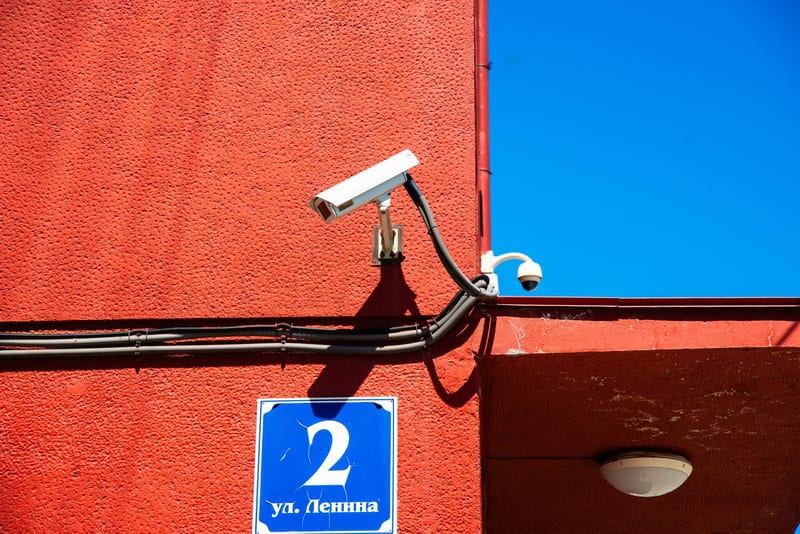
Stability that no Wi-Fi can provide.
Criteria for choosing outdoor PoE IP cameras for a private house
When choosing outdoor PoE IP cameras, first of all you should pay attention to the sensor resolution and the quality of the optics. For a private house, the optimal minimum today is 4 MP (2560×1440), which allows you to distinguish faces and license plates at a distance of up to 10–15 meters. Models with 8 MP (4K) resolution provide even greater detail, but require more hard drive space and a more powerful video recorder to process the stream.
The housing protection class is another key parameter for outdoor PoE cameras. The minimum recommended standard is IP66, which guarantees complete protection against dust and strong water jets. For regions with harsh winters, it is worth choosing models with an operating temperature range from -30°C to +60°C and built-in heating, which prevents the lens from fogging up and mechanical parts from freezing.
It is also important to consider the focal length of the lens, which determines the viewing angle and recognition range. Wide-angle models with a focal length of 2.8 mm are suitable for viewing the yard, while for monitoring gates or a wicket it is better to choose varifocal cameras with adjustment from 2.8 to 12 mm. The presence of IR illumination with a range of 30–50 meters allows you to obtain a clear black-and-white image even in complete darkness.
The right selection of specifications is the key to effective video surveillance.
Features of installation and connection of PoE video surveillance
Installation of PoE video surveillance without batteries requires laying UTP/FTP category 5e or 6 cable from each camera to a switch or video recorder. The maximum segment length without additional amplifiers is 100 meters, which is usually sufficient for most private plots. For larger territories, PoE extenders are used, which extend the line by another 100 meters without loss of signal quality.
The cable should be laid in protective corrugated tubing or special cable channels, especially if it runs along the facade of the building or underground. For underground installation, armored cable or HDPE pipe is used, which protects against mechanical damage and moisture. Connection points must be sealed to avoid oxidation of contacts and loss of communication.
To power cameras with PoE power, you will need a PoE switch or PoE injector. A switch is more convenient because it allows you to connect several cameras at once and manage them centrally. The budget of a PoE switch depends on the number of ports and the total power it can deliver to all connected devices. Before purchasing, you should check whether its power is sufficient for all cameras, taking into account their maximum energy consumption.

Popular use cases for wired surveillance cameras
Wired surveillance cameras with PoE power are ideal for monitoring the perimeter of a private plot. Installed on the corners of the house or on the fence, they provide full coverage of the territory without blind spots. Unlike wireless models, they do not need to be removed for recharging, so they can be placed at significant height, where they are less accessible to vandals and at the same time cover a larger area.
Another popular use case is monitoring the entrance area: gates, wicket, garage, and front door. Here, high image detail is important so that the faces of visitors or car license plates can be recognized. PoE cameras with a varifocal lens allow you to precisely adjust the viewing area to a specific entry point, ensuring maximum informativeness of the frame.
IP cameras without Wi-Fi are also actively used for indoor surveillance — in corridors, the garage, workshop, or pantry. Thanks to the wired connection, they do not depend on the quality of the router signal and can operate even in rooms with thick load-bearing walls, where wireless communication is practically absent. This makes them a universal solution for comprehensive protection of the entire house.
Conclusion:
PoE cameras for the home are a reliable, durable, and convenient solution for those who value stability and do not want to depend on Wi-Fi quality or battery charge. They provide continuous recording, high image quality, and minimal maintenance throughout the entire service life. Based on the analysis of specifications, ComfortShop recommends choosing models with a resolution of at least 4 MP, IP66 protection class, and support for the PoE 802.3af/at standard, and also paying attention to the focal length of the lens in accordance with specific surveillance tasks. Before purchasing, you should check the current price and availability of the selected model on the seller's website, and also clarify the delivery and warranty service terms.
Frequently asked questions
Does a PoE camera need a separate power supply?
No, power is supplied over a single Ethernet cable from a PoE switch or PoE injector — a separate adapter is not needed. Check that the port power matches the camera standard (802.3af/at).
Over what distance can cable be laid to an outdoor PoE camera?
Standard Ethernet works up to 100 m per segment, which is usually sufficient for a house and yard. For longer distances, intermediate switches or fiber optic cable are used.
Can I view a PoE camera from my phone without Wi-Fi?
Yes, the camera is connected by wire to the network, and viewing from a smartphone goes through the router or NVR recorder. Wi-Fi is needed only for internet on the phone, not for the camera itself.
What should I do if there is no PoE switch at home?
You can use a regular switch and a separate PoE injector for each camera. Before purchasing, check the compatibility of power standards on the seller's website.